Nightlife in Porto and the Algarve
Disclosure: This article contains affiliate links. If you buy through them, we may earn a commission at no extra cost to you. Read our full disclosure.
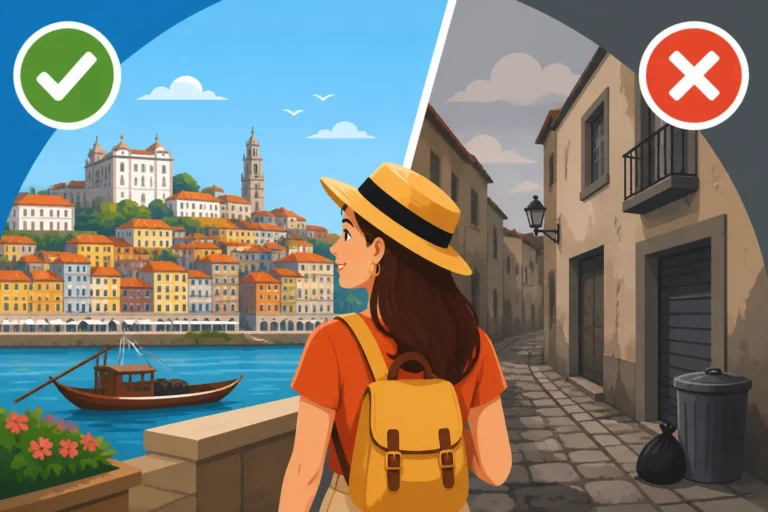
Deciding where to spend your Friday night in Portugal can feel like an impossible choice between two completely different worlds: the gritty, atmospheric charm of Porto’s historic streets or the neon-soaked, beachside hedonism of the Algarve. This guide solves that dilemma by providing a deep, local’s perspective on the unique nightlife landscapes of both regions to ensure you don’t end up at a tourist-trap bar or a deserted club.
The Vibrant Pulse of Porto Nightlife
When you first arrive in Porto, the city can feel a bit deceptive. By day, it is a sleepy, hilly landscape of tiled facades and laundry hanging over balconies. But as the sun dips below the Douro, the city undergoes a radical transformation. Unlike the purposeful, club-heavy scene of some European capitals, Porto’s nightlife is remarkably organic. People here value the "warm-up" just as much as the main event. It’s a city of drinkers and talkers, where a night out usually starts with a late dinner and several glasses of local wine before anyone even considers a dance floor.
The Galerias de Paris: The Ground Zero of Porto After-Hours
If you ask any local where to start your night, they will point you toward the "Galerias." This area, specifically Rua das Galerias de Paris and Rua de Cândido dos Reis, is the beating heart of the city’s nocturnal life. Imagine narrow cobblestone streets packed so tightly with people that cars wouldn't dare enter. The "Porto way" is to buy a drink inside one of the many small, quirky bars—often decorated with everything from old sewing machines to vintage toys—and then immediately walk back outside to drink it on the street. This creates a massive, open-air party where the crowd moves like a tide between different venues.
For those moving to the city for professional reasons, as discussed in Lisbon vs Porto for Tech Workers: Salaries, Startups, and Lifestyle, the Galerias are where you’ll likely network and decompress after a week of building the next big thing. You might start at Casa do Livro, a former bookstore turned sophisticated lounge, or La Paz, which offers a more eclectic, bohemian vibe. The beauty of this area is its accessibility; you don't need a VIP list or a high-end outfit to feel at home here. However, be prepared for the noise. If you are using Booking.com to find accommodation, I highly recommend looking a few streets away from this specific grid unless you plan on being part of the noise until 4 AM.
Riverside Sophistication in Ribeira and Gaia
If the frantic energy of the Galerias feels like too much, the Ribeira district offers a more scenic, albeit touristy, alternative. The bars along the riverfront are perfect for a "pre-game" cocktail while watching the lights of the Port wine cellars across the water. Crossing the Luís I Bridge into Vila Nova de Gaia opens up a different world of nightlife. While Gaia is famous for its daytime tours, many of the cellars and rooftop bars now stay open late, offering some of the best views of Porto’s skyline.
Rooftop bars like Espaço Porto Cruz provide a more polished experience compared to the dive bars of the city center. This is where you go when you want to impress someone or simply enjoy a high-quality Porto Tonico—a refreshing mix of white Port, tonic water, and mint—while the breeze off the Douro keeps the summer heat at bay. It is worth noting that Portuguese Coffee Culture and Restaurant Etiquette: Ordering Like a Local applies to the bar scene too; service can be slow, but it’s rarely because of laziness. It’s because the Portuguese believe the night is meant to be savored, not rushed.
Porto’s Craft Beer and Alternative Scene
Porto has recently seen a massive explosion in craft beer culture, providing a refreshing alternative to the omnipresent Super Bock. The "Cedofeita" neighborhood has become the hub for this movement. Places like Catraio or Letraria offer gardens where you can sample dozens of Portuguese IPAs and stouts. The crowd here is typically a mix of local artists, Erasmus students, and expats who prefer a quiet conversation over a thumping bassline.
If you are looking for live music or a more "underground" feel, venues like Maus Hábitos are essential. Located on the top floor of a car park, it serves as an art gallery, restaurant, and nightclub all in one. It captures the soul of Porto—it’s a bit rough around the edges, fiercely creative, and completely unpretentious. This is also where you will notice the Cost of Living in Portugal 2026: Detailed Budgets for Singles and Families coming into play; a night out in Porto’s alternative scene is remarkably affordable compared to London, Paris, or even Lisbon.
The Algarve: Sun-Drenched Days and Electric Nights
Traveling south from Porto to the Algarve is like switching channels from a classic indie film to a high-budget summer blockbuster. You can easily make this trip by booking a high-speed train or bus through Omio, which connects the two regions in about six to seven hours. Once you arrive, the atmosphere changes instantly. The air is saltier, the temperature is higher, and the nightlife is far more seasonal. In the Algarve, the party is often dictated by the proximity to the sand and the influx of international tourists.
Albufeira: The Party Capital of the South
Albufeira is essentially split into two distinct nightlife personalities: "The Strip" and the Old Town. For many expats, "The Strip" (Rua da Oura) is a place to be either embraced or avoided entirely. It is a neon-lit canyon of bars offering "buy one, get one free" shots, mechanical bulls, and karaoke. It is loud, unapologetic, and caters heavily to stag and hen parties. If your goal is to dance on a table until the sun comes up, this is your destination.
On the other hand, Albufeira’s Old Town offers a slightly more family-friendly but still very lively atmosphere. The central square is surrounded by bars and restaurants where live musicians perform every night. It’s a great place to start your evening with some local seafood before heading to a cocktail lounge. When navigating these areas, especially during the peak of summer, it’s wise to keep an eye on your belongings. While Portugal is generally very safe, Safety and Emergency Preparedness in Portugal for Foreign Residents reminds us that crowded tourist hubs are always a magnet for petty theft.
Lagos: Surf Vibes and International Revelry
Lagos is arguably the most balanced nightlife spot in the Algarve. It has long been a magnet for surfers, backpackers, and digital nomads, creating a vibe that is energetic but more "chill" than Albufeira. The bars here are tucked into the narrow streets of the historic center. Joe's Garage and The Three Monkeys are legendary spots where you can meet people from all over the world.
A unique feature of Lagos is the prevalence of "boat parties." You can find several options on GetYourGuide that take you out along the stunning Ponta da Piedade coastline at sunset, with a DJ and an open bar on board. It’s a quintessential Algarve experience. For those considering a more permanent move to the south, The Algarve for Expats: Lagos, Faro, and Tavira Compared provides a deeper look into why Lagos attracts such a loyal international community.
Vilamoura and Quinta do Lago: The Sophisticated Jet-Set
For a completely different experience, head to the Vilamoura Marina. This is where the yachts are parked, and the nightlife reflects that level of luxury. The bars here are sleek, the cocktails are expensive, and the dress code is significantly higher than the "shorts and flip-flops" allowed in Lagos. Seven Vilamoura and Dice Club are two of the biggest names in the region, often hosting international DJs and celebrities.
This area is also home to some of the most exclusive beach clubs in the country. During the day, you can lounge on a Balinese bed, and as night falls, the venue transitions into an open-air club. This high-end lifestyle comes with a price tag, and understanding Tipping Culture in Portugal: Do you leave 10% or just round up the bill? is important here; while tipping isn't mandatory, in these VIP environments, a little extra goes a long way in ensuring good service.
Practical Logistics for a Portuguese Night Out
Navigating a night out in Portugal requires a bit of local knowledge to avoid common frustrations. One of the biggest shocks for newcomers is the timing. If you show up at a club at midnight, you will likely be the only person there. The Portuguese eat dinner late, often finishing around 10:30 or 11:00 PM. Bars usually stay busy until 2:00 AM, and the "discotecas" don't really get going until 3:00 AM, staying open until 6:00 or 7:00 AM.
| Feature | Porto Nightlife | Algarve Nightlife |
|---|---|---|
| Primary Vibe | Urban, Alt, Artistic | Resort, Beach, Clubby |
| Best For | Craft Beer & Wine | Cocktails & Boat Parties |
| Peak Season | Year-round | June to September |
| Dress Code | Casual / Hipster | Beachy or High-End (Vilamoura) |
| Typical Drink | Port Wine / Super Bock | Gin Tonic / Sangria / Sagres |
Transportation and the "Via Verde" for the Party Scene
Getting home after a night out is generally easy but requires some planning. In Porto, the Metro runs until 1:00 AM, but after that, you are reliant on the night buses ("rede madrugada") or ride-sharing apps. In the Algarve, public transport essentially disappears after 10:00 PM. This is where apps like Bolt and Uber are lifesavers. For a detailed breakdown of which one to use, check out Using Bolt vs Uber in Portugal: Which ride-hailing app is cheaper?.
If you are driving yourself, please be aware that Portugal has very strict drink-driving laws. The legal limit is 0.5g/l, which for many is less than one large beer. Furthermore, the A22 highway between Algarve towns has been toll-free since 1 January 2025, but some other Portuguese motorways still use electronic tolls. Expats often struggle with these, so reading Public Transport and Driving in Portugal: Trains, Tolls, and Licenses is highly recommended to avoid receiving a mountain of fines in the mail months later.
Dress Codes, Entrance Fees, and Tipping Etiquette
Porto is generally very relaxed. You can walk into almost any bar in jeans and a t-shirt. The only exception would be some of the higher-end clubs like Foz's "Felini" or "Kasa da Praia," where "smart casual" is the rule. In the Algarve, the rules vary wildly. In Lagos, you can go straight from the beach to the bar. In Vilamoura, however, men should avoid wearing shorts if they want to get into the major clubs.
Entrance fees (consumo) are a common feature in Portuguese clubs. Instead of a flat entry fee, you often pay a set amount at the door—say €10 or €20—which is then loaded onto a card or given to you as a voucher to spend on drinks inside. Be careful not to lose this card! Many clubs charge a "lost card fee" of €50 or more. As for the service, if you find yourself in a situation where you need medical help due to overconsumption or an accident, don't hesitate to use the public system; Emergency Medical Care in Portugal: Calling 112 and Going to the Hospital is a vital resource to keep in your back pocket.
Safety and Avoiding Common Tourist Traps
Portugal is one of the safest countries in the world, but the combination of alcohol and tourists always brings out a few opportunistic characters. In Porto, be wary of people offering to sell you "hashish" or "coke" in the Galerias. These are almost always fake substances (usually pressed herbs or flour), and the police are well aware of them. This is a southern European version of the Common tourist scams in Lisbon: Pickpockets on Tram 28 and fake hash sellers you might have read about.
In the Algarve, the biggest "trap" is the pricing in the front-row beach bars. Always check the menu before ordering a large sangria; some places have been known to charge upwards of €50 for a pitcher that is mostly ice and cheap fruit. My advice? Walk two streets back from the water. Not only will the drinks be cheaper, but you’ll also likely find the "real" local hangouts where the atmosphere is far more authentic.
Comparing Porto vs. Algarve Nightlife for Different Travelers
To make your final decision, you really have to look at what kind of traveler you are. Porto is for the storyteller, the person who wants to find a dusty corner in a bar that looks like it hasn't changed since 1920. It's for the person who wants to drink a €2 glass of Douro red while debating philosophy with a local artist. It’s intimate, atmospheric, and feels like a secret that the rest of the world hasn't quite figured out yet.
The Algarve, conversely, is for the person who wants to escape reality. It’s for the group of friends who want to celebrate a birthday with a sunset cruise and then dance in a club that has palm trees inside. It’s a high-energy, sensory-overload experience that is designed to be fun. If you're looking for that "summer of a lifetime" feeling, the Algarve is hard to beat.
Budget Considerations: From Supermarket Beers to VIP Tables
Your wallet will also play a role in this choice. Porto is consistently cheaper. A "fino" (small draught beer) in a local Porto bar might cost you €1.50 or €2.00. In the tourist centers of the Algarve, you could easily pay €5.00 or €6.00 for the same beer. If you are a student or a digital nomad on a budget, Porto will allow your money to go much further.
However, the Algarve offers a "tier" of luxury that simply doesn't exist in Porto. If you have the budget for a private table with bottle service at a beach club in Vale do Lobo, the Algarve provides a world-class experience that rivals Ibiza or Mykonos. It’s about deciding whether you want the "rough-and-ready" charm of the north or the polished "lifestyle" of the south.
Seasonal Nuances: Winter Warmth vs. Summer Madness
Finally, consider the time of year. Porto’s nightlife is relatively stable year-round. Because it’s a university city with a large permanent population, the bars are busy even in the rainy winter months. In fact, there’s something quite cozy about being in a packed Porto bar while the rain hammers down on the granite streets outside.
The Algarve, however, undergoes a massive hibernation. Between November and March, many of the big clubs in Albufeira and Vilamoura close their doors entirely. The nightlife in winter becomes focused on Faro (the region’s capital) because of its university, or small pockets of Lagos. If you are visiting in the off-season, Porto is the clear winner. But if it’s July or August, the Algarve is the center of the Portuguese universe.
Disclaimer
This guide is intended for informational purposes only. Nightlife venues, local laws, and pricing in Portugal are subject to change. Always drink responsibly and be aware of your surroundings. We do not accept responsibility for any personal loss or injury that may occur while following the advice in this article. Check local regulations and opening times before planning your night out.