Porto for First-Time Visitors: What to See and Skip
Disclosure: This article contains affiliate links. If you buy through them, we may earn a commission at no extra cost to you. Read our full disclosure.
Porto is a city that captures your heart with its crumbling tiles and golden sunsets, but for the unprepared first-time visitor, it can be a logistical nightmare of steep inclines, overpriced tourist menus, and soul-crushing queues. This guide cuts through the romanticized fluff to show you exactly which landmarks deserve your time and which "must-dos" are actually traps that will drain your budget and patience.
Navigating the Geography and Soul of Porto
The first thing I tell anyone visiting Porto is that your fitness tracker is going to have the best week of its life. Porto is built on a series of granite hills, and while it looks compact on a map, the vertical reality is another story entirely. This is a city that demands a strategy, not just a pair of comfortable shoes. You will likely find yourself constantly alternating between the ancient, narrow streets of the Ribeira and the more modern, wide-open boulevards of Boavista.
The Layout of Porto vs Vila Nova de Gaia
It is a common mistake for newcomers to think of the Douro River as just a scenic backdrop. In reality, the river divides two distinct cities: Porto on the north bank and Vila Nova de Gaia on the south. Most of the iconic photos you see of the colorful houses are taken from the Gaia side, while the houses themselves are in Porto. Gaia is where the port wine cellars live, and it offers a slightly slower pace, though it has become increasingly commercialized. Understanding this divide is crucial because your daily itinerary will often involve crossing the Luís I Bridge multiple times.
When you are planning your stay, choosing the right side of the river is essential for your sanity. While Ribeira is the "postcard" area, it is also the loudest and most crowded. It is wise to look into the Porto Neighborhood Guide: Where to Live for Culture, Tech, and Family to get a sense of where you can find a quiet night's sleep without being miles away from the action. Many visitors find that staying slightly uphill in Cedofeita or Bonfim offers a more authentic experience of the city’s residential life while keeping the tourist core within a fifteen-minute walk.
Transportation Realities and the "Andante" System
Don't let the small size of the city fool you into thinking you’ll walk everywhere. By day two, your calves will be screaming. Porto has an excellent metro and bus system, but it operates on the "Andante" card system, which can be baffling at first. You have to "validate" your card every single time you enter a station or board a bus, even if you have a monthly pass or a 24-hour ticket. If you forget, the fines are steep and the inspectors are notoriously unforgiving with tourists.
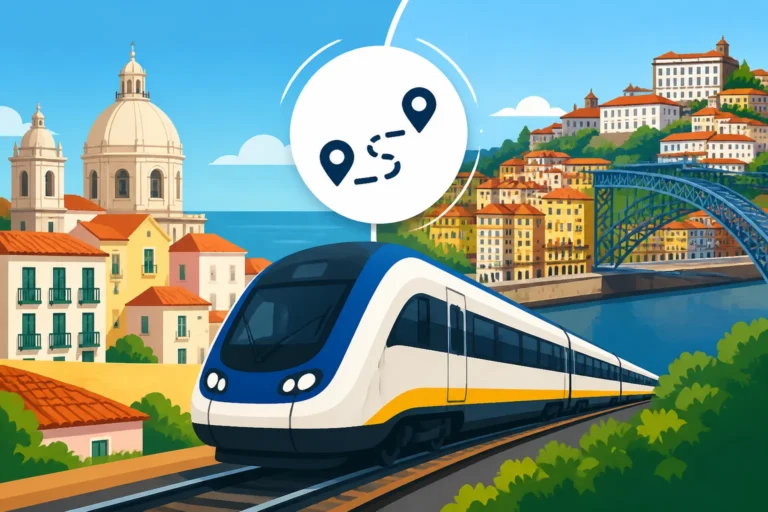
For those arriving from Lisbon or other parts of Europe, I highly recommend using Omio to compare train and bus prices, as the Porto-Campanhã station is well-connected to the rest of the country. Once you are in the city, you should familiarize yourself with Using the Andante card in Porto: Zones, top-ups, and ticket validation fines to avoid any awkward encounters with transit police. The metro is clean and efficient, but remember that the "Yellow Line" (Line D) is the one that takes you across the top of the bridge to Gaia, providing one of the best views in the city for the price of a standard ticket.
The Must-See Classics That Are Actually Worth the Hype
There are some landmarks in Porto that are so famous they’ve become clichés, but unlike some other European cities, Porto’s main attractions usually live up to the reputation. The key is knowing how and when to visit them. If you show up at the peak of a July afternoon, you will be surrounded by selfie sticks and heat haze. If you go at 8:00 AM, you’ll see the city waking up with a coffee in hand.
São Bento Station and the Narrative of Tiles
Even if you aren't catching a train, you must step inside the São Bento Railway Station. The main atrium is covered in approximately 20,000 "azulejo" tiles that depict the history of Portugal. It is breathtaking, and more importantly, it is free. However, it can feel like a mosh pit by mid-morning. My advice is to head there as early as possible. Stand in the center and look at the ceiling first, then move your way around the walls chronologically. It’s a literal history book made of ceramic.
The tiles are more than just decoration; they are a point of national pride. As you walk through the city, you'll see them on churches and ordinary apartments alike. If you’re interested in the logistics of moving here and seeing these tiles every day, you might want to look into the Cost of Living in Portugal 2026: Detailed Budgets for Singles and Families to see if a long-term stay is in your cards. For the short term, just enjoy the fact that some of the world’s most beautiful art is accessible for the price of walking through a door.
The Port Wine Cellars of Vila Nova de Gaia
You cannot come to Porto and ignore the wine. Port is the city's most famous export, and the cellars (caves) in Gaia are where the magic happens. While there are dozens of cellars, some have become very "corporate" and feel a bit like a theme park. I recommend booking a tour through GetYourGuide to ensure you get a slot at one of the more traditional houses like Graham’s or Taylor’s. These tours aren't just about drinking; they explain the unique microclimate of the Douro Valley and why this wine can age for a century.
Be prepared for the walk back up the hill after a tasting. Port wine is significantly stronger than standard table wine, and the sun in Gaia can be deceptively strong. Many first-timers underestimate the alcohol content and end up struggling with the walk across the bridge. If you do find yourself feeling unwell, it’s good to know that Emergency Medical Care in Portugal: Calling 112 and Going to the Hospital is there if needed, though usually, a heavy Francesinha sandwich and a liter of water will solve most port-related issues.
Ribeira and the Luis I Bridge
The Ribeira district is the soul of the city, even if it is the most touristy. The medieval streets are a labyrinth that eventually opens up to the riverfront. Walking across the top tier of the Luís I Bridge is a non-negotiable Porto experience. The view of the Douro, the traditional Rabelo boats, and the red-tiled roofs of the city is unparalleled. However, avoid the restaurants right on the water's edge in Ribeira. They are significantly more expensive and often lower quality than the "tascas" you’ll find just two or three streets back.
If you are looking for a place to stay that puts you near this action but offers a bit of luxury, check Booking.com for boutique hotels in the Ribeira or nearby Flores street. Just be aware that vehicle access in these old districts is nearly impossible, so if you have heavy luggage, you will be dragging it over centuries-old cobblestones.
What to Skip or Reconsider for a Better Experience
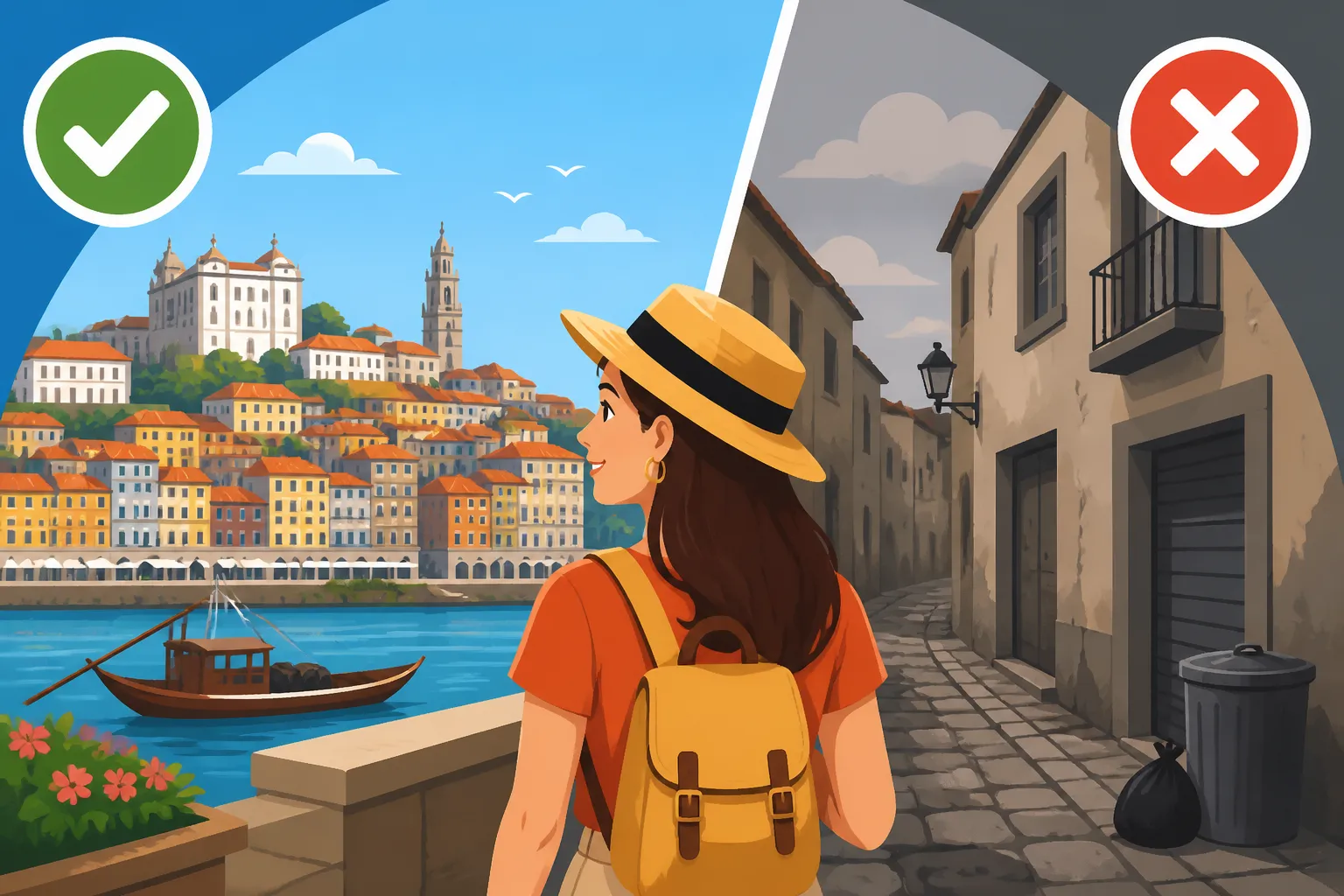
Now, let's talk about the parts of Porto that often frustrate visitors. Every city has its "must-sees" that have been ruined by their own popularity, and Porto is no exception. If your time is limited, being selective about where you stand in line is the best gift you can give yourself.
The Livraria Lello Long Lines
I know, I know—it’s the "Harry Potter bookstore." It is objectively one of the most beautiful bookstores in the world, with its neo-Gothic facade and stunning red staircase. But here is the reality: you now have to pay for a voucher just to enter, and the line often wraps around the block for hours. Once inside, it is so crowded that you can barely see the shelves, let alone browse for a book.
Unless you are a die-hard bibliophile or a Potter fanatic, I suggest skipping the interior. Instead, walk past it at night when it’s lit up and you can see the windows without the crowds. Use that saved time to explore the Serralves Museum of Contemporary Art or the Palácio da Bolsa. Both offer architectural beauty without the feeling of being in a crowded elevator.
Generic Tourist Fado Dinner Shows
Fado is a beautiful, haunting tradition, but in Porto, it’s often sold as a "dinner and a show" package in the most touristy parts of town. These performances can sometimes feel a bit "plastic," and the food is rarely the highlight. Porto actually has a different Fado tradition than Lisbon, and it’s often more rewarding to find a small, local bar where the music happens organically.
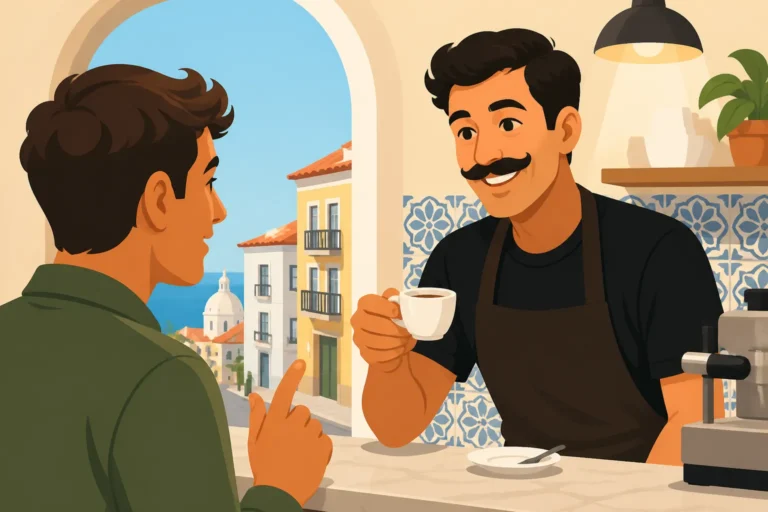
If you really want to understand the etiquette of dining and nightlife here, read up on Portuguese Coffee Culture and Restaurant Etiquette: Ordering Like a Local. Real Fado is about silence and respect; if the restaurant is loud and the performers are competing with the sound of clinking silverware, you aren't getting the real experience. Look for "Fado Vadio" (amateur fado) in smaller neighborhoods for a much more moving evening.
The Overpriced River Cruises
The "Six Bridges Cruise" is the standard river trip offered to every tourist. It’s not a bad experience, but it is very short (usually 50 minutes) and the commentary is often pre-recorded and hard to hear. If you want to be on the water, consider taking a full-day trip up the Douro towards Pinhão. Using Omio to book a train to Pinhão and then taking a small private boat there is a much more immersive way to see the vineyard landscapes that actually produce the wine you’re drinking.
| Attraction | Estimated Cost | Crowd Level | Recommended Time | Verdict |
|---|---|---|---|---|
| São Bento Station | Free | Very High | 8:00 AM | Must See |
| Livraria Lello | €8+ | Extreme | Never | Skip (View from outside) |
| Port Cellar Tour | €15 – €30 | Medium | Afternoon | Must See |
| Clérigos Tower | €6 – €8 | High | Sunset | See (If you can climb) |
| Six Bridges Cruise | €15 | High | Midday | Reconsider |
| Serralves Museum | €12 – €20 | Low | Morning | Hidden Gem |
Hidden Gems for a More Authentic Porto
If you want to escape the crowds of the Ribeira, you need to head toward the edges of the city. Porto is a city of "miradouros" (viewpoints) and secret gardens that most tourists never bother to find because they require a bit more effort to reach.
The Gardens of Palácio de Cristal
This is my favorite spot in the city. The palace itself was replaced by a domed pavilion years ago, but the gardens remain spectacular. They offer some of the best views of the Douro river looking toward the ocean, and they are filled with peacocks roaming freely. It’s the perfect place for a picnic and a break from the claustrophobia of the old town. Best of all, it’s free and rarely feels overcrowded.
While you are exploring these quieter areas, it's a good time to remember that Porto is generally very safe. However, like any major city, you should keep your wits about you. It is wise for visitors to skim Safety and Emergency Preparedness in Portugal for Foreign Residents just to know the basics of local emergency numbers and common-sense precautions.
Matosinhos and the Real Seafood Experience
If you want the best fish of your life, get on the Metro Line A and head to Matosinhos. This is Porto’s fishing port, and the street Rua Heróis de França is lined with restaurants that grill fresh fish on the sidewalk. This is where the locals go for Sunday lunch. It’s smoky, loud, and absolutely delicious.
After lunch, you can walk along the Matosinhos beach, which is a favorite for local surfers. It’s a completely different vibe from the historic center—wide open, salty, and modern. If you’re traveling from afar, you might even consider booking a surf lesson through GetYourGuide to burn off that heavy lunch.
Foz do Douro and the Atlantic Shoreline
Where the river meets the sea, you’ll find Foz. This is the upscale part of Porto, characterized by mansions, lighthouses, and a beautiful promenade. You can take the historic Tram 1 from the city center all the way to Foz. It’s a slow, rattling journey along the riverbank that feels like stepping back in time. Once there, walk to the Felgueiras Lighthouse during high tide (but stay back from the waves—they are powerful and dangerous).
Foz is also a great place to stay if you want a "beach holiday" feel while still being close to a major city. Check Booking.com for apartments in Foz Velha; it’s one of the most charming areas of the city, with narrow streets that feel like a small village.
Planning Your Logistics for a Stress-Free Visit
A successful trip to Porto depends heavily on how you handle the "boring" stuff: trains, tickets, and timing. Because Porto has exploded in popularity, you can no longer just "wing it" during the high season without facing long waits and sold-out tours.
Getting to and From Porto
Most visitors arrive via the Francisco Sá Carneiro Airport (OPO) or by train from Lisbon. The airport is exceptionally well-linked to the city center by the Purple Metro Line. If you are coming from Lisbon, the Alfa Pendular (high-speed train) is the best way to travel. I always use Omio to book these tickets in advance, as prices can triple if you buy them on the day of travel.
For those planning to explore the surrounding regions like Braga or Guimarães, the urban trains from São Bento are very affordable. You can learn more about the national rail system in our guide on Using Comboios de Portugal (CP) Trains and the Navegante Pass. It’s often much cheaper and more scenic than renting a car, especially given the nightmare that is parking in northern Portugal.
The Best Time to Visit and Weather Realities
Porto is beautiful year-round, but it has a secret: it rains. A lot. From November through March, the city can be shrouded in a thick Atlantic mist that is atmospheric but very wet. If you are visiting during the winter, you need a high-quality raincoat and shoes with good grip—the wet cobblestones are notoriously slippery.
The best months are May, June, and September. June 23rd is the "Festa de São João," the city's biggest party. It is an incredible experience involving plastic hammers, grilled sardines, and fireworks, but the city becomes almost impassable. If you aren't a fan of massive crowds, avoid that specific week. Regardless of when you come, make sure your Public Transport and Driving in Portugal: Trains, Tolls, and Licenses knowledge is up to date, as schedules often change during holidays.
Final Advice for Your First Trip
Porto is a city that rewards the curious and punishes the rushed. Don't try to see every single church and museum in two days. Instead, spend an afternoon sitting at a riverside cafe in Gaia, watching the sun hit the granite walls of the Ribeira. Walk through the neighborhoods of Santo Ildefonso and let yourself get a little lost.
The beauty of Porto isn't just in its landmarks; it’s in the "tripeiro" spirit of its people and the way the golden hour light reflects off the Douro. Be patient with the hills, be generous with your tips at local family-run restaurants, and don't be afraid to skip the "famous" spots if the line is too long. There is always another beautiful view or a hidden glass of wine just around the corner.
Disclaimer
The information provided in this guide is for informational purposes only. Travel conditions, prices, and local regulations in Portugal can change rapidly. Always verify specific details such as opening hours, visa requirements, and health safety protocols through official government or service provider channels before your trip. The author is not responsible for any changes in services or unexpected travel disruptions.