The Best Beaches in the Algarve
Disclosure: This article contains affiliate links. If you buy through them, we may earn a commission at no extra cost to you. Read our full disclosure.
Most visitors arrive in Faro, pick up a rental car, and head straight to the nearest patch of sand, only to find themselves fighting for space in a crowded tourist trap with overpriced umbrellas and lukewarm soda. Finding the perfect beach in the Algarve requires more than a map; it requires an understanding of the tides, the wind patterns, and the hidden paths that only locals know. This guide solves the frustration of the "generic" holiday by revealing how to navigate the 200km coastline to find the exact vibe you need, from secluded caves to family-friendly lagoons.
The Regional Divide: Barlavento vs. Sotavento
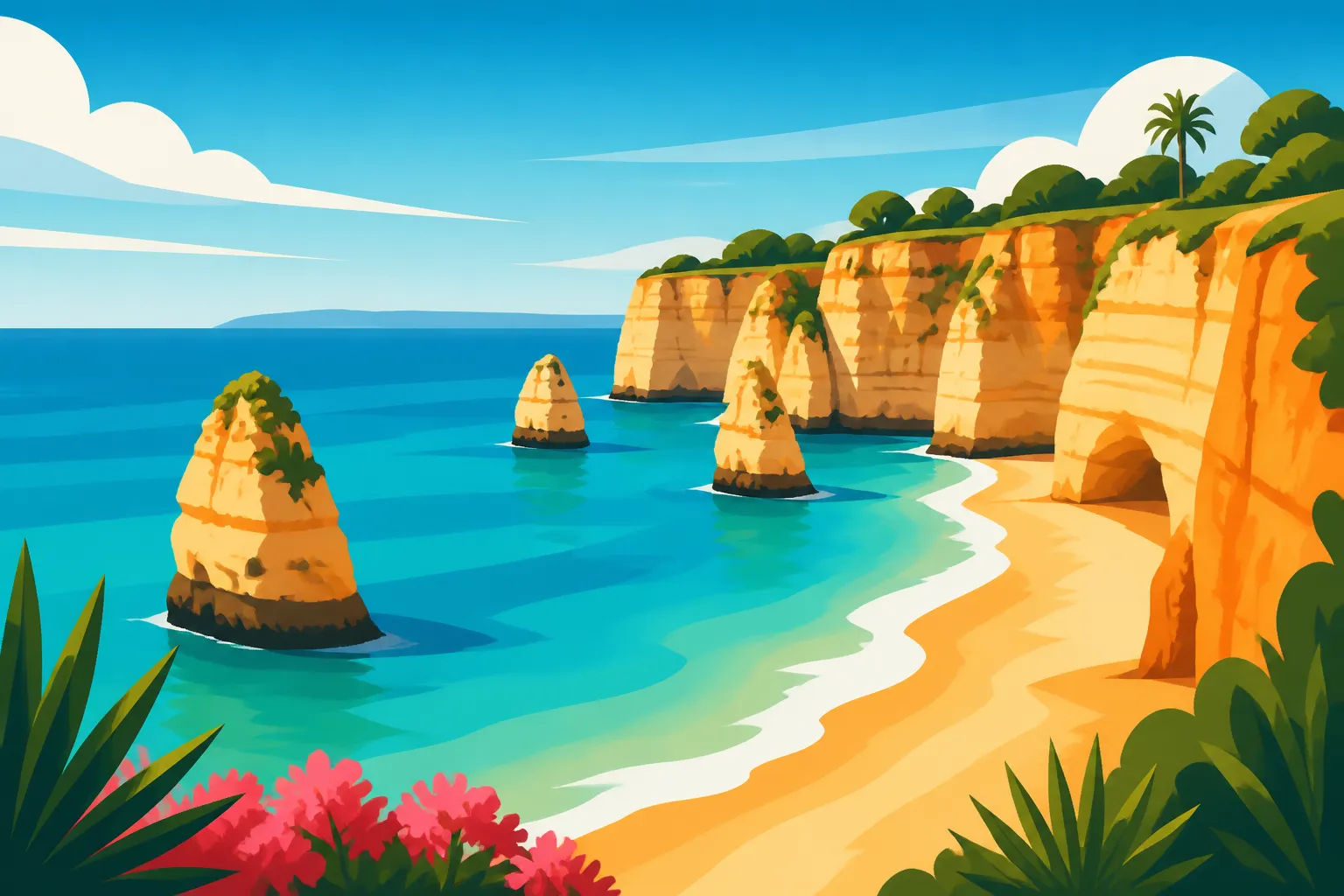
When I first moved to the south of Portugal, I didn't realize that the Algarve is essentially two different worlds. The western side, known as the Barlavento (the "windward" side), stretches from Albufeira to Sagres. This is the postcard-perfect Algarve you see in brochures—towering orange cliffs, hidden sea caves, and turquoise water tucked into limestone coves. The water here is generally cooler, and the waves can be more energetic, especially as you approach the Atlantic-facing western coast near Cape Saint Vincent. If you are looking for drama and photography, this is your zone.
The eastern side, or the Sotavento ("leeward"), runs from Faro toward the Spanish border at Vila Real de Santo António. This region is defined by the Ria Formosa natural park, a vast system of barrier islands and lagoons. The beaches here are long, flat, and sandy, often requiring a short ferry ride to reach. The water is significantly warmer because of the Mediterranean influence and the shallow depths of the lagoons. For expats living here long-term, the Sotavento offers a much more relaxed, traditional Portuguese feel, away from the high-rise hotels of the central coast. Before you settle on a location, it is worth checking the Cost of Living in Portugal 2026: Detailed Budgets for Singles and Families to see how regional price differences might impact your stay.
Barlavento: The Land of Gold and Ochre
The cliffs of the Barlavento are not just scenery; they are a living geological history. Between Lagos and Portimão, you will find beaches like Praia de Dona Ana and Praia do Camilo. These are "pocket beaches," small sandy areas protected by high cliffs that block the northern wind (the Nortada). The downside? They get crowded fast. If you’re coming from Lisbon or Porto, you might use Omio to book your train or bus to Lagos, as it’s one of the easiest ways to navigate the public transport system without the stress of driving. Once there, you’ll find that the best way to see these cliffs is actually from the water, as many of the best coves are inaccessible by foot.
Living as an expat in this region means learning to time your visits. In July and August, I wouldn't dream of going to Dona Ana after 10:00 AM. The stairs are steep, and the heat can be punishing. If you have mobility issues or are traveling with young children, keep in mind that many of these iconic beaches require navigating 100+ wooden steps. Always pack light and ensure you have plenty of water. If you're worried about the local water quality during your first few weeks, rest assured that Water safety and stomach bugs: Do expats get sick from Portuguese tap water? covers everything you need to know about staying hydrated safely.
Sotavento: The Barrier Islands and Warm Waters
The Sotavento is where you go when you want to disappear. Places like Ilha de Tavira or Ilha da Armona require a boat, which naturally filters out the lazy crowds. You park your car in Olhão or Tavira, hop on a cheap ferry, and ten minutes later, you are on a sandbar that feels like the Caribbean. The sand is white and powdery, and you can walk for miles without seeing a single building. This is the region where many retirees settle because of the flatter terrain and the slower pace of life.
The water temperature here can reach 24°C or 25°C in late summer, which is a far cry from the bracing 18°C you might find in Sagres. However, the wind can be a factor. Because the islands are flat, there is no cliff protection. If the "Levante" wind starts blowing from the east, it can bring hot, humid air and sometimes jellyfish. Local tip: if you see the Portuguese "Caravela Portuguesa" (Man o' War), stay out of the water and notify the lifeguards. For peace of mind during your beach adventures, it’s always wise to understand the Emergency Medical Care in Portugal: Calling 112 and Going to the Hospital procedures just in case of stings or heatstroke.
Iconic Photography Spots and Geological Wonders
If you have an Instagram account, you’ve likely seen the Benagil Cave. It is the crown jewel of Algarve tourism, but visiting it is a logistical puzzle. Located between Carvoeiro and Armação de Pêra, the cave features a massive dome with a hole in the ceiling (the "eye") that lets in sunlight, illuminating a small beach inside. You cannot—and I repeat, should not—try to swim to it from the mainland. The currents are deceptively strong, and the boat traffic is heavy.
Navigating the Benagil Sea Cave
The only safe and legal way to enter the cave is by boat, kayak, or stand-up paddleboard. It is worth booking a kayak tour through GetYourGuide because it allows you to actually land on the sand inside the cave. Most large boat tours will only poke their nose inside for a quick photo before moving on. If you go by kayak, try to book the earliest slot possible (usually 8:00 or 9:00 AM). By midday, the cave becomes a chaotic "parking lot" of boats and boards, which ruins the spiritual experience of the place.
While you are in the area, don't miss Praia da Marinha. It is consistently ranked as one of the most beautiful beaches in the world. The "M" shaped rock formation in the water is iconic. There is a cliff-top trail that runs from Marinha to Benagil (the Seven Hanging Valleys Trail). It’s about 6km long and offers views that will make your jaw drop. Just be careful with your skin; the sun reflects off the limestone and can burn you in minutes. Many expats end up at a Finding Doctors and Specialists in Portugal: English-Speaking Medical Care facility with second-degree burns because they underestimated the Algarve sun.
Ponta da Piedade and the Lagos Grottos
Just outside of Lagos lies Ponta da Piedade. This isn't a beach in the traditional sense, but a series of rock formations, arches, and caves that are best explored by small boat. The lighthouse at the top provides a great starting point for a walk down the stairs to the "pier," where local fishermen offer tours. Unlike the high-octane speedboats in Albufeira, the Lagos grotto tours are usually in traditional wooden boats, which feel much more authentic.
If you are staying in the center of Lagos, you can find great deals on Booking.com for guesthouses that are within walking distance of both the town and the cliffs. Lagos has a vibrant expat community, and the beaches reflect that—expect to hear a mix of English, German, and Dutch. If you're planning on moving to this area, you'll need to think about Health Insurance Requirements for the D7 and D8 Visa Application to ensure you're covered for long-term residency while you enjoy these views daily.
Family-Friendly Shores and Accessibility
Not everyone wants to hike down a cliff face to go for a swim. If you have kids, strollers, or limited mobility, you need "Blue Flag" beaches with easy access, lifeguards, and amenities. The Algarve is excellent for this, provided you know where to look. The central Algarve, particularly around Vilamoura and Albufeira, is built for convenience.
Praia da Rocha and the Portimão Strip
Praia da Rocha is massive. It is so wide that even in the height of summer, you can usually find a spot for your towel. The entire length of the beach is lined with a wooden boardwalk, making it perfect for strollers and wheelchairs. There are dozens of restaurants built directly on the sand, so you don't have to trek back to the city for lunch. For a local experience, try a "Bifana" (pork sandwich) and a cold Sagres beer. If you're not sure how to order, my guide on Portuguese Coffee Culture and Restaurant Etiquette: Ordering Like a Local will save you from any awkward social moments.
The water at Praia da Rocha is generally calm, and the sand is cleaned every night. However, Portimão is a busy city. If you prefer something slightly quieter but still accessible, head a few kilometers west to Alvor. The Praia de Alvor has a similar boardwalk system but is flanked by a beautiful lagoon and dunes, offering a more natural setting for a family day out.
Praia da Luz: The Expat Favorite
Praia da Luz, located west of Lagos, has been an expat stronghold for decades. It feels more like a village than a resort. The beach is a gentle crescent with a paved "Marginal" (promenade) where people walk their dogs and sit at cafes. It is incredibly safe for children because the bay is protected from the larger Atlantic swells.
One thing to note for families is the availability of pharmacies nearby. If your child gets a minor cut from a rock or an allergic reaction to the local flora, knowing about Pharmacies and Medication in Portugal: Prescriptions and OTC Drugs is essential. Most pharmacies in the Algarve have English-speaking staff who can help with over-the-counter needs.
| Beach Name | Region | Vibe | Best For | Accessibility |
|---|---|---|---|---|
| Praia da Marinha | Central | Dramatic/Scenic | Photography | Low (Many stairs) |
| Praia da Rocha | Central | Busy/Vibrant | Families | High (Boardwalks) |
| Ilha de Tavira | East | Wild/Spacious | Relaxation | Medium (Requires ferry) |
| Praia do Camilo | West | Intimate/Cove | Couples | Low (Steep stairs) |
| Meia Praia | West | Long/Active | Water Sports | High (Flat) |
| Praia da Bordeira | West Coast | Wild/Rugged | Surfing | Medium (Dunes) |
Hidden Gems and the Wild West Coast
If you want to escape the "tourist" Algarve entirely, you have to drive. The further west you go, toward Aljezur and the Costa Vicentina, the more the landscape changes. The orange limestone is replaced by dark schist and jagged black cliffs. The wind picks up, and the ocean turns into a surfer’s paradise.
Praia da Bordeira and Carrapateira
Praia da Bordeira is one of the most breathtaking places in Portugal. It is a massive expanse of sand dunes and a river that winds its way into the sea. Because it is part of a protected natural park, there are no hotels or high-rises in sight. It feels like the end of the world. This is the "Wild West" of the Algarve.
Living in this area as an expat requires a different mindset. You are further from the big hospitals and shopping malls. If you are considering a move here, make sure to check Living in rural Portugal: How far is the nearest hospital usually? to manage your expectations. The lifestyle is rugged and beautiful, but you need to be self-sufficient. For transportation in these rural areas, you'll likely rely on your own vehicle, so understanding Public Transport and Driving in Portugal: Trains, Tolls, and Licenses is a must for navigating the A22 highway and local N125 road.
Praia do Carvalho: The Smuggler's Cove
Back in the central Algarve, there are still hidden spots if you know where to look. Praia do Carvalho is famous among locals for its entrance—you have to walk through a hand-carved tunnel in the rock to reach the sand. Legend has it that it was used by smugglers in the past. It’s a small beach with high cliffs that provide deep shade in the afternoons, which is a blessing during a July heatwave.
Be aware that cliff jumping is popular here, but it is extremely dangerous. The depth of the water changes with the tide, and there are submerged rocks that aren't visible from above. If you do get injured, you’ll want to have a good private insurance policy. I personally use Private Health Insurance in Portugal: Costs, Coverage, and Best Providers to ensure I can skip the long wait times at the public hospitals during the busy summer season.
Practical Tips for Your Algarve Beach Trip
Planning the logistics of an Algarve trip can be overwhelming, especially with the 2026 updates to tolls and transport. If you are flying into Lisbon and taking the train down, use Omio to book the Alfa Pendular (high-speed train) to Tunes or Faro. From there, you can rent a car or use ride-sharing apps. In the Algarve, Uber and Bolt are widely available in the coastal towns, but they can be expensive during peak hours. If you're on a budget, Using Bolt vs Uber in Portugal: Which ride-hailing app is cheaper? provides a great comparison of the two services in the southern region.
Sun and Health Protection
I cannot stress this enough: the sun in southern Portugal is deceptively strong. Because of the Atlantic breeze, you might not feel "hot," but your skin is cooking. Use a high-SPF sunscreen and reapply after every swim. If you have fair skin or a history of issues, it's a good idea to schedule a check-up. You can find more info in Sunscreen and skin cancer checks: Visiting a dermatologist in Portugal.
Also, keep an eye on the beach flags:
- Green: Safe to swim.
- Yellow: You can wade, but do not swim (currents are present).
- Red: Extremely dangerous, stay out of the water.
- Checkered: The beach is temporarily unsupervised.
Seasonal Planning and Holidays
If you plan your trip during a Portuguese public holiday, be prepared for the beaches to be packed with families from Lisbon and Seville. The weekend of August 15th (Assumption Day) is the busiest time of the year. Banks and supermarkets often have reduced hours during these times. Check the Portuguese public holidays 2026: When supermarkets and banks are closed list to make sure you aren't caught without groceries or cash.
For accommodation, I recommend using Booking.com to find "Alojamento Local" (local guesthouses) rather than large resorts. You’ll get better tips from the owners about which local "Tascas" serve the best grilled sardines and which beaches are currently free of seaweed. The Algarve is a place that rewards those who ask questions and venture a few kilometers off the main road. Whether you are here for a week or a lifetime, the coast will always find a way to surprise you.
Disclaimer
This guide is for informational purposes only. While I strive to provide the most up-to-date and accurate advice based on my experience as an expat in Portugal, travel conditions, local laws, and safety regulations can change. Always check local weather reports, maritime warnings, and official government announcements before engaging in water activities or traveling to remote areas. I am not a travel agent or a medical professional; please consult with experts for specific travel bookings or health concerns.