How Much Cash Should You Carry When Traveling in Portugal?
Disclosure: This article contains affiliate links. If you buy through them, we may earn a commission at no extra cost to you. Read our full disclosure.
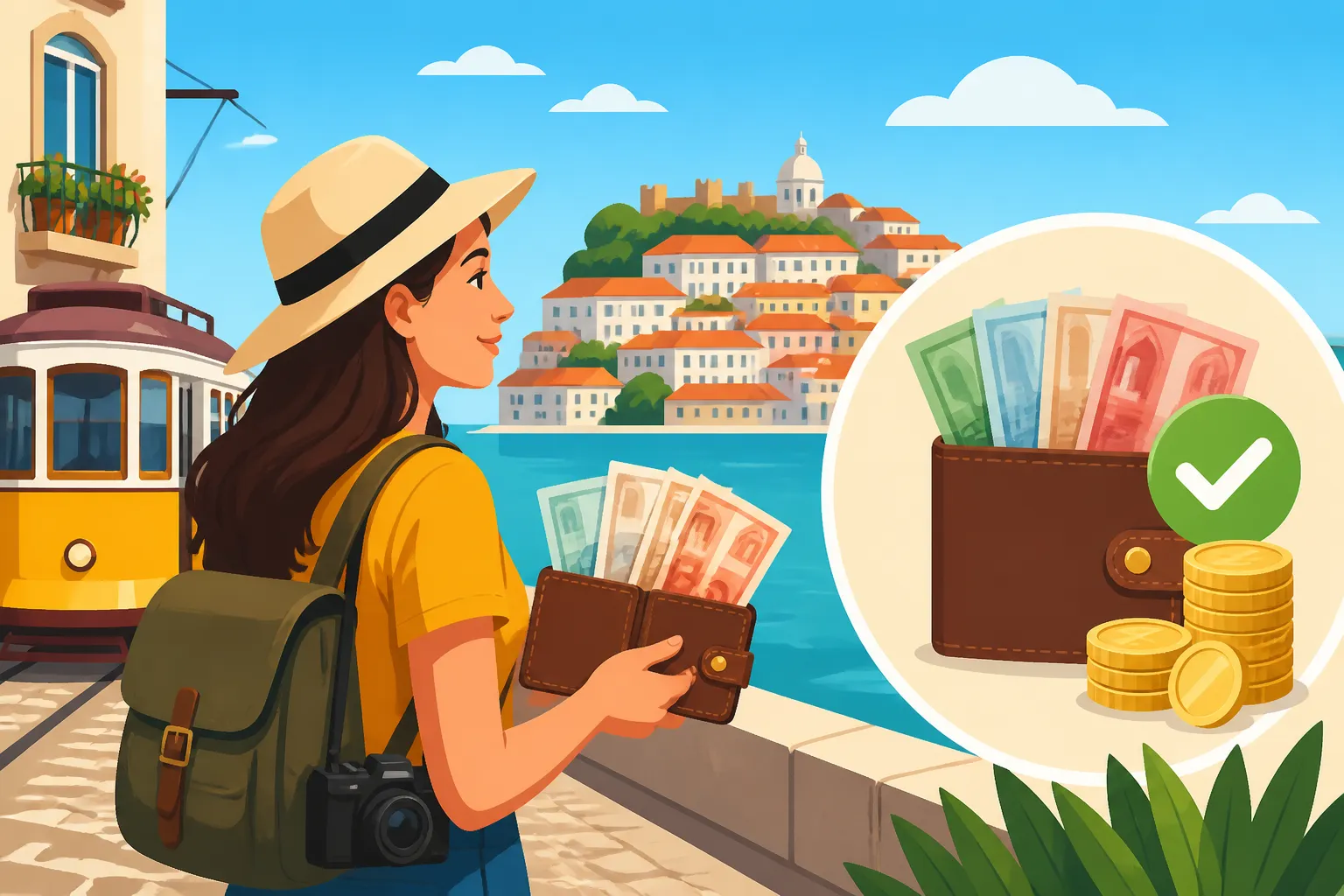
Ah, the age-old question that plagues every newcomer and seasoned expat alike when they first set foot in Portugal: "How much cash should I actually carry?" It’s a common worry, isn't it? You arrive in this beautiful country, ready to soak it all in, but then you're hit with the practicalities of daily life. This guide will cut through the guesswork and give you a realistic picture of when cash is king, when your card is welcomed, and how to balance convenience with safety, ensuring your travels are as smooth as a glass of Port wine.
The Portuguese Cash vs. Card Reality: When to Use What
Navigating the payment landscape in Portugal can feel a bit like a dance between the old world and the new. On one hand, you have a surprisingly advanced national payment network, and on the other, a charming stubbornness for cash in certain situations. It’s all about understanding the rhythm.
The Ubiquitous Multibanco System and MB Way
Let's start with the good news: Portugal boasts one of Europe's most efficient and widespread payment systems, Multibanco. You’ll see these green ATM-like machines absolutely everywhere, from city centers to the smallest villages. Most shops, supermarkets (like the big players Continente, Pingo Doce, or Auchan), larger restaurants, and services across the country accept debit and credit cards, seamlessly processed through the Multibanco network. Even fairly small businesses will have a card machine ready to go.
Then there's MB Way, which is a game-changer for locals. It allows for instant payments via phone, direct bank transfers, and even cash withdrawals without a card. It’s incredibly popular here, and you'll often see small businesses displaying MB Way QR codes. However, as a tourist or new expat, setting up MB Way requires a Portuguese bank account and a NIF (tax number), which isn't always feasible for short-term visitors or those just starting out. So, while it's fantastic for residents, it likely won't be your primary payment method initially. For day-to-day purchases in established businesses, your foreign debit or credit card will usually work just fine, provided it's a Visa or Mastercard. American Express, while accepted in some larger establishments, isn't as universally embraced, so always have a backup. If you're planning on relying heavily on digital payments for things like intercity train tickets or booking activities, platforms like Omio and GetYourGuide are excellent, and they exclusively operate on card payments.
When Cash is Still King: Small Businesses, Markets, and Rural Areas
Despite the modern conveniences, there are definite pockets where cold, hard cash remains the preferred, or sometimes only, method of payment. You’ll encounter this most often in the more traditional settings that often hold the most charm.
Think about that tiny pastelaria where you grab your morning coffee and a pastel de nata – a quick €2-3 transaction. Many of these small, family-run establishments, or a local tasca tucked away on a side street, might still be cash-only or genuinely prefer cash to avoid card processing fees on small amounts. It's often quicker for them and for you to just hand over a few euros. The same goes for the bustling local markets, whether it's the famous Mercado da Ribeira in Lisbon (though many food stalls there are modernized) or the smaller, authentic village markets where local farmers sell their produce, cheese, and crafts. The ladies selling fresh cherries or handmade lace at a market stall will absolutely expect cash. This also applies to street vendors selling chestnuts in autumn or simple souvenirs. For more detailed insights into shopping, you might find our guide on Grocery Shopping in Portugal: Continente, Pingo Doce, Auchan, and Mercados useful, as it delves into various retail options.
Venture out into rural Portugal, and you’ll notice the digital infrastructure can thin out. Card machines might be less common, or their internet connection might be spotty. Small, independent shops or petrol stations in very remote areas could exclusively accept cash. Furthermore, while tipping isn't mandatory in Portugal, it's a kind gesture to round up or leave a few euros for good service, especially in cafes or smaller restaurants. These tips are almost always given in cash directly to your server. Finally, some public transport options, especially certain local buses or smaller ferry services, might require cash for tickets, though larger cities offer reloadable passes like the Navegante in Lisbon. Learn more about navigating public transport in our article about Using the Navegante Pass Lisbon: How to get the €40 monthly unlimited transit card.
How Much Cash is "Enough"? Daily Budgets and Unexpected Situations
The "right" amount of cash is highly subjective and depends on your travel style, but we can definitely lay down some practical guidelines to make sure you're never caught off guard.
Estimating Your Daily Cash Needs
For a typical day exploring a city, enjoying some local cafes, maybe hitting a market, and using public transport, I’d suggest carrying somewhere between €20 to €50 per person. This range allows you to cover those small cash-preferred transactions without feeling weighed down.
Let’s break it down with some examples:
- Morning Coffee & Pastry: €2-€4 (likely cash)
- Market Purchase: A bag of fresh fruit or a small souvenir, €5-€15 (definitely cash)
- Lunch at a small Tasca: A prato do dia (dish of the day) and a drink, €8-€12 (might be cash-only or prefer cash)
- Public Transport: A single bus ticket or topping up a smaller local card, €1.50-€5 (often cash)
- Random Incidentals: A bottle of water, a magazine, or a public toilet, €1-€3 (almost always cash)
If you’re traveling with family or plan on more market shopping, simply multiply that amount. Remember, for larger expenses like a nice dinner, shopping at a major retail chain, or booking a hotel through sites like Booking.com, your card will be the most convenient and secure option. This flexible approach lets you enjoy the local flavor without constantly worrying about finding an ATM. For a broader perspective on budgeting, our guide on the Cost of Living in Portugal 2026: Detailed Budgets for Singles and Families can give you an idea of overall expenses.
Emergency Cash and Unforeseen Circumstances
Beyond your daily spending money, it’s always a good idea to have a small "emergency stash" that you don't touch unless absolutely necessary. Think of it as your financial safety net. I'd recommend having an additional €100 to €200 stored separately from your main wallet.
Why? Imagine this scenario: You're in a charming, remote village in the Alentejo, and suddenly, the only ATM is out of service, or worse, your bank puts a temporary hold on your card because of unusual activity. It happens, believe me! Or perhaps your wallet gets misplaced, or a card machine is down at a crucial moment. Having that emergency cash can literally save your day, allowing you to pay for a taxi back to a larger town, cover a night's accommodation, or simply buy food until you can resolve your card issues. It’s not about carrying a huge wad of cash and risking it all; it's about having enough to navigate a sticky situation without panic. Keep this emergency fund in a very secure, separate place – perhaps a money belt under your clothes or a zippered inner pocket of your travel bag that you rarely access.
Safety and Practicalities of Carrying Cash in Portugal
While Portugal is generally a safe country, especially compared to many other European nations, being smart about carrying cash is paramount. Just like anywhere in the world, tourist hotspots can attract petty crime.
Smart Carrying Strategies and Security Concerns
The number one rule when carrying cash, or any valuables, is don't put all your eggs in one basket. If you're carrying €50 for the day and €100 for emergencies, those amounts should ideally be in different places.
- Wallet: Keep your daily spending cash in your regular wallet, but don't stuff it full. Only carry what you realistically expect to spend that day.
- Money Belt/Hidden Pouch: This is where your emergency cash and perhaps one backup card should live. Worn under your clothes, it's virtually invisible and incredibly secure.
- Secure Bag Compartment: If you're carrying a backpack or purse, utilize internal zippered pockets or hidden compartments. Never keep your wallet in an easily accessible back pocket or an open tote bag, especially in crowded areas.
- Don't Flash Cash: When paying for something, try to be discreet. Don't pull out a huge wad of euros if you're just buying a coffee. Have smaller denominations readily available.
While serious violent crime is rare, pickpocketing can occur, particularly in dense tourist areas like Lisbon's Baixa-Chiado, Rossio Square, the bustling Mercado da Ribeira, or, infamously, on the historic Tram 28. These are places where you need to be extra vigilant. Crowds are an opportunity for opportunists. By spreading out your cash and keeping larger amounts out of sight, you significantly reduce your risk. For a broader overview of staying safe, check out our guide on Safety and Emergency Preparedness in Portugal for Foreign Residents, which offers excellent advice on various aspects of security. You might also want to read up on Common tourist scams in Lisbon: Pickpockets on Tram 28 and fake hash sellers to be fully prepared.
Dealing with Larger Purchases and Accommodation
For virtually all significant transactions, such as booking a hotel, paying for a large meal, or shopping for clothes in a major store, you should confidently use your debit or credit card. Modern payment terminals are standard practice.
Regarding accommodation, almost all hotels, guesthouses, and apartments listed on major platforms like Booking.com will accept card payments. It’s highly unusual for a legitimate establishment to request a large cash deposit upon arrival, although a small, refundable cash deposit for a key might happen in very basic guesthouses. If you’re ever asked for an unusually large cash payment for accommodation, especially if it feels out of sync with what you booked online, consider it a red flag. Always verify the payment terms of your booking in advance. If you're renting a long-term apartment, your landlord will almost certainly want bank transfers, but be aware that some smaller landlords might prefer a cash security deposit. Always get a receipt or have it clearly stipulated in your rental contract. Our guide on Renting an Apartment in Portugal: Contracts, Fees, and Tenant Rights can give you more details on what to expect.
Accessing Your Cash: ATMs and Exchange Rates
Knowing how to get more cash, and more importantly, how to do it without getting ripped off, is crucial for any expat or traveler in Portugal.
Navigating Multibanco ATMs and Avoiding Euronet Traps
Portugal’s Multibanco ATMs are your best friends when you need cash. They are green, clearly labeled, and usually found outside bank branches like Millennium bcp, Caixa Geral de Depósitos (CGD), and Santander. When you use a Multibanco ATM, you'll generally get the interbank exchange rate, which is the best rate available, and your own bank at home will apply its foreign transaction fees (if any). You just select "levantamento" (withdrawal) and choose the amount.
Now, for the critical warning: avoid Euronet ATMs like the plague! These brightly colored (often purple and blue) standalone ATMs are prevalent in high-traffic tourist areas. While convenient, they are notorious for exorbitant fees and terrible dynamic currency conversion (DCC) rates. This means they'll offer to convert your withdrawal into your home currency at a terrible rate, on top of charging a hefty service fee. Always decline their conversion and opt to be charged in EUR. Your own bank's exchange rate will always be superior. A simple rule: if it's not green and clearly associated with a Portuguese bank, be wary. You can find more comprehensive advice on this in our article: How to avoid ATM withdrawal fees from Euronet machines in tourist areas.
Debit Card vs. Credit Card for Withdrawals and Purchases
When deciding between your debit and credit card for cash withdrawals, there are a few things to consider:
- Debit Card: Generally, using your debit card for cash withdrawals directly from your checking account will incur fewer fees than a credit card cash advance. Your home bank will usually charge a foreign transaction fee (often 1-3%) and possibly a flat ATM fee. However, the exchange rate will be the best available interbank rate.
- Credit Card (Cash Advance): A cash advance on a credit card is almost always the most expensive option. You’ll typically pay an immediate cash advance fee (e.g., 3-5% of the amount), often a higher interest rate from the moment of withdrawal, and potentially foreign transaction fees. Reserve this for absolute emergencies.
For purchases, both debit and credit cards usually offer good exchange rates. Again, the main difference will be your home bank's foreign transaction fees. Many savvy travelers opt for travel-friendly debit cards (like those from Wise, Revolut, or certain challenger banks) that offer fee-free international ATM withdrawals up to a certain limit and no foreign transaction fees on purchases. These cards can save you a significant amount over time. Even if you don't have one of these, it's always a good idea to notify your bank of your travel plans to avoid any security holds on your card while you're in Portugal.
| Scenario | Recommended Payment Method | Typical Cash Amount (if applicable) | Notes |
|---|---|---|---|
| Small cafe/pastry | Cash (preferred) | €2-€5 | Quicker, supports small businesses, some may be cash-only. |
| Local market stall | Cash (essential) | €10-€30 | Vendors often don't have card machines. |
| Large supermarket purchase | Card | N/A | Cards universally accepted at Continente, Pingo Doce, etc. |
| Dinner at a nice restaurant | Card (most common) | €10-€20 (for tip) | Cards are standard, cash for tips. |
| Public transport (single ticket) | Cash | €1.50-€5 | Some local buses or ferries may be cash-only, but city passes are often card-rechargeable. |
| Hotel/Accommodation | Card | N/A | Major platforms like Booking.com use cards, some small guesthouses might ask for key deposit. |
| Emergency Fund | Cash (separate stash) | €100-€200 | For unforeseen issues like lost cards or broken ATMs. |
| Tours/Experiences | Card | N/A | Booking platforms like GetYourGuide are card-based. |
| Intercity Travel | Card | N/A | Train tickets (Omio), bus tickets can be bought with card online or at stations. |
In conclusion, while Portugal is definitely modernizing, keeping a sensible amount of cash on hand for those authentic, charmingly traditional moments will make your experience much smoother and more enjoyable. About €30-€50 per person per day for general use, plus an emergency stash, is a great starting point.
Disclaimer
The information provided in this guide is for general informational purposes only and does not constitute financial, legal, or immigration advice. While we strive to keep the content up-to-date and accurate, regulations and circumstances in Portugal can change rapidly. Always consult with a qualified professional for advice tailored to your specific situation. We are not responsible for any actions taken based on the information in this article.