What Should You Not Do in Portugal as a Visitor?
Disclosure: This article contains affiliate links. If you buy through them, we may earn a commission at no extra cost to you. Read our full disclosure.
Moving to Portugal, or even just visiting, is an incredible experience, but it’s easy to stumble into cultural misunderstandings or logistical headaches if you’re not prepared. Many visitors, in their excitement, make common mistakes that can lead to frustration or even offense. This guide is here to help you navigate Portugal like a seasoned traveler, steering clear of common pitfalls and ensuring your trip is as smooth and enjoyable as possible.
Cultural Etiquette: Don't Be That Tourist!
Let's be honest, we've all seen them: tourists who, despite their best intentions, manage to inadvertently rub locals the wrong way. Portugal is a wonderfully welcoming country, but like anywhere, there are unspoken rules and cultural nuances that, if ignored, can lead to awkward moments. Understanding these can transform your interactions and open doors to genuine connections.
Dining and Coffee Culture Blunders
One of the quickest ways to reveal yourself as an outsider is through your approach to food and drink. The Portuguese take their meals seriously, and their coffee rituals are almost sacred. Firstly, when you sit down at a restaurant, you might find a small plate of bread, olives, cheese, or paté de atum (tuna paste) placed on your table without asking. This is the couvert. It's not free. While delicious, many tourists mistakenly assume it's complimentary and then feel blindsided when it appears on the bill. If you don't want it, politely say "Não, obrigado/a" (No, thank you) when it's offered or simply don't touch it, and it will be removed from your table and your bill. Don't feel rude doing this; it's perfectly normal.
Secondly, let’s talk about coffee. Oh, the coffee! Portugal has a rich, deeply ingrained coffee culture. Don't waltz into a pastelaria and ask for a "latte" or a "grande Americano." You'll likely get a blank stare or something completely different from what you expect. Instead, embrace the local terminology. A bica (or cimbalino in the North) is an espresso – quick, strong, and served in a small cup. A galão is a milky coffee, similar to a latte, served in a tall glass, while a meia de leite is half coffee, half milk, usually in a regular cup. And please, don't linger over your bica for an hour like it's a social event; it's meant to be consumed quickly, often standing at the counter. If you want to dive deeper into these delightful rituals, check out our guide on Portuguese Coffee Culture and Restaurant Etiquette: Ordering Like a Local.
Finally, tipping. This is a common point of confusion. Don't overthink it, but also don't completely stiff your server. Tipping isn't mandatory in Portugal, nor is it expected at the American 15-20% rate. For good service, rounding up the bill or leaving a couple of extra euros is always appreciated, especially at smaller, local establishments. For a more formal meal, 5-10% is a generous tip. But leaving a huge tip can sometimes be seen as ostentatious. Our post Tipping culture in Portugal: Do you leave 10% or just round up the bill? offers a comprehensive breakdown.
Language Assumptions and Loudness
One of the most common faux pas visitors make is assuming everyone speaks English. While many people in tourist-heavy areas like Lisbon, Porto, and the Algarve do speak English, especially younger generations and those in the hospitality industry, it's not a given. Don't launch into a lengthy English monologue without first asking, "Fala inglês?" (Do you speak English?). Better yet, learn a few basic Portuguese phrases like "Olá" (Hello), "Obrigado/a" (Thank you), "Por favor" (Please), and "Desculpe" (Excuse me/Sorry). Locals genuinely appreciate the effort, even if your pronunciation isn't perfect. It shows respect and can vastly improve your interactions. You'd be surprised how far a few words can take you. If you're serious about integrating, consider exploring options from our list of Learning European Portuguese: Top Apps, Tutors, and Free Government Classes.
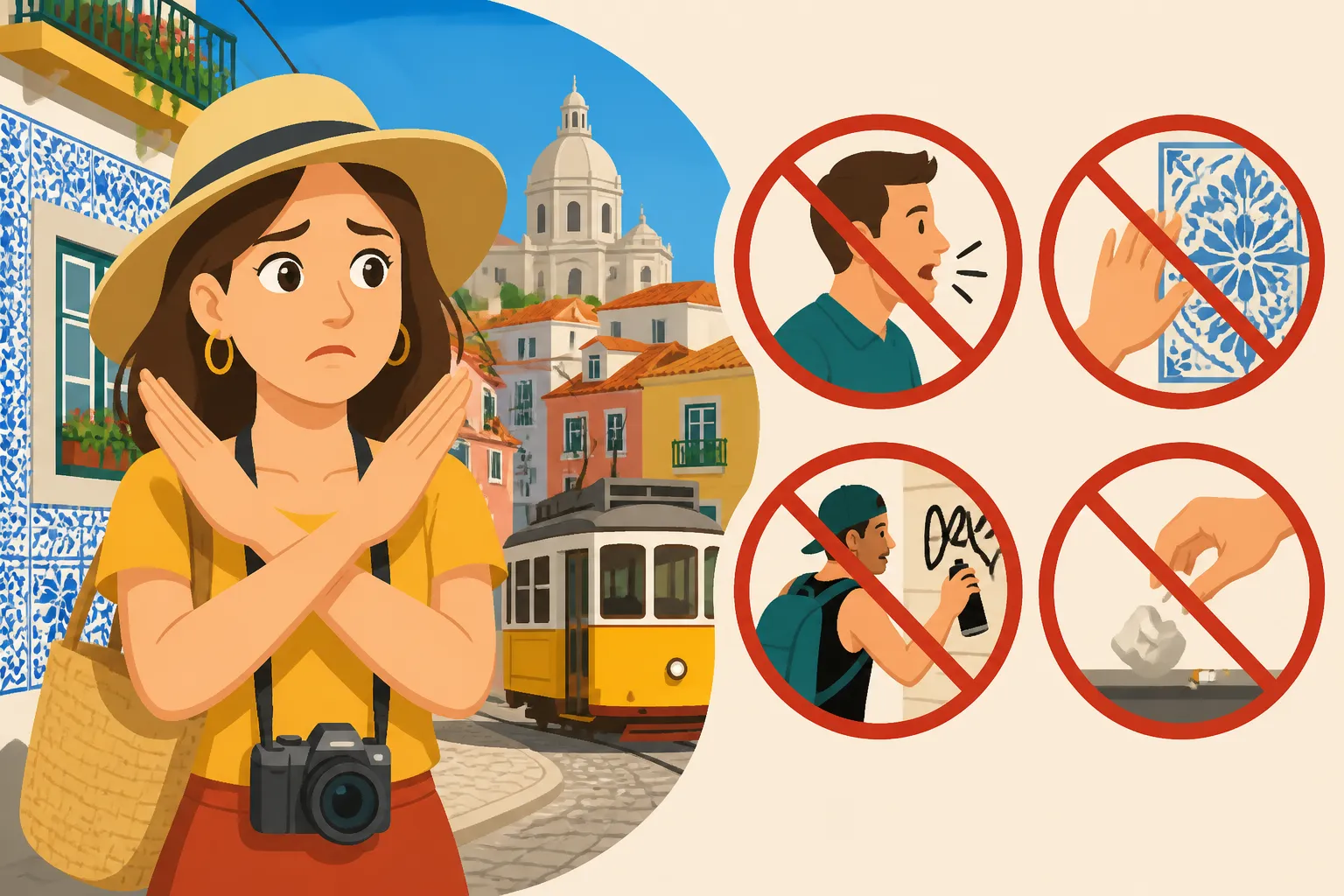
Another thing to be mindful of is your volume. Portuguese people are generally quite reserved in public spaces. Don't engage in loud conversations on public transport, in restaurants, or when walking through residential areas, especially late at night. What might be considered normal conversation volume in some cultures can be perceived as disruptive or even rude here. Keep your voice down, be conscious of those around you, and blend in a little. It makes a big difference.
Ignoring Local Schedules and Quiet Hours
Portugal operates on a slightly different rhythm, and trying to force your schedule onto it can lead to frustration. Don't expect everything to be open late, especially outside major city centers. Many smaller shops, businesses, and even some restaurants close for lunch, often between 1 PM and 3 PM, particularly in more traditional towns. This isn't a hard-and-fast rule everywhere, but it's common. Sundays and public holidays also see many businesses shut down completely.
Furthermore, don't plan important administrative tasks for August. Seriously, just don't. August is the traditional holiday month in Portugal, and many businesses, from local juntas de freguesia to small family-run shops, effectively shut down or operate with minimal staff. It's often dubbed the "The "August Shutdown": Why getting things done in summer is impossible". This applies to getting visas, bank appointments, or any paperwork that requires multiple steps. Embrace the slower pace, plan accordingly, and you'll avoid a lot of headaches.
Lastly, be mindful of quiet hours. If you're staying in an apartment, especially one that's not a dedicated tourist rental, remember that you'll have neighbors. Don't host loud parties or play music late into the night. The legal quiet hours (Lei do Ruído) are typically from 10 PM to 8 AM, and neighbors won't hesitate to make a complaint if you're being disruptive. Respect for shared spaces is paramount. Our guide on Quiet hours in Portuguese apartments (Lei do Ruído): Handling noisy neighbors can give you more details.
Avoiding Tourist Traps and Financial Faux Pas
Portugal is generally very safe and affordable, but like any popular destination, it has its share of common tourist traps and opportunities for visitors to overspend or fall prey to minor scams. Being aware of these can save you money and keep your travel experience positive.
Restaurant Sneakiness and Overpaying
Beyond the couvert mentioned earlier, some restaurants, particularly in highly touristy areas, might try to upsell you or present a bill with inflated prices. Don't just blindly accept a large platter of seafood or a bottle of expensive wine without confirming the price first. Always ask for a menu with prices visible, and if something seems off on your bill, don't hesitate to politely question it. Most legitimate establishments will clarify or correct any errors immediately.
Another common trick, especially around Lisbon's Rossio or Praça do Comércio, are the street vendors selling "tickets" for the famous Tram 28, often at inflated prices. Don't buy these. The only place to buy legitimate public transport tickets is at a metro station, a Carris (bus) ticket office, or directly from the driver (though often more expensive and not always available for passes). You can load a reusable Viva Viagem card with cash or a 24-hour pass. If you plan on using public transport extensively, getting a Navegante Pass (if staying longer term) or a daily pass is the most economical way.
Scams, Pickpockets, and Illegal Offers
Lisbon, especially around popular spots like Alfama, Bairro Alto, and the Rossio area, is notorious for pickpockets. Don't carry your wallet in your back pocket or leave your phone easily accessible in an open bag. Be extra vigilant on crowded trams, buses (especially the historic Tram 28), and in busy squares. Keep your bags zipped and in front of you. It's a sad reality, but a few quick hands can ruin an otherwise perfect day. Our guide, Common tourist scams in Lisbon: Pickpockets on Tram 28 and fake hash sellers, covers this in detail.
Another "don't" is interacting with the persistent street sellers offering "hashish" or other illicit substances. Don't buy anything from them. These are often scams, with the "product" being fake or low quality, and more importantly, it's illegal. Engaging with them can also make you a target for more serious trouble. Just politely but firmly say "Não, obrigado" and keep walking. They're usually harmless if ignored.
When booking tours or activities, stick to reputable operators. While a friendly local offering an impromptu tour might seem charming, ensure they are legitimate and licensed. Websites like GetYourGuide offer a wide range of verified experiences, giving you peace of mind and often better prices than street offers. Similarly, for accommodations, using trusted platforms like Booking.com is always the safest bet, offering clear pricing, reviews, and secure payment options.
Navigating Transport: Don't Get Stuck or Fined
Getting around Portugal is generally straightforward, but there are a few things to avoid to ensure smooth travels, whether you're behind the wheel or using public transport.
Driving Dilemmas: Tolls, Parking, and Alcohol
If you're planning to rent a car and drive, do your homework on the toll system. Don't assume all tolls can be paid in cash. Many highways, especially the SCUT roads (Sem Custo para o Utilizador – formerly "no cost to the user"), use electronic-only tolls. If your rental car doesn't come equipped with a transponder (like a Via Verde device), you'll need to figure out how to pay online or at a post office/Payshop after the fact. Ignoring these can lead to hefty fines that catch up with you later. Make sure your rental company explains exactly how tolls work, or you'll find yourself regretting not getting that transponder. For more information on the nuances of this system, read our guide on Navigating the Portuguese Toll System: Via Verde and Electronic Tolls.
Parking in cities like Lisbon and Porto is another challenge. Don't park illegally, even "just for a minute." Fines are common, and your car could even be towed. Look for designated parking garages or street parking with meters. Always check the signs carefully, as restrictions can change depending on the time of day or day of the week.
And this should go without saying, but it's important to reiterate: Don't drink and drive. Portugal has strict drunk driving laws, and enforcement is quite visible, especially on weekends and around holiday periods. The legal blood alcohol content (BAC) limit is 0.05%, which is lower than in many other countries. Taxis, Ubers, Bolts, and public transport are readily available, so there's simply no excuse to put yourself or others at risk. When considering ride-hailing, you might wonder Using Bolt vs Uber in Portugal: Which ride-hailing app is cheaper?.
Public Transport Puzzlers: Validation and Schedules
When using buses, metros, or trams, don't forget to validate your ticket or pass every single time you enter a station or board a vehicle. Even if the barrier is open or you've already bought a ticket, failure to validate can result in a fine if inspectors come aboard. It's not about proving you have a ticket; it's about proving you activated it for that specific journey. This is crucial for systems like the Lisbon Metro and Porto's Andante network.
While generally efficient in major cities, don't assume public transport will always run exactly on schedule, especially outside rush hour or on weekends. Buses can be delayed, and sometimes a tram might just… not show up. Don't plan your day with super tight connections if you have an important appointment. Build in a buffer, especially if you're traveling across town. For longer journeys, Omio can be a lifesaver for checking train and bus schedules and booking tickets in advance, providing a clearer picture of journey times and potential delays. For more specific details on intercity travel, our article on Using Comboios de Portugal (CP) Trains and the Navegante Pass is a great resource.
| Common Portuguese Travel Mistake | What NOT to Do | What TO Do Instead |
|---|---|---|
| Dining | Consume the couvert if you don't want to pay for it. Expect large tips. | Politely decline the couvert if undesired. Round up the bill or leave ~5-10% for good service. |
| Coffee | Order a "latte" or "Americano" in a pastelaria. | Order a bica, galão, or meia de leite. Drink quickly. |
| Language | Assume everyone speaks fluent English. | Learn basic Portuguese phrases; ask "Fala inglês?" first. |
| Volume | Speak loudly in public spaces or late at night. | Keep conversations subdued, especially on public transport. |
| Shopping/Admin Hours | Expect all shops/offices to be open during lunch or in August. | Plan activities around local closing times; avoid August for bureaucracy. |
| Tolls | Drive on electronic toll roads without a transponder or payment plan. | Ensure your rental car has a Via Verde device or understand payment options. |
| Parking | Park illegally, even briefly, in city centers. | Use designated parking garages or metered street parking. |
| Drinking & Driving | Drive after consuming alcohol. | Use taxis, ride-hailing apps (Uber, Bolt), or public transport. |
| Public Transport | Forget to validate your ticket when boarding. | Validate your ticket every single time you enter/board. |
| Street Vendors | Buy "hashish" or tourist tat from pushy street vendors. | Politely decline and ignore; buy souvenirs from reputable shops. |
| Emergencies | Rely solely on your native emergency number. | Know and use 112 for all emergencies. |
| Valuables | Leave bags open or wallets in back pockets in crowded areas. | Keep bags zipped, in front of you; be aware of pickpockets on Tram 28. |
Health and Safety: Don't Overlook the Essentials
Your well-being is paramount, and while Portugal is a safe country, there are a few health and safety considerations that visitors often overlook.
Sun, Hydration, and Water Safety
"Oh, it's just a little sun!" is a common phrase that quickly turns into regret. Don't underestimate the Portuguese sun, especially in the summer months (June to September) or in the Algarve. Don't skip sunscreen, a hat, and sunglasses, even on seemingly cloudy days. Dehydration is a real risk if you're out exploring all day. Don't forget to carry a water bottle and refill it often. Tap water in Portugal is generally safe to drink across the country, so refilling is easy and environmentally friendly. Our article, Is it safe to drink tap water in Portugal? Water quality by region, provides more detailed information on local water quality. However, if you have a sensitive stomach, bottled water is always an option.
Emergency Procedures and Medical Needs
In a moment of panic, it's easy to freeze up or try to recall your home country's emergency number. Don't do that. Don't hesitate to call 112 for any emergency in Portugal – police, fire, or ambulance. The operators will often speak English, but speak slowly and clearly. Knowing this number is critical. For less urgent medical advice, or if you simply need to speak to a nurse, you can call SNS 24 at 808 24 24 24. While not directly aimed at tourists, it can offer guidance. If you experience a medical emergency, our guide on Emergency Medical Care in Portugal: Calling 112 and Going to the Hospital provides vital information.
Regarding medication, don't assume you can walk into a farmácia (pharmacy) and get any prescription drug you need without a doctor's note. While some over-the-counter medications are more readily available than in other countries, antibiotics and stronger drugs absolutely require a Portuguese prescription. If you're on specific medication, bring enough for your trip and carry your prescription. If you run out or need something specific, consult a local doctor or visit a pharmacy for advice. Pharmacies are easily identifiable by a green cross sign, and many have English-speaking staff. You can learn more in our detailed post about Pharmacies and Medication in Portugal: Prescriptions and OTC Drugs. It's always a good idea to have travel insurance that covers medical emergencies, especially if you're not an EU citizen with an EHIC card.
General Safety and Awareness
Portugal has a low crime rate overall, but don't become complacent, especially in crowded tourist areas. Don't leave your belongings unattended on a beach or at a cafe table. Don't walk alone late at night in unlit or unfamiliar areas, particularly if you've been drinking. Common sense goes a long way. Stay aware of your surroundings, trust your instincts, and keep an eye on your valuables. The goal is to relax and enjoy, but always with a healthy dose of caution.
Disclaimer
The information provided in this guide is intended for general informational purposes only and may not reflect the most current legal or administrative procedures in Portugal. While we strive to keep the information up-to-date, rules and regulations for expats and visitors can change frequently. We recommend consulting official government sources, legal professionals, or immigration experts for the most accurate and personalized advice regarding your specific situation in Portugal.