Faro and the Algarve’s Towns: A City Guide
Disclosure: This article contains affiliate links. If you buy through them, we may earn a commission at no extra cost to you. Read our full disclosure.
Landing in Faro and immediately hopping on a shuttle to a gated resort is perhaps the single biggest mistake I see newcomers make when arriving in southern Portugal. You miss the grit, the history, and the authentic "tuga" lifestyle that exists just outside the airport fence. This guide meticulously breaks down the Algarve’s most iconic towns to help you decide where to plant your roots or spend your holiday.
Faro: The Gateway and Underrated Hub
Most people treat Faro as nothing more than a transit point, a place to collect a rental car and leave. As someone who has spent years navigating the administrative labyrinth of the south, I can tell you that Faro is the heart of the region's "real" life. It is where the hospitals are, where the university hums with energy, and where you can actually find a hardware store open when the tourist shops in the resort towns have long since closed.
The Old Town and Medieval Charm
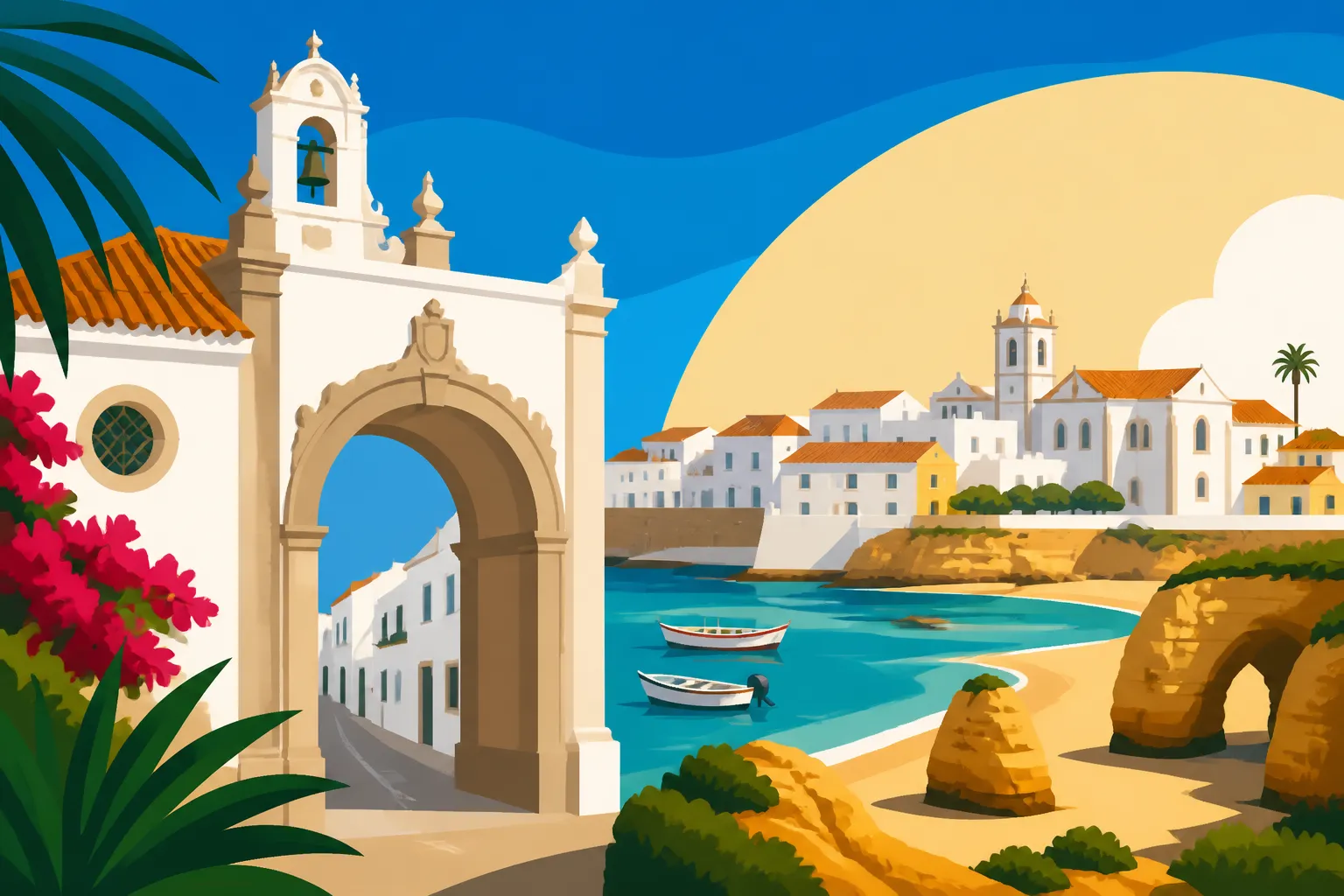
The Cidade Velha (Old Town) of Faro is entered through the Arco da Vila, a neo-classical gate where storks frequently build massive, messy nests. Walking these cobblestone streets feels like stepping back into a Portugal that hasn't quite realized it’s a global tourism powerhouse. You’ll find the Sé (Cathedral) standing in a square lined with orange trees; if you climb the bell tower, you get a view of the Ria Formosa that simply cannot be beaten. It’s quiet, even in the height of July, compared to the madness of the central Algarve resorts.
Living near the Old Town means accepting the reality of older buildings. You might find a beautiful apartment with high ceilings, but it is wise to check the insulation. Many of these historic gems are glorious in the summer but can become damp, cold boxes during the rainy winter months. If you are looking for long-term stays, Booking.com often has serviced apartments in this area that let you test the "winter mold" theory before signing a long-term lease.
Ria Formosa Nature Park
Faro doesn’t have a beach you can walk to from the center; instead, it has the Ria Formosa, a labyrinth of lagoons and islands. To get to the sand, you have to take a ferry or a small boat. This barrier island system protects the city from the Atlantic’s full force and creates a unique ecosystem of salt pans and marshes. It’s a birdwatcher’s paradise, but for the average expat, it’s about the "Ilhas"—Ilha Deserta or Ilha do Farol.
Taking a boat through these channels is a meditative experience. Visitors often consider using GetYourGuide to find a local skipper who can explain the seahorse conservation efforts in the lagoon. For those living here, the Ria is your backyard. It’s where you go for a Sunday run or to buy fresh clams from the local fishermen who have worked these waters for generations. It’s a stark contrast to the manicured golf courses just twenty minutes down the road.
Living and Working in Faro
If you are a digital nomad or an expat looking for a community that isn't 100% retirees, Faro is your best bet in the Algarve. Because of the University of the Algarve, there is a year-round population of young people, which keeps the bars and cafes lively even in January. The "August Shutdown" is less felt here because the city serves the locals first and the tourists second.
Navigating the local bureaucracy here is also slightly more straightforward than in the smaller villages. The main offices for AIMA and the Social Security services are located here. While you might still face the legendary Portuguese wait times, at least you aren't driving an hour into the city to fix a paperwork error. You can find more details on the logistics of staying here in our guide on AIMA Portugal: Navigating the New Immigration Agency and Residence Permits.
Central Algarve: Vilamoura, Quarteira, and Albufeira
Moving west from Faro, the landscape changes from salt marshes to the red-sand cliffs and turquoise waters most people associate with the Algarve. This is the "Golden Triangle," where the wealth is concentrated and the infrastructure is at its most polished. It’s a land of contrasts, where high-end marinas sit right next to traditional Portuguese fish markets.
Albufeira: The Party Heart and Old World Charm
Albufeira is a tale of two cities. There is "The Strip" in Montechoro, which is a neon-lit gauntlet of bars and clubs that I personally avoid like the plague during the summer months. Then, there is the Old Town, which manages to maintain its whitewashed beauty despite the millions of feet that tread its paths. If you are a fan of nightlife and want to be where the action is, Albufeira is the undisputed king.
However, the reality of living in Albufeira is the seasonal swing. In the summer, finding a parking spot is a Herculean task, and the noise levels can be significant. In the winter, the town doesn't "die" like some smaller villages, but it definitely catches its breath. For those moving with families, the outskirts like Olhos de Água offer a more balanced pace. If you are considering this area, you should definitely read up on the Cost of living in the Algarve: Winter vs Summer price differences for expats to understand how your budget will fluctuate.
Vilamoura: Luxury Living and Golf
Vilamoura isn't really a traditional Portuguese town; it’s a purpose-built resort. It is centered around a massive marina filled with yachts that cost more than most of us will earn in a lifetime. It is impeccably clean, the grass is always green, and the bike paths are the best in the country. For many expats, particularly those from the UK or the US, this provides a level of comfort and familiarity that makes the transition to Portugal much easier.
The downside is the "bubble" effect. You can live in Vilamoura for a year and barely speak a word of Portuguese because everyone—from the waiter to the pharmacist—speaks perfect English. It is expensive, and the property prices reflect the manicured surroundings. It’s a great place for golf enthusiasts, but if you want to feel the "soul" of Portugal, you’ll need to drive ten minutes inland to Loulé. We compare these vibes further in The Algarve for Expats: Lagos, Faro, and Tavira Compared.
The Cave of Benagil and Coastal Hiking
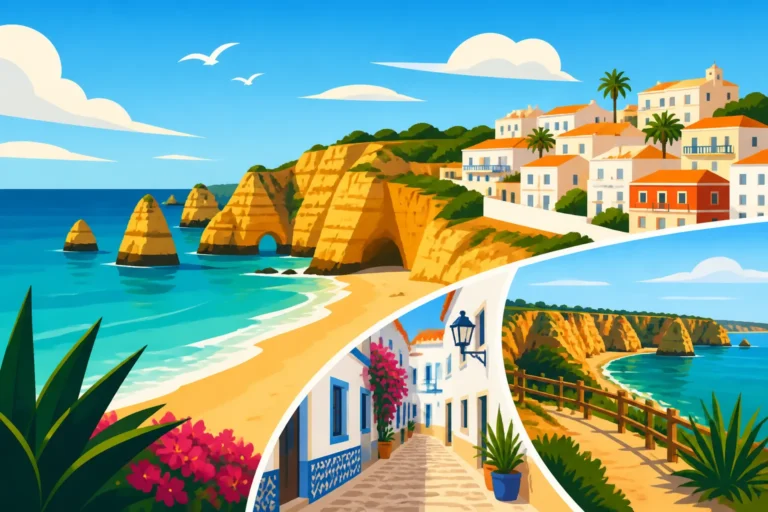
Just a short drive from the central hubs lies the famous Benagil Cave. This sea cave with a hole in its roof has become the "Instagram face" of Portugal. While it is undeniably beautiful, the sheer volume of tourists can be overwhelming. My advice? Go early, or better yet, go in the shoulder season like October or May.
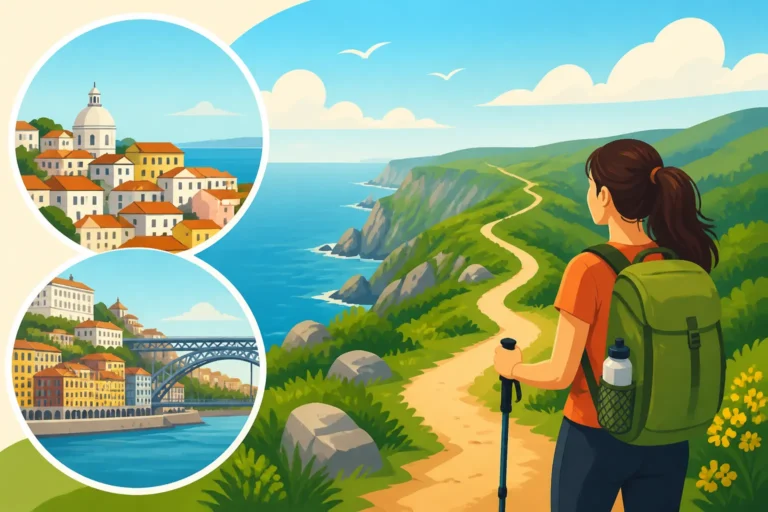
To see the caves, most people book boat tours. You can find various options on GetYourGuide, which often include stops at hidden beaches only accessible by water. If you prefer to stay on land, the "Seven Hanging Valleys" trail offers some of the most dramatic cliff-top views in Europe. It’s a rugged, dusty hike that reminds you of the wildness that existed here before the five-star hotels arrived.
Western Algarve: Lagos and Sagres
The Western Algarve is where the wind picks up and the vibe slows down. This is the land of surfers, van-lifers, and expats who prefer a more bohemian lifestyle. The cliffs here are more dramatic, the water is a bit colder, and the sunsets feel like they belong on another planet.
Lagos: The Expat Favorite
Lagos is arguably the most well-rounded town in the Algarve. It has a rich history (it was the starting point for many of the "Discoveries"), a stunning coastline featuring the Ponta da Piedade, and a vibrant, year-round international community. Unlike the Central Algarve, Lagos feels like a town that people actually live in, rather than just visit.
The rental market in Lagos is incredibly tight. If you’re looking for a long-term home, be prepared to act fast and have your NIF and paperwork ready. It is often suggested that people start their search on Booking.com for a short-term rental while they pound the pavement looking for "For Rent" signs in windows, as the best deals often never make it to the major websites. If you are looking at more remote options nearby, check our thoughts on Living in rural Portugal: How far is the nearest hospital usually?.
Sagres: The End of the World
Sagres is as far west as you can go before you hit nothing but Atlantic Ocean until America. It is windswept, rugged, and profoundly quiet. There is a fortress, a few surf shops, and a handful of restaurants serving the freshest percebes (barnacles) you will ever taste. It’s not a place for everyone; the wind can be relentless, and the isolation is real.
For those who crave the outdoors, Sagres is paradise. It’s the gateway to the Costa Vicentina, a protected natural park that stretches up the western coast. There are no high-rise hotels here, only rolling dunes and hidden coves. If you are coming from Lisbon or Porto, I recommend using Omio to book a bus down to Lagos and then renting a car for the final leg to Sagres, as public transport this far west can be "relaxed," to put it politely.
Surfing Culture and Lifestyle
The west is defined by its surf. Whether it’s the gentle waves of Praia da Luz or the monster swells at Tonel, the rhythm of life here is dictated by the tide and the wind. This has drawn a younger, more active expat crowd. You’ll find organic cafes, yoga studios, and co-working spaces tucked into old cobblestone streets.
This lifestyle comes with its own set of challenges, particularly the "seasonal ghost town" effect in the smaller villages around Sagres. However, for many, the trade-off is worth it. The air is cleaner, the pace is slower, and there is a sense of freedom that you don't always find in the more developed parts of the coast. For families moving here, checking out Public Schools vs International Schools in Portugal: Costs and Curriculums is a vital step in the planning process.
Eastern Algarve: Tavira and Olhão
The East is the "forgotten" Algarve, and that is exactly why people love it. It is flatter, warmer, and significantly more traditional. The beaches here are massive sandspits reached by ferry, and the architecture feels more influenced by the proximity to North Africa, with flat roofs and intricate tile work.
Tavira: The Roman Bridge and Island Beaches
Tavira is often cited as the most beautiful town in the Algarve, and it’s hard to argue. A Roman bridge spans the Gilão River, and the town is filled with churches (some say there are 37). It’s a sophisticated town that attracts a quieter, more culturally-minded expat. It’s the kind of place where you spend your afternoon sitting in a garden reading or watching the salt pans.
The beach, Ilha de Tavira, is a massive stretch of white sand that feels endless. You have to take a small ferry to get there, which keeps the crowds manageable. The eastern Algarve also benefits from slightly warmer water temperatures than the west, thanks to its proximity to the Mediterranean. It’s a perfect spot for those looking for a peaceful retirement or a slow-paced family life. You might find our guide on Senior Care in Portugal: In-home Nursing, Care Homes, and Accessibility useful if you are planning for the long term here.
Olhão: The Authentic Fishing Hub
Olhão is the "rebel" of the Algarve. It doesn't have the polished charm of Tavira or the luxury of Vilamoura. It is a working fishing port, famous for its red brick market buildings and its square, Moorish-style houses. For a long time, it was overlooked, but in recent years, it has become a hotspot for artists and expats who want something "edgy" and authentic.
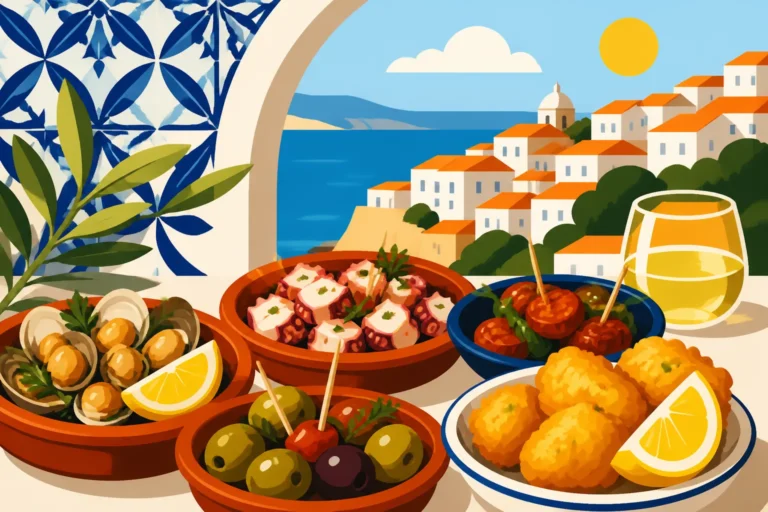
Eating in Olhão is a religious experience if you love seafood. The fish market is one of the best in the country, and the surrounding tascas serve up grilled sardines and arroz de marisco that will ruin all other seafood for you. It’s a gritty, salt-of-the-earth place that rewards those who look past the occasionally peeling paint. If you're coming from the Spanish border, Omio has great train connections that drop you right near the heart of the town.
Finding Peace in the East
The East is where you go to escape the "Algarve" that you see in the brochures. It’s where you can still find a coffee for under a Euro and where the neighbors will actually stop to talk to you in the street. The community is tight-knit, and while the "expats" are here, they tend to integrate more deeply into the local fabric.
The logistical downside is that you are further from Faro airport (though still only about 30-40 minutes) and the major private hospitals. However, the public health centers in the east are generally less overwhelmed than those in the central tourist corridor. If you're managing health issues, you should definitely read Managing Chronic Illnesses: Diabetes and Hypertension Care in Portugal to understand how the local system can support you.
Algarve Town Comparison Table
| Town | Vibe | Best For | Main Draw |
|---|---|---|---|
| Faro | Authentic & Busy | Digital Nomads & Students | Ria Formosa & History |
| Albufeira | Energetic & Touristic | Nightlife & First-Timers | Stunning Beaches |
| Vilamoura | Luxury & Manicured | Golfers & Retirees | The Marina |
| Lagos | Bohemian & Historic | Active Expats & Surfers | Ponta da Piedade |
| Tavira | Peaceful & Traditional | Culture Seekers | Architecture & Island Beaches |
| Sagres | Wild & Rugged | Surfers & Solitude | The "End of the World" |
Getting Around and Practical Tips
The Algarve is deceptively large. While you can drive from one end to the other in about two and a half hours, the local character changes every few kilometers. Navigating this requires a bit of planning, especially if you want to avoid the high cost of car rentals in the peak season.
Transport Options: Train vs. Car
The "Linha do Algarve" is a single-track railway that connects Lagos in the west to Vila Real de Santo António in the east. It’s charming, slow, and relatively cheap. However, it doesn’t always go near the actual town centers or the beaches. For moving between major hubs like Faro and Lagos, Omio is an excellent tool for comparing the train times against the faster (but less frequent) bus routes.
If you plan on living here or exploring the hidden beaches, a car is almost mandatory. The A22 highway (the Infante) runs the length of the region and has been toll-free since 1 January 2025. Some other motorways in Portugal still charge tolls, a few of them electronically only, so a Via Verde transponder is still handy if you drive further afield. We go into much more detail on this in Navigating the Portuguese Toll System: Via Verde and Electronic Tolls.
Best Time to Visit and Seasonal Shifts
The "Best" time is subjective. If you love 35-degree heat and a buzzing atmosphere, July and August are your months. However, be warned: the Algarve’s population triples during this time. Services are strained, and the "friendly" Portuguese patience can wear thin under the heat and the crowds.
My personal favorite time is the "Shoulder Season"—May, June, September, and October. The water is warm enough to swim, the restaurants aren't fully booked, and the hiking trails are spectacular. Winter is beautiful for its light and tranquility, but as I mentioned before, you need to ensure your accommodation has a heating plan. Many people moving here underestimate the dampness of a Portuguese winter. For a better understanding of how to prepare for your first few weeks, look at our Health checklist for your first 30 days living in Portugal as an expat.
Disclaimer
The information provided in this guide is for informational purposes only and reflects the personal experiences and observations of the author. Travel conditions, local laws, and administrative procedures in Portugal can change frequently. Always verify current requirements with official government sources or qualified legal professionals before making significant life changes or travel arrangements. Information regarding specific brands or services is based on current market availability and does not constitute a legal endorsement.