Health checklist for your first 30 days living in Portugal as an expat
Moving to Portugal often feels like a whirlwind of beautiful tiled facades and endless custard tarts, but the "administrative hangover" usually hits during your first month. I remember sitting on a plastic chair in a crowded health center for three hours just to realize I didn't have the right stamp on my residency paper. This guide solves the confusion by providing a step-by-step health checklist to ensure you are fully protected and registered within your first 30 days.
Securing Your Foundation: The Número de Utente
The very first item on your list, arguably more important than finding your favorite local bakery, is obtaining your Número de Utente. This is your national health identification number, and without it, you are essentially invisible to the public healthcare system. While you might have private insurance, this number is what allows you to access life-saving public emergency services and subsidized prescriptions that can cost pennies compared to what you might be used to back home.
How to Register at the Centro de Saúde
In your first week, you need to identify your local Centro de Saúde (health center) based on your registered address. You cannot just pick the one with the shortest lines; the system is strictly geographical. You will need to bring your NIF (tax number), your residence permit (or proof that you have applied for one), and your Atestado de Morada (proof of address from the local parish). I’ve spent many mornings waiting outside these centers before they open at 8:00 AM, and my best advice is to bring a book and plenty of patience.
Once you reach the desk, explain that you need to register for your user number. In some modern areas, you might be able to find out How to get your Número de Utente online without visiting the health center through the SNS portal, but for most fresh arrivals, an in-person visit is the standard rite of passage. If you don't speak Portuguese yet, have a translation app ready, though many administrative staff in cities like Lisbon or Porto will understand the basics of "Número de Utente, por favor."
Dealing with the Family Doctor Shortage
After you get your number, don't be surprised if the clerk tells you that you don't have a Médico de Família (Family Doctor). This is a common frustration for foreigners and locals alike. Currently, there is a significant backlog, and you might be placed on a waiting list that lasts months or even years. This is precisely Why does my Centro de Saúde say they have no Médico de Família available?—there simply aren't enough doctors to go around in the public sector for the growing population.
However, being "listless" doesn't mean you can't get care. If you feel ill, you can still go to your assigned health center and request a "consulta aberta" (open consultation). These are same-day appointments for people without a family doctor. It requires showing up very early to snag a slot, but it ensures you stay within the public system for routine issues. For those who want more immediate, consistent care, looking into Finding an English-Speaking General Practitioner (Médico de Família) in the private sector is usually the next logical step.
Navigating the Hybrid System: Public vs Private
Portugal operates on a hybrid model. The public system (SNS) is excellent for emergencies, chronic conditions, and maternity care, while the private system is where most expats go for specialists, shorter wait times, and elective procedures. During your first 30 days, you need to decide how you will balance these two.
When to Rely on the SNS
Understanding Portugal's National Health Service (SNS): How the Public System Works is vital for your peace of mind. If you have a major accident or a serious health scare, the public hospitals are where you want to be. They have the best equipment and the most specialized trauma teams. Even as a foreigner, once you are a resident and have your number, the costs are minimal. You might pay a small "taxa moderadora" (co-payment), though many of these fees have been abolished recently to make the system more accessible.
Newcomers are often advised to keep their SNS number in their wallet at all times. In an emergency, the ambulance will take you to the nearest public hospital, not a private clinic. For those who travel frequently or want an extra layer of protection that bridges the gap between countries, a plan from Cigna Global can be a lifesaver, as it often covers you both in Portugal and when you are visiting family back home.
Setting Up Private Coverage
If you want to see a dermatologist, a gynecologist, or an orthopedist without waiting six months, you will need private insurance. Most expats sign up for a local plan like Médis or Multicare, but these often have "carência" (waiting periods). During your first month, you should compare Private Health Insurance in Portugal: Costs, Coverage, and Best Providers to see which fits your budget.
If you prefer a more international approach with English-speaking customer service that understands the nomad lifestyle, Cigna Global is a top-tier choice. Having this setup early means you can start booking appointments at Hospital da Luz and CUF: Navigating Portugal's Biggest Private Hospitals almost immediately. These facilities feel more like five-star hotels than clinics, and you can usually book everything through an app on your phone.
The Pharmacy and Medication Transition
The way pharmacies work in Portugal is likely different from your home country. You won't find aisles of aspirin and cold medicine in a supermarket; almost everything is held behind the counter at a Farmácia.
Understanding the Green Cross
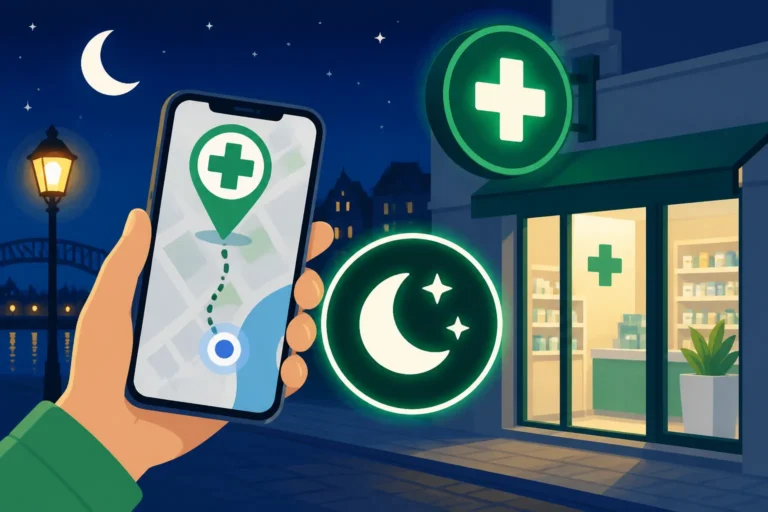
In your first 30 days, locate the pharmacy nearest to your house. Look for the neon green cross. These are highly regulated hubs of medical advice. Pharmacists in Portugal are highly trained and can often give you advice for minor ailments, saving you a trip to the doctor. They can even perform basic health checks like blood pressure or glucose monitoring.
One thing that catches people off guard is Buying Ibuprofen or Paracetamol in Portugal: Why it's behind the counter. Even basic painkillers require you to speak to the pharmacist. You can buy "over-the-counter" versions, but they are often kept in small quantities. For specific high-quality vitamins or supplements that you might be used to getting in the US or UK, many of us rely on iHerb to ship directly to Portugal. Using iHerb ensures you don't have to compromise on the brands you trust while you are still figuring out the local equivalents.
Managing Your Prescriptions
If you brought medication from home, you need to know that your foreign prescriptions might not be valid forever. Within your first month, take your existing boxes to a local doctor to have them converted into the Portuguese electronic system. This is crucial because Antibiotics rules in Portugal: Why you absolutely need a doctor's prescription are very strict. You cannot "sweet talk" a pharmacist into giving you medication without that digital record attached to your Número de Utente.
I learned the hard way that running out of a chronic medication on a Sunday is a nightmare. Always check which Farmácia de Serviço (on-duty pharmacy) is open in your neighborhood after hours. Every pharmacy window will have a list of which nearby location is open 24/7 for emergencies.
Emergency Protocols and Preventive Setup
The final piece of your 30-day checklist is knowing exactly what to do when things go wrong and how to stay healthy so they don't.
Using the SNS 24 Helpline
Before you rush to the emergency room for a fever or a strange rash, you should call the SNS 24 Helpline (808 24 24 24): Triage, Advice, and Sick Notes. This is a brilliant service staffed by nurses who speak English. They will triage your symptoms and tell you whether you should stay home, go to a health center, or head to the hospital. If they think you need an appointment, they can often book it for you or send a referral directly to your phone. It saves you hours of waiting in a triage room and is one of the most efficient parts of the Portuguese system.
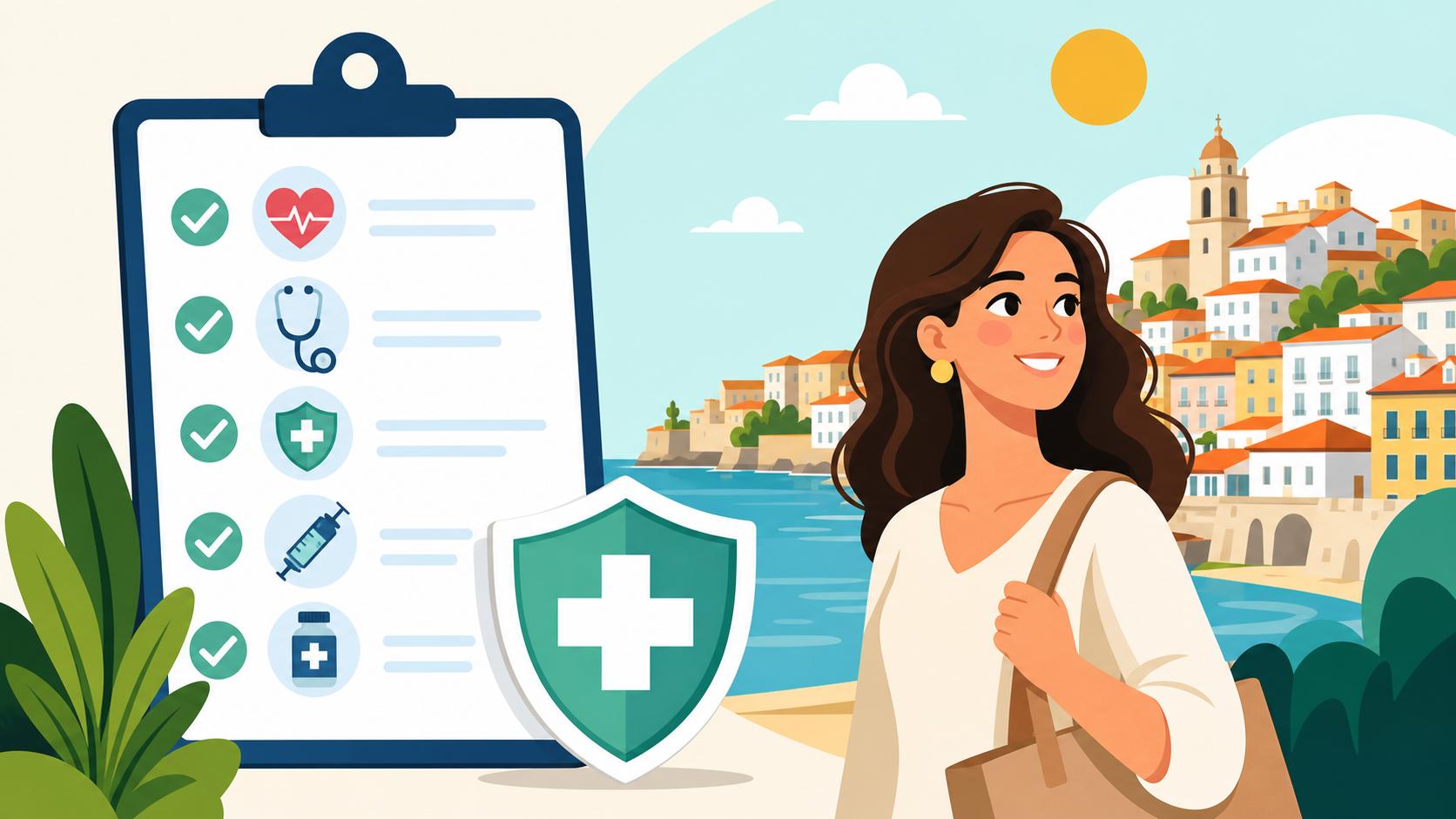
Your 30-Day Health Checklist Summary
| Task | Priority | Documents Needed | Location |
|---|---|---|---|
| Obtain Número de Utente | Critical | NIF, Residence Permit, Proof of Address | Local Centro de Saúde |
| Register for SNS 24 Portal | High | Número de Utente, Phone Number | Online (SNS Website) |
| Secure Private Insurance | High | Passport, Bank Details | Cigna Global or local provider |
| Convert Home Prescriptions | Medium | Existing Meds, Passport | Private GP or Centro de Saúde |
| Locate Emergency Hospital | Medium | N/A | Nearest Public "Urgências" |
| Order Home Supplements | Low | N/A | iHerb Online |
Establishing a Specialist Network
Don't wait until you have a toothache to find a dentist. Use your first month to vet Dental Care in Portugal: Costs, Clinics, and Private Insurance Add-ons. The private dental system in Portugal is exceptionally high-quality and very affordable compared to North America. Similarly, if you have specific needs, start Finding Doctors and Specialists in Portugal: English-Speaking Medical Care now. Many doctors work in the public system in the morning and private clinics in the afternoon, so you are often getting the same expert regardless of the building you are in.
Setting these connections up early means that by day 31, you aren't just a tourist in a new country; you are a resident with a safety net. Whether it’s getting your first order of familiar vitamins from iHerb or knowing that your Cigna Global policy is active and ready, these small steps eliminate the "expat anxiety" that often comes with a move.
Disclaimer
The information provided in this guide is for informational purposes only and does not constitute professional medical or legal advice. Healthcare regulations and immigration requirements in Portugal are subject to change. Always consult with the official SNS authorities, a qualified legal professional, or a certified insurance broker before making significant decisions regarding your health coverage or residency status. The author is an expat sharing personal experiences and research, not a government official.