Buying Ibuprofen or Paracetamol in Portugal: Why it’s behind the counter
You’re standing in the middle of a massive Continente supermarket, nursing a splitting headache, and you realize with growing panic that there isn't a single bottle of Advil or Tylenol on the shelves. I remember my first week in Lisbon, wandering the aisles of Pingo Doce for twenty minutes before a kind employee told me I had to leave the store to find a pharmacy. This guide explains exactly why basic painkillers are kept behind the counter in Portugal and how you can navigate the local system without losing your mind.
The Cultural Shock of the Portuguese Pharmacy System
For many expats coming from the United States, the United Kingdom, or even Northern Europe, the first trip to a Portuguese pharmacy is a baffling experience. You are likely used to the "Costco model" of healthcare: walking into a warehouse-style store and picking up a 500-count bottle of Ibuprofen for less than ten dollars, right next to the laundry detergent. In Portugal, this is practically illegal. The sale of any medicinal product, even the most basic analgesics, is strictly regulated by a government body called Infarmed.
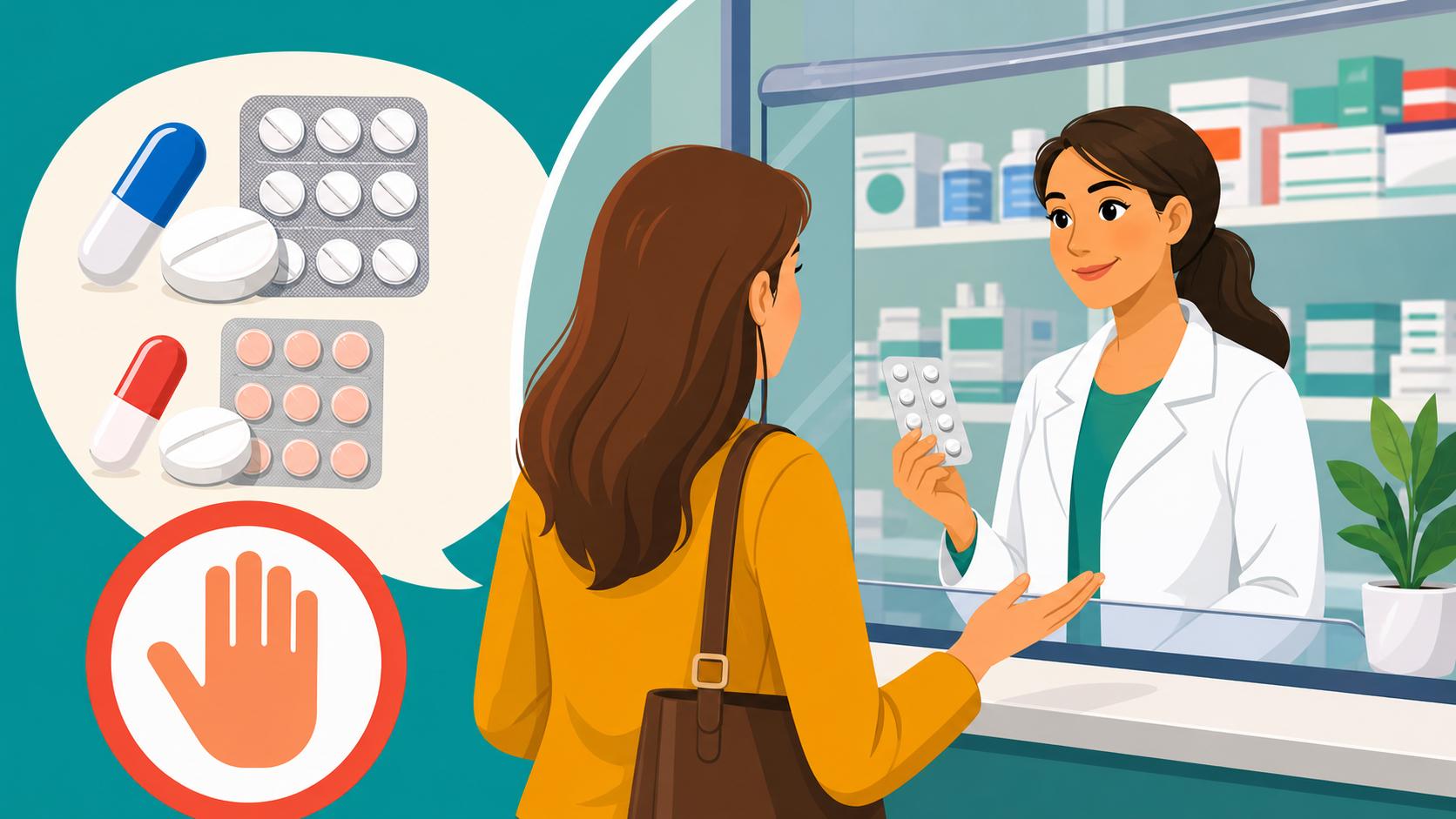
The most jarring realization is that medication is not self-service. You cannot simply grab a box of Paracetamol and take it to the checkout. You must wait in a queue, approach a glass counter, and speak directly to a pharmacist or a pharmacy technician. This isn't just a matter of tradition; it is a deeply ingrained safety philosophy. The Portuguese government views medication—even over-the-counter (OTC) options—as a chemical substance that requires professional oversight. They believe that by forcing a face-to-face interaction, they can prevent accidental overdoses, dangerous drug interactions, and the general culture of over-medication.
I’ve stood in line behind locals who were given a five-minute lecture by the pharmacist because they asked for a second box of Ibuprofen too soon after their last purchase. This level of gatekeeping can feel paternalistic, especially when you just want to go home and lie down in a dark room. However, once you understand that the pharmacist is actually part of your primary healthcare team, the system starts to make more sense. This transition is usually part of the broader Health checklist for your first 30 days living in Portugal as an expat that every newcomer should keep handy.
The MNSRM Classification Explained
In Portugal, Ibuprofen and Paracetamol fall into a category called MNSRM, which stands for Medicamentos Não Sujeitos a Receita Médica (Medicines Not Subject to a Medical Prescription). While the name implies they are "free for all," the reality is that they are still "pharmacy-only" or "specialized outlet-only" products. You won't find them next to the chewing gum.
This classification is the reason you can't find these drugs in every corner shop. A store must have a specific license to sell MNSRM, and even then, they must follow strict storage and display rules. For an expat, this means you need to be proactive. You can't rely on a late-night grocery run to fix a sudden toothache. You need to know the location of your nearest green cross, as detailed in our guide on Pharmacies (Farmácias) in Portugal: Green Crosses and After-Hours Service.
Why Packaging Size Matters
Another surprise for foreigners is the size of the packaging. In the US, you buy painkillers by the hundreds. In Portugal, the standard box of Paracetamol contains 10, 16, or perhaps 20 tablets. If you try to buy five boxes at once, the pharmacist will likely refuse or, at the very least, ask you a series of very pointed questions about why you need so much medication.
The logic here is two-fold: reducing the risk of suicide or accidental poisoning and ensuring that patients don't mask symptoms of a serious underlying condition for too long without seeking medical advice. If you have a chronic condition that requires daily pain management, the system expects you to be under a doctor's care rather than self-treating with massive quantities of OTC drugs. This is often a good time to ensure your Private Health Insurance in Portugal: Costs, Coverage, and Best Providers is up to date, as a specialist can give you a prescription for larger quantities or higher dosages that aren't available over the counter.
Meet Your New Best Friends: Ben-u-ron and Brufen
If you ask for "Tylenol" or "Advil" in a Portuguese pharmacy, the pharmacist will know what you mean, but they won't hand you those brands. Instead, they will introduce you to the local heavyweights: Ben-u-ron and Brufen. Understanding these brands is essential for anyone living here, as they are the cornerstone of the Portuguese home medicine cabinet.
Paracetamol (Ben-u-ron) the Portuguese Staple
Ben-u-ron is the most famous brand of Paracetamol in Portugal. It is so ubiquitous that it has almost become a "proprietary eponym," like Kleenex or Hoover. If a Portuguese person says they are going to "take a Ben-u-ron," they mean they are taking Paracetamol. It comes in various forms, including tablets, suppositories (very common for infants here), and syrups.
The standard adult dose sold over the counter is usually 500mg or 1g. However, be aware that 1g tablets are sometimes restricted or require a prescription depending on current Infarmed guidelines and the specific pharmacy’s policy. Paracetamol is the first line of defense for everything from a mild fever to a post-vaccination headache. It is also quite affordable, usually costing only a few euros per box. If you are ever confused about dosages, the SNS 24 Helpline (808 24 24 24): Triage, Advice, and Sick Notes is a fantastic resource where English-speaking nurses can guide you.
Ibuprofen (Brufen) and the Dosage Trap
Ibuprofen is most commonly sold under the brand name Brufen. Other common brands include Trifene and various generics. Here is where it gets tricky for expats: in many countries, 400mg or even 600mg Ibuprofen is sold over the counter. In Portugal, 600mg is almost always a prescription-only dosage. You can easily buy 200mg or 400mg tablets, but if you want the "heavy-duty" stuff, you’ll need to see a doctor.
This dosage restriction is a frequent point of frustration. I remember trying to explain to a pharmacist that back home I take 800mg for my back pain. He looked at me as if I were trying to buy nuclear secrets and insisted that if my pain was that bad, I needed to be in the Emergency Medical Care in Portugal: Calling 112 and Going to the Hospital system. It was a lesson in cultural expectations: the Portuguese are much more conservative with NSAIDs (Non-Steroidal Anti-Inflammatory Drugs) due to concerns over stomach irritation and kidney health.
| International Name | Portuguese Equivalent | Common OTC Dosage | Prescription Needed? |
|---|---|---|---|
| Tylenol / Panadol | Ben-u-ron (Paracetamol) | 500mg | No |
| Advil / Motrin | Brufen (Ibuprofen) | 200mg / 400mg | No (for these doses) |
| Advil / Motrin | Brufen (Ibuprofen) | 600mg | Yes |
| Aleve | Naproxeno | 250mg | Usually Yes |
| Aspirin | Aspirina | 500mg | No |
Navigating the Farmácia vs. the Parafarmácia
In Portugal, not all places that look like pharmacies are created equal. You will see the iconic neon green cross everywhere, but you will also see shops called "Espaço Saúde" or "Parafarmácia" inside supermarkets like Auchan or El Corte Inglés. Understanding the difference is vital for your health and your wallet.
The Green Cross: The Full-Service Farmácia
A true Farmácia (marked by a green cross) is a medical facility. They are the only ones allowed to dispense prescription medication. If you have a chronic illness and are Bringing Prescription Drugs to Portugal: Customs and Import Rules, the local Farmácia is where you will eventually go to refill your local versions of those prescriptions.
These pharmacies are staffed by highly trained pharmacists who can perform minor clinical tasks, such as cleaning a wound, giving an injection (if you have the medication and a prescription), or checking your blood pressure. They are an essential part of Portugal's National Health Service (SNS): How the Public System Works, acting as the first point of contact for many residents. Because they are so specialized, their staff almost always speak some level of English, especially in cities like Lisbon, Porto, and the Algarve.
The Parafarmácia: Convenience with Limits
A Parafarmácia is a "health space" that can sell MNSRM (like Ben-u-ron and Brufen) but cannot sell prescription drugs. These are often located inside malls or large supermarkets. They are great for grabbing some sunscreen, high-end skincare, or a pack of cough drops while you do your grocery shopping.
However, they are not pharmacies. If you have a prescription from your doctor at the Centro de Saúde after Registering with the Centro de Saúde: Getting Your SNS Número de Utente, a Parafarmácia cannot help you. They also tend to have slightly more limited stocks of the medicinal painkillers, focusing more on wellness and beauty products. For those who prefer specific organic or international brands of supplements that aren't common in Portuguese stores, many expats use iHerb to supplement what they find locally. iHerb is particularly useful for finding high-potency vitamins or specific brands of Ibuprofen-alternatives that don't always make it to the Portuguese shelves.
The Practicalities of the Purchase
When you finally step up to the counter, don't be surprised if the pharmacist asks you: "Is it for an adult or a child?" and "Do you have any allergies?" This is part of their legal duty. Even if you look like you know exactly what you’re doing, they are required to verify the safety of the sale.
Pricing and the Generic vs. Brand Name Debate
The cost of medication in Portugal is regulated by the state. You will notice that the price is often printed directly on the box, or there is a standardized price list. Unlike in the US, where prices can vary wildly between CVS and Walgreens, in Portugal, a box of Brufen will cost roughly the same in a tiny village in the Alentejo as it does in central Lisbon.
Pharmacists will often ask if you want the "Generico." These are significantly cheaper than brand names like Ben-u-ron and are bio-equivalent. I always opt for the generic to save a few euros, but some locals are fiercely loyal to the brand names. If you are using international coverage like Cigna Global, keep your receipts. While OTC painkillers are usually too cheap to hit a deductible, more significant medication purchases can be reimbursed depending on your policy. Cigna Global is particularly popular among the expat community for its ease of use when dealing with local pharmacy receipts and specialist referrals.
Finding Meds at 2 AM: The Farmácia de Serviço
Life doesn't always happen during business hours. If you need Paracetamol in the middle of the night, you need to find the Farmácia de Serviço. This is a rotating system where one pharmacy in a district stays open 24/7. You can find out which one is "on duty" by looking at the door of any pharmacy (they usually post a list) or checking the official SNS website.
Be prepared: when you visit a pharmacy at 3 AM, you won't be allowed inside. You will ring a bell, and a pharmacist will speak to you through a small security window or a drawer. There is also a small "after-hours" fee (usually around 2-5 euros) added to your purchase. This is all part of the unique experience of What is a Farmácia de Serviço and how to find one open at 2 AM.
Strategies for the Savvy Expat
Navigating the "behind the counter" rule becomes second nature after a few months, but there are ways to make it easier on yourself. First, never wait until your medicine cabinet is empty. Because you can only buy small quantities, you should always have an unopened box of Paracetamol and Ibuprofen as a backup.
Secondly, consider your alternatives. If you are looking for general wellness items, supplements, or specific natural remedies that aren't strictly "medicinal," you can find a much wider variety online. Many expats swear by iHerb for their "non-drug" health needs, as it ships to Portugal and offers brands that the local Parafarmácia simply won't stock. This saves you the trip to the counter for things like melatonin, Vitamin D, or specific probiotics.
Lastly, use the expertise of the pharmacist. If you have a minor ailment, they are often a faster and more efficient resource than waiting hours in an emergency room. They can recommend the best OTC creams for a rash or the most effective syrup for a dry cough. In fact, many expats find that the Finding Doctors and Specialists in Portugal: English-Speaking Medical Care process often begins with a simple recommendation from their local pharmacist.
A Note on Private Insurance and Wellness
While Ibuprofen is cheap, your overall health strategy in Portugal shouldn't be. Many expats find that while the public system is great for emergencies, having a private plan provides peace of mind for regular specialist visits and faster diagnostics. Using Cigna Global or Allianz for international expat healthcare in Portugal is a common choice because these providers understand the needs of people living between two cultures. They offer the flexibility that the local system sometimes lacks, especially when it comes to choosing your own English-speaking doctors.
Remember, the pharmacy system is designed to protect you, even if it feels like an obstacle. By embracing the slower, more consultative pace of Portuguese healthcare, you’ll find that you get much more than just a box of pills—you get a professional who knows your name and is looking out for your well-being.
Disclaimer
The information provided in this guide is for educational and informational purposes only and does not constitute professional medical advice. Always consult with a qualified healthcare provider or a licensed pharmacist in Portugal before taking any medication. The rules regarding medication classification and availability can change; always verify current regulations with Infarmed or the local authorities.