What to pack in a first-aid kit when moving to a rural Portuguese village
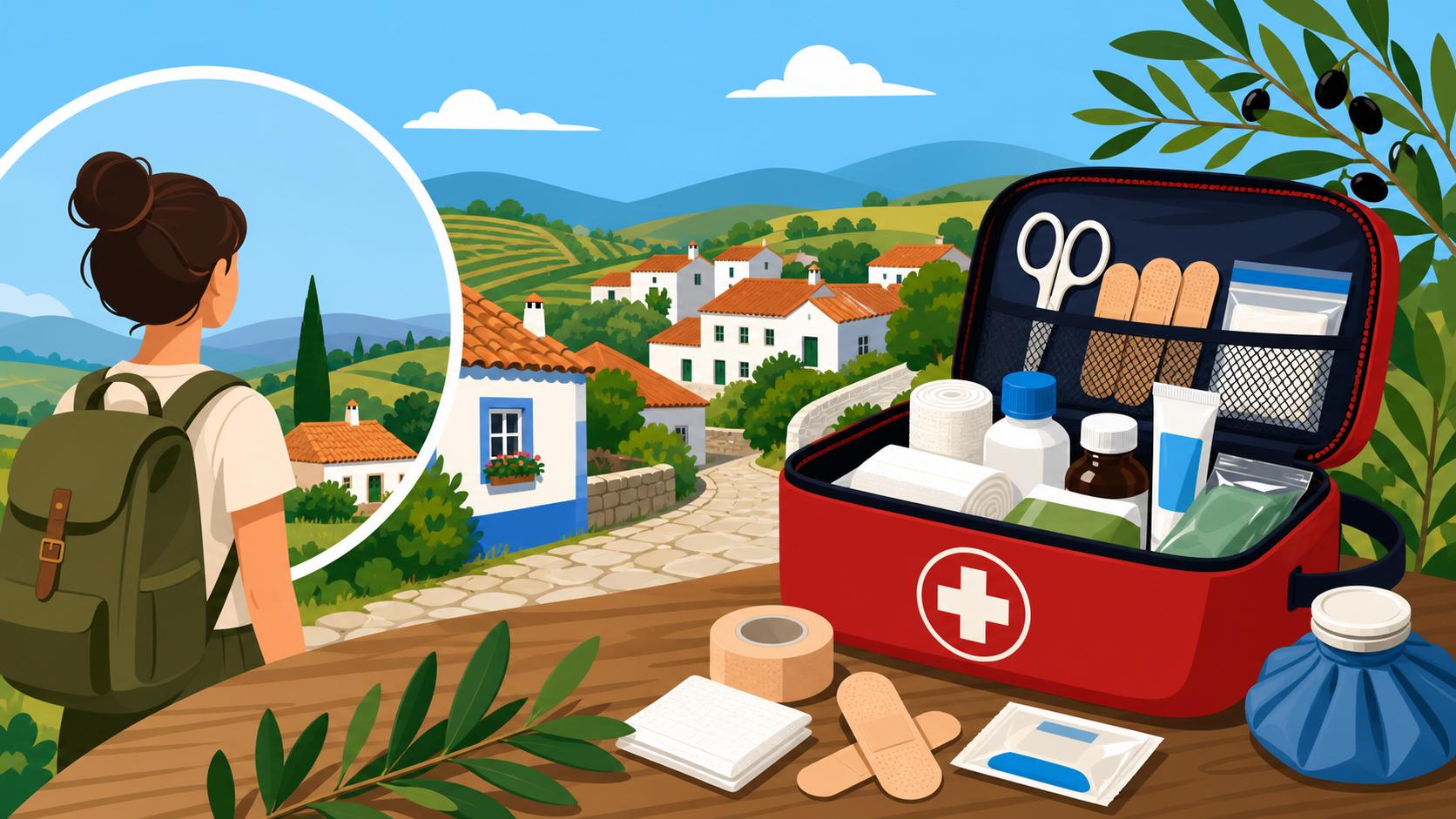
Trying to find a specific brand of antiseptic at 2 AM when your nearest neighbor is a kilometer away and the only pharmacy in the valley is shuttered for a local saint's day is a rite of passage no expat actually wants to experience. I still remember my first winter in a drafty stone house in the Alentejo, shivering with a fever and realizing my "first-aid kit" was just a half-empty pack of band-aids and some expired aspirin. This guide solves that vulnerability by outlining exactly what you need to stock to stay safe, healthy, and self-sufficient in rural Portugal.
The Reality of Healthcare in the Portuguese Aldeia
Living in a rural "aldeia" offers a level of peace that Lisbon or Porto simply cannot match, but it comes with a logistical trade-off. In the city, you are never more than five minutes from a Pharmacies (Farmácias) in Portugal: Green Crosses and After-Hours Service. In the countryside, "proximity" is a relative term. You might be a twenty-minute drive from the nearest town, and if that town is small, the local pharmacy might operate on a "Farmácia de Serviço" rotation, meaning it’s only open late once every few weeks.
The first hurdle is the physical environment. Rural Portugal is beautiful but rugged. You will be dealing with uneven "calçada" (cobblestone) paths, overgrown hiking trails, and potentially old houses with steep, narrow staircases. Scrapes, twisted ankles, and minor burns from wood-burning stoves are common. Furthermore, the Emergency Medical Care in Portugal: Calling 112 and Going to the Hospital system is excellent, but an ambulance could take significantly longer to reach a remote quinta than an apartment in Cascais. Being your own first responder for the first thirty minutes of any incident is not just a good idea; it is a necessity.
Another factor to consider is the limited inventory of rural shops. While most village "minimercados" carry basic toiletries, they rarely stock specialized medical supplies. You won’t find high-quality hydrocolloid bandages or specific electrolyte replacement salts next to the chouriço and bread. This is why many veterans of the rural lifestyle rely on services like iHerb to keep their cabinets stocked with specific international brands or supplements that aren't easily found in the Portuguese interior.
Essential Medications and the Prescription Gap
One of the biggest shocks for newcomers is Buying Ibuprofen or Paracetamol in Portugal: Why it's behind the counter. You cannot simply grab a 100-count bottle of painkillers from a supermarket shelf as you might in the US or UK. Every medicinal product is sold at the farmácia, and while many are over-the-counter (OTC), they are sold in small quantities and at higher price points.
The Basic Medicine Cabinet
Your kit should start with a deep supply of basics. Paracetamol (often sold as Ben-u-ron) and Ibuprofen (Brufen) are the gold standards here. However, don’t stop there. You should also include:
- Antihistamines: If you are moving during the spring, you will quickly discover that Allergy season in Portugal: Pine pollen and over-the-counter antihistamines is no joke. The yellow dust from pine trees covers everything, and a rural village surrounded by olive groves and wildflowers can be an absolute nightmare for allergy sufferers.
- Gastrointestinal Relief: Changes in water mineral content or a sudden increase in olive oil consumption can upset your system. Stock loperamide for emergencies and rehydration salts.
- Antiseptics: Betadine is the most common brand in Portugal, but having a supply of alcohol-free wipes is better for children or sensitive skin.
Navigating Prescriptions in the Interior
If you have a chronic condition, your first-aid kit must include at least a three-month buffer of your required medication. In rural areas, Finding an English-Speaking General Practitioner (Médico de Família) can be a long-term project. You might spend months on a waiting list at your local Centro de Saúde. While you wait, having a plan for your prescriptions is vital. Some expats use Cigna Global to maintain access to private specialists who can issue prescriptions that are recognized nationwide, bypassing the public sector backlogs.
In a pinch, you can also look into Telehealth and Online Doctors: Using TravelDoctores and Doctorsa. These services allow you to speak with an English-speaking doctor who can often send a digital prescription (via SMS or email) that you can take to any rural pharmacy. This is a lifesaver when you realize you’re down to your last two pills and the nearest public health center is overwhelmed.
Trauma and Wound Care for the Rugged Landscape
Living in the countryside usually involves manual labor, whether it’s pruning vines, clearing brush to prevent wildfires, or simply DIY-ing repairs on an old farmhouse. Your first-aid kit needs to reflect this "active" lifestyle. Standard "family" kits sold in supermarkets are often too flimsy for the types of injuries you'll encounter.
Heavy-Duty Bandaging
Skip the plastic bandages that fall off the moment you sweat. Invest in fabric bandages and butterfly closures for deeper cuts. Because you may be far from a clinic, you should also have:
- Sterile Gauze and Medical Tape: For larger abrasions that happen when you slip on mossy stones.
- Compression Bandages: Essential for the inevitable rolled ankle on uneven terrain.
- Burn Gel: If you are using a "recuperador de calor" (wood burner) for the first time, minor burns are almost guaranteed during the learning curve.
Ticks, Stings, and Bites
Portugal’s rural areas are home to a variety of "bichos." In the summer, ticks are prevalent in tall grass, especially if sheep or goats graze nearby. A dedicated tick removal tool is a must—don't rely on tweezers, which can leave the head embedded. You should also be prepared for the "Processionary Caterpillar." These larvae live in pine trees during the winter and descend in "caravans" in the spring. Their hairs are highly toxic and can cause severe allergic reactions in humans and are often fatal for dogs. Having an emergency antihistamine cream and a plan for Emergency Rooms (Urgências) in Portugal: Triage Colors and Wait Times is essential if you or a pet comes into contact with them.
| Category | Essential Item | Why You Need It in a Village |
|---|---|---|
| Pain/Fever | Paracetamol & Ibuprofen | Limited access to pharmacies after 7 PM. |
| Allergy | Cetirizine & Eye Drops | Intense pine and olive pollen seasons. |
| Wound Care | Fabric Bandages & Betadine | Rugged terrain and manual garden work. |
| Digestive | Rehydration Salts | High summer heat and changes in diet. |
| Specialized | Tick Tool & Burn Gel | Local pests and wood-stove usage. |
| Tech/Backup | SNS 24 Number & Digital Rx | Long distances to the nearest hospital. |
Specialized Items for the Portuguese Environment
The Portuguese climate presents unique health challenges that a standard first-aid kit won't cover. Most expats focus on the sun, but the dampness of a rural winter is often the bigger health threat.
Sun and Heat Management
The Alentejo and the Algarve can see temperatures north of 40°C for weeks at a time. Your kit should include high-SPF sunscreen, but more importantly, it should have high-quality electrolyte powders. Dehydration happens faster than you think when you’re out in the fields. I recommend stocking up on specialized hydration boosters through iHerb because the "isotonic" drinks in Portuguese supermarkets are often just sugar-water with very little actual mineral content.
The "Frio" and Mold Prevention
Portuguese country houses are notoriously poorly insulated. In the winter, the humidity inside a stone house can skyrocket, leading to respiratory issues and the rapid growth of black mold. While not strictly "first-aid," your health kit for the house should include a reliable hygrometer to monitor humidity and a good supply of saline nasal sprays to keep your sinuses clear in the damp air. If you find yourself struggling with a persistent cough due to the winter chill, you might need to consult the SNS 24 Helpline (808 24 24 24): Triage, Advice, and Sick Notes for advice on whether you need a clinic visit.
Navigating the System While Living Remotely
When you are living in a rural area, the "system" works differently than in the city. You need to be proactive. If a situation is beyond a bandage and an aspirin, you need to know exactly where to go. Do not assume the nearest "Centro de Saúde" has an emergency room. Most do not; they are for scheduled appointments. For true emergencies, you will likely need to drive to the nearest "Hospital Distrital."
It is a smart move to keep a printed list of Hospital da Luz and CUF: Navigating Portugal's Biggest Private Hospitals in your kit, even if the nearest one is an hour away. Many expats find that Private Health Insurance in Portugal: Costs, Coverage, and Best Providers is worth the monthly premium simply for the peace of mind. Knowing you can bypass the local public queue and go straight to a high-end facility in a nearby city like Évora, Coimbra, or Faro can be the difference between a stressful ordeal and a managed recovery.
If you haven't yet, make sure you prioritize Registering with the Centro de Saúde: Getting Your SNS Número de Utente. Even if you use private insurance, having your public health number is vital for getting subsidized medications and accessing the state's emergency network. If you are struggling with the bureaucracy, there are resources for What to do if you don't have a family doctor but need a public consultation that can guide you through the process of seeing a doctor when your local village clinic says they are full.
Strategic Backup and "I've-Been-There" Advice
The best first-aid kit is the one you never have to use because you were prepared. In a rural Portuguese village, that means more than just supplies—it means community. Talk to your neighbors. They often know which "Farmácia de Serviço" is open or which local doctor is the most helpful.
I also recommend keeping a "travel" version of your kit in your car. Rural driving in Portugal can be unpredictable, with narrow roads and occasional livestock crossings. Having a basic trauma kit in the trunk is standard practice for those of us who live "off the beaten path."
Lastly, don't forget the power of digital tools. Make sure your phone has the SNS 24 app installed and that you have a way to contact your insurance provider, like Cigna Global, immediately. In the quiet of the countryside, your phone is often your most important medical tool. By combining a well-stocked physical kit with a clear understanding of the Portuguese healthcare landscape, you can enjoy the serenity of village life without the fear of being caught unprepared.
Disclaimer
The information provided in this guide is for informational purposes only and does not constitute professional medical advice, diagnosis, or treatment. Always seek the advice of your physician or another qualified health provider with any questions you may have regarding a medical condition. Do not disregard professional medical advice or delay in seeking it because of something you have read in this article. In the event of a medical emergency in Portugal, immediately call 112.