How to get a COVID-19 booster or flu shot at a Portuguese pharmacy
Navigating the Portuguese healthcare system often feels like trying to solve a puzzle where the pieces change shape just as you think they fit. I remember my first winter in Lisbon, standing in a rain-soaked queue outside a health center for two hours, only to be told that the flu shot I needed was actually being administered at the pharmacy across the street. This guide solves the confusion surrounding seasonal vaccinations by explaining exactly how to secure your COVID-19 booster and flu shot within the 2026 pharmacy network.
The Shift to Pharmacy-Based Vaccinations in Portugal
For many years, the primary way to receive any kind of injection was through the public health centers, known as Centros de Saúde. However, in recent years, the Portuguese Ministry of Health has significantly expanded the role of community pharmacies. This change was designed to alleviate the pressure on the public system and provide more convenient access points for residents. If you are a veteran expat, you might remember the days of needing a specific referral for every minor procedure, but the seasonal vaccination campaigns have become much more streamlined.
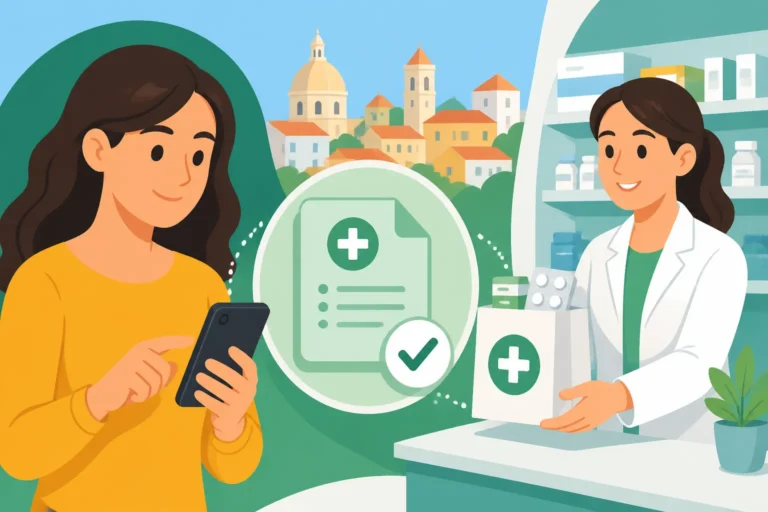
Most people now receive their seasonal boosters through a partnership between the National Health Service (SNS) and private pharmacies. This means that instead of navigating the often-crowded waiting rooms of a public hospital, you can simply walk into a local establishment marked with the iconic green cross. These pharmacies are staffed by highly trained professionals who are authorized to administer vaccines under the same safety protocols as a hospital. While the public system still handles high-risk cases and specific pediatric needs, the local pharmacy has become the "hero" of the seasonal campaign for the average resident.
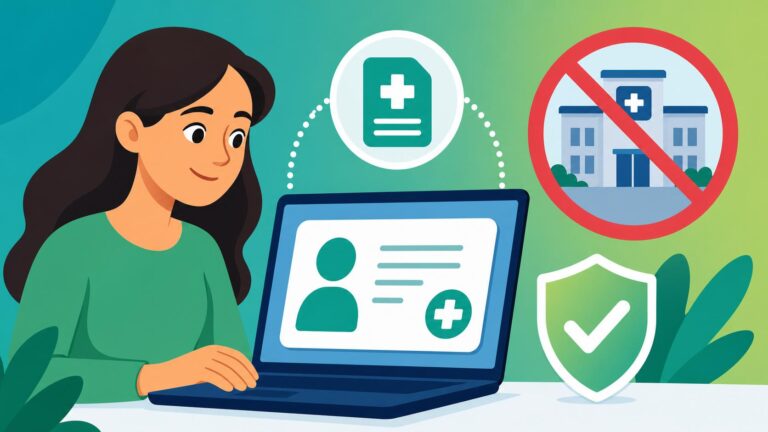
Even though pharmacies provide the service, the underlying eligibility is still dictated by the SNS. If you are already established in the country, you should ensure your paperwork is in order. For those still in the early stages of their move, Registering with the Centro de Saúde: Getting Your SNS Número de Utente is a critical first step. Without this number, the pharmacy might not be able to log your vaccination in the national database, which is essential for maintaining your digital health record and any future travel requirements.
Eligibility Tiers and Cost Structures for 2026
One of the most common frustrations for foreigners is the "who pays for what" dilemma. In Portugal, the cost of COVID-19 boosters and flu shots is largely determined by your age and health status. The government prioritizes those who are most vulnerable to complications. Generally, if you are over the age of 60, pregnant, or living with a chronic condition like diabetes or heart disease, the shots are provided free of charge at the pharmacy.
For younger, healthy expats, the flu vaccine is usually available for a small fee, while COVID-19 boosters may still be subsidized depending on the current public health guidance for the year. It is important to note that even if you have to pay, the costs are remarkably low compared to the US or UK. If you are managing your global health through a provider like Cigna Global, you might find that these minor costs are easily absorbed, though many expats simply pay out-of-pocket for the convenience of the pharmacy service.
To help you understand the general landscape, here is a breakdown of how the seasonal campaign typically categorizes residents:
| Category | Flu Vaccine Cost | COVID-19 Booster Cost | Location |
|---|---|---|---|
| Seniors (60+) | Free | Free | Pharmacy or Centro de Saúde |
| Chronic Illness Patients | Free | Free | Pharmacy or Centro de Saúde |
| Pregnant Women | Free | Free | Usually Centro de Saúde |
| Health Professionals | Free | Free | Workplace or Pharmacy |
| Healthy Adults (<60) | Paid (~€10-€15) | Varies by year | Pharmacy |
| Children (6mo – 5yrs) | Varies | Varies | Pediatric Clinic / Centro de Saúde |
If you fall into the "paid" category, the process is as simple as buying a bottle of aspirin. You don't necessarily need a doctor’s prescription for the flu shot if you are getting it during the official "Campanha de Vacinação Sazonal." However, if you are seeking a vaccine outside of the typical autumn/winter window, you might need to consult your Finding an English-Speaking General Practitioner (Médico de Família) to get a prescription (receita) first.
How to Book and Prepare for Your Appointment
The booking process has evolved to be quite digital-friendly. The most efficient way to secure a slot is through the SNS 24 portal or the "casa aberta" (open house) system. During the peak of the vaccination season, many pharmacies operate on a walk-in basis during specific hours. However, to avoid a wasted trip, we recommend calling ahead or checking the pharmacy’s website. Many of the larger chains, like Farmácia Holon or Farmácia Silveira, have robust online booking tools.
When you arrive at the pharmacy, you will need to present your Cartão de Cidadão or your residency card along with your SNS user number. If you are a new arrival and haven't received your residency card yet, your passport and a copy of your NIF (tax number) are usually sufficient for the pharmacist to find you in the system, provided you have already initiated your registration. For a deeper look at the administrative side of things, check out Healthcare in Portugal for Expats: The Complete 2026 Medical Guide.
Before you head out, make sure you are feeling well. Pharmacists will ask if you have had a fever in the last 24 hours or any allergic reactions to previous vaccines. After the injection, you will be asked to wait in or near the pharmacy for about 15 to 20 minutes. This is standard procedure to ensure you don't have an immediate adverse reaction. I’ve found that this is a great time to browse the aisles for wellness supplies. I often pick up some high-quality vitamins or recovery supplements from iHerb to have on hand at home, as staying hydrated and keeping your immune system supported is key after any booster.
Language Barriers and Technical Support
One of the major "administrative hurdles" expats fear is the language barrier. Fortunately, the pharmaceutical profession in Portugal is highly regulated and requires a high level of education. Most pharmacists, especially in cities like Lisbon, Porto, and the Algarve, speak excellent English. They are used to dealing with the international community and can explain the potential side effects clearly. If you are ever in doubt about symptoms after your shot, you can always use the SNS 24 App: Getting an English-speaking nurse for minor medical issues for a quick consultation.
In the rare event that you experience a more significant reaction or have complex questions about how the vaccine interacts with your current medications, the SNS 24 Helpline (808 24 24 24): Triage, Advice, and Sick Notes is your best resource. It is a 24/7 service that has a dedicated English-speaking line (press 9). They can give you immediate advice on whether you should see a doctor or if your symptoms are a normal part of the immune response.
For those who use private insurance like Cigna Global, it is worth checking if your policy covers the cost of vaccines that aren't provided for free by the SNS. While the public system is excellent, having private coverage can provide an extra layer of comfort if you prefer to visit a private hospital like CUF or Hospital da Luz for your medical needs. However, for seasonal shots, the pharmacy remains the most efficient route.
Post-Vaccination Care and Recovery for Expats
After getting your booster, it is common to feel a bit "under the weather" for a day or two. A sore arm, mild fatigue, or a low-grade fever are all signs that your body is building protection. I usually plan my shots for a Friday afternoon so I can have the weekend to rest. It is also a good idea to stock your medicine cabinet beforehand. You can find common over-the-counter pain relievers at any Pharmacies and Medication in Portugal: Prescriptions and OTC Drugs.
In addition to standard paracetamol, I highly recommend keeping a stock of electrolytes and Vitamin C. I personally source my recovery kits from iHerb because they offer brands that I was familiar with back home, which provides a bit of comfort when you aren't feeling 100%. Maintaining a healthy lifestyle in Portugal is generally easy given the access to fresh produce, but the winter months can be damp and chilly, making these seasonal boosters a vital part of your Health checklist for your first 30 days living in Portugal as an expat.
If you are a frequent traveler, remember to check that your vaccination is updated on your digital health certificate. In Portugal, this is handled through the "SNS 24" app. It usually takes 24 to 48 hours for the pharmacy to upload the data. Once it appears, you have a globally recognized record of your booster. This is particularly useful if you are moving between countries and need to prove your status for work or residency requirements. For more details on the broader vaccination schedule, you might find the Expat Guide to Portuguese Vaccinations: Flu Shots and Travel Vaccines helpful for planning your year.
Navigating Potential Challenges
While the pharmacy system is generally efficient, there are occasional "Portuguese moments" where the system might go offline or the pharmacy might run out of stock for the day. If this happens, don't panic. Simply try another pharmacy or ask when their next delivery is expected. The "Farmácia de Serviço" system ensures that there is always a pharmacy open in your area, even at 3 AM, though vaccinations are typically reserved for regular business hours.
If you are living in a more rural area, the local pharmacy might have a smaller allocation of vaccines. In these cases, it is even more important to build a relationship with your local pharmacist. They are often the most accessible health professionals in the village and can be a wealth of information. They can also help you understand how to navigate the Taxas Moderadoras: Co-payments and Costs in the Public Health System if you ever need to transition from pharmacy care back to a hospital setting for more complex issues.
Finally, keep in mind that the campaign might have specific nuances based on new variants or health studies. Staying informed through local news or expat groups is helpful, but the SNS 24 portal remains the final authority. By taking these proactive steps, you can ensure that your life in Portugal remains healthy and that you are well-protected against the seasonal bugs that tend to circulate in the cooler months.
Disclaimer
This guide is for informational purposes only and does not constitute professional medical advice, diagnosis, or treatment. Healthcare regulations and vaccination protocols in Portugal can change frequently. Always consult with a qualified healthcare provider or a licensed pharmacist in Portugal regarding your specific medical needs and eligibility for vaccinations. All internal links provided are for educational context within the expat community.