Expat Guide to Portuguese Vaccinations: Flu Shots and Travel Vaccines
One of the biggest headaches for newcomers in Portugal is navigating the "Boletim de Vacinas" and knowing which shots are mandatory versus recommended. I remember the panic of trying to translate my childhood records for a confused nurse at the local health center during my first month here. This guide simplifies the process of getting flu shots, travel vaccines, and routine immunizations in Portugal.
Understanding the Portuguese National Vaccination Plan (PNV)
The Programa Nacional de Vacinação (PNV) is the backbone of public health in Portugal. It is a state-sponsored schedule that provides a wide range of vaccines for free to all residents, regardless of nationality, as long as they are registered with the national health system. The system is remarkably efficient once you are in it, but the initial entry can feel like a maze of paperwork and blank stares from administrative staff.
What is the PNV and Who Does it Cover?
The PNV isn't just for children; it covers the entire lifespan of a resident. It includes protection against tetanus, diphtheria, pertussis, polio, measles, mumps, rubella, and several strains of meningitis and HPV. For most of us moving from North America or Northern Europe, the schedule is very similar to what we grew up with, but the timing of boosters—especially for tetanus—might differ slightly from your home country's guidelines.
The beauty of the PNV is that it is universal. Once you have completed Registering with the Centro de Saúde: Getting Your SNS Número de Utente, you are eligible for these vaccines at zero cost. I have sat in many waiting rooms in rural Alentejo and busy Lisbon neighborhoods alike, and the one constant is the dedication of the nursing staff to keeping these records up to date. They take the "Boletim de Vacinas" very seriously here; it is often required for school enrollment, certain jobs, and even some sports activities.
Registering Your Foreign Vaccination Records
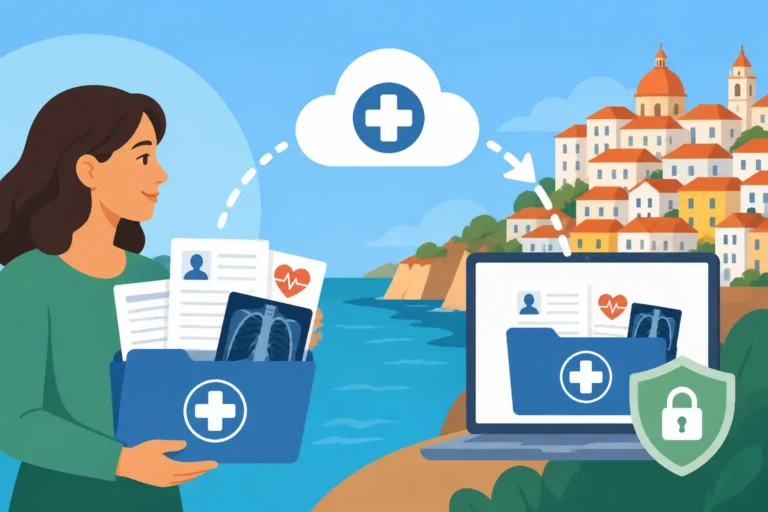
This is where the real work begins for an expat. You cannot simply tell a Portuguese doctor that you "think" you had a shot in 1998. You need to provide a physical or digital record from your home country. When I moved, I brought a folder of scanned documents, which I then had to present to the "enfermagem" (nursing) department at my local health center. They will manually enter your history into the Portuguese system to ensure you aren't over-vaccinated or missing critical boosters.
If your records are in a language other than English or Portuguese, you might encounter some friction. While many doctors speak excellent English, the administrative staff and some nurses might not. It is highly recommended to look into How to get your child's Boletim de Vacinas (Vaccination book) translated if you are moving with a family. Having a clear, translated document saves hours of back-and-forth and ensures that your previous immunizations are correctly credited to your new Portuguese profile.
The Digital Transition: Portal do Utente
Portugal has made massive strides in digital health. Gone are the days when the only record of your health was a battered yellow paper booklet (though many of us still keep them for nostalgia). Today, your vaccination status is tracked digitally. By Using the SNS Portal do Utente, you can log in with your Chave Móvel Digital and see exactly which vaccines are registered in your name and when your next boosters are due.
I find this incredibly helpful when traveling. If I’m at a border or a clinic abroad and need to prove my tetanus status, I can just pull up the app. However, don't throw away your physical "Boletim de Saúde" just yet. Some older clinics still prefer the paper version, and it acts as a reliable backup when the digital systems—as they occasionally do in Portugal—decide to take an unscheduled "siesta."
Seasonal Vaccinations: Flu and COVID-19 Protocols
As autumn approaches in Portugal, the "Campanha de Vacinação Outono-Inverno" kicks off. This is a massive national effort to vaccinate the elderly and vulnerable populations against the flu (Gripe) and COVID-19. For expats, the rules on who gets these for free and where to go can change slightly every year, so staying informed is key.
Eligibility for Free Seasonal Shots
Typically, the Portuguese government provides free flu and COVID-19 vaccines to residents aged 60 and over, pregnant women, and individuals with specific chronic health conditions like diabetes or heart disease. If you fall into these categories, you will often receive an SMS from the SNS inviting you to book an appointment. It’s a proactive system that works surprisingly well, provided they have your correct Portuguese phone number on file.
If you are a healthy adult under 60, you generally won't get a free flu shot through the public system unless you are a healthcare worker or in a high-risk profession. In this case, you’ll need to take a different route. I usually just head to my local pharmacy. You can buy the flu vaccine over the counter with a prescription (and sometimes without one during peak campaign weeks) and have the pharmacist administer it right there for a small fee.
Pharmacy vs. Health Center: Where to Go?
Deciding where to get your shot depends on your eligibility and your patience. The public health centers (Centros de Saúde) are free for those eligible but can be crowded. You might find yourself waiting on a wooden bench for an hour past your appointment time. For many of us, the convenience of a local "Farmácia" is worth the small cost. Most pharmacies in Portugal are equipped with private consultation rooms where trained pharmacists can give injections.
When using a pharmacy, you should check if your private insurance provides any reimbursement. If you have Private Health Insurance in Portugal: Costs, Coverage, and Best Providers, you might find that the cost of the vaccine is partially covered. It is wise to keep your receipts and upload them to your insurance portal. While the flu shot isn't expensive—usually under €20—every bit of reimbursement helps when you’re managing an expat budget.
Booking and Timing the Campaign
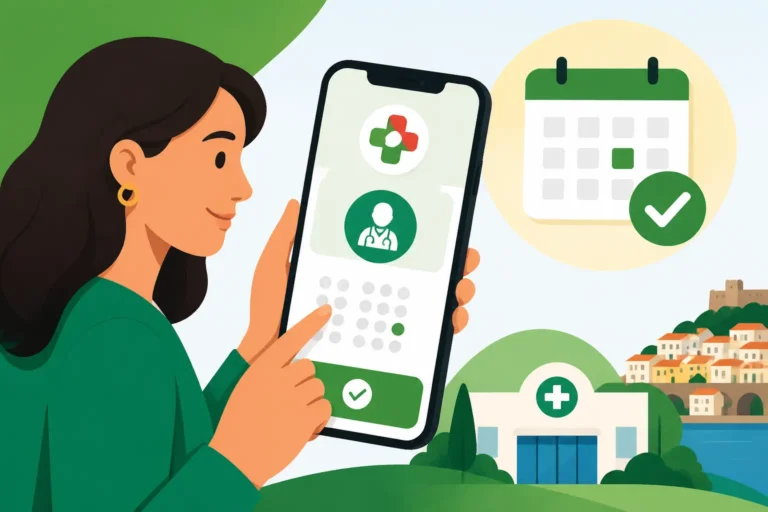
The seasonal campaign usually begins in late September or early October. If you are eligible for the free shots, keep an eye on the news or the SNS 24 website. You can often "self-schedule" (auto-agendamento) online, which is a godsend for those of us who still get a bit of "phone anxiety" when speaking Portuguese. The system allows you to pick a date and a specific vaccination center that is convenient for you.
For those buying the vaccine privately, it's a good idea to reserve one at your pharmacy in advance. Supplies can occasionally run low in popular areas like Cascais or central Porto. If you are feeling a bit run down during the winter months, remember that you can always call the SNS 24 Helpline (808 24 24 24): Triage, Advice, and Sick Notes for advice on whether it’s a good time to get vaccinated or how to manage any minor side effects like a sore arm or a low-grade fever.
Travel Vaccines for the Global Expat
Living in Portugal means you are perfectly positioned for quick hops to Morocco, Cape Verde, or South America. However, these adventures often require specific immunizations that are not part of the standard PNV. Navigating the world of "Medicina do Viajante" (Travel Medicine) in Portugal requires a bit of forward planning.
The Consulta do Viajante (Traveler's Consultation)
If you are planning a trip to a tropical region, your first stop should be a "Consulta do Viajante." This is a specialized appointment where a doctor reviews your itinerary and prescribes the necessary vaccines and malaria prophylaxis. You can find these consultations in public hospitals, some private clinics like CUF or Hospital da Luz, and specialized institutes like the Instituto de Higiene e Medicina Tropical (IHMT) in Lisbon.
I highly recommend the IHMT for its expertise, but be warned: appointments fill up weeks in advance. During the consultation, the doctor will check your "Boletim de Vacinas" and let you know if you need boosters for Hepatitis A, Typhoid, or Yellow Fever. They provide the "International Certificate of Vaccination or Prophylaxis" (the famous little yellow book), which is essential for entering many countries.
Cost and Availability of Travel Vaccines
Unlike the routine shots in the PNV, travel vaccines are generally not free. You will have to pay for the consultation and the vaccines themselves. Some vaccines are available directly at the clinic, while others require a prescription that you take to a pharmacy to buy, before returning to the clinic to have it administered. It sounds like a lot of "hoop-jumping," and honestly, it is.
| Vaccine | Typical Availability | Estimated Cost (Private) |
|---|---|---|
| Yellow Fever | Specialized Centers Only | €30 – €50 |
| Hepatitis A | Pharmacy / Private Clinics | €40 – €60 |
| Typhoid (Oral/Injectable) | Pharmacy | €20 – €30 |
| Rabies (Pre-exposure) | Specialized Centers | €50+ per dose |
| Cholera (Oral) | Pharmacy | €30 – €40 |
For expats with international coverage, such as Cigna Global, many of these costs can be claimed back depending on your specific plan. It’s always worth checking your policy before you go, as travel medicine is often considered a "preventive" service that high-end plans cover.
Common Vaccines for Destinations Near Portugal
Many expats living here take advantage of the proximity to Africa. For Morocco, you generally only need to ensure your Hepatitis A and Typhoid are up to date. If you are heading further south to Portuguese-speaking countries like Angola or Guinea-Bissau, Yellow Fever is mandatory. The doctors in Portugal are very familiar with these regions due to the historical and cultural ties, so you are in good hands.
If you are heading to a region where you might need specific supplements or high-quality first-aid supplies to take with you, I often use iHerb to stock up on electrolytes, probiotics, and sterile bandages. While Pharmacies and Medication in Portugal: Prescriptions and OTC Drugs are excellent for medicine, having a familiar stash of health supplies for your travel kit can be a huge comfort when you are far from home.
Vaccines for Children and Families
If you are moving to Portugal with kids, the vaccination topic becomes even more critical. The Portuguese school system, both public and private, is quite strict about the "Boletim de Vacinas." While vaccination is technically not "mandatory" by law for general life, schools have the right to request the record to ensure the safety of all students.
Enrolling in the Portuguese School System
When you register your child for school, you will be asked for a copy of their vaccination record. If they were vaccinated abroad, the nurse at your local "Centro de Saúde" must first validate and "translate" those records into the Portuguese system. This process can take a few days, so don't leave it until the day before school starts. Many parents frantically run to the health center in early September.
If a child is missing any of the shots required by the PNV, the school will notify the parents and may even report the situation to health authorities if the situation isn't rectified. It’s not about being "punitive"; it’s about the high value the Portuguese culture places on community immunity. Most Healthcare in Portugal for Expats: The Complete 2026 Medical Guide resources will emphasize that keeping your child's records updated is one of the smoothest ways to integrate into the local community.
The Pediatric Vaccination Schedule
The Portuguese schedule for children is comprehensive. It starts shortly after birth with the BCG (for tuberculosis, though this is now targeted toward high-risk groups) and continues with the 2, 4, 6, and 12-month milestones. There are also important boosters at 5 years and 10 years old. One thing that surprises many expats is the inclusion of the Meningitis B vaccine (Bexsero), which was added to the free national plan a few years ago after much public demand.
If you prefer a more personalized approach, you can always seek out Finding an English-speaking General Practitioner (Médico de Família) or a private pediatrician. Many private pediatricians will follow the national plan but might suggest additional vaccines that are not yet free, such as the Rotavirus vaccine. They can provide a more relaxed environment for the injections, which can be helpful if your child is particularly anxious about needles.
Private vs. Public: Making the Choice
For routine vaccines, there is very little medical reason to go private in Portugal. The public system uses the same high-quality vaccines and the nurses are incredibly experienced because they do this all day, every day. However, the "customer service" aspect of a private clinic can be a draw. In a private setting, you are more likely to have a fixed appointment time and a doctor who speaks fluent English.
Families often use a hybrid approach. They might see a private pediatrician for regular checkups and then take the doctor's prescription to the public "Centro de Saúde" to get the vaccines for free. If you are using Cigna Global for your family's health needs, you may even have coverage for those "extra" vaccines that aren't on the free list, making the private route even more attractive.
Costs, Insurance, and Accessibility
Navigating the financial side of healthcare is a major part of the expat journey. While the SNS provides a safety net, understanding where your money goes when it comes to vaccinations can help you plan your finances more effectively.
The SNS vs. Private Clinics: The Price Gap
The price difference between the public and private systems in Portugal is stark. In the SNS, PNV vaccines are €0. Even the "Taxas Moderadoras" (user fees) have been largely abolished for most primary care services, including vaccinations. You walk in, get the shot, and walk out without opening your wallet.
In the private sector, you will pay for the consultation (usually €30 – €80 depending on your insurance) plus the cost of the vaccine. Some private hospitals have a "price list" for vaccines, and while it's not astronomical, it can add up if you need a series of shots. It is sensible to use the public system for routine things and save private insurance for specialists or emergencies.
How Private Insurance Handles Vaccinations
Most private health insurance plans in Portugal, such as Médis or Multicare, treat vaccinations as part of a "preventive medicine" or "outpatient" module. You might have a co-payment (usually around €15) for the nurse to administer the shot, or the plan might cover the cost of the vaccine entirely if it’s on their approved list.
It’s important to read the fine print. Some "basic" plans exclude vaccines entirely, while "premium" plans include them as a core benefit. If you are here on a D7 or D8 visa and had to buy Private Health Insurance in Portugal: Costs, Coverage, and Best Providers to satisfy the visa requirements, check your policy document for the word "Vacinas." You might be surprised at what is covered.
Buying Vaccines at the Portuguese Pharmacy
If you need a vaccine that isn't part of the free plan (like the shingles vaccine or certain travel shots), you will likely be sent to a "Farmácia." In Portugal, many vaccines are kept behind the counter and require a cold chain (refrigeration) from the moment you buy them until they are injected.
The pharmacist will give you the vaccine in a small thermal bag with an ice pack. You must go directly from the pharmacy to the clinic. Do not stop for a "galão" and a "pastel de nata" on the way! Running an errand with a vaccine in your bag is a mistake, as a nurse may refuse to administer it if she cannot guarantee it has stayed cold.
Tips for Navigating the System Like a Pro
After several years of living here, I've picked up a few "local secrets" that make dealing with the Portuguese medical system much less stressful. It’s all about knowing the etiquette and being prepared.
Finding an English-Speaking Nurse or Doctor
While many younger medical professionals in Lisbon and Porto speak English, this isn't always the case in the "Alentejo" or the "Norte." If your Portuguese is still at the "Olá" and "Obrigado" stage, don't be afraid to use a translation app. Better yet, write down what you need on a piece of paper beforehand. Most nurses are extremely patient and will appreciate the effort.
If you are particularly nervous, you can look for clinics specifically catering to expats, or use the SNS 24 App: Getting an English-speaking nurse for minor medical issues to ask questions before you head to the center. Knowing the right terminology—like "reforço" for booster or "efeitos secundários" for side effects—can go a long way in making you feel more in control.
What to Bring to Your Appointment
Never show up to a Portuguese health appointment empty-handed. You will need:
- Your Cartão de Cidadão or your Número de Utente paper.
- Your Boletim de Vacinas (physical or digital).
- Proof of residency (if it’s your first time at that specific center).
- A list of any allergies or medications you are currently taking.
I also like to keep a stash of high-quality vitamins and minerals from iHerb to support my immune system before and after a vaccination. While the Portuguese diet is generally healthy, the stress of moving and navigating a new system can take a toll, and a little extra Vitamin C or Zinc never hurts.
Managing Side Effects and Follow-Ups
The nursing staff will usually ask you to wait in the clinic for 15-30 minutes after a shot to check for any immediate allergic reactions. This is standard practice in Portugal's National Health Service (SNS): How the Public System Works. Use this time to catch up on your emails or read a book.
If you develop a fever or a very sore arm later that day, don't panic. You can take paracetamol (known here as Ben-u-ron, which is practically a national icon) to manage the discomfort. If you are concerned, a quick call to the SNS 24 helpline will put you in touch with a nurse who can tell you if your symptoms are normal or if you should head to the "Urgências" (Emergency Room).
Disclaimer
This guide is for informational purposes only and is based on personal experience and general health guidelines in Portugal as of 2026. Medical regulations and vaccination schedules can change. Always consult with a qualified healthcare professional in Portugal—either through the SNS or a private provider—before making decisions about your health or your family's immunizations. Individual health needs vary, and only a doctor can provide a personalized vaccination plan tailored to your medical history and lifestyle.