Chronic Disease Management Under the SNS in Portugal
Disclosure: This article contains affiliate links. If you buy through them, we may earn a commission at no extra cost to you. Read our full disclosure.
The most terrifying moment for any expat moving to Lisbon or Porto isn't finding an apartment; it's the realization that your supply of insulin, thyroid medication, or blood pressure pills is down to the last blister pack. I spent my first three months here constantly looking at my near-empty pill bottles, wondering if the Portuguese system would actually take care of me. This guide unravels the complex bureaucracy of managing chronic illness in Portugal so you can stop worrying and start living.
The Foundation of Chronic Care in Portugal
The Portuguese public health system, or the SNS (Serviço Nacional de Saúde), is built on a hierarchy that starts at your doorstep. For those of us living with a long-term condition, the most important building in your neighborhood isn't the local bakery or the beach—it’s your Centro de Saúde (Health Center). This is where the magic happens, or at least, where the paperwork begins. In the public system, you are not just a patient; you are a "utente" (user) assigned to a specific geographical catchment area.
Registering for a Número de Utente
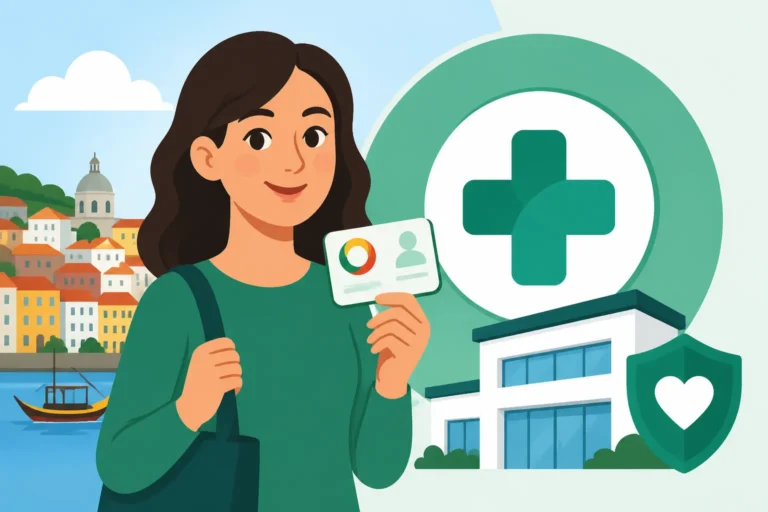
Before you can even dream of a subsidized prescription, you need your golden ticket: the healthcare user number. Without this, you are essentially a ghost in the eyes of the public medical system. I remember standing in line at 7:30 AM in a chilly Arroios morning just to get a spot at the reception desk. You’ll need your residence permit (or proof that you’ve applied for one), your NIF (tax number), and proof of address.
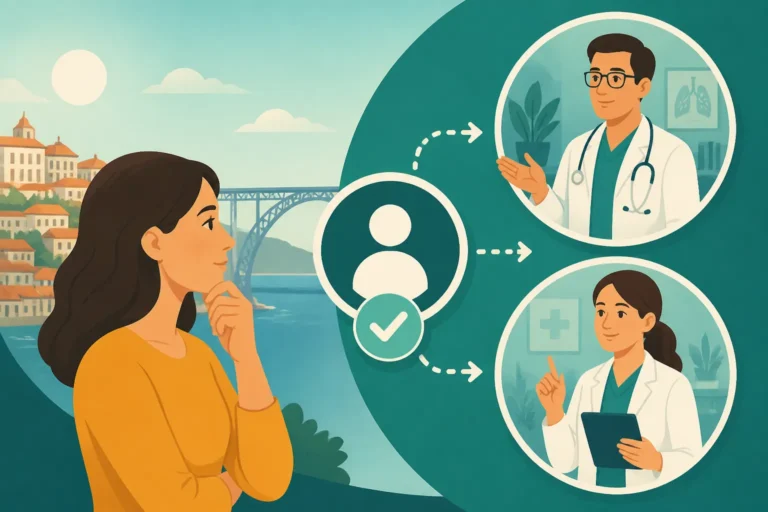
The process of Registering with the Centro de Saúde: Getting Your SNS Número de Utente is the absolute first hurdle. Once you are in the system, you are theoretically eligible for a family doctor (médico de família). I say "theoretically" because there is a notorious shortage of family doctors in major cities. If you don't have one assigned, you’ll be seen by whichever doctor is on duty for "consultas esporádicas" (sporadic appointments). For chronic disease management, having a consistent doctor is vital, so don't be afraid to politely ask about the waiting list for a permanent GP every time you visit.
The Role of the Médico de Família in Chronic Management
Your family doctor is the gatekeeper. They are the ones who will officially "code" your chronic condition into the system. This coding is essential because it often triggers exemptions from co-payments for certain tests and medications. For example, if you are diagnosed with diabetes or hypertension within the SNS, your doctor will register this in your digital file, which significantly lowers the cost of your life-saving drugs at the pharmacy.
In my experience, the initial appointment for chronic registration is quite thorough. Bring your medical records from home, ideally translated into Portuguese, though many younger doctors speak excellent English. They will likely order a fresh round of "análises" (blood tests) to establish a baseline within the Portuguese system. This is the moment to be extremely clear about your previous dosages and brands. While the active ingredients remain the same, the brand names in Portugal might differ, and your doctor needs to find the local equivalent.
Managing Common Chronic Illnesses in Portugal
The Portuguese system is particularly well-organized when it comes to "doenças crónicas" (chronic diseases). There are established clinical pathways for conditions like asthma, diabetes, cardiovascular disease, and autoimmune disorders. If you are Managing Chronic Illnesses: Diabetes and Hypertension Care in Portugal, you will find that the SNS provides a structured schedule of check-ups, usually every three to six months, depending on the stability of your condition.
Diabetes Protocols and Support
Portugal has a high prevalence of diabetes, which means the public system is very adept at handling it. Once registered, you will be entitled to subsidized test strips, lancets, and insulin. In many cases, these are provided at a very high subsidy rate, sometimes near 100% for those on low incomes or with specific complications. You will also be scheduled for annual foot exams and retinal screenings, which are handled by specialized units within the public hospitals or larger health centers.
One thing I found surprising was the "Guia do Diabético," a small booklet or digital record where all your stats are kept. It feels a bit old-school in a world of apps, but the nurses at the Centro de Saúde take it very seriously. They are the ones who often handle the day-to-day management, such as teaching you how to use new monitoring equipment or discussing dietary adjustments. The relationship with your local nurse can be just as important as the one with your doctor.
Hypertension and Cardiovascular Monitoring
For high blood pressure, the SNS focuses heavily on prevention and consistent monitoring. You can expect regular blood pressure checks at your Centro de Saúde, often without a formal appointment if you just need a quick reading. The medication for hypertension is widely available and significantly subsidized once your condition is registered.
However, the system can be slow if you need a referral to a cardiologist for more complex issues. This is where many expats choose to use a hybrid approach. You might get your monthly pills through the public SNS to save money, but see a private cardiologist for your annual echocardiogram or stress test to avoid a six-month wait. If you go this route, make sure your private doctor’s reports are shared with your public family doctor so they can update your official SNS records.
Medication and Prescription Systems
The way prescriptions work in Portugal is a bit of a culture shock. Forget the paper slips you might be used to; the system is almost entirely digital. When your doctor prescribes medication, you’ll receive an SMS or an email with a "Guia de Tratamento" containing a barcode and several codes. You simply show this to the pharmacist on your phone, and they scan it.
Subsidized Meds and the Escalão System
Portugal uses a tiered subsidy system called "escalões." Medications are categorized (A, B, C, or D) based on how essential they are. Life-saving medications for chronic conditions often fall into Escalão A, which means the government covers 90% or more of the cost. When I first went to pick up my thyroid medication, I was shocked to pay only a few euros for a three-month supply.
You should also look into Pharmacies and Medication in Portugal: Prescriptions and OTC Drugs to understand how the "comparticipação" (government share) is automatically deducted at the point of sale. You don't need to file for reimbursement; the price you pay at the counter is already the discounted rate. This is a massive relief compared to the "pay-and-claim" systems in other countries.
Renewing Long-Term Prescriptions
For chronic patients, you don't need to see the doctor every time you need a refill. Most Centro de Saúdes have a "renovação de receituário" (prescription renewal) system. You can often request a renewal through the SNS 24 portal or by leaving a note at the reception desk. The doctor reviews your file, and within 48 to 72 hours, the new codes are sent to your phone.
If you are just moving here, remember that Bringing Prescription Drugs to Portugal: Customs and Import Rules are strict. You should bring at least a three-month supply and a signed letter from your home doctor. This gives you enough buffer to navigate the registration at your local health center without the panic of running out of medication while waiting for an appointment.
Integrating Private Insurance with Public Care
While the public system is excellent for the "basics" of chronic care and long-term medication, it can be frustratingly slow for specialist visits or advanced diagnostics. This is why many expats maintain a private health insurance policy alongside their SNS registration. Brands like Cigna Global offer comprehensive international coverage that allows you to bypass the public waiting lists for specialists.
When to use Cigna Global or SafetyWing
If you are a digital nomad or just arriving, you might start with SafetyWing, which is fantastic for emergency coverage and unexpected illnesses. However, for true chronic disease management, Cigna Global is often the preferred choice for expats because they offer modules specifically designed for long-term conditions and routine specialist visits.
Having private insurance means you can choose your own specialist at top-tier facilities like CUF or Hospital da Luz. You can book an appointment for the following week rather than waiting months for an SNS referral. The process for Specialist Referrals: The Process in Public SNS vs Private Clinics is much more direct in the private sector; you usually don't need a GP's referral to see a specialist, though it is often better for your medical history if you have one.
Navigating Medical Billing and Insurance Reimbursements
One of the nuances of the Portuguese system is the "direct billing" network. Most major insurers have agreements with private hospitals. You pay a small co-payment (usually between €15 and €40), and the hospital bills the insurance company directly. However, if you see a doctor outside of your insurer's network, you will have to pay the full amount upfront and then submit the invoice for reimbursement.
Understanding Navigating Medical Billing and Insurance Reimbursements in Portugal is key to avoiding out-of-pocket surprises. Always check if your specific doctor is "conveccionado" (contracted) with your insurance provider before you book. For chronic conditions that require frequent imaging or blood work, these co-payments can add up, so look for a policy with low deductibles and high limits for outpatient care.
Digital Health and Remote Monitoring
Portugal has made massive strides in digital health over the last few years. The SNS 24 system is a godsend for chronic patients. It’s not just a phone line; it’s a comprehensive app and web portal that tracks your entire medical history, from your vaccination records to your latest blood test results.
SNS 24 and the Portal do Utente
The SNS 24 Helpline (808 24 24 24): Triage, Advice, and Sick Notes is your first point of contact if you have a flare-up of your condition that isn't quite a 112 emergency. The nurses can give you advice, tell you which hospital has the shortest wait time, or even issue a "baixa" (sick note) for your employer.
The "Portal do Utente" allows you to see your "Boletim de Saúde" (health bulletin). For chronic patients, this is where your doctor will upload your treatment plans. You can also use the portal to book appointments at your Centro de Saúde, though the availability of online slots varies wildly from one neighborhood to another. If you can't find a GP, you might find success Finding an English-Speaking General Practitioner (Médico de Família) by searching through the private networks and then bringing those results to your SNS doctor for the official record.
Telehealth for Chronic Management
During the pandemic, telehealth became a staple in Portugal, and it has stuck around. Many private insurers now offer 24/7 video consultations. While a video call can't palpate your thyroid or listen to your heart, it is incredibly efficient for discussing blood test results or adjusting medication dosages. For a chronic patient, this saves hours of sitting in waiting rooms. Both Cigna Global and SafetyWing provide access to telehealth services, which can be a literal lifesaver when you’re feeling unwell but aren't in a state to travel to a clinic.
Costs and Taxas Moderadoras
In the public system, you will encounter "taxas moderadoras" (moderate fees). These are small co-payments for consultations, ER visits, and diagnostic tests. However, for many chronic patients, these fees are waived entirely.
Exemption Rules for Chronic Patients
If you have a condition that requires regular monitoring—such as cancer, HIV, diabetes, or certain respiratory diseases—you can apply for an exemption from taxas moderadoras. Your family doctor must submit a request in the system confirming your diagnosis. Once approved, your consultations at the Centro de Saúde and most related tests will be free of charge.
This is a significant benefit of the Portuguese system. Even if you prefer private care for the speed, it is worth maintaining your SNS status just for the subsidized medication and the exemption from public fees. You can learn more about how these costs work in the Taxas Moderadoras: Co-payments and Costs in the Public Health System guide.
Comparison of Chronic Care Costs (Estimated 2026)
| Service Type | Public SNS (Exempt) | Private (No Insurance) | Private (With Insurance) |
|---|---|---|---|
| GP Consultation | €0 | €70 – €100 | €15 – €40 |
| Specialist Visit | €0 | €90 – €150 | €20 – €50 |
| Basic Blood Work | €0 | €50 – €120 | €10 – €30 |
| MRI / CT Scan | €0 | €200 – €500 | €40 – €100 |
| Chronic Medication | 10% – 40% of cost | 100% of cost | 100% (unless plan covers) |
Final Thoughts on the Expat Patient Experience
Managing a chronic illness in Portugal requires a mix of patience, proactiveness, and a little bit of "Portuguese style" persistence. The system is not perfect; it is burdened by an aging population and bureaucratic bottlenecks. But the quality of medical education in Portugal is world-class, and the doctors are generally compassionate and highly skilled.
My biggest piece of advice is to be your own advocate. Don't wait for the system to call you. If you need an appointment, show up at the health center when it opens. If you don't understand your prescription, ask the pharmacist to explain it—they are often the most accessible medical professionals in the country. By utilizing both the public SNS for its low-cost medication and private insurance like Cigna Global for its speed, you can create a healthcare safety net that allows you to enjoy your new life in the sun without the constant shadow of your condition looming over you.
Disclaimer
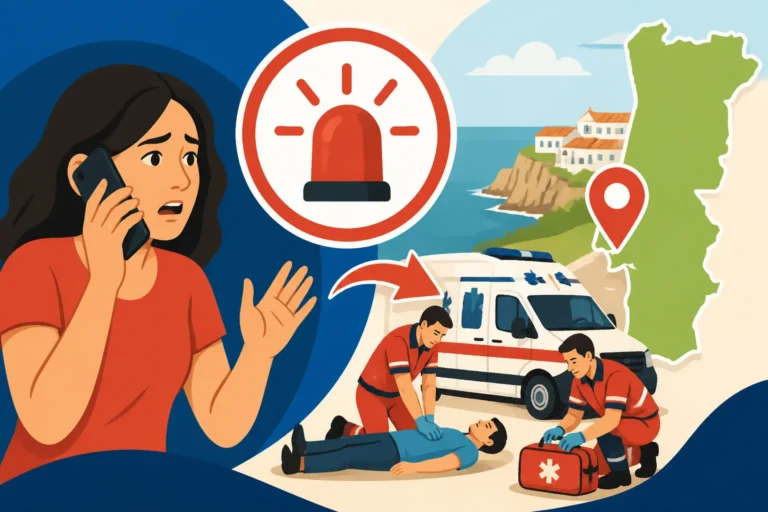
This article is for informational purposes only and does not constitute professional medical or legal advice. Healthcare regulations and insurance policies in Portugal can change frequently. Always consult with a qualified medical professional or a licensed insurance broker regarding your specific health needs and coverage options. In case of a medical emergency in Portugal, always dial 112 immediately.