Braga and Guimarães: The Cradle of Portugal
Disclosure: This article contains affiliate links. If you buy through them, we may earn a commission at no extra cost to you. Read our full disclosure.
Most visitors to Portugal make the classic mistake of landing in Lisbon, spending a few days in Porto, and perhaps catching a tan in the Algarve, completely bypassing the lush, emerald-green Minho region. This guide solves that oversight by providing a deep, local's perspective on Braga and Guimarães, the two cities that represent the historical and spiritual soul of the country.
Why You Cannot Skip the Minho Region
If you want to understand the Portuguese identity, you have to head north. While Lisbon is the cosmopolitan face and Porto is the industrious heart, the Minho region—specifically the cities of Braga and Guimarães—is where the bloodline begins. Many who spend time in the city find that the "Cradle of Portugal" isn't just a marketing slogan; it is a palpable feeling. The air is cooler, the granite is older, and the traditions are held with a fierce, quiet pride that you won't find in the more tourist-saturated southern hubs.
Living here or even just visiting requires a different pace. You aren't just looking at monuments; you are stepping into a narrative that spans over a thousand years. In Braga, you see the ecclesiastical power that shaped the nation’s morals, and in Guimarães, you stand on the very ground where the first king, Afonso Henriques, declared independence. For those of us who have moved here, understanding this region is the key to Daily Life in Portugal: Supermarkets, Language, and Cultural Etiquette, as it informs the social hierarchy and the deep-seated respect for heritage that dictates how locals interact with one another and with foreigners.
The beauty of the north also lies in its climate. Yes, it rains more here than in the Algarve, but that rain is what gives the Minho its "Green Coast" moniker. The landscapes are staggering, with vine-covered hills producing the crisp Vinho Verde that we expats quickly learn to prefer over heavier reds during the sweltering summer months. If you are trying to decide Where to Live in Portugal: Lisbon, Porto, Algarve, and Silver Coast Compared, the Minho offers a quality of life and a connection to "authentic" Portugal that is increasingly rare in the capital.
Guimarães: The Birthplace of a Nation
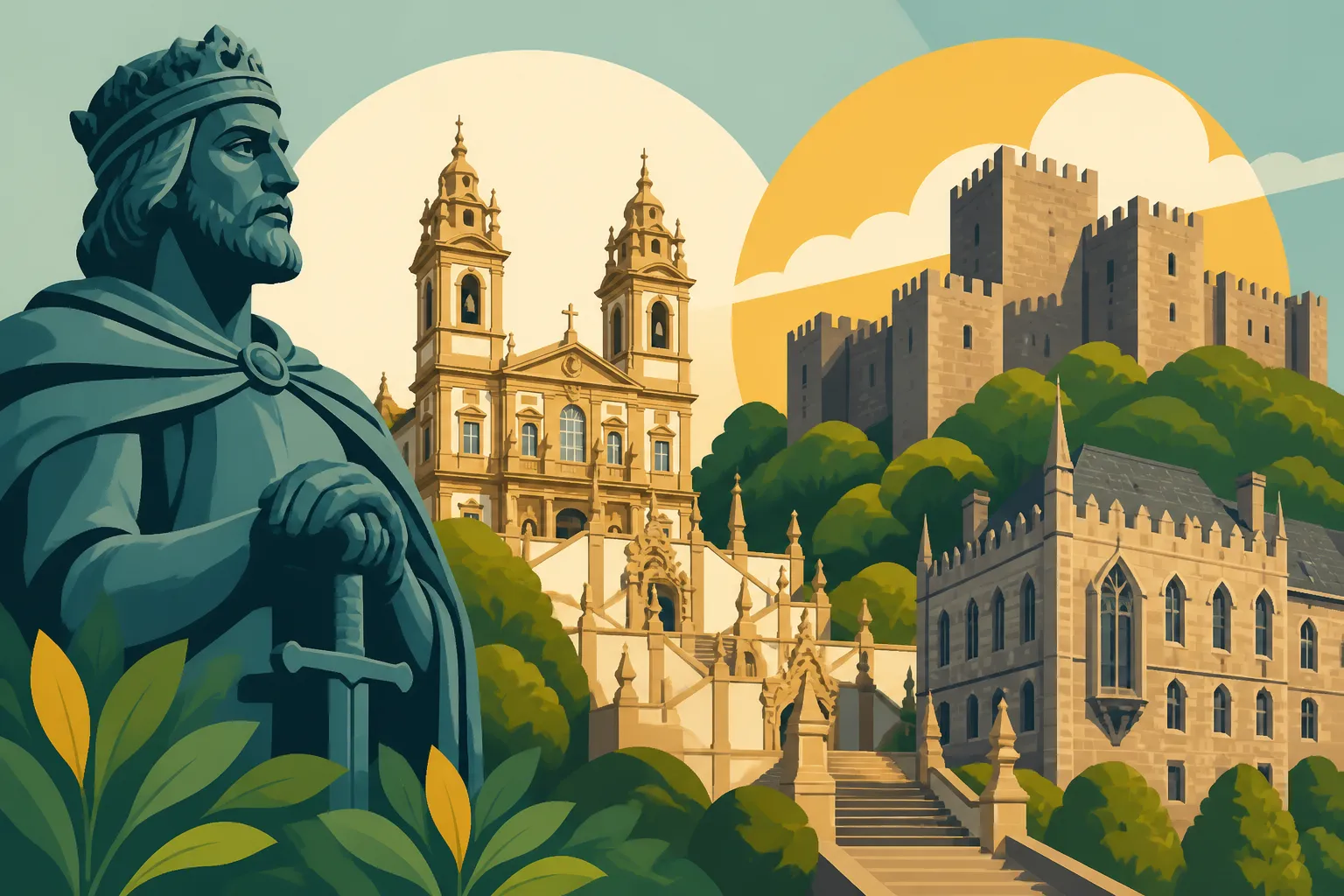
Walking into the historical center of Guimarães feels like someone hit the "pause" button on the 12th century. The city’s claim to fame is etched in stone on the old city walls: "Aqui Nasceu Portugal" (Portugal was born here). This isn't just hyperbole. It was here in 1128 that the Battle of São Mamede took place, eventually leading to the foundation of the Kingdom of Portugal. As a resident, you start to appreciate that every medieval archway and wooden balcony isn't a museum piece—it’s someone’s home, a testament to the city’s status as a UNESCO World Heritage site.
The locals in Guimarães, known as Vimaranenses, carry a specific kind of nobility. They are incredibly welcoming but expect a certain level of decorum. If you’ve spent time Learning European Portuguese: Top Apps, Tutors, and Free Government Classes, you’ll find that a "Bom dia" delivered with a smile goes much further here than in the rushed streets of Lisbon. The city is compact and walkable, making it a favorite for those of us who prefer a slower, community-focused lifestyle over the chaos of a major metropolis.
Braga: The Rome of Portugal
If Guimarães is the birthplace of the king, Braga is the home of the bishops. Known as the "Rome of Portugal" because of its staggering number of churches and its historical significance as the seat of the Primacy of the Spains, Braga is a city of layers. It is one of the oldest Christian cities in the world, yet it also feels remarkably young. This is due to the University of Minho, which brings a vibrant, tech-focused student population to an otherwise traditional setting.
When I first arrived in Braga, I was struck by the "Braga window"—the traditional lattice shutters that allow people to see out without being seen. It’s a perfect metaphor for the city: deeply observant of its past but modernizing rapidly. For expats, this duality is a blessing. You get the benefit of ancient festivals like Holy Week (Semana Santa), which is a spectacle of torches and barefoot penitents, alongside high-speed fiber internet and a growing startup scene. It’s a frequent contender in discussions about Braga vs Guimarães: Which northern Portuguese city is better for families?, often winning out due to its slightly larger size and more diverse amenities.
Planning Your Northern Adventure: Logistics and Timing
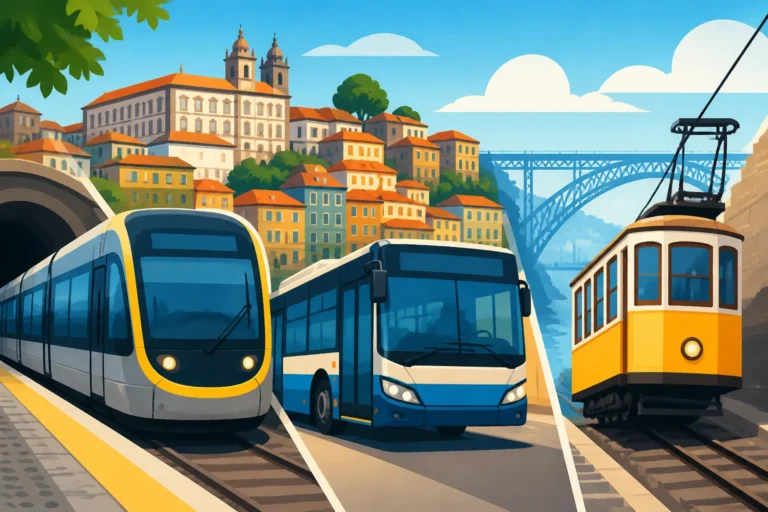
Getting to the north is easier than most people think, but there are a few "expat secrets" to doing it right. If you are coming from Porto, you have two main options: the train or a rental car. The suburban train (Urbanos) is often a good choice for a day trip the suburban train (Urbanos) for a day trip. It’s incredibly affordable—only a few Euros—and drops you right in the heart of both cities. If you’re coming from further afield, like Lisbon, you’ll want to check Omio to compare the Alfa Pendular (high-speed train) against long-distance bus options, which can often be more comfortable and direct for the northern routes.
Driving in the north is a beautiful experience, but the hills can be steep and the narrow medieval streets of the old towns are a nightmare for anything larger than a Fiat 500. If you do choose to drive, make sure you understand the nuances of Public Transport and Driving in Portugal: Trains, Tolls, and Licenses, especially the electronic toll system on the A28 and A7 motorways. These "SCUTs" don't have booths; they read your license plate, and if you don't have a Via Verde transponder, paying them later at a CTT post office is a bureaucratic hurdle you definitely want to avoid during your holiday.
The Best Time to Visit the Minho
Timing is everything in the north. Unlike the south, where the sun is almost a constant, the Minho has distinct seasons. My favorite time is late Spring (May to June) or early Autumn (September to October). During these months, the temperatures are mild, the gardens—like the Jardim de Santa Bárbara in Braga—are in full bloom, and you avoid the "August shutdown" when many local businesses close for vacation.
Winter in the north is for the brave. It’s damp and chilly, and since many older buildings lack proper insulation—a common complaint among foreigners—you’ll want to pack layers. However, there is something incredibly cozy about sitting in a stone-walled café in Guimarães with a hot meia de leite while the rain drums against the granite. If you’re planning a longer stay, check your Health checklist for your first 30 days living in Portugal as an expat to ensure you've got the right supplies to handle the seasonal humidity changes that catch many newcomers off guard.
Where to Stay: Pousadas vs. Modern Guest Houses
For a truly immersive experience, it is worth looking for a "Pousada." These are government-owned or managed hotels located in historical buildings like former monasteries or castles. The Pousada Mosteiro de Guimarães is a stunning example—it’s an old convent overlooking the city. You can find great deals on these through Booking.com, especially during the shoulder season.
If you prefer a more modern vibe, Braga has seen an explosion of boutique guest houses in renovated 19th-century townhomes. These often offer a more personal touch and local breakfast spreads that put major hotel chains to shame. Regardless of where you stay, being within walking distance of the central Praça da República in Braga or the Largo da Oliveira in Guimarães is crucial. You want to be able to wander out at 10 PM for a nightcap without worrying about parking or taxis.
Deep Dive into Guimarães: Medieval Magic
Guimarães isn't just a place to see; it’s a place to feel. The heart of the city is the Largo da Oliveira and the adjoining Praça de Santiago. These squares are surrounded by half-timbered houses and medieval porches that look like they belong on a movie set. Visitors are encouraged to start their day here with a coffee and a Tortas de Guimarães (a local pastry filled with sweet eggs and squash). It's the best way to soak in the atmosphere before the tour groups arrive.
To really get the most out of the history, I suggest booking a guided walking tour through GetYourGuide. A local guide can point out the small details that are easily missed, like the ancient stone carvings or the specific reasons why certain streets are named after medieval guilds. It’s one thing to see a castle; it’s another to understand the tactical genius of the fortifications that held off the Kingdom of León.
The Castle and the Palace of the Dukes
The Guimarães Castle is the city's crown jewel. Built in the 10th century to protect a nearby monastery from Moorish and Norse raids, it eventually became the royal residence. Unlike many "restored" castles that feel like theme parks, this one feels rugged and authentic. You can walk the ramparts and look out over the valley, imagining the heralds announcing the arrival of Afonso Henriques.
Just a stone's throw away is the Paço dos Duques de Bragança (Palace of the Dukes of Braganza). This 15th-century palace, inspired by French manor houses, is quite different from the rugged castle. Its most striking features are the dozens of tall, brick chimneys that look like they belong in a Dickens novel. Inside, you’ll find incredible tapestries and medieval weaponry. For those interested in Portuguese Coffee Culture and Restaurant Etiquette: Ordering Like a Local, the café near the palace entrance is a surprisingly peaceful spot for a quick caffeine break between historical sites.
Penha Mountain: Escape to the Clouds
If the medieval streets start to feel a bit claustrophobic, take the Teleférico (cable car) up to Penha Mountain. It’s a short, scenic ride that deposits you into a world of giant boulders, hidden grottos, and shaded forest paths. For the Vimaranenses, Penha is a spiritual retreat, housing the Sanctuary of Penha, but for the rest of us, it’s the best place for a panoramic view of the city and the surrounding Minho countryside.
There are small restaurants tucked among the rocks where you can have a traditional northern lunch—think Arroz de Cabidela or grilled mountain lamb. It’s significantly cooler up here, so even in the height of summer, it’s a refreshing escape. Many expats who live in the region use the trails here for weekend hikes, making it a great place for Making Friends and Networking in Portugal: Expat Groups and Meetups while getting some exercise in nature.
Exploring Braga: Baroque and Beyond
Braga is a city that requires a bit more legwork than Guimarães because its treasures are spread out. The city center is a delightful maze of pedestrianized streets, high-end shops, and some of the most beautiful Baroque architecture in Europe. The city was redesigned in the 18th century by the architect André Soares, and his influence is everywhere, from the ornate window frames to the curving facades of the churches.
One of the highlights of Daily Life in Portugal: Supermarkets, Language, and Cultural Etiquette in Braga is the evening "passeio." This is when the entire city seems to emerge from their homes to walk the central gardens, grab an ice cream, and chat with neighbors. It’s a social ritual that feels incredibly wholesome and is one of the reasons families find the city so appealing.
Bom Jesus do Monte: The Stairway to Heaven
You’ve likely seen photos of the zigzagging white staircase of Bom Jesus do Monte. It is arguably the most famous landmark in Northern Portugal and a UNESCO site in its own right. Located about 5km outside the city center, you can take a local bus or the historic water-powered funicular—the oldest in the world—to reach the top.
The staircase itself is a symbolic journey, with different levels representing the Five Senses and the Three Virtues. At each landing, there are fountains and statues that tell a story. If you’re feeling fit, walk up; if not, take the funicular up and walk down. The view from the church at the top, looking back toward Braga, is breathtaking, especially at sunset. It’s a place of deep pilgrimage, but even for the secular traveler, the sheer engineering and aesthetic beauty are undeniable.
The Sé de Braga: A Mix of Styles
The Cathedral (Sé) of Braga is the oldest in Portugal—so old that people used to say "older than the Sé of Braga" to describe anything ancient. Because it was built and rebuilt over centuries, it is a fascinating architectural "Frankenstein." You’ll see Romanesque foundations, Gothic arches, and an explosion of Baroque gold leaf inside.
The real treasure, however, is the organ. There are actually two massive, gilded organs facing each other that are masterpieces of wood carving. If you’re lucky enough to be there during a rehearsal or a service, the sound is transcendental. After visiting the cathedral, take a short walk to the Jardim de Santa Bárbara. This public garden, set against the backdrop of a medieval wing of the Archbishop's Palace, is meticulously maintained and provides one of the most Instagram-worthy spots in the city.
| Feature | Guimarães | Braga |
|---|---|---|
| Historical Vibe | Medieval, Fortress-like | Baroque, Ecclesiastical |
| Main Attraction | Guimarães Castle & Historic Center | Bom Jesus do Monte & The Cathedral |
| Pace of Life | Slower, more intimate | Lively, student-influenced |
| Walkability | Highly compact and pedestrianized | Larger, requires some bus/taxi use |
| Food Specialty | Tortas de Guimarães (Sweet) | Bacalhau à Braga (Savory) |
| Best For | History buffs and romantic getaways | Cultural explorers and families |
Living in the Cradle: An Expat’s Perspective
Choosing between these two cities for long-term living is a common dilemma. Both offer a much more affordable lifestyle than Lisbon or Porto. When looking at the Cost of Living in Portugal 2026: Detailed Budgets for Singles and Families, you’ll find that your Euro goes significantly further here. Rent for a spacious T2 (two-bedroom) apartment in the center of Braga might cost what you’d pay for a cramped studio in Lisbon’s Arroios district.
Guimarães tends to be a bit quieter and more "community-knit." It’s the kind of place where the baker will eventually know your name and your preferred type of bread. Braga, being larger, offers more in terms of international schools, private hospitals, and shopping malls. It has a more "city" feel while still retaining its traditional charm. Both cities are exceptionally safe, with crime rates that are among the lowest in Europe, providing a sense of peace that is a huge draw for retirees and young families alike.
The Commute and Connectivity
If you live in either city, you aren't isolated. Porto is only 40 to 50 minutes away by car or train. This makes the Minho a viable option for those who work in Porto’s tech hubs but want to live somewhere quieter and greener. The rail link is reliable, though as we've learned from Using Comboios de Portugal (CP) Trains and the Navegante Pass, it’s always wise to check for occasional strikes (greves) before planning a time-sensitive trip.
For international travel, the Francisco Sá Carneiro Airport in Porto is easily accessible from both cities. There are direct bus shuttles from Braga that take you straight to the terminal in about 50 minutes. This connectivity is one of the reasons the north is becoming a hotspot for digital nomads who want the "real" Portugal without sacrificing the ease of travel back to their home countries or across the Schengen area.
Cultural Integration and the Northern Spirit
The people of the Minho are known for their "coração na mão" (heart on their sleeve). They might seem a bit more reserved than the boisterous Lisboetas at first, but once you break the ice, they are the most loyal and generous friends you will ever make. They take their festivals seriously, and as an expat, participating in the Festas Gualterianas in Guimarães or the São João in Braga is the fastest way to gain local respect.
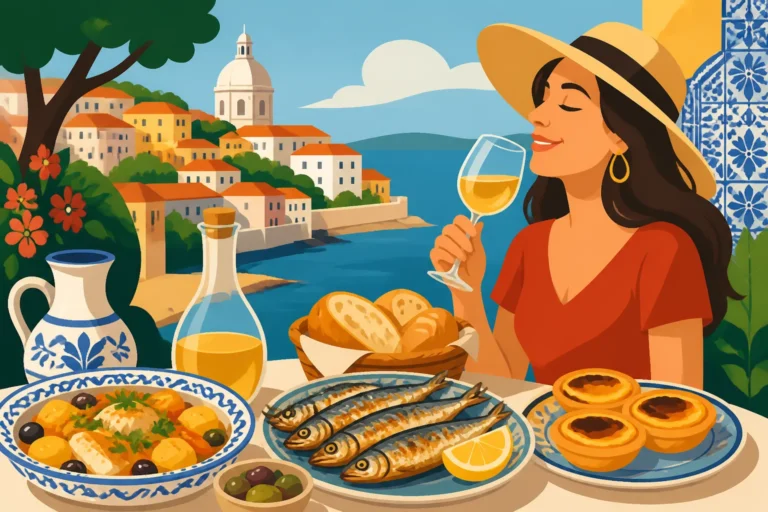
The food culture is another major integration point. You haven't lived in the north until you’ve shared a massive platter of Bacalhau à Braga with a group of locals at a neighborhood tasca. It’s loud, it’s hearty, and it’s always accompanied by plenty of wine and conversation. For those still Learning European Portuguese: Top Apps, Tutors, and Free Government Classes, these social gatherings are the best "classroom" you could ask for.
Final Advice for Your Visit
Don't try to rush Braga and Guimarães into a single afternoon. While they are close together, they each deserve at least a full day of exploration. If you have the time, stay overnight in one of them to experience the cities after the day-trippers have left. The way the yellow streetlights hit the granite buildings at night is something you shouldn't miss.
Whether you are here to scout a potential new home or just to soak in the history, the Minho will leave an impression on you. It’s a region that demands respect for its past but offers a very comfortable and welcoming present. Grab a map, put on some comfortable walking shoes, and go discover the cradle of this beautiful nation.
Disclaimer
This guide is provided for informational purposes only. While every effort has been made to ensure the accuracy of the information provided regarding travel, logistics, and cultural sites in Portugal for the year 2026, details such as prices, opening hours, and specific legal requirements for residency or driving may change. Always consult official government sources, such as the IMT or AIMA, and verify local service schedules before making significant travel or relocation plans. The author is an expat sharing personal experiences and research, not a legal or professional relocation advisor.