How to Visit the Monastery of Batalha and Alcobaça
Disclosure: This article contains affiliate links. If you buy through them, we may earn a commission at no extra cost to you. Read our full disclosure.
Ah, Portugal! It’s a land brimming with such incredible history and breathtaking sights, but let's be real, sometimes getting to those truly special, off-the-beaten-path places can feel like deciphering an ancient scroll written in a language you haven't quite mastered yet. If you're dreaming of standing in awe of the Batalha and Alcobaça Monasteries, two UNESCO World Heritage sites that tell epic tales of Portuguese history and passion, you're in the right place. This guide is going to walk you through exactly how to visit these magnificent structures, whether you're behind the wheel or navigating the local transport.
Why You Absolutely Must Visit Batalha and Alcobaça
These aren't just old buildings; they are living testaments to Portugal’s rich past, filled with architectural marvels and poignant stories that will genuinely move you. Many people focus solely on Lisbon and Porto, missing out on these central Portugal gems, and that would be a real shame. Trust me, the effort to get there is repaid tenfold by the sheer scale and beauty you’ll encounter.
The Grandeur of Batalha Monastery
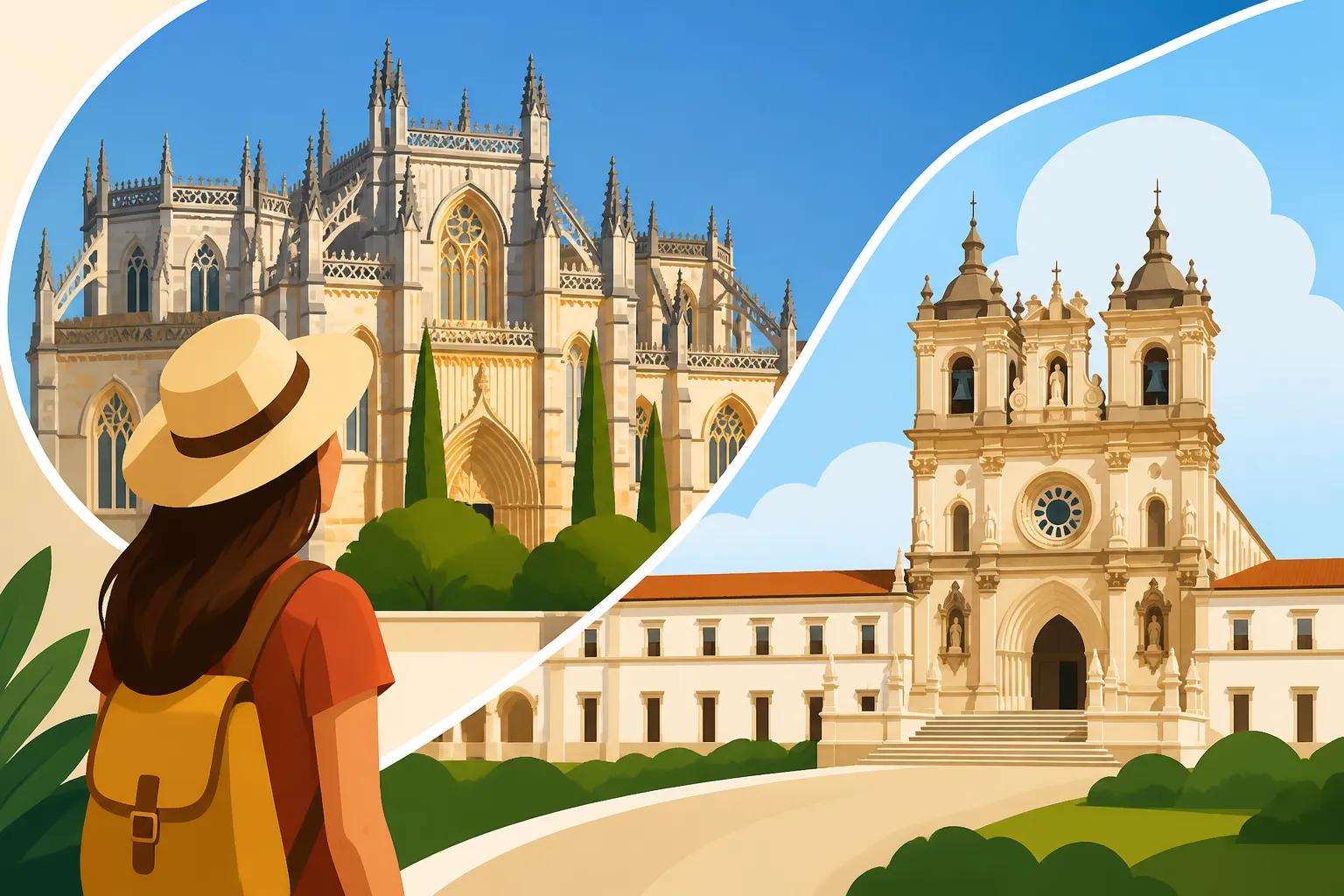
The Monastery of Santa Maria da Vitória, more commonly known as the Batalha Monastery, is a prime example of late Gothic architecture, a Manueline masterpiece that will simply drop your jaw. It was built to commemorate the 1385 Battle of Aljubarrota, a pivotal moment that secured Portugal's independence from Castile. As you step inside, you'll feel the weight of centuries of history.
Take your time exploring the Founder's Chapel, where you'll find the tombs of King João I and Queen Philippa of Lancaster, encased in a stunning star-vaulted ceiling. But the real showstopper for many are the Unfinished Chapels, or Capelas Imperfeitas. They stand open to the sky, an ethereal, intricate symphony of carved stone that was never fully covered, leaving behind a hauntingly beautiful, almost otherworldly space. It’s a place that truly makes you pause and reflect, far from the bustling crowds of the big cities.
The Romantic Tragedy of Alcobaça Monastery
Just a short drive from Batalha lies the Monastery of Santa Maria de Alcobaça, another UNESCO World Heritage site with a completely different, yet equally compelling, story. Founded in 1153 by King Afonso Henriques, it's Portugal's first Gothic church and monastery, known for its sheer size and the elegant simplicity of its Cistercian architecture.
However, what truly draws visitors here is the heartbreaking tale of King Pedro I and Inês de Castro. Their forbidden love story, culminating in Inês’s brutal murder and Pedro’s posthumous coronation of her corpse, is one of Portugal’s most enduring legends. Their exquisitely carved tombs face each other in the transept, so that on Judgment Day, the first thing they see will be each other. It’s a powerful, romantic, and tragic narrative woven into the very fabric of the building, and standing before their tombs, you can almost feel the echoes of their sorrow and devotion. Don't miss the vast kitchen with its central water canal, a testament to the monks' self-sufficiency and surprisingly advanced engineering for their time.
Nearby Gem: The Convent of Christ in Tomar
While Batalha and Alcobaça are often paired, if you have the time, you absolutely should consider adding the Convent of Christ in Tomar to your itinerary. This stunning complex was once a Knights Templar stronghold and later the headquarters of the Order of Christ. It's an incredible blend of Romanesque, Gothic, Manueline, and Renaissance architecture, with its famous Janela do Capítulo (Chapterhouse Window) being one of the most elaborate Manueline carvings in Portugal. Many organized tours will actually combine these three sites into one intense, but incredibly rewarding, day trip.
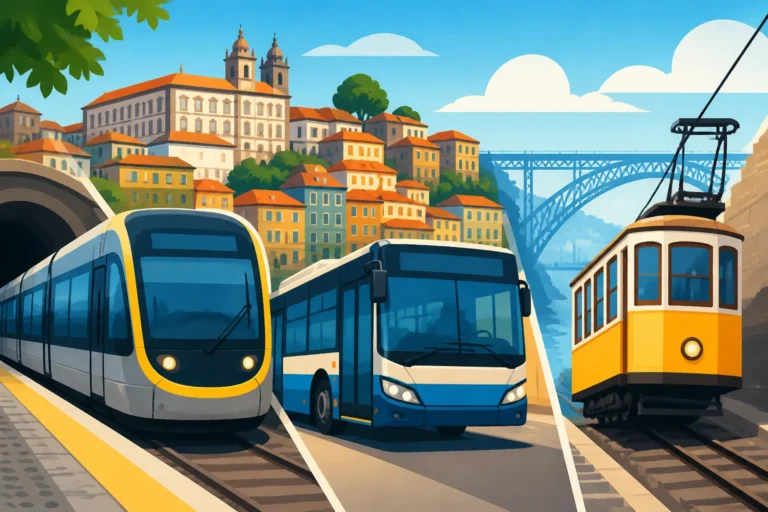
Getting There: Your Transport Options Explained
One of the biggest questions I hear from fellow expats and travelers is, "How do I get to these places without a car?" It's a valid concern, as public transport in rural Portugal can be less straightforward than in metropolitan areas. But fear not, there are several ways to tackle this, each with its own perks and quirks.
The Freedom of Driving Yourself
Honestly, for a trip like this, renting a car often provides the most flexibility and convenience. You can set your own pace, linger as long as you want at each monastery, and even add a few spontaneous stops along the way.
Pros of Driving:
- Flexibility: You dictate your schedule entirely. Want to spend an extra hour admiring Batalha's cloisters? No problem.
- Efficiency: Visiting both Batalha and Alcobaça (and even Tomar) in one day is much easier with a car. The drive between Batalha and Alcobaça is a quick and scenic 20-30 minutes.
- Comfort: No need to juggle luggage or adhere to bus timetables.
Cons of Driving:
- Cost: Car rental, fuel, and Portugal’s notorious toll roads can add up. Be aware that most Portuguese rental cars come with a transponder for electronic tolls (Via Verde), which is highly recommended. You can learn more about this in our guide on Navigating the Portuguese Toll System: Via Verde and Electronic Tolls.
- Navigation: While GPS works wonders, driving in unfamiliar territory can be stressful for some.
- Parking: Fortunately, both monasteries have ample parking available, often for a small fee or free within easy walking distance.
Route Suggestions:
- From Lisbon: Take the A8 North, then connect to the A1/IC2 towards Leiria. The total drive is about 1.5 to 2 hours.
- From Porto: Take the A1 South towards Lisbon, then exit towards Leiria/Batalha. This journey will take around 2.5 to 3 hours.
Remember that if you're planning on driving in Portugal for an extended period, you might need to exchange your foreign license for a Portuguese one. Our detailed guide, Driving in Portugal: Exchanging Your Foreign License to a Portuguese One, has all the information you need. Also, if you’re contemplating buying a vehicle, you should be aware of the associated costs and regulations, which are covered in Buying a Car in Portugal: IUC Tax, Inspections (IPO), and High Vehicle Costs.
Navigating Public Transport: Buses and Trains
If driving isn't your thing, or you prefer a more eco-friendly option, public transport is definitely doable, though it requires a bit more planning and patience.
From Lisbon:
The most practical way to reach Batalha and Alcobaça from Lisbon by public transport is via bus.
- Bus to Batalha: Head to the Sete Rios bus terminal in Lisbon. Rede Expressos is the main intercity bus company and offers several daily services directly to Batalha. The journey takes approximately 1.5 to 2 hours. You can check schedules and book tickets directly on their website or through platforms like Omio, which often consolidates different transport options, making it easier for international travelers.
- Bus to Alcobaça: Rede Expressos also runs buses to Alcobaça from Sete Rios. The travel time is similar, around 1.5 to 2 hours.
- Connecting Batalha and Alcobaça: Once you’re in one town, getting to the other by bus is generally straightforward. There are local buses that run between Batalha and Alcobaça throughout the day. Alternatively, a taxi or ride-sharing service for this short leg can be a convenient option, saving you waiting time.
From Porto:
- Bus: Similar to Lisbon, Rede Expressos operates routes from Porto to both Batalha and Alcobaça. The journey will be longer, typically 2.5 to 3 hours, often requiring a connection in a central hub like Leiria. Again, checking Omio or the Rede Expressos website in advance for schedules is crucial.
Train Option:
While Portugal has a decent train network, the train is generally not the best option for Batalha and Alcobaça. Neither town has a direct train station. You’d have to take a train to a larger city like Leiria and then catch a local bus or taxi, which adds significant time and complexity. For a comprehensive overview of train travel in Portugal, you can consult our article on Using Comboios de Portugal (CP) Trains and the Navegante Pass.
Pros of Public Transport:
- Cost-Effective: Generally cheaper than renting a car, especially for solo travelers.
- Relaxing: You can sit back, relax, and enjoy the scenery without worrying about directions.
- Environmentally Friendly: Reduces your carbon footprint.
Cons of Public Transport:
- Less Flexible: You’re tied to bus schedules, which can mean waiting times, especially for connections between the two monasteries.
- Time-Consuming: The overall travel time, including waiting and transfers, will be longer than driving.
- Language Barrier: While many ticket agents in major stations speak English, it's always helpful to know a few basic Portuguese phrases, or have your destination written down clearly.
Organized Tours for Hassle-Free Exploration
If you're looking for the simplest, most stress-free way to visit these sites, an organized tour is probably your best bet. These tours typically depart from Lisbon and often combine Batalha, Alcobaça, and sometimes Tomar with other popular central Portugal destinations like Fátima or the charming medieval town of Óbidos.
Pros of Organized Tours:
- Convenience: All transport and logistics are handled for you, often including hotel pickup and drop-off.
- Guided Experience: You'll have an English-speaking guide who can provide historical context and fascinating anecdotes, enriching your visit significantly.
- Efficiency: Tours are designed to hit multiple highlights in one day, maximizing your sightseeing.
Cons of Organized Tours:
- Lack of Flexibility: You're on a fixed schedule. You can't decide to spend more time at one place or skip another.
- Cost: Generally the most expensive option, as you’re paying for the guide, transport, and often entrance fees.
- Crowds: You’ll be traveling with a group, which might not appeal to everyone.
Many tour operators offer these excursions. Websites like GetYourGuide are excellent resources for comparing different tours, reading reviews, and booking your preferred option. Just be sure to check what's included in the price (e.g., entrance fees, lunch) before booking.
Planning Your Visit: Tips and Practicalities
Now that you know how to get there, let's talk about making the most of your time. A little planning goes a long way, especially when dealing with multiple sites.
Combining the Monasteries: Order of Visit and Time Allocation
When visiting Batalha and Alcobaça, it often makes sense to consider their geographical relationship. If you're coming from Lisbon (south), it's typically more efficient to visit Alcobaça first, then Batalha, as Alcobaça is slightly closer to the coast and further south. If you're coming from Porto (north), the reverse might be true.
- Time Allocation: I'd recommend allocating at least 1.5 to 2 hours for each monastery to truly appreciate their beauty and history. This allows for leisurely exploration, reading information plaques, and maybe a quick coffee or snack in the nearby towns.
- Adding Tomar: If you decide to include the Convent of Christ in Tomar, be prepared for a long day. Tomar is roughly 45 minutes to an hour's drive from Batalha. This would likely turn into a 9-10 hour day, excluding travel time from Lisbon or Porto, making a car or an organized tour almost essential.
Tickets, Opening Hours, and Accessibility
Staying updated on practical details like entrance fees and opening hours is crucial. These can sometimes change, especially with seasonal variations or public holidays.
- Entrance Fees: As of my last check, individual entry to either Batalha or Alcobaça Monastery is around €6-7 for adults. However, Portugal offers a fantastic combined ticket (the "Rota dos Mosteiros" or "Route of the Monasteries" ticket) that covers Batalha, Alcobaça, and the Convent of Christ in Tomar for about €15-18. This is a great deal if you plan to visit all three, saving you a few euros and the hassle of buying multiple tickets. You can purchase these tickets at the entrance of any of the participating monasteries.
- Opening Hours: Generally, the monasteries are open from 9:00 or 10:00 AM to 5:00 or 6:00 PM, with slightly extended hours in the peak summer season and reduced hours in winter. They are usually closed on certain public holidays (like Christmas Day and New Year's Day). Always, always check the official Portuguese cultural heritage website (DGPC) before your visit for the most current information.
- Accessibility: Both monasteries are historic sites, so full accessibility for those with severe mobility issues can be a challenge, particularly in older sections or upper levels. However, efforts have been made to improve access. The main church areas and ground floor cloisters are generally accessible, but some chapels or upper floors might require stairs. It's best to contact the specific monastery directly if you have particular concerns.
Where to Stay and Eat Nearby
While many visitors tackle Batalha and Alcobaça as a day trip from Lisbon or Porto, staying overnight in the region offers a more relaxed experience and a chance to explore the charming local towns.
Accommodation:
- Batalha or Alcobaça: Both towns have pleasant small hotels and guesthouses. Staying right next to the monasteries allows for early morning or late evening visits, offering a different, more serene atmosphere. Booking.com is a great resource for finding accommodation, from quaint guesthouses to more modern hotels, in these smaller towns.
- Leiria: A larger city just a short drive from both monasteries, Leiria offers a wider range of hotels, restaurants, and amenities, including a beautiful castle. It could serve as a good base if you prefer a bit more vibrancy.
- Nazaré: If you fancy a coastal experience, the famous surf town of Nazaré is about 30-40 minutes from Alcobaça. It’s known for its giant waves and fresh seafood. This is a lovely option if you want to combine culture with a beach vibe. Our guide on Where to Live in Portugal: Lisbon, Porto, Algarve, and Silver Coast Compared gives you a broader perspective on different regions, but the area around Leiria, Batalha and Alcobaça is certainly a hidden gem.
Eating:
You won't go hungry in these towns! Each monastery is located in a small town center with plenty of cafes and restaurants.
- Batalha: Look for local spots around the main square near the monastery. Expect traditional Portuguese fare – grilled fish, meat dishes, and hearty soups.
- Alcobaça: The town of Alcobaça is particularly famous for its Pão de Ló de Alfeizerão, a wonderfully light and moist sponge cake, and other conventual sweets. Don't leave without trying some! Dining here also offers fresh seafood and other regional specialties.
- General Tips: Embrace the Portuguese coffee culture! A bica (espresso) is always a good idea, and don't be shy about trying a pastel de nata. You can dive deeper into the local dining customs with our guide on Portuguese Coffee Culture and Restaurant Etiquette: Ordering Like a Local and even Tipping culture in Portugal: Do you leave 10% or just round up the bill?. For your grocery needs, you'll find smaller, local markets alongside the familiar larger chains like Continente or Pingo Doce, as outlined in Grocery Shopping in Portugal: Continente, Pingo Doce, Auchan, and Mercados.
Comparing Your Transport Options: A Quick Look
To help you decide, here's a brief comparison of the main ways to reach Batalha and Alcobaça:
| Feature | Driving Yourself | Public Transport (Bus) | Organized Tour |
|---|---|---|---|
| Flexibility | High (your schedule) | Moderate (bus schedules) | Low (fixed itinerary) |
| Cost | Moderate (rental, fuel, tolls) | Low (bus tickets) | High (all-inclusive) |
| Convenience | Moderate (navigation, parking) | Low (connections, walking) | High (no planning needed) |
| Language Barrier | Low (GPS, car signage) | Moderate (buying tickets, asking directions) | Low (English-speaking guide) |
| Time per Site | Full control | Dependent on connections | Fixed by tour |
Final Thoughts on Your Central Portugal Adventure
Visiting the Monasteries of Batalha and Alcobaça is more than just a sightseeing trip; it's a journey into the soul of Portugal. The history, the architecture, the sheer scale of human endeavor encapsulated in these stone giants—it’s something you truly have to experience to understand. While the logistics might seem a little daunting compared to hopping on a metro in Lisbon, the reward of seeing these magnificent, UNESCO-listed treasures makes every bit of planning worthwhile. You’ll leave with a deeper appreciation for Portugal’s past and, I guarantee, some absolutely stunning photos and unforgettable memories. So, take a deep breath, pick your preferred mode of transport, and get ready to be amazed!
Disclaimer
The information provided in this article is intended for general guidance only and is subject to change. While we strive to provide accurate and up-to-date information, readers are advised to verify details such as opening hours, ticket prices, and transportation schedules with official sources before making any travel arrangements. We are not responsible for any inaccuracies or omissions.