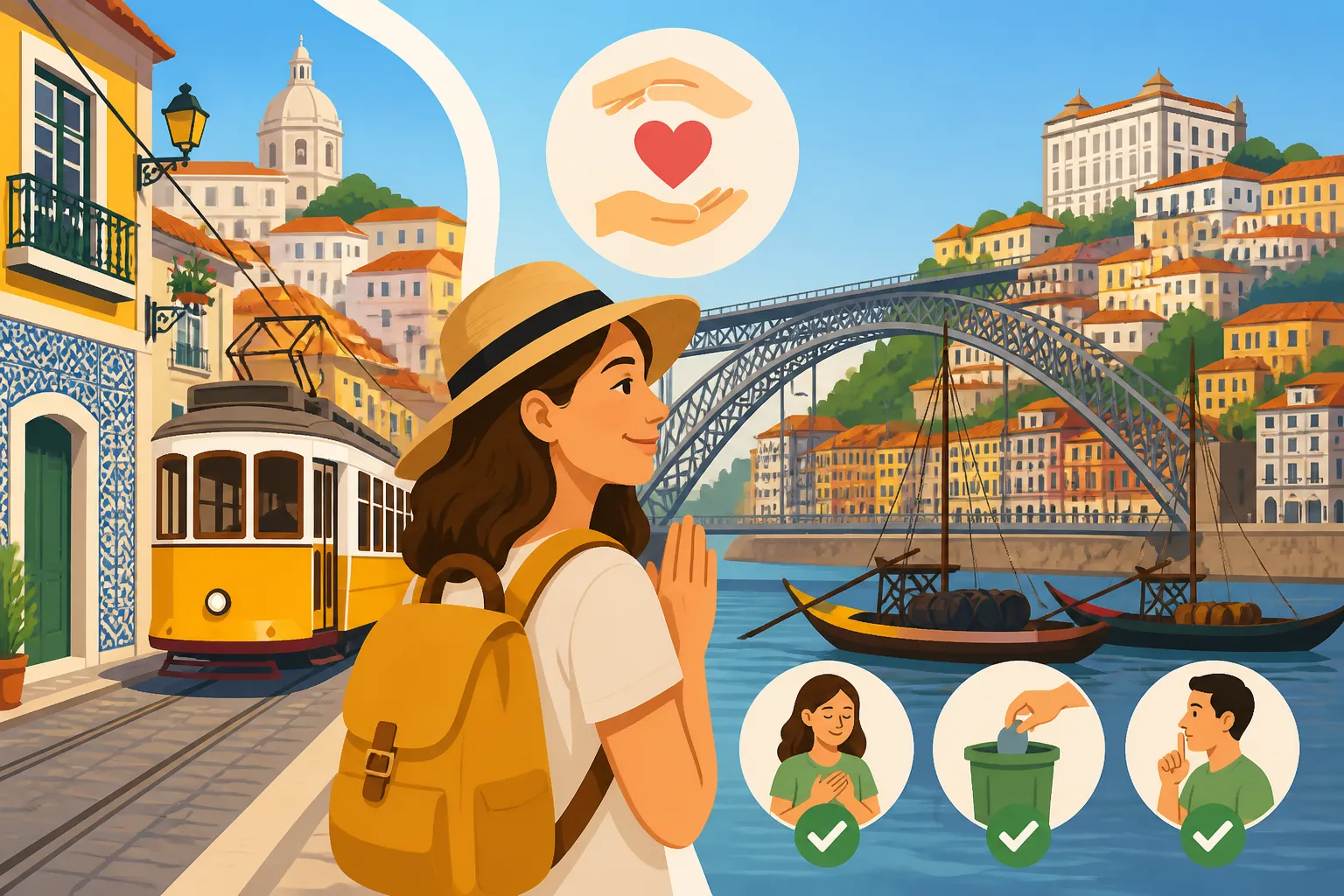
How to Be a Respectful Tourist in Lisbon and Porto
Disclosure: This article contains affiliate links. If you buy through them, we may earn a commission at no extra cost to you. Read our full disclosure.
It’s a common story: you arrive in Portugal, fall head over heels for its charm, and without even realizing it, you might be unintentionally stepping on some local toes. As long-term expats, we've seen the subtle shifts and the growing pains that come with Portugal's soaring popularity. This guide is here to equip you with the insights and practical tips you need to navigate Lisbon and Porto not just as a tourist, but as a truly considerate guest, ensuring your experience is as enriching for you as it is respectful of the local way of life.
Understanding the Pulse of Daily Life: Beyond the Tourist Traps
Portugal, and especially its vibrant cities like Lisbon and Porto, has a unique rhythm. It’s a place where tradition meets modernity, and sometimes, the influx of tourism can disrupt that delicate balance. Being a respectful tourist means acknowledging this and consciously choosing to engage with the city on its own terms, rather than just treating it as a backdrop for your vacation photos.
Respecting Residential Areas and Local Quietude
One of the biggest frustrations for locals, especially in areas like Lisbon’s Alfama or Porto’s Ribeira, is the transformation of residential buildings into short-term rentals and the subsequent noise and constant foot traffic. Imagine living in a building where your neighbors are constantly changing, lugging suitcases up narrow staircases, and perhaps, celebrating a bit too loudly on a Tuesday night. It’s not a welcoming situation.
When you're exploring these charming, often hilly, neighborhoods, remember that people actually live there. These aren't just quaint facades for your Instagram feed; they are homes. Be mindful of your voice levels, especially after 10 PM and before 8 AM. If you're renting an apartment through platforms like Booking.com, take a moment to read the house rules about noise and late-night returns seriously. Don't drag your luggage down cobblestone streets at 6 AM if there's an alternative – sometimes it's worth taking a taxi a bit further to avoid disturbing sleeping residents. This also extends to how you interact with shared spaces. Keep stairwells clear, avoid loud conversations in common areas, and treat the building's entrance as you would your own front door. Locals truly appreciate visitors who understand that their home isn't a hotel lobby. For more on navigating apartment living, you might find our guide on Quiet hours in Portuguese apartments Lei do Ruído: Handling noisy neighbors useful.
Public Transport Etiquette: Share the Ride, Share the Space
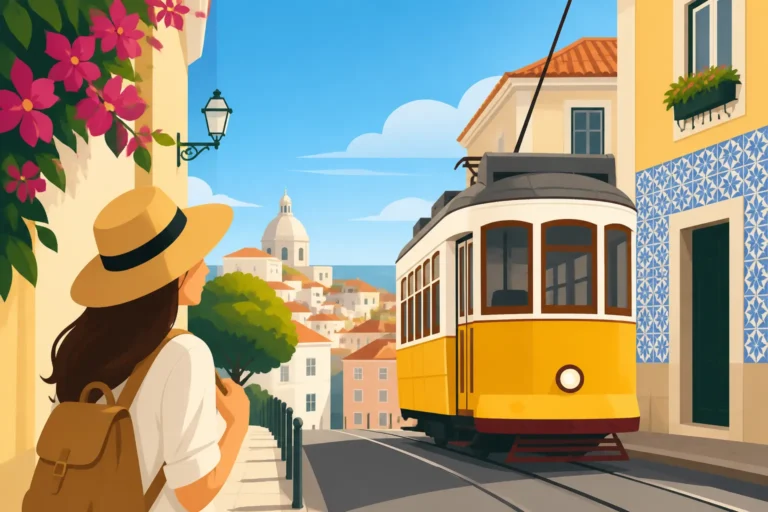
Lisbon and Porto's public transport systems are incredible, offering a cheap and efficient way to explore the cities. However, they are also essential for daily commuters. The iconic Tram 28 in Lisbon, for example, is not solely a tourist attraction; it's a lifeline for residents in hilly neighborhoods. Similarly, the metro lines in both cities are packed during rush hour.
When riding public transport, observe how locals behave. Let people exit before you try to board, offer your seat to the elderly, pregnant individuals, or those with mobility issues, and avoid blocking doorways with your backpacks or luggage. If you're traveling with large suitcases, especially during peak times, consider taking a taxi or ride-share service instead. It might cost a bit more, but it’s a gesture of respect that alleviates congestion for everyone else. Remember, people are trying to get to work, pick up their kids, or simply go about their day, and tourists crowding vital transport links can cause real stress. Using applications like Omio can help you plan your journeys and potentially find less crowded routes or alternative transport options like buses or trains for longer distances, which helps spread out the impact. You can learn more about getting around in our guide on Public Transport and Driving in Portugal: Trains, Tolls, and Licenses.
Manners Matter: Navigating Social Interactions and Personal Space
Portuguese culture is generally warm, polite, and community-oriented, but there are certain social customs that might differ from what you're used to. Embracing these small nuances can make a world of difference in how you're perceived and how much you enjoy your interactions.
The Power of "Bom Dia" and "Obrigado"
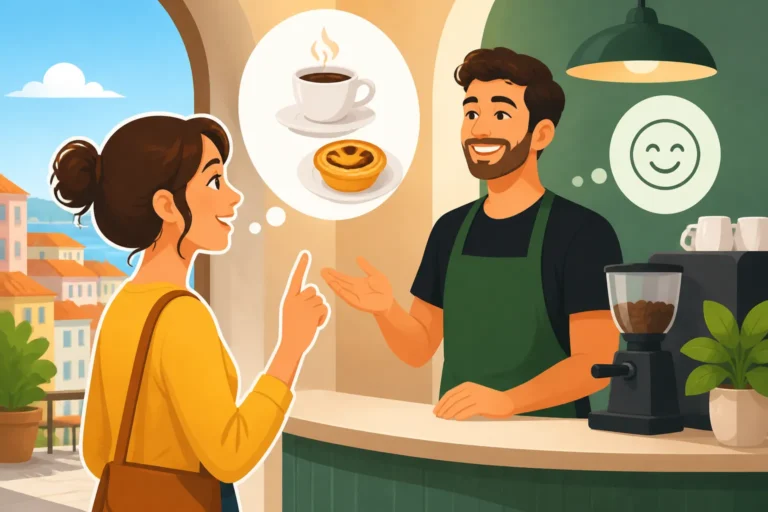
Never underestimate the power of basic Portuguese phrases. A simple "Bom dia" (Good morning), "Boa tarde" (Good afternoon), "Boa noite" (Good evening), or "Olá" (Hello) when entering a shop, restaurant, or even just greeting someone on the street, goes a long way. The same applies to "Obrigado" (thank you, if you're male) or "Obrigada" (thank you, if you're female). These aren't just polite words; they show you've made an effort to engage with their language and culture. Many locals in tourist areas speak English, but starting with a Portuguese greeting demonstrates respect and often opens the door to a warmer interaction.
In smaller shops or cafes, it's customary to greet the staff upon entering and say goodbye when leaving. It's a small cultural touch that acknowledges their presence and effort. Similarly, when asking for help or directions, always start with "Com licença?" (Excuse me?) before launching into English. It sets a positive tone. This kind of basic communication is part of the Daily Life in Portugal: Supermarkets, Language, and Cultural Etiquette that makes living here so special.
Dining Etiquette: Savor the Experience, Not Just the Food
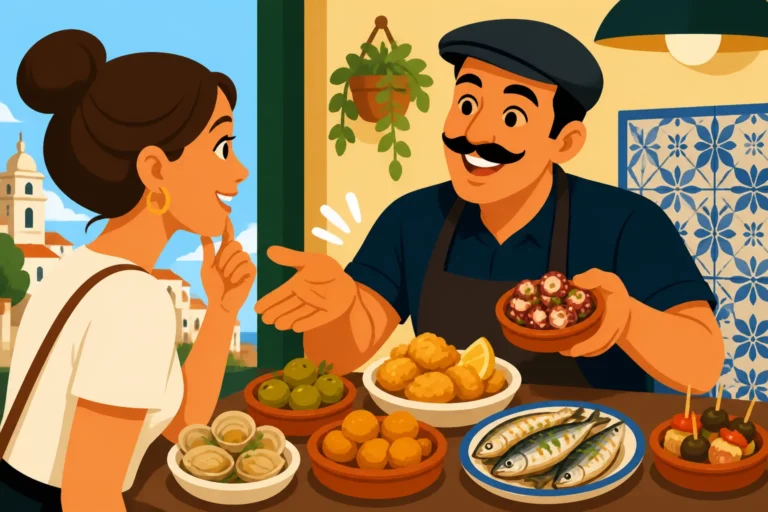
Portuguese dining is a social affair, meant to be enjoyed at a leisurely pace. Don't expect speedy service like in some other countries; meals are an experience. When you sit down, you might be presented with "couvert" – small appetizers like bread, olives, and cheese. It’s important to know that these are not free. If you eat them, you'll be charged. If you don't want them, simply say "Não, obrigado/a" (No, thank you) and the staff will take them away, no offense taken.
Tipping in Portugal is generally more subtle than in North America. A 5-10% tip is appreciated for good service, or simply rounding up the bill. There's no expectation of a huge percentage. For coffee culture, it's common to stand at the counter for a quick bica (espresso) during the day; taking up a table for a quick coffee might be seen as holding up space during busy periods. For a deeper dive into this, check out our piece on Portuguese Coffee Culture and Restaurant Etiquette: Ordering Like a Local. Also, don't be surprised if your bill doesn't automatically get split in Portugal. It’s often expected that one person pays, and friends sort it out amongst themselves later. Always carry some cash for smaller transactions or tips, as not all places accept cards, especially for small amounts.
Conscious Consumption: Shopping, Dining, and Supporting the Real Portugal
As a tourist, your spending habits have a direct impact on the local economy. Choosing where and how you spend your money can either contribute to overtourism and the displacement of local businesses or help preserve the authentic charm that drew you to Portugal in the first place.
Beyond Souvenirs: Shopping Local and Authentically
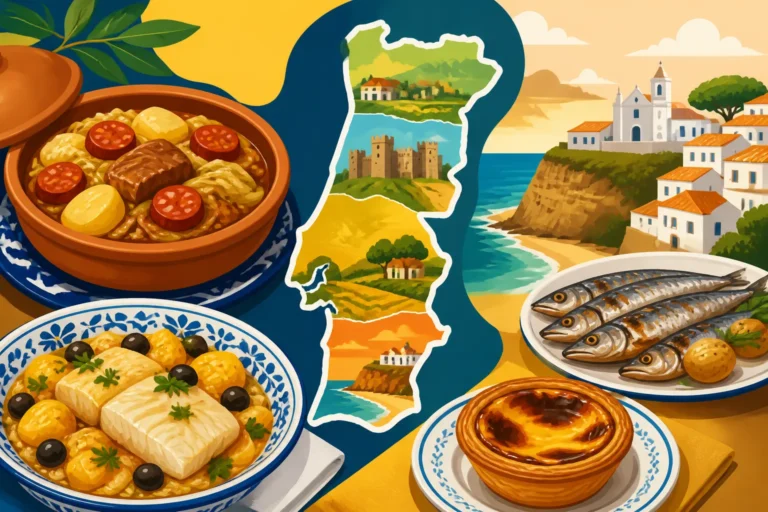
It's tempting to grab cheap souvenirs from tourist traps, but consider seeking out authentic local products. Explore local markets – like the Mercado da Ribeira (Time Out Market) in Lisbon (though parts of it are very touristy now, the original market section still thrives) or Mercado do Bolhão in Porto – for fresh produce, regional cheeses, and artisan goods. Look for shops selling handcrafted ceramics, cork products, or locally produced wines and olive oils. These purchases directly support Portuguese artisans and farmers, ensuring their traditions continue.
When considering tours or experiences, especially those offered via platforms like GetYourGuide, try to select options that emphasize local guides, sustainable practices, and cultural immersion rather than just ticking off famous landmarks. A small, independent walking tour or a cooking class that sources ingredients from a local market often provides a far richer and more respectful experience than a large bus tour. This helps ensure that the economic benefits of tourism reach a wider segment of the local community. For your day-to-day needs, exploring local grocery stores like Continente, Pingo Doce, or Auchan is a great way to experience local life and keep your costs down, as discussed in Grocery Shopping in Portugal: Continente, Pingo Doce, Auchan, and Mercados.
The Ethical Side of Short-Term Rentals
The rise of platforms like Booking.com has made travel incredibly accessible, but it's also contributed to a significant housing crisis in Lisbon and Porto. Many long-term rental properties have been converted into Alojamento Local (short-term tourist accommodation), driving up rents and making it harder for locals to afford to live in their own cities.
While it's convenient to stay in a central Airbnb, consider the broader impact. If possible, opt for hotels, guesthouses, or hostels that have been operating as such for a long time. If an apartment rental is your only option, try to choose properties outside the most densely residential areas or those that are clearly managed by professional tourism operators rather than homes that have been taken off the long-term rental market. Your choices, no matter how small, contribute to the overall landscape of these cities. If you're looking for different living options, our Lisbon Neighborhood Guide: Best Areas for Expats and Digital Nomads and Porto Neighborhood Guide: Where to Live for Culture, Tech, and Family offer insights into less tourist-saturated areas.
Respecting the Environment and Heritage: Protecting Portugal's Beauty
Portugal's beauty lies in its historic cities, pristine coastline, and natural landscapes. As visitors, we have a responsibility to help preserve these assets for future generations, both local and foreign.
Waste Management and Recycling: Do Your Part
Portugal, particularly its major cities, has made strides in recycling, with readily available "Ecopontos" (recycling bins) in distinct colors for glass, plastic/metal, and paper. When you're out and about, avoid littering at all costs. Hold onto your trash until you find a proper bin. If you’re staying in a short-term rental, inquire about the building’s specific recycling rules; sometimes there are designated bins within the building itself, or you'll need to use public Ecopontos.
Consider bringing a reusable water bottle. While tap water is generally safe to drink in most parts of Portugal, plastic waste is still a significant issue. Buying bottled water daily adds up, both environmentally and financially. Minimizing your plastic footprint is a simple but impactful way to be a more conscious traveler.
Historic Sites and Churches: Reverence and Care
Portugal's rich history is evident in its stunning churches, monasteries, and ancient ruins. When visiting religious sites, dress modestly – shoulders and knees should ideally be covered. Maintain a quiet demeanor, especially during services. Photography might be restricted in certain areas, so always look for signs. These are not just tourist attractions; they are active places of worship and cultural heritage.
The same respect applies to historic monuments and natural wonders. Don't climb on ancient structures, deface property with graffiti, or pick flowers from protected areas. These actions, however small they may seem, erode the very beauty and history that draw millions of people to Portugal each year. Treat these sites as you would a precious museum exhibit, understanding their irreplaceable value.
Table: Essential Portuguese Phrases for Respectful Interactions
Knowing a few key phrases can significantly enhance your interactions and show genuine respect.
| English Phrase | Portuguese Phrase (Male Speaker) | Portuguese Phrase (Female Speaker) | Context |
|---|---|---|---|
| Hello | Olá | Olá | General greeting |
| Good Morning | Bom dia | Bom dia | Until early afternoon |
| Good Afternoon | Boa tarde | Boa tarde | Until evening |
| Good Evening/Night | Boa noite | Boa noite | From evening onwards |
| Please | Por favor | Por favor | When asking for something |
| Thank You | Obrigado | Obrigada | Expressing gratitude |
| Excuse Me (to pass) | Com licença | Com licença | To get attention, or to pass someone |
| Excuse Me (sorry) | Desculpe | Desculpe | When you accidentally bump into someone |
| Yes | Sim | Sim | Affirmation |
| No | Não | Não | Negation |
| Do you speak English? | Fala inglês? | Fala inglês? | To check language ability politely |
| The bill, please. | A conta, por favor. | A conta, por favor. | Requesting the check at a restaurant |
Embracing the Slower Pace and Local Sensibilities
Perhaps one of the most important aspects of being a respectful tourist in Portugal is to simply slow down and observe. Life here moves at a different cadence. Rushing, complaining, or expecting things to operate exactly as they do in your home country will only lead to frustration for everyone involved.
Portuguese people are generally patient, resilient, and proud. They appreciate politeness, a good sense of humor, and sincerity. Don't be afraid to try new things, even if it feels a bit awkward. Order a local dish you can't pronounce, attempt a few more Portuguese words, or simply sit at a tasca (traditional tavern) and soak in the atmosphere. These are the moments where true cultural connection happens.
When planning your adventures, whether you’re booking activities through GetYourGuide or arranging transport with Omio, try to build in buffer time. Things might not always run perfectly on schedule, and getting flustered doesn't help. The Portuguese expression "Calma" (calm down) is often uttered with a knowing smile, reminding us that most things can wait. This relaxed approach is part of the charm, and embracing it is a sign of true respect for the culture. This cultural immersion is a key part of making friends and networking, as highlighted in Making Friends and Networking in Portugal: Expat Groups and Meetups, and truly makes your experience more authentic.
Ultimately, being a respectful tourist isn't about rigid rules; it's about being aware, empathetic, and open. It's about recognizing that you're a guest in someone else's home, and treating it with the care and appreciation it deserves. And trust me, when you do, Portugal will open its heart to you in return.
Disclaimer
The information provided in this guide is intended for general informational purposes only and is based on common observations and cultural norms in Portugal. Local customs and regulations can change, and individual experiences may vary. Always exercise common sense and courtesy, and if in doubt, observe local behavior or politely ask for clarification. This guide does not constitute legal or professional advice.