Easter and Holy Week (Páscoa) in Portugal
Disclosure: This article contains affiliate links. If you buy through them, we may earn a commission at no extra cost to you. Read our full disclosure.
If you are planning to spend Holy Week in Portugal, you might be surprised to find that the country’s usual laid-back rhythm shifts into something much more profound and, occasionally, logistically challenging. Many travelers and new residents find themselves stranded by sudden train cancellations or staring at the "Closed" signs of every restaurant in town on Easter Sunday. This guide solves those frustrations by detailing exactly what to expect, where the most authentic traditions are held, and how to navigate the practical hurdles of a Portuguese Páscoa.
Understanding the Cultural Significance of Páscoa in Portugal
Easter, or Páscoa, is arguably the most important religious and family event on the Portuguese calendar, often overshadowing even Christmas in its traditional depth. For a veteran expat, the first thing you notice is that this isn't just about chocolate bunnies; it is a deeply atmospheric week where the modern world takes a back seat to centuries-old rituals. To truly enjoy it, you have to understand that the country essentially splits into two modes: the solemn, mournful processions of Holy Thursday and Good Friday, and the explosive, joyous family celebrations of Easter Sunday.
Catholic Roots and National Identity
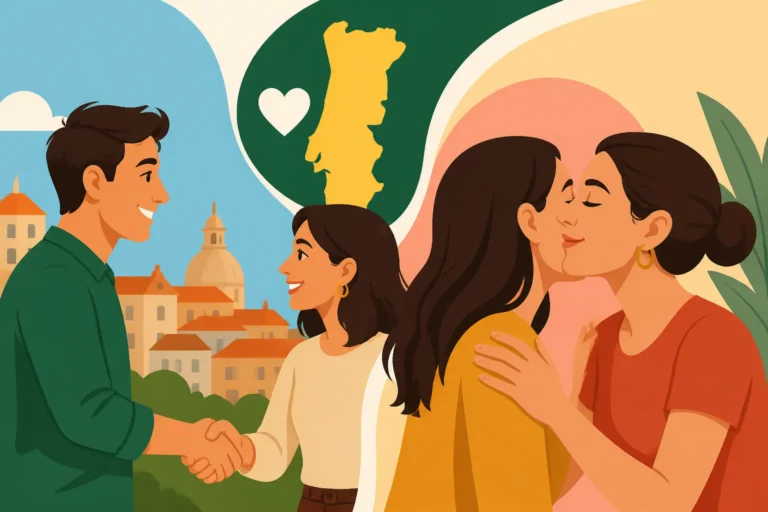
Portugal’s identity is inextricably linked to its Catholic heritage, and Holy Week is the clearest expression of this bond. In smaller villages, you will see the "Compasso Pascal," a tradition where a local priest, accompanied by a small bell-ringing procession, visits homes to bless them with holy water. As an expat, seeing your neighbors lay out flower petals on their doorsteps in anticipation of the priest’s visit is a beautiful, albeit startling, introduction to local life. This isn't just "the church" performing a rite; it is the community reaffirming its ties. If you are still Learning European Portuguese, you’ll find that "Boa Páscoa" is the essential greeting during this time, and saying it with a genuine smile will open many doors—and perhaps get you invited for a glass of Port wine.
Regional Differences: North vs. South
The way Páscoa is celebrated changes significantly as you move from the rainy, granite-hewn cities of the north to the sun-baked plains of the Alentejo. In the north, particularly in Minho, the celebrations are grand, somber, and deeply theatrical. The influence of the church is palpable in every cobblestone street. In the south, while the religious element remains, there is often a more Mediterranean, communal feel to the festivities, with a heavy emphasis on outdoor feasts and spring festivals. When deciding Where to Live in Portugal, understanding these regional cultural "vibes" is crucial, as the intensity of Holy Week can be overwhelming for those not used to living in a deeply traditional environment.
Major Holy Week Celebrations and Processions
If you want to see the "real" Portugal during Holy Week, you need to head to specific towns that have preserved their medieval and baroque traditions with startling clarity. These events are not put on for tourists; they are lived by the locals, which makes the experience incredibly moving. However, because these events draw thousands of people, it is wise to check Booking.com months in advance to secure a room within walking distance of the historic centers, as driving and parking during these festivals is a nightmare.
Braga: The Religious Capital
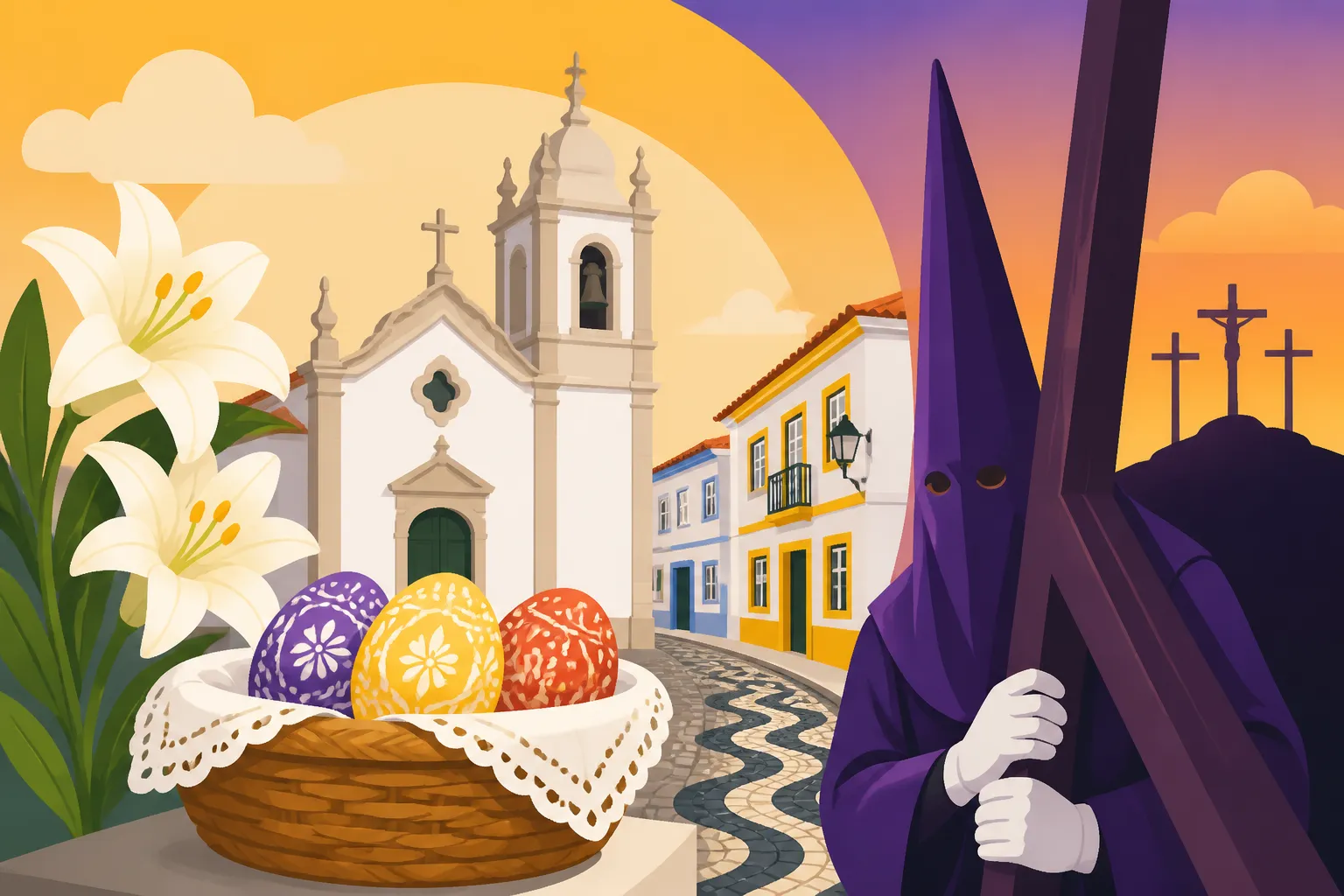
Braga is the undisputed heart of Portuguese Holy Week. The "Semana Santa de Braga" is world-renowned for its "Farricocos"—men dressed in black tunics and hoods, carrying torches and rattles (matracas) to symbolize the ancient tradition of public penitence. Walking the streets of Braga on Maundy Thursday is like stepping back into the 16th century. The air is thick with the smell of incense and the sound of the rattles is haunting. It is a spectacular display of faith and history, but be prepared for massive crowds. If you are coming from Lisbon or Porto, using the Comboios de Portugal (CP) Trains is the most efficient way to arrive, provided you book your tickets early.
Óbidos: Medieval Mystique
The walled town of Óbidos provides a stunning backdrop for Holy Week. The torch-lit processions through the narrow, whitewashed streets are particularly evocative. On Good Friday, the "Procession of the Burial of the Lord" takes place, where the entire town is plunged into darkness, lit only by handheld lanterns and torches. It is silent, save for the rhythmic chanting and the occasional sob. It’s a very different experience from the grandiosity of Braga—more intimate and arguably more atmospheric. For those staying in the capital, you can often find day trips or guided evening tours through GetYourGuide that handle the transport for you, which is a lifesaver given the limited parking outside the city walls.
Castelo de Vide: The Sephardic Influence
For a unique twist on the holiday, head to the Alentejo town of Castelo de Vide. Here, the Easter celebrations are famous for their "Chocalhada"—the ringing of thousands of cattle bells on Saturday night to mark the resurrection. What makes this town special is its rich Jewish heritage. During Holy Week, you can see how Christian and Jewish traditions merged over centuries. It is one of the few places where the blessing of the lambs still holds a central role, reflecting the town's history as a center for the wool trade and its Sephardic roots. It is a louder, more rustic celebration that highlights the diversity of Portuguese culture.
Traditional Portuguese Easter Foods
Food is the language of love in Portugal, and at Easter, that language is spoken through bread, lamb, and a dizzying array of almonds. As an expat, you will likely be gifted food during this week, and knowing the significance of what you’re eating is part of the cultural integration process.
Folar de Páscoa: More than Just Bread
The Folar is the undisputed king of the Easter table. In the north, particularly in Tras-os-Montes, the Folar is a savory, heavy bread stuffed with various meats like presunto, linguíça, and salpicão. It’s a meal in itself. However, in most of the country, the Folar is a sweet, brioche-like bread flavored with cinnamon and fennel, often topped with a hard-boiled egg held in place by a cross of dough. The egg symbolizes rebirth and the resurrection. Don't be surprised if your local bakery has a line out the door just to pick these up. If you are Ordering Like a Local, make sure to specify whether you want "doce" (sweet) or "salgado" (savory) depending on where you are.
Cabrito and Lamb: The Sunday Feast
While Americans might think of ham and Brits of roast beef, the Portuguese Sunday Easter lunch is all about Cabrito (roast kid goat) or Anho (lamb). This is usually slow-roasted in a wood-fired oven with plenty of garlic, wine, and rosemary, served alongside "batatas assadas" (roast potatoes) and "arroz de miúdos" (rice made with the animal's offal). It is a rich, heavy, and deeply satisfying meal. For many expats, the sight of whole goats being sold in the local "mercado" can be a bit of a shock, but the flavor of a well-prepared Cabrito is one of the highlights of living in rural Portugal.
Almonds and Pão de Ló: The Sweet Side
No Páscoa is complete without Amêndoas de Páscoa. These aren't just any almonds; they are sugar-coated, chocolate-covered, or caramelized. There is a strong tradition of godparents giving a bag of these almonds to their godchildren on Easter Sunday. Alongside the almonds, you will find Pão de Ló, a light, airy sponge cake. The most famous is the Pão de Ló de Ovar, which is intentionally underbaked in the center, creating a creamy, egg-rich sauce that you eat with a spoon. It’s incredibly sweet and an absolute staple of the holiday.
| Tradition | Description | Regional Focus |
|---|---|---|
| Farricocos | Hooded penitents carrying torches and rattles. | Braga |
| Compasso Pascal | Priest visiting homes with a bell and holy water. | Rural Villages (North/Center) |
| Chocalhada | Thousands of cowbells ringing at midnight. | Castelo de Vide |
| Enterro do Senhor | Solemn burial procession of Christ. | Nationwide / Óbidos |
| Folar Salgado | Bread stuffed with cured meats. | Trás-os-Montes |
Practical Travel Logistics for Holy Week 2026
If you are traveling within Portugal during Holy Week, you need to plan with the precision of a military operation. This is peak domestic travel season. Thousands of Portuguese people living in Lisbon or abroad head "home" to the village for the weekend. This creates a massive strain on the infrastructure that can catch the unprepared tourist off guard.
Transport Hubs and Holiday Schedules
Expect the major motorways (A1 and A2) to be heavily congested on the Wednesday and Thursday before Easter and the Monday after. If you are using public transport, I highly recommend using Omio to compare bus and train times across different operators like Rede Expressos and CP. Be aware that on Good Friday and Easter Sunday, many bus routes operate on a "Sunday/Holiday" schedule, which often means significantly fewer departures. Always download the Comboios de Portugal (CP) app to stay updated on real-time delays or strikes, which occasionally happen during peak holiday periods.
Booking Accommodations and Tours
Because Holy Week in 2026 falls in early April, the weather can be unpredictable, but the demand for rooms is not. If you want to stay in a "Pousada" (historic hotel) in a town like Évora or Guimarães, you should use Booking.com to lock in a refundable rate at least four to five months out. Similarly, if you want a guided experience to explain the nuances of the rituals, look for specialized tours on GetYourGuide. These often sell out because they are one of the few ways to get "front row" access to processions without standing on a street corner for four hours.
Expat Survival Guide: Navigating Closures and Etiquette
For those of us who have lived here for years, we know that the "August Shutdown" is famous, but the "Easter Lockout" is more abrupt. You can be caught without groceries or a place to eat if you don't pay attention to the local rhythm.
Managing the "Everything is Closed" Reality
On Good Friday, many shops and smaller supermarkets will close or have reduced hours. However, Easter Sunday is the real challenge. Almost every family-run restaurant and local shop will be closed so the staff can spend the day with their families. Large shopping malls in Lisbon or Porto might stay open, but the charm of a Sunday lunch in a small village tavern will be impossible to find unless you have a reservation made weeks in advance. My advice? Stock up on essentials by Thursday, and if you haven't booked a restaurant for Sunday, plan for a long, lazy picnic or a home-cooked meal. Check the Portuguese public holidays 2026 calendar to see exactly which days are "feriados" so you aren't surprised by bank closures.
Visiting Churches and Respecting the Rituals
If you decide to enter a church during a service or watch a procession, remember that these are deeply religious events, not just parades. Dress modestly—save the shorts and flip-flops for the beach. While photography is generally allowed, avoid using a flash or sticking a camera in the face of a penitent during a somber procession. If you are attending a "Missa" (Mass), even if you aren't religious, it is respectful to stand and sit when the congregation does. Being a "good neighbor" is a huge part of the expat experience here, and showing respect during their most holy week goes a long way.
Summary Table of Regional Traditions
To help you decide where to go, here is a quick breakdown of the vibes you can expect in different parts of the country during Páscoa.
| Region | Vibe | Best For | Key Food |
|---|---|---|---|
| Minho (Braga) | Grand, Somber, Traditional | History & Architecture | Folar de Braga |
| Alentejo | Rustic, Communal, Folkloric | Village Atmosphere | Roast Lamb |
| Lisbon/Central | Artistic, Medieval, Crowded | Nighttime Processions | Pão de Ló |
| Algarve | Spring Festival, Lighter | Family Holidays | Sweet Folar |
Disclaimer
This guide is intended for informational purposes only. Local traditions, event schedules, and transport availability can change without notice due to weather, local government decisions, or religious administrative changes. While we strive to provide the most accurate and up-to-date information for 2026, always verify specific festival dates and opening hours with local tourism offices or official websites before making non-refundable travel arrangements. Participation in religious events should be done with respect for local customs and privacy.