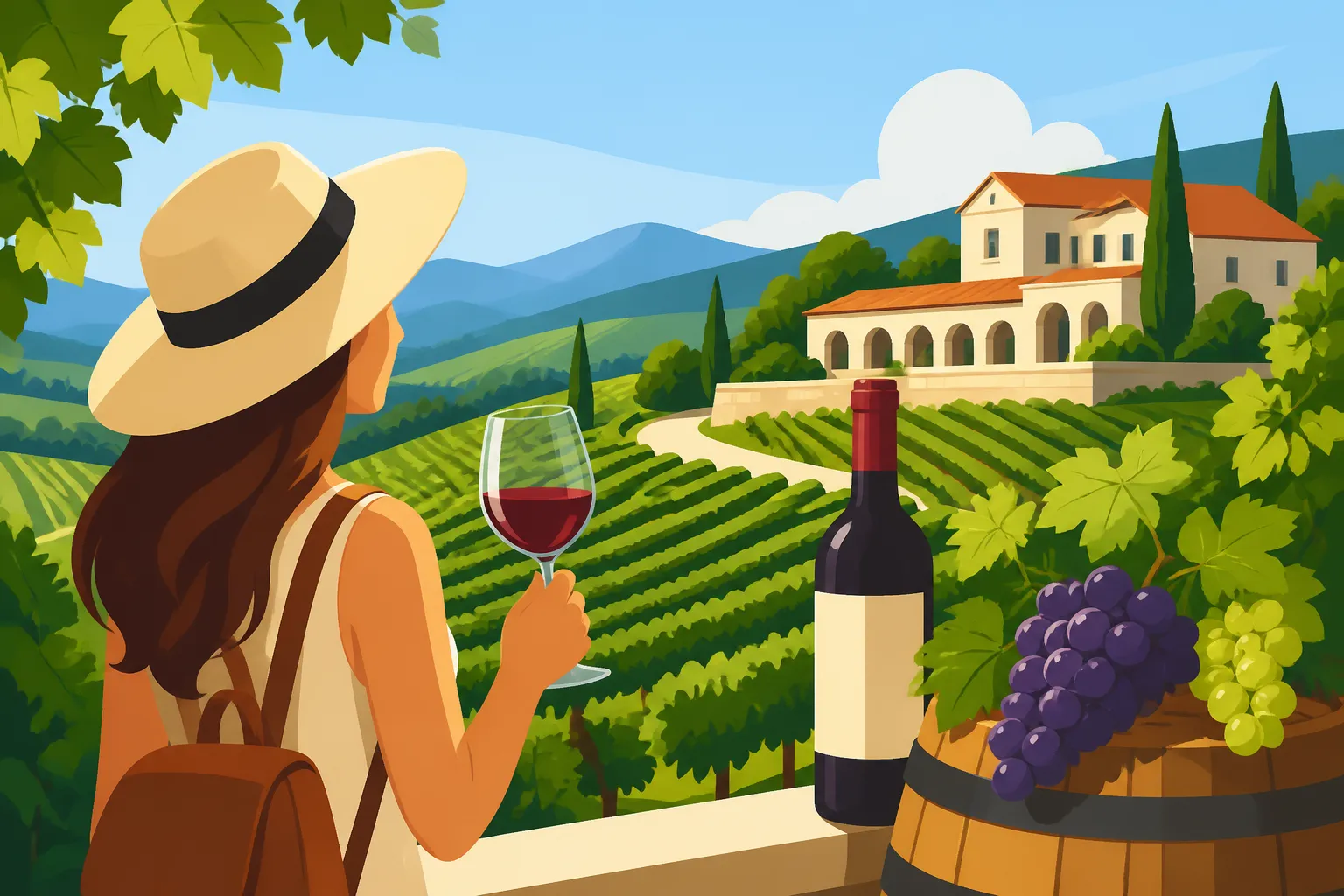
How to Visit a Winery (Quinta) in Portugal
Disclosure: This article contains affiliate links. If you buy through them, we may earn a commission at no extra cost to you. Read our full disclosure.
Ah, Portugal! The land of sun, sea, and, oh, the wine! Many of you, like me, arrived here dreaming of those picturesque vineyards, the rolling hills, and a glass of something exquisite right at the source. But then you realize that actually getting to one of those beautiful quintas (that's what we call a winery here, by the way) and navigating the whole experience isn't always as simple as hopping on a bus. From deciphering regional specialties to tackling transport in areas where English isn't king, it can feel a bit daunting. This guide is going to walk you through everything you need to know to make your Portuguese winery visit an absolute delight, not a headache.
Choosing Your Wine Region and Quinta for the Perfect Sip
Portugal is a country steeped in winemaking history, with diverse microclimates and traditions that produce an incredible array of wines. Deciding where to go for your winery visit can feel overwhelming, especially when every region boasts its unique charm and distinct flavors. But trust me, once you understand the lay of the land, you’ll be able to pinpoint the perfect quinta for your palate and preferences.
Popular Wine Regions and What They Offer
Let's break down the major players so you know what you're getting into. Each region has its own personality, much like the wines it produces.
- Douro Valley: This is probably the most famous, and for good reason. The dramatic terraced vineyards of the Douro Valley, a UNESCO World Heritage site, are simply breathtaking. This is the birthplace of Port wine, but don't pigeonhole it – the Douro also produces some of Portugal's most robust and elegant red table wines. Think bold, complex reds with dark fruit notes and often a hint of spice. White wines from the Douro are also gaining recognition, offering freshness and minerality. A trip here often involves scenic train rides along the river, like the historic Linha do Douro, and visits to large, historic estates or smaller, family-run operations perched on hillsides. Many quintas in the Douro, such as Quinta do Crasto or Quinta da Pacheca, are well-equipped for international visitors, offering tours in English.
- Alentejo: Head south from Lisbon, and you'll find yourself in the vast, golden plains of Alentejo. This region is a stark contrast to the Douro, with its gently undulating landscapes, cork oak forests, and scorching summers. Alentejo wines, especially the reds, are known for being full-bodied, fruity, and approachable, often with a pleasant smoothness. They often use indigenous grapes like Trincadeira, Aragonez (Tempranillo), and Alicante Bouschet. You'll also find some lovely, crisp white wines here that are perfect for a warm afternoon. Many quintas in Alentejo offer a more rustic, charming experience, often coupled with traditional Alentejo cuisine.
- Vinho Verde: Up in the lush, green northwest, the Vinho Verde region stands apart with its unique "green wine." Now, don't let the name fool you – it's not actually green in color, but rather refers to its youthful, fresh characteristics. These wines are typically low in alcohol, slightly effervescent, and bursting with citrus and floral notes. While mostly white, there are also red and rosé Vinho Verdes. They are incredibly refreshing, perfect for a hot day or with seafood. The landscape here is very different from the Douro or Alentejo – it's much wetter and greener, with vineyards often grown on trellises high off the ground. Getting around here can be a bit trickier without a car, but the charm of the small towns and vibrant culture makes it worth the effort.
- Dão: Tucked away in the mountainous center of Portugal, the Dão region produces some of Portugal's most elegant and long-lived red wines. Often compared to Burgundy or Bordeaux for its finesse, Dão wines are known for their balance, acidity, and aromatic complexity, frequently showcasing the Touriga Nacional grape. They tend to be less overtly powerful than Douro or Alentejo reds, favoring subtlety and structure. The region's geography, with vineyards nestled among pine forests, creates a cooler climate that contributes to the wines' characteristic freshness.
- Lisbon and Península de Setúbal: Closer to the capital, you'll find a surprising diversity of wine regions. The Lisbon region (formerly Estremadura) is a sprawling area producing everything from light whites to robust reds, with a focus on indigenous grapes like Arinto, Fernão Pires, and Castelão. Just south of Lisbon, the Península de Setúbal is famous for its Moscatel de Setúbal, a rich, aromatic fortified wine that rivals Port for complexity and sweetness, as well as excellent red and white table wines. These regions are very accessible for those staying in or around Lisbon, making them ideal for a day trip.
Selecting the Right Quinta for Your Experience
Once you have a region in mind, the next step is to pick the actual winery. Do you envision a grand, historic estate or a more intimate, family-run operation? Each offers a distinct experience. Large, commercial quintas often have slicker visitor centers, multi-lingual staff, and a broader range of tours and activities, including sometimes even restaurants and accommodation. They might be easier to reach and book, and they're usually well-versed in handling international guests.
However, sometimes the magic truly happens at the smaller, more traditional quintas. Here, you might get a more personal tour led by the winemaker or owner, a deeper dive into their specific philosophy, and a real sense of connection to the land and its history. The downside? They might be harder to find, less likely to have English-speaking staff, and require more advance planning and direct communication. For example, some small operations in the Vinho Verde region might require you to call ahead in Portuguese or email well in advance. Consider what kind of atmosphere you're seeking: an educational, in-depth wine journey, or a relaxed day out with beautiful scenery and good wine? Researching online, reading reviews, and even asking for recommendations in expat groups can help you find your perfect match.
Planning Your Visit: Logistics and Bookings
So, you've picked your dream wine region and maybe even a specific quinta. Now comes the fun part: making it actually happen. And let's be honest, in Portugal, "fun part" sometimes translates to "administrative challenge." But with a bit of foresight, you can smooth out most of the bumps.
Transportation Options to Wineries
Getting to these often-remote vineyards requires some thought, as public transport can be, shall we say, character-building outside of major city centers.
- Driving Yourself: This is often the most flexible option. Renting a car gives you the freedom to explore at your own pace, stop for photos whenever you like, and visit multiple quintas in a day. However, it comes with its own set of considerations. Portuguese roads, especially in the countryside, can be narrow, winding, and sometimes poorly marked. GPS systems are generally reliable, but don't be surprised if you end up on a cobbled lane meant more for tractors than tourists. Plus, if you're planning on doing a tasting, you'll need a designated driver! Don't even get me started on the toll roads – make sure your rental car comes with a Via Verde transponder, or you'll be dealing with fines down the line. If you're considering a longer stay, you might want to look into Buying a Car in Portugal: IUC Tax, Inspections (IPO), and High Vehicle Costs and understanding Navigating the Portuguese Toll System: Via Verde and Electronic Tolls.
- Trains: For certain regions, particularly the Douro Valley, trains are a fantastic option. The Linha do Douro from Porto offers incredibly scenic journeys right along the river, depositing you in towns like Pinhão or Régua, which are home to many renowned quintas. From these stations, you might need a short taxi ride or an arranged pick-up from your chosen winery. Using the Comboios de Portugal (CP) network is usually straightforward, and you can even book tickets in advance. However, train routes are limited to specific corridors, so they won't get you to every quinta in every region. For broader travel around Portugal, knowing how to use Using Comboios de Portugal (CP) Trains and the Navegante Pass can be quite useful.
- Taxis/Ride-sharing: In more populated areas or tourist hotspots, taxis and ride-sharing apps like Uber or Bolt can be an option. However, venturing deep into the countryside for a quinta can be expensive for a taxi, and finding a return ride might be challenging, especially from smaller, more isolated locations. Always confirm availability and pricing with the driver beforehand. While often convenient in cities, rural areas are a different beast. If you're curious about local ride-sharing, you might want to check out Using Bolt vs Uber in Portugal: Which ride-hailing app is cheaper?.
- Organized Tours: For many expats and tourists, this is the easiest and most stress-free way to experience Portuguese wineries. Tour operators handle all the transportation, bookings, and often provide a knowledgeable guide who can translate and offer insights. This way, everyone in your group can enjoy the tastings responsibly. You'll find a plethora of options from major cities like Lisbon and Porto. Platforms like GetYourGuide offer a wide selection of half-day or full-day tours to the Douro, Alentejo, or Setúbal, catering to different budgets and interests. This takes all the guesswork out of the logistics, leaving you free to simply enjoy the wine and the scenery.
Booking Your Tour and Tasting
This is where the infamous Portuguese "it will happen when it happens" mentality can sometimes collide with an expat's desire for concrete plans. My advice? Book in advance, always.
For popular quintas, especially in high season (summer and harvest time), tours can fill up quickly. Even smaller operations appreciate a heads-up so they can ensure staff are available, especially if you require an English-speaking guide. Most quintas have websites where you can find contact details for bookings. Don't be shy about sending an email, but if you don't hear back within a few days, a follow-up email or even a phone call (if you're comfortable with some basic Portuguese or have a friend to help) might be necessary. Some larger quintas allow online booking directly through their site.
When booking, specify your preferred language for the tour and if you have any dietary restrictions if food is included. Also, inquire about the different types of tours and tastings offered – some might include a vineyard walk, a cellar tour, a basic tasting, or a more elaborate premium tasting with food pairings. Don't forget to ask about duration and price.
If you're planning an overnight stay at a quinta that offers accommodation, check platforms like Booking.com. Many wineries now operate charming guesthouses right on the property, offering an immersive experience where you can wake up to vineyard views. Booking.com can also be useful for finding hotels or guesthouses in nearby towns if the quinta itself doesn't offer lodging, making your trip planning simpler.
What to Expect: The Winery Experience in Portugal
So you've arrived, maybe a little bewildered by the winding roads but definitely excited. What happens next? A visit to a Portuguese quinta is more than just drinking wine; it's an immersion into culture, history, and a way of life that has shaped generations.
Tour Components and Tasting Etiquette
A typical winery visit will usually begin with a guided tour, giving you a comprehensive look into the winemaking process from grape to glass.
- The Vineyard Walk: Often, the tour will start with a stroll through the vineyards. Your guide will explain the different grape varieties (many of them indigenous to Portugal!), the local terroir (the unique combination of soil, climate, and topography that gives the wine its character), and the annual cycle of grape cultivation. You might learn about traditional methods of pruning and harvesting, or how modern sustainability practices are being integrated. This is a chance to truly connect with the land and understand the origins of the wine you're about to taste. Ask questions! Portuguese winemakers are passionate and usually delighted to share their knowledge.
- The Cellar Tour: Next, you'll likely head into the heart of the operation: the cellar. Here, you'll see the crushing and fermentation tanks (often stainless steel for whites and some reds, or traditional granite lagares for Port and Alentejo reds). You'll then typically move into the aging cellars, where rows of oak barrels or large vats (barricas or tonéis) hold the wine as it matures. The guide will explain the aging process, the role of oak, and how the wine develops its complexity over time. For Port wine quintas, this part is particularly fascinating as you learn about the fortification process and the different styles of Port.
- The Tasting: This is, for many, the highlight! You'll typically be seated in a dedicated tasting room, sometimes with panoramic views of the vineyards. You'll usually be offered a selection of wines produced by the quinta, often ranging from entry-level to premium labels.
- Listen to your guide: They will introduce each wine, explaining its characteristics, grape varietals, and ideal food pairings.
- Observe: Look at the wine's color and clarity. Is it deep ruby, pale straw, or something in between?
- Smell: Swirl the glass gently to release the aromas. What do you detect? Fruit, floral, earthy, spicy notes? Don't be afraid to describe what you smell, even if you feel silly. There's no right or wrong answer!
- Taste: Take a small sip, let it coat your mouth, and pay attention to the flavors, acidity, sweetness, and tannins (that drying sensation in your mouth, especially with reds). Don't feel pressured to finish every glass, especially if you're tasting several wines. It's perfectly acceptable to spit the wine into the provided buckets if you don't want to consume too much alcohol, particularly if you have a driver or more quintas to visit. This is standard practice in professional tastings.
- Food Pairings: Some tastings will include small bites of local cheeses, cured meats, or bread, which can beautifully complement the wines and enhance the tasting experience.
Beyond the Wine: Food, Accommodation, and Shopping
Many quintas have evolved into full-fledged wine tourism destinations, offering much more than just a wine tour.
- Gastronomy: It's common for wineries to have their own restaurants or offer curated dining experiences. Imagine savoring traditional Portuguese dishes, perfectly paired with the quinta's own wines, all while overlooking the very vineyards where the grapes were grown. These meals often feature fresh, local, and seasonal ingredients, providing a true farm-to-table experience. Booking these dining experiences in advance is highly recommended, especially for lunch or dinner. You'll discover that Portuguese cuisine, much like its wine, is deeply rooted in local tradition, offering incredible flavors that perfectly complement the regional wines. If you're generally interested in learning more about local dining customs, you might enjoy reading about Portuguese Coffee Culture and Restaurant Etiquette: Ordering Like a Local.
- Accommodation: As mentioned, many quintas now offer charming on-site accommodation, ranging from rustic farmhouses to luxurious boutique hotels. Staying at a quinta allows for a truly immersive experience, letting you relax amidst the vineyards and often participate in activities like grape harvesting (during September/October) or cooking classes. Waking up to the tranquility of the countryside, with the scent of grapes in the air, is an unforgettable experience. Websites like Booking.com are excellent resources for finding these unique stays directly on winery properties, making it easy to see photos, read reviews, and compare prices.
- Shopping: Naturally, you'll have the opportunity to purchase wines directly from the quinta. This is often a great way to buy special vintages or bottles that might not be available in regular supermarkets or wine shops. Beyond wine, many quintas also sell other local products, such as olive oil produced from their own groves, artisanal cheeses, jams, and regional handicrafts. It's the perfect place to pick up authentic souvenirs and gifts, knowing you're supporting local producers. Some will even offer shipping services for larger purchases, saving you the hassle of carrying bottles home.
Insider Tips for a Smooth Quinta Experience
After years of living here and countless trips across this beautiful country, I've picked up a few pointers that can make your quinta visit even better. It’s all about embracing the local way and being prepared for the quirks.
Language, Attire, and Cultural Nuances
Let's be realistic: while many quintas in tourist-heavy regions cater to English speakers, it's not a guarantee everywhere.
- Language: Don't assume everyone will speak fluent English, especially in smaller, more rural quintas. Learning a few basic Portuguese phrases like "Olá" (Hello), "Obrigado/a" (Thank you), "Por favor" (Please), and "Eu gostaria de uma degustação de vinhos" (I would like a wine tasting) goes a long way. Locals truly appreciate the effort, and it can open doors to warmer interactions. Even having Google Translate handy on your phone for complex questions can be a lifesaver. If you're keen to dive deeper, consider resources for Learning European Portuguese: Top Apps, Tutors, and Free Government Classes.
- Attire: You're visiting a working farm, not a fancy city restaurant. Comfortable shoes are a must, especially if your tour includes a walk through the vineyards. The terrain can be uneven, dusty, or even muddy, depending on the season. While you don't need to dress formally, smart casual is generally appropriate. Layers are always a good idea, as cellars can be surprisingly cool even on a hot day, and Portuguese weather can change its mind without much warning.
- Pace: Portugal operates on a different rhythm. Don't expect things to be rushed. Embrace the slower pace, known as calma, and allow plenty of time for your visit. Rushing through a tour or tasting will detract from the experience. This relaxed approach is part of the charm! Be patient if things take a little longer than you're used to, and enjoy the moment.
Combining Your Visit with Other Attractions
To truly maximize your experience, think about how your quinta visit fits into a broader itinerary.
- Regional Exploration: A winery visit is often just one piece of the puzzle. For example, if you're in the Douro, combine your quinta tour with a scenic river cruise on a traditional rabelo boat. If you're in Alentejo, explore historic towns like Évora or Monsaraz, or visit a cork factory. In the Vinho Verde region, you could explore the historic city of Braga or the charming coastal towns. Planning your trip strategically can turn a simple winery visit into a rich cultural immersion.
- Nearby Towns and Villages: Many quintas are located near picturesque towns or villages that are worth exploring. These smaller communities offer a glimpse into authentic Portuguese life, with their local markets, traditional restaurants, and historic sites. Plan to spend some time wandering the streets, perhaps enjoying a local meal before or after your winery tour. This is also where you might find charming guesthouses or small hotels if the quinta itself doesn't offer accommodation, and Booking.com is great for finding these local gems.
- Optimizing Travel: If you're relying on public transport, check schedules carefully. For longer distances, trains are usually reliable and comfortable. You can check routes and book tickets for domestic travel on platforms like Omio, which aggregates different transport options. If you're driving, plan your route to minimize backtracking and maximize your sightseeing opportunities. Remember that some of the most beautiful drives are not on the main highways.
| Wine Region | Primary Wine Types & Characteristics | Accessibility (from major cities) | Unique Experience Highlights | Recommended Length of Stay |
|---|---|---|---|---|
| Douro Valley | Port Wine (Ruby, Tawny, Vintage), Robust Red Table Wines | Moderate (Train from Porto) | Terraced vineyards, River cruises, Historic quintas, Scenic train rides | 1-2 full days |
| Alentejo | Full-bodied Red Wines, Crisp White Wines | Easy (Drive from Lisbon) | Rolling plains, Cork forests, Traditional cuisine, Roman ruins, Charming towns | 1 full day |
| Vinho Verde | Light, Fresh, Slightly Effervescent White Wines (also Red & Rosé) | Moderate (Drive from Porto) | Lush green landscapes, Coastal proximity, Youthful, refreshing taste | 1 full day |
| Dão | Elegant, Aromatic Red Wines (often Touriga Nacional), Some Whites | Moderate (Drive from Porto/Lisbon) | Mountainous terroir, Pine forests, Finesse in reds, Lesser-known charm | 1 full day |
| Península de Setúbal | Moscatel de Setúbal (Fortified), Full-bodied Red & White Table Wines | Easy (Drive from Lisbon) | Sweet wine focus, Arrábida Natural Park, Accessibility to Lisbon | Half to 1 full day |
Visiting a quinta in Portugal is a truly rewarding experience, offering a blend of natural beauty, cultural insight, and, of course, delicious wine. With a little planning and an open mind, you’ll navigate the quirks and discover the incredible hospitality and passion that goes into every bottle. Saúde!
Disclaimer
The information provided in this guide is intended for general informational purposes only and may not reflect the most current regulations or individual circumstances. While we strive to keep the information up-to-date and accurate, Portugal's administrative processes and local conditions can change. We recommend verifying all details with official sources, quintas directly, or professional advisors before making any decisions related to travel, accommodation, or specific winery visits.