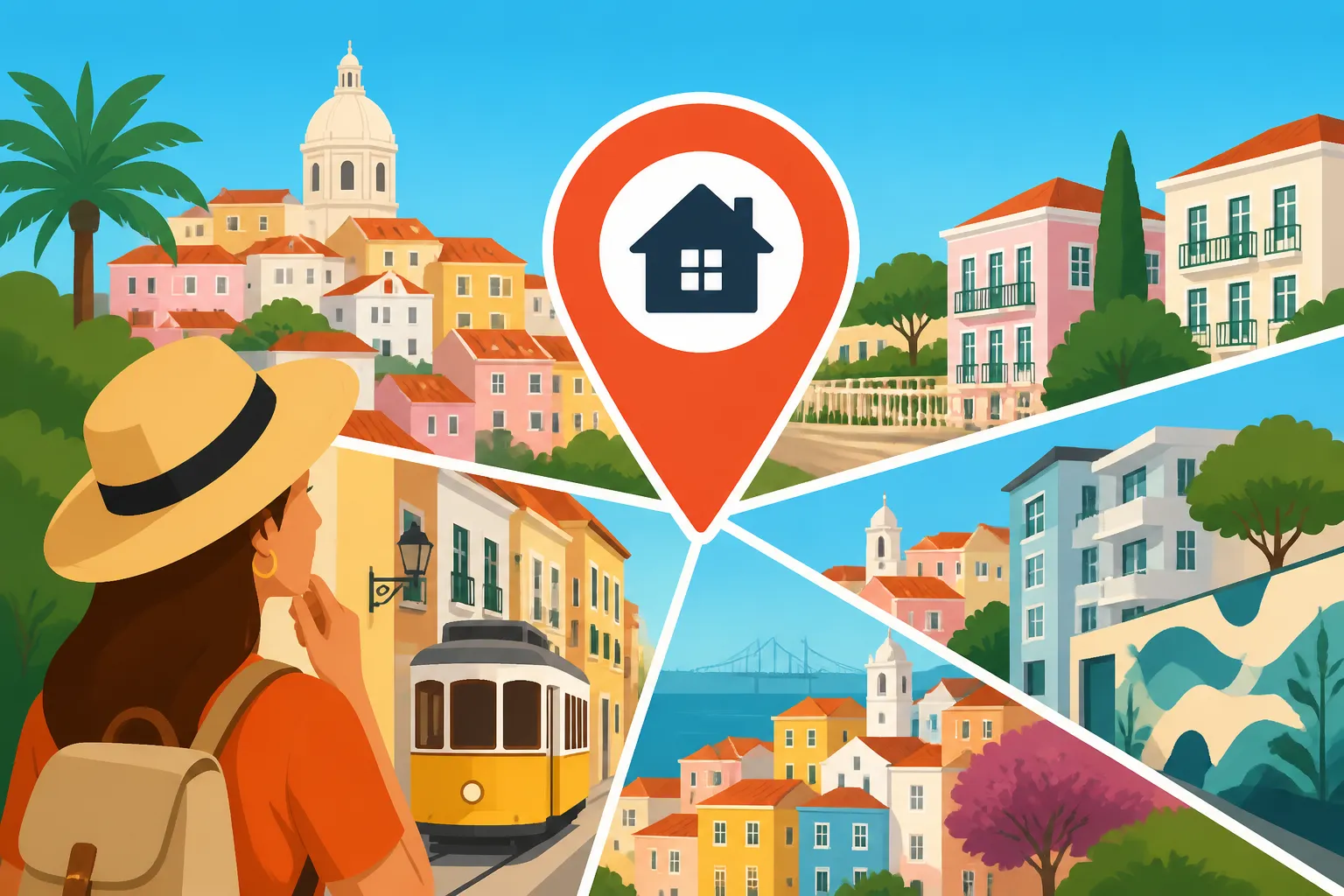
What’s the Best Neighborhood to Stay in Lisbon?
Disclosure: This article contains affiliate links. If you buy through them, we may earn a commission at no extra cost to you. Read our full disclosure.
Oh, Lisbon! She's a charmer, isn't she? But when you're planning a trip, or even thinking about a longer stay, the sheer number of distinct neighborhoods can feel utterly overwhelming. You scroll through endless lists, each sounding equally appealing, and suddenly you're paralyzed by choice, wondering if you'll pick the "wrong" one and miss out on the true Lisbon experience. Trust me, I've been there, staring at a map, trying to decipher if Alfama's charm outweighs its hills. This guide is here to cut through the noise, offering a candid, expat-tested look at Lisbon's best neighborhoods to help you find your perfect temporary home.
Navigating Lisbon's Diverse Districts: Why Choice Matters
Lisbon isn't just one city; it's a collection of distinct villages, each with its own rhythm, history, and personality. What feels right for a couple on a romantic getaway might be a nightmare for a family with small children, and what delights a party animal might exasperate a culture seeker. Getting this choice right can genuinely make or break your Lisbon experience.
Beyond the Postcard Views: Understanding Lisbon's Vibe
When you first look at Lisbon, the iconic images pop up: the yellow tram, the Fado singers, the tiled buildings, and the stunning viewpoints (miradouros). But these are just snippets of a much richer tapestry. Each bairro (neighborhood) adds its own thread, creating a unique texture. You could be strolling through ancient, winding alleys where laundry hangs overhead, then turn a corner and find yourself on a grand, tree-lined avenue buzzing with designer shops. Or perhaps you'll start your evening at a bustling outdoor market and end it in a chic, modern bar with a river view. The crucial thing to remember is that you can't truly experience all of Lisbon from one single vantage point. The vibe shifts dramatically from one hill to the next, and understanding these nuances is key to choosing where you lay your head at night.
Your Travel Style Dictates Your Address
Before you even glance at a map, take a moment to honestly consider what you want from your time in Lisbon. Are you here to dance until dawn and sleep until noon? Or do you crave early morning strolls through historic sites, followed by quiet evenings? Are you traveling with a pram and need flat streets, or are you an avid walker ready to conquer every one of Lisbon's seven hills? The "best" neighborhood isn't universal; it's deeply personal. A solo traveler might prioritize proximity to nightlife and hostels, while a remote worker might seek a quieter area with good cafes and reliable internet. Families often look for parks and kid-friendly restaurants, while luxury travelers might prefer boutique hotels and upscale dining. Don't be swayed by Instagram; think about your daily life and desires.
Alfama: The Soul of Old Lisbon (History & Charm)
Ah, Alfama. This is often the first image that comes to mind when you think of "old Lisbon." It's a labyrinth of narrow, winding cobblestone streets, steeped in history, stretching from the São Jorge Castle down to the Tagus River. It's the Lisbon of Fado, ancient churches, and laundry flapping from wrought-iron balconies.
Pros of Staying in Alfama
If you're a history buff, a romantic, or someone who yearns for an authentic, almost theatrical Lisbon experience, Alfama is probably calling your name. The sheer magic of getting lost in its alleys, stumbling upon hidden plazas, and discovering tiny, family-run tascas (taverns) serving traditional Portuguese fare is unparalleled. You'll wake up to the sound of church bells and the distant murmur of daily life, feeling a world away from the bustling city center.
You're literally living within history here. The Roman theatre ruins, the Lisbon Cathedral (Sé de Lisboa), and the iconic Miradouro das Portas do Sol and Santa Luzia are all on your doorstep. In the evenings, the district comes alive with the melancholic strains of Fado music drifting from cozy restaurants. Many Fado houses here offer an intimate experience, far removed from the more touristy shows you might find elsewhere. It truly feels like stepping back in time, a living museum where you can participate rather than just observe. For those who appreciate character over convenience, Alfama delivers in spades.
Cons and Considerations for Alfama
While Alfama's charm is undeniable, it comes with a few practical realities that can catch first-time visitors off guard. First and foremost, the hills. Oh, the hills! Alfama is very hilly, and navigating its ancient streets often means steep climbs and descents. While the famous Tram 28 trundles through parts of it, relying solely on public transport can still be a challenge due to its circuitous routes and crowded nature. If you have mobility issues, or simply dislike intense walking, this might not be the place for you.
Accommodation in Alfama tends to be in older, traditional buildings, which means thinner walls, less natural light in some apartments, and often no elevators. Modern amenities like air conditioning (essential in summer!) or reliable heating (surprisingly important in winter!) might not be standard. Noise can also be an issue; while Fado is charming, if your window faces a popular Fado restaurant, you might be serenaded until the wee hours. Car access is severely limited, making Ubers or taxis a challenge, and parking is virtually non-existent. It’s a neighborhood that demands a certain level of physical readiness and a willingness to embrace its quirks. If you need to consider your journey between different parts of the city, using resources like Public Transport and Driving in Portugal: Trains, Tolls, and Licenses can help you plan.
Baixa & Chiado: Central Hub & Elegant Shopping
Moving into the heart of Lisbon, we find Baixa and its sophisticated neighbor, Chiado. These areas represent a different facet of Lisbon: grand, elegant, and bustling, a stark contrast to Alfama's ancient sprawl.
Why Baixa and Chiado are Central & Convenient
Baixa, meaning "downtown," was completely rebuilt after the devastating 1755 earthquake, resulting in a meticulously planned grid-like layout of grand squares and wide avenues. It's home to iconic landmarks like Praça do Comércio, Rossio Square, and the Santa Justa Lift. This area is a true transportation hub, with multiple metro lines, bus routes, and tram stops making it incredibly easy to reach any part of the city or venture further afield. Whether you're planning a day trip to Sintra or just hopping to another neighborhood, you're perfectly positioned.
Right next door, Chiado exudes an air of bohemian elegance. It's historically been the intellectual and artistic heart of Lisbon, filled with beautiful theaters, historic cafes (like A Brasileira, where Fernando Pessoa famously lingered), and high-end boutiques. You’ll find international brands alongside traditional Portuguese shops. It's a fantastic place for people-watching, indulging in some retail therapy, or enjoying a pre-theater dinner. The energy here is refined yet lively, making it an excellent base for those who want convenience without sacrificing style. Sites like Booking.com offer numerous options in this popular area, from grand hotels to charming guesthouses.
What to Expect: Accessibility vs. Authenticity
The primary advantage of Baixa and Chiado is their unparalleled accessibility and central location. You are within easy walking distance of countless attractions, and every major transport link is at your fingertips. This convenience, however, often comes at the cost of "authenticity" as some travelers define it. These neighborhoods are heavily frequented by tourists, and while they are beautiful, they can sometimes feel a bit like a stage set rather than a place where real Lisboetas live and work.
Expect crowds, especially during peak season, and prices that reflect the prime location. While you'll find plenty of restaurants, many cater specifically to tourists, and you might need to venture slightly outside these areas to find truly local gems at local prices. The evening atmosphere tends to be more about fine dining and cultural events than the boisterous street life of other districts. If you're on a tight budget, these areas might strain your wallet, as the Cost of Living in Portugal 2026: Detailed Budgets for Singles and Families can vary significantly depending on your chosen neighborhood.
Bairro Alto & Cais do Sodré: Lisbon's Nightlife Epicenter
If your idea of a perfect evening involves dancing, live music, and bar-hopping until the sun comes up, then Bairro Alto and Cais do Sodré are your spiritual homes in Lisbon. These two adjacent neighborhoods transform dramatically after dusk.
The Allure of After-Hours Lisbon
Bairro Alto, perched high above the city, is legendary for its vibrant, albeit somewhat gritty, nightlife. By day, it's a sleepy residential area with colorful buildings and laundry hanging overhead. But once the sun sets, its narrow streets explode with energy. Hundreds of small bars, many no bigger than a broom closet, open their doors, spilling music and chatter onto the cobblestones. People gather in the streets, drinks in hand, creating an enormous, impromptu street party that can last until 3 or 4 AM. It’s a truly unique atmosphere, incredibly social and informal, perfect for meeting new people and experiencing Lisbon's nocturnal spirit.
Just down the hill, towards the river, Cais do Sodré offers a more diverse and often trendier nightlife experience. Famously home to "Pink Street" (Rua Nova do Carvalho), this area boasts a mix of traditional bars, modern cocktail lounges, and larger clubs. You'll find everything from jazz clubs to techno venues, catering to a younger and more eclectic crowd. It's also where you'll find the Mercado da Ribeira (Time Out Market), which, while primarily a food hall, often hosts live music events. If you're looking to dive headfirst into Lisbon's party scene, these two districts offer an unforgettable experience.
Daytime Realities and Noise Concerns
While the nightlife here is legendary, it's crucial to understand the daytime realities, especially if you plan to sleep at some point. Bairro Alto in the mornings can be quiet, almost eerily so, with the lingering smells of the previous night's festivities. The streets might be a bit messy before the cleanup crews arrive. If you're not here specifically for the party, the constant late-night noise, particularly on weekends, can be incredibly disruptive. Walls are often thin, and the sound of revelers carries easily.
Cais do Sodré, being closer to the river and a major transport hub, has more daytime activity but still reflects its evening identity. While there are some lovely cafes, it's not known for its quiet, quaint charm during the day. If you're seeking a tranquil retreat or need to catch an early night for tours, these areas might prove challenging. Furthermore, like any major nightlife district, it's important to be aware of your surroundings, especially late at night. For tips on navigating the city after dark, check out our guide on Safety and Emergency Preparedness in Portugal for Foreign Residents.
Príncipe Real & Santos: Chic, Trendy, and Upmarket
For those who appreciate style, gourmet experiences, and a more sophisticated atmosphere, Príncipe Real and the nearby Santos offer a delightful blend of elegance and trendiness, a step above the city's main tourist arteries.
Sophisticated Stays for Discerning Travelers
Príncipe Real, located just above Bairro Alto but a world away in terms of vibe, is an incredibly charming and upscale neighborhood. It's known for its beautiful 19th-century mansions, many of which have been converted into boutique hotels, stylish shops, and art galleries. The central garden, Jardim do Príncipe Real, is a lovely spot to relax, and the nearby Miradouro de São Pedro de Alcântara offers one of the most stunning panoramic views of the city, looking directly across to São Jorge Castle. You’ll find independent designers, antique shops, and some of Lisbon's finest restaurants here. The ambiance is decidedly calmer and more refined, attracting a discerning crowd.
Just a short walk down towards the river, you'll find Santos, often referred to as the "Design District." This area has undergone significant revitalization, turning old industrial warehouses into hip design studios, art spaces, and trendy eateries. It’s got a cool, edgy vibe, appealing to a younger, creative crowd, but without the intense nightlife of Cais do Sodré. Santos is also home to the National Museum of Ancient Art, a treasure trove for culture enthusiasts. Both neighborhoods offer a perfect blend of urban chic and a slightly more residential feel, providing a sense of everyday Lisbon life alongside modern conveniences and high-quality offerings.
The Price Tag of Prestige
The allure of Príncipe Real and Santos comes with a slightly higher price tag, reflecting the quality of accommodation, dining, and shopping available. This isn't the place for budget backpacking; it's where you'll find exquisite boutique hotels, gourmet restaurants, and cocktail bars with master mixologists. While there are still local cafes and bakeries, the overall cost of living and entertainment here is generally higher than in more residential areas.
The trade-off is often a quieter, more aesthetically pleasing environment. You’re close enough to the action of Bairro Alto or Baixa to easily access it, but far enough removed to enjoy peaceful evenings. Transport links are good, with buses and trams connecting you to other parts of the city, though you might find yourself walking a bit more, especially from Príncipe Real, which sits atop another one of Lisbon's hills. If you're considering a longer stay, understanding the nuances of Renting an Apartment in Portugal: Contracts, Fees, and Tenant Rights in these sought-after areas is crucial, as demand often drives up prices.
Belém & Alcântara: Riverside Retreats with History
For those who prioritize iconic historical sites, riverside tranquility, and a slightly slower pace, Belém and Alcântara offer a wonderful alternative to the bustling city center. These areas are a bit further out, but rich in culture and unique experiences.
Iconic Landmarks and Green Spaces
Belém is an absolute must-visit for any trip to Lisbon, famous for its monumental Age of Discoveries landmarks. Here you’ll find the magnificent Jerónimos Monastery, the iconic Belém Tower, and the Monument to the Discoveries, all testaments to Portugal's seafaring past. And, of course, no visit is complete without a stop at Pastéis de Belém for the original custard tarts. Beyond the historical sites, Belém offers lovely green spaces and riverside promenades, perfect for a leisurely stroll or a bike ride. It’s a relatively flat area, making it very accessible for families or those who prefer to avoid Lisbon’s steep climbs. It offers a sense of grandeur and historical significance that is truly unique.
Adjacent to Belém, Alcântara has transformed from an industrial area into one of Lisbon's hippest districts. Its centerpiece is LX Factory, a vibrant hub of shops, restaurants, cafes, and art studios housed in former factory buildings beneath the 25 de Abril Bridge. It’s a fantastic place to spend an afternoon browsing unique wares, enjoying a craft beer, or savoring a meal with a creative twist. The Docas de Santo Amaro, a marina with numerous restaurants and bars, is also nearby, offering beautiful views of the river and the bridge. Alcântara combines historical architecture with a modern, artistic edge, providing a cool urban experience away from the main tourist drag.
Distance from the Center: A Double-Edged Sword
The main consideration when staying in Belém or Alcântara is their distance from the historic center (Baixa, Chiado, Alfama). While both areas offer excellent attractions, you'll need to rely on public transport to get to many of Lisbon's other famous sites. Trams (like the famous Tram 15E), buses, and trains connect these areas efficiently, but it will add commute time to your daily itinerary. This can be a double-edged sword: you gain a quieter, often more spacious environment, but you sacrifice the ability to easily pop back to your accommodation throughout the day or quickly access spontaneous evening plans.
For some, this trade-off is perfectly acceptable. If you enjoy a morning run along the river, prefer larger accommodations, or plan to focus heavily on the cultural institutions these areas offer, then the commute won't feel like a burden. However, if you're a first-time visitor determined to hit all the central highlights and soak in the bustling city atmosphere, the daily travel might become tiresome. Planning your journeys using resources like Omio can help you estimate travel times and ticket costs, ensuring you manage your expectations effectively. Consider these neighborhoods for longer stays, or if you prefer a more relaxed base.
Arroios & Areeiro: Authentic Lisbon, Local Living
If you're looking to experience Lisbon beyond the immediate tourist hotspots, to truly live like a local, then neighborhoods like Arroios and Areeiro offer an authentic, diverse, and often more affordable glimpse into daily Portuguese life.
Real Lisbon Life and Budget-Friendly Options
Arroios, often considered one of Lisbon's most multicultural neighborhoods, is a melting pot of different communities, cultures, and cuisines. It's not glamorous, but it's real. Here, you’ll find bustling local markets, a dizzying array of international restaurants (from Nepalese to Brazilian to traditional Portuguese), and independent shops catering to everyday needs rather than souvenirs. The architecture is grand but lived-in, with many beautiful art deco and Art Nouveau buildings. Staying here means waking up to the sounds of actual Lisbon residents going about their day, not just tour groups. It’s an area that truly reflects contemporary Lisbon's diverse fabric.
Further east, Areeiro offers a similar, albeit slightly more upscale, residential feel. It’s known for its wide avenues, green spaces, and a greater sense of calm than the inner city. You'll find more families and long-term residents here, along with excellent local amenities, including supermarkets like Continente and Pingo Doce, and health services. Both Arroios and Areeiro often provide larger apartments for rent at more reasonable prices than in the hyper-central areas, making them attractive for longer stays or for families seeking more space. The authenticity of the local interaction is a huge draw, allowing you to practice your Portuguese and truly immerse yourself. You might even find yourself enrolling in a class after experiencing local life, and our guide on Learning European Portuguese: Top Apps, Tutors, and Free Government Classes can be a great starting point.
Navigating Beyond Tourist Trails
Choosing Arroios or Areeiro means consciously stepping off the well-trodden tourist path. You won't have major landmarks right outside your door, but you will have excellent metro connections (the green and red lines serve these areas well), allowing for quick access to the city center and beyond. The benefit is a more relaxed pace, fewer crowds, and the opportunity to discover hidden gems that most tourists never see. You'll find genuine local businesses, cafes where the baristas remember your order, and parks where local kids play.
However, navigating these areas often requires a slightly greater sense of adventure and a willingness to embrace a less "curated" experience. English might not be as widely spoken in shops and cafes, though younger generations will usually be fluent. Dining out will be more about discovering unpretentious local eateries rather than Michelin-starred experiences, and while these can be incredibly rewarding, they demand a bit more initiative. If you're staying for an extended period, perhaps as a digital nomad or an expat testing the waters, these neighborhoods can provide a fantastic, cost-effective, and deeply authentic introduction to Lisbon life. GetYourGuide might have some local food tours or cultural experiences that help you explore these districts.
Choosing Your Lisbon Base: A Snapshot
To help you visualize and compare, here's a quick overview of our featured Lisbon neighborhoods:
| Neighborhood | Best For | Vibe | Key Features | Pros | Cons |
|---|---|---|---|---|---|
| Alfama | History buffs, romantics, Fado lovers | Ancient, charming, traditional | Winding alleys, Fado houses, Lisbon Cathedral, São Jorge Castle | Authentic experience, stunning views, unique atmosphere | Very hilly, less modern amenities, can be noisy at night, limited car access |
| Baixa & Chiado | First-time visitors, shoppers, city explorers | Grand, elegant, central, bustling | Rossio Square, Praça do Comércio, Santa Justa Lift, high-end shops, theaters | Excellent transport, walkable to major sights, wide range of dining/shopping | Can be very touristy, often crowded, higher prices, less "local" feel |
| Bairro Alto & Cais do Sodré | Party-goers, nightlife enthusiasts | Lively, energetic, bohemian (night) | Hundreds of bars, Pink Street, clubs, live music | Unforgettable nightlife, very social atmosphere | Very noisy at night, can be messy in the mornings, less appealing during the day, not family-friendly |
| Príncipe Real & Santos | Discerning travelers, foodies, art lovers | Chic, sophisticated, trendy | Boutique shops, gourmet restaurants, art galleries | Upscale amenities, quieter than center, great food scene, stylish vibe | Higher prices, some hills (Príncipe Real), slightly further from some major sights |
| Belém & Alcântara | History seekers, families, cultural explorers | Historical, spacious, riverside, modern edge | Jerónimos Monastery, Belém Tower, LX Factory (Alcântara) | Iconic landmarks, green spaces, riverside walks, unique cultural hubs | Further from city center, requires public transport for core sights |
| Arroios & Areeiro | Budget-conscious, long-term stays, local immersion | Diverse, residential, authentic | Local markets, diverse restaurants, larger apartments, good transport connections | More affordable, authentic local experience, spacious accommodation, good amenities for daily life | Less tourist infrastructure, fewer English speakers, longer commutes to central tourist sights |
No matter where you choose, Lisbon will enchant you. Just remember to pack comfortable shoes – because no matter which neighborhood you choose, you'll be doing a lot of exploring on foot!
Disclaimer
The information provided in this guide is intended for general informational purposes only and does not constitute professional advice. While we strive to keep the content accurate and up-to-date, circumstances in Portugal can change rapidly. Readers are advised to verify all information independently and consult with relevant local authorities or professionals for specific guidance. We are not responsible for any actions taken based on the information presented herein.