How to Visit Belém and the Jerónimos Monastery
Oh, Belém. It's one of those places in Portugal that looks absolutely stunning in photos, a must-see for anyone passing through Lisbon. But let me tell you, as an expat who's been here a while and battled my fair share of administrative dragons and tourist crowds, actually visiting places like the Jerónimos Monastery and navigating the district can feel like a whole different beast. The sheer volume of people, the hidden transport quirks, and the unexpected closures can turn a dreamy day out into a bit of a headache. This guide is here to cut through the noise, offering you the real-deal, practical advice on how to explore Belém and its crown jewel, the Jerónimos Monastery, so you can soak up the history and beauty without the usual expat or tourist woes.
Getting to Belém: Navigating Lisbon's Transport
Venturing out to Belém, a bit west of Lisbon's city center, means you'll need to figure out how to get there. While it feels like a distinct historical quarter, it's still very much part of Lisbon, and the public transport options are generally excellent – once you know which ones to pick. Forget about driving unless you love hunting for non-existent parking spots and dealing with Lisbon’s often chaotic traffic; it’s simply not worth the stress for a day trip. Plus, public transport here can be a charming part of the experience itself.
Trams, Buses, and Trains: Public Transport Options
For most visitors, the iconic Tram 15E is the go-to. It's historic, a bit rickety, and definitely gets crowded, but it delivers you right to the heart of Belém, with stops conveniently located near the monastery and the waterfront. You catch it from Praça da Figueira or Praça do Comércio, and it snakes its way along the river. Just be warned: due to its popularity, pickpockets are known to frequent this line, so keep your belongings secure and zipped up, especially during peak tourist season. The journey usually takes about 20-30 minutes, depending on traffic.
If the tram looks too daunting or packed, don't fret! Lisbon's bus network is extensive and often more comfortable, especially the modern, air-conditioned buses. Several bus lines serve Belém, including the 728, 714, and 729, which you can catch from various points in the city center. These often offer a quicker, less crowded ride. You can check routes and times easily with Google Maps or similar apps, which are usually quite accurate for Lisbon's public transport. Remember, you can pay with your Viva Viagem card (which you should definitely get for any extended stay here; it's also how you'd load your monthly Navegante Pass Lisbon: How to get the €40 monthly unlimited transit card) or directly with contactless payment on newer buses and trams, but it's more expensive to buy single tickets onboard with cash.
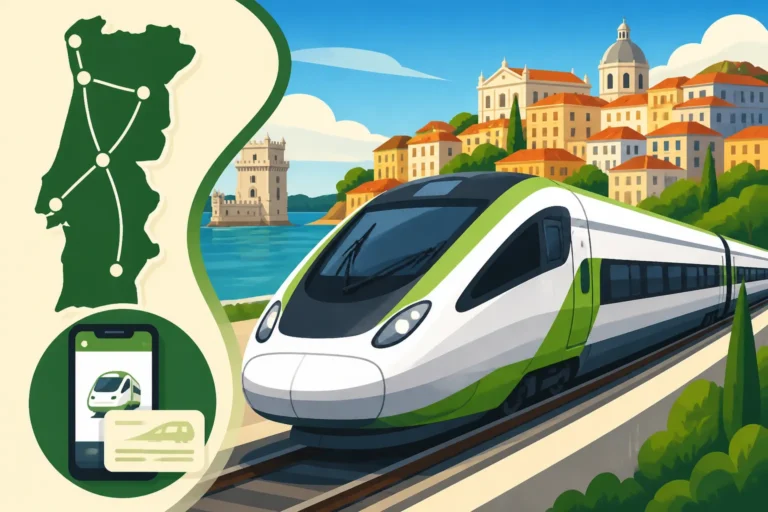
Finally, there's the train. While perhaps less scenic for a direct Belém trip, the Cascais line (Linha de Cascais) train from Cais do Sodré station is a viable option. It's a quick, comfortable ride, and you'd get off at Belém station, which is just a short walk from the main attractions. If you're staying closer to Cais do Sodré or fancy a scenic train ride along the Tagus, this is a fantastic choice, often less crowded than the tram. It’s a good way to glimpse parts of the riverfront you might otherwise miss. The trains are frequent and generally reliable, making it a stress-free option. Overall, Portugal's public transport is a great way to save on costs and really get a feel for the city, contributing to the overall Cost of Living in Portugal 2026: Detailed Budgets for Singles and Families.
Taxis, Ride-Sharing, and Private Transfers
Sometimes, after a long day of sightseeing, or if you're traveling with kids or have mobility issues, public transport just isn't cutting it. This is where taxis, Uber, and Bolt come in handy. Taxis in Lisbon are generally safe and reasonably priced, though make sure the meter is running. You can flag them down on the street or find them at designated taxi stands. A ride from the city center to Belém will likely cost you between €8-€15, depending on traffic and your exact starting point.
Uber and Bolt are ubiquitous in Lisbon and often slightly cheaper than traditional taxis, especially if you catch a surge-free time. The apps are user-friendly, and you can see the fare upfront, which can be reassuring. Just be aware of surge pricing during peak hours or bad weather, when prices can jump considerably. For families or groups, a ride-sharing service can often be more economical and convenient than buying multiple public transport tickets, plus it offers the comfort of door-to-door service.
For those who prioritize comfort, ease, and perhaps a bit of luxury, especially if coming straight from the airport or with specific timing needs, a pre-booked private transfer is an option. While pricier, it eliminates any stress about navigating or waiting. You can arrange these through your hotel or via online services. Companies like GetYourGuide often offer transfers as part of their tour packages, ensuring a seamless experience from your accommodation to the sights of Belém. It's all about balancing convenience with your budget and travel style, but rest assured, you have plenty of options for getting around in Public Transport and Driving in Portugal: Trains, Tolls, and Licenses.
The Jerónimos Monastery: Planning Your Visit
Ah, the Jerónimos Monastery. It's truly a magnificent testament to Portugal's Age of Discoveries, a UNESCO World Heritage site, and an architectural marvel of Manueline style. Walking through its cloisters, you can almost hear the echoes of explorers and monks. However, its popularity also means it can be incredibly busy. A little strategic planning will make all the difference between a rushed, elbow-to-elbow experience and a truly awe-inspiring visit.
Understanding Tickets and Entry: Skip-the-Line Options
Here’s where a bit of foresight saves you a lot of time. You absolutely, positively need to think about your tickets in advance. The queues for the Jerónimos Monastery can be infamously long, sometimes stretching for hours under the Portuguese sun. Don't be that person caught off guard; prepare!
There are a few ways to tackle this. Firstly, you can buy your ticket online directly from the Direção-Geral do Património Cultural (DGPC) website. This often allows you to bypass the ticket purchase queue, but you'll still join the main entry line, which can still be significant. A better option, often, is to consider combined tickets. For example, a popular choice is a combined ticket for the Jerónimos Monastery and the Belém Tower, sometimes including the National Archaeology Museum or the Maritime Museum, which are also in the Belém area. These can be purchased at the monastery's ticket office or sometimes online, and might offer a slight discount.
For maximum convenience, especially if you plan to visit multiple attractions in Lisbon, consider the Lisboa Card. This card offers free or discounted entry to many museums and monuments, including the Jerónimos Monastery (usually free entry to the church and cloisters), plus unlimited use of Lisbon's public transport. It's available for 24, 48, or 72 hours, and often comes with a "skip-the-line" benefit, which is invaluable at popular sites. While it costs more upfront, if you're a keen sightseer, it often pays for itself quickly. Many expats arriving often consider a similar "all-in-one" approach when getting their initial documents and settling in, as detailed in our comprehensive Living in Portugal Guide 2027: The Complete Relocation Manual for Expats.
Finally, if you want a truly hassle-free experience with guaranteed skip-the-line access and the added benefit of historical context, booking a guided tour is highly recommended. Platforms like GetYourGuide offer various tour options for Belém that specifically include skip-the-line entry to the Jerónimos Monastery, often bundling it with the Belém Tower and the Monument to the Discoveries. The guides are usually excellent, providing fascinating insights that you might miss on your own. It might be a bit more expensive, but the value of avoiding queues and getting a deeper understanding of the history makes it a worthwhile investment for many.
Best Times to Visit and Avoiding Crowds
Timing is everything when it comes to popular attractions like the Jerónimos Monastery. Generally, the monastery is open from 10:00 AM to 5:30 PM or 6:30 PM, depending on the season, with the last entry about 30 minutes before closing. Critically, it is closed on Mondays and on a few national holidays, so always double-check the official website before you plan your trip to avoid disappointment. Walking all the way there only to find the gates closed is a classic expat blunder!
The absolute best time to visit if you want to experience a modicum of peace is right at opening time (10:00 AM). Arrive 15-20 minutes beforehand, even with a pre-booked ticket, to be among the first in line. The first hour or so tends to be the calmest. Another relatively good time is late afternoon, about 1.5 to 2 hours before closing. Many tour groups have moved on by then, and the light filtering through the cloister can be particularly beautiful. Weekends, as you might expect, are the busiest, especially Saturday mornings. If your schedule allows, a weekday visit (Tuesday through Friday) will generally be more pleasant.
Midday, between 11:00 AM and 3:00 PM, is usually peak time, with the longest queues and most crowded interiors. The heat can also be quite intense in the summer months, making the wait even less appealing. So, try to plan your visit around these busy hours. If you do find yourself stuck in a long line, take the opportunity to look up and admire the intricate exterior of the monastery; there’s beauty everywhere, even in the waiting.
What to See Inside: Church, Cloister, and Tombs
Once you're inside, prepare to be captivated. The Jerónimos Monastery, or Mosteiro dos Jerónimos, is a masterpiece of Manueline architecture, a distinctly Portuguese Gothic style characterized by maritime motifs, intricate stonework, and a lavishness reflecting Portugal's golden age of discovery.
Your visit typically begins with the Church of Santa Maria de Belém. This grand space is breathtaking with its impossibly tall, slender columns that seem to branch out like palm trees, supporting a vast, vaulted ceiling. It's a truly unique and awe-inspiring architectural feat. Here, you'll find the tombs of Vasco da Gama, the legendary explorer who found the sea route to India, and Luís de Camões, Portugal’s greatest poet, whose epic work, Os Lusíadas, chronicled Da Gama’s voyages. Standing before these tombs, you can't help but feel the weight of history and the immense ambition that once defined Portugal. The light, particularly on a sunny day, streams through the stained-glass windows, creating an ethereal glow.
Next, and arguably the highlight for many, is the Cloister. This two-story cloister is an absolute feast for the eyes, adorned with incredibly detailed Manueline carvings that depict everything from religious symbols to sea creatures and ropes, a clear nod to Portugal's maritime prowess. Take your time here; walk slowly, admire the craftsmanship, and find a quiet bench to simply soak in the atmosphere. Each archway, column, and gargoyle tells a story. It's a serene space, despite the crowds, and offers countless opportunities for stunning photographs. This cloister, with its peaceful gardens at the center, is where the monks of the Order of Saint Jerome once meditated and studied. There are also smaller rooms and chapels, including the Chapter House, with more historical artifacts and stories to tell. Make sure to look for the delicate carvings of intertwined flora and fauna that represent the natural wonders encountered during the voyages of discovery.
Exploring Belém Beyond the Monastery
Belém isn’t just about the Jerónimos Monastery, as magnificent as it is. The entire district is steeped in history and offers a wealth of other attractions, all within easy walking distance. You could easily spend a full day, or even two, exploring everything here. From monumental landmarks to delicious treats, Belém truly captures the spirit of Portugal’s maritime past.
The Belém Tower and Monument to the Discoveries
Just a short walk along the riverfront from the monastery, you'll encounter two more iconic symbols of Portugal's golden age. The Belém Tower (Torre de Belém), an exquisite fortress that once guarded the entrance to Lisbon's harbor, stands proudly by the Tagus. Its intricate Manueline details, including a rhinoceros gargoyle (a symbol of Portugal's global reach), are fascinating. Inside, you can explore its various levels, including the governor's chamber and the dungeons, offering glimpses into its strategic past. The views from the top are particularly rewarding, stretching across the river and back towards the city. Like the monastery, it can get crowded, so consider visiting early or late, or booking a combined ticket.
A little further along the river, the imposing Monument to the Discoveries (Padrão dos Descobrimentos) commands attention. Shaped like a caravel, it features statues of Prince Henry the Navigator at the helm, flanked by other significant figures from Portugal’s Age of Exploration, including Vasco da Gama, Ferdinand Magellan, and Luís de Camões. You can take an elevator to the top for panoramic views of the Tagus, the 25 de Abril Bridge, the Belém Tower, and the Jerónimos Monastery, which offers a fantastic perspective of the entire area. At its base, a stunning mosaic compass rose, gifted by South Africa, depicts a world map with the routes of Portuguese discoveries. It's a powerful tribute to a pivotal period in Portuguese history.
Indulging in Pastéis de Nata: Fábrica Pastéis de Belém
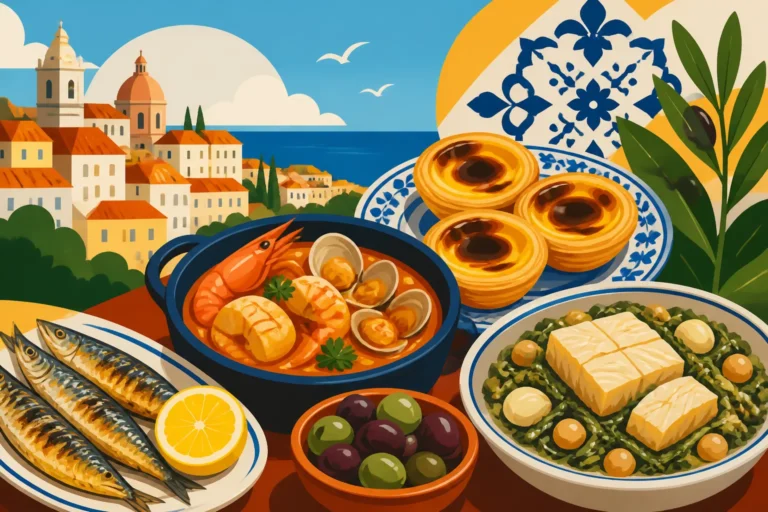
You simply cannot visit Belém without indulging in the famous Pastéis de Nata. And while you'll find these delicious custard tarts all over Portugal, the original and arguably the best come from Fábrica Pastéis de Belém. This legendary pastelaria has been churning out its secret-recipe tarts since 1837, making it a truly historic culinary experience.
The queues for take-out often snake out the door and down the street, but don't be deterred! The line moves surprisingly fast, and the reward is absolutely worth it. If you have time and want to avoid the queue, head inside to one of their many dining rooms. It’s often quicker to get a table than to wait for takeaway, though you might need to wander a bit to find a free spot amongst the labyrinthine rooms. Once seated, order a pastel de nata (or three!) with a bica (espresso) or a galão (latte). The tarts arrive warm, with a perfectly crisp, flaky pastry and a creamy, rich custard. Sprinkle a little cinnamon and powdered sugar, as is tradition, and prepare for a moment of pure bliss. It’s a truly authentic taste of Portugal, and understanding Portuguese Coffee Culture and Restaurant Etiquette: Ordering Like a Local will help you feel right at home.
While other bakeries across Lisbon and Portugal make excellent pastéis de nata, there's something magical about experiencing the original in Belém. The aroma alone is enough to draw you in, and the taste is unparalleled. It’s more than just a sweet treat; it’s a piece of Portuguese heritage you get to devour.
Other Attractions: Museum of Carriages, MAAT, and Gardens
Belém is also home to several other fascinating museums and green spaces that are worth your time, especially if you have more than a few hours.
The National Coach Museum (Museu Nacional dos Coches) houses one of the finest collections of royal coaches and carriages in the world. It’s quite extraordinary to see these opulent, intricately decorated vehicles, some dating back to the 17th century, giving you a glimpse into the grandeur of European royalty. The museum is housed in a modern building next to the old Royal Riding Arena, making for an interesting contrast. It’s an easy and often less crowded museum to explore, perfect for history buffs or families.
For those interested in something more contemporary, the Museum of Art, Architecture and Technology (MAAT) is a striking, wave-like building on the waterfront, home to exhibitions focusing on modern art, architecture, and technology. Its unique design is an attraction in itself, and the views from its rooftop are spectacular, especially at sunset. The exhibitions rotate, so there’s always something new to discover. It’s a stark contrast to the historical monuments, showcasing Lisbon’s forward-thinking cultural scene.
Beyond the museums, Belém offers lovely green spaces to relax in. The Jardim Vasco da Gama and Jardim da Praça do Império are expansive parks directly in front of the Jerónimos Monastery, perfect for a stroll, a picnic, or simply sitting on a bench and people-watching. They feature fountains, statues, and manicured lawns, offering a tranquil escape from the bustling streets. These gardens also provide great photo opportunities with the monastery as a backdrop. On a sunny day, you’ll find locals and tourists alike enjoying the relaxed atmosphere.
Practical Tips for a Smooth Belém Experience
Having spent years navigating the ins and outs of Portugal, I've learned that a little preparation goes a long way. Belém is no exception. While it’s undoubtedly a beautiful place, being prepared for the practicalities can truly elevate your experience from good to absolutely fantastic.
Essential Packing and Comfort Considerations
Visiting Belém involves a fair bit of walking, often on uneven cobblestone streets and across large plazas. So, my number one tip is always: wear comfortable shoes. Seriously, those cute sandals or fancy loafers will quickly turn into instruments of torture after an hour or two. You’ll thank me later.
Portugal, especially Lisbon, can get very sunny, even outside of peak summer. Sun protection is non-negotiable. Bring a hat, sunglasses, and high-SPF sunscreen, and apply it liberally. You'll be spending a lot of time outdoors, waiting in lines, and walking between sites. Staying hydrated is also crucial, so carry a reusable water bottle. There are public water fountains, but they can be sparse, and you’ll want to be able to refill regularly.
Consider packing a small, lightweight backpack to carry your essentials. This will also help you keep your valuables secure, especially on crowded public transport like the 15E tram, where Crime Rates and Neighborhood Safety in Portugal's Major Cities mean you need to be vigilant against pickpockets. A cross-body bag that you can keep in front of you is also a good option. Layers of clothing are always a good idea, as temperatures can change, especially if you're exploring the cool interiors of the monastery then stepping back into the afternoon sun.
Food, Facilities, and Accessibility
While Pastéis de Belém are a delicious snack, you’ll likely need something more substantial for lunch. Belém has a range of dining options, from casual cafes and snack bars to more upscale restaurants, especially along the waterfront. Many places offer a prato do dia (dish of the day) which is often a good value and a taste of traditional Portuguese cuisine. Don't be afraid to wander off the main tourist drag a little to find some hidden gems. You can also grab some groceries from a local minimercado for a picnic in one of the lovely gardens, which is a budget-friendly and relaxing option.
Public restrooms can be a bit tricky to find and sometimes require a small fee. It’s always a good idea to use the facilities at museums, cafes (if you're purchasing something), or even the train station. Planning your restroom breaks can save you a frantic search later on.
When it comes to accessibility, Lisbon’s historic areas, including Belém, present challenges. Cobblestone streets, steep hills, and older buildings (like the monastery and tower) often have steps, narrow passages, and limited ramp access. While efforts are being made, full accessibility can be difficult. If you or someone in your group has mobility issues, research specific sites beforehand and consider alternatives like hop-on-hop-off bus tours that offer good views from the street level. Many public buses are now wheelchair accessible, which is a step in the right direction. Always remember to carry emergency contact details and perhaps a basic first-aid kit; you never know when you might need a bandage or pain reliever, and knowing about Emergency Medical Care in Portugal: Calling 112 and Going to the Hospital can be reassuring.
Finally, while many places in Belém accept credit cards, it's always wise to carry some cash, especially for smaller purchases, local markets, or some of the more traditional cafes. Portugal's The Multibanco System and MB Way: Portugal's Unique Payment Network is incredibly efficient for cash withdrawals and payments, so you'll easily find ATMs.
Disclaimer
The information provided in this guide is for general informational purposes only and is subject to change. While we strive to keep the content accurate and up-to-date, travel regulations, opening hours, prices, and public transport schedules in Portugal can vary. It is always recommended to check the official websites of attractions, transport providers, and local authorities for the most current information before planning your visit. We do not assume any liability for decisions made based on this information.