Crime Rates and Neighborhood Safety in Portugal’s Major Cities
Disclosure: This article contains affiliate links. If you buy through them, we may earn a commission at no extra cost to you. Read our full disclosure.
Moving to a new country often brings a nagging fear of "is this neighborhood safe?" that keeps you up at night during the planning phase. I remember double-checking the locks on my first Lisbon apartment for weeks until I realized the local grandma across the street was watching the neighborhood more effectively than any high-tech alarm system. This guide breaks down crime rates and safety across Portugal’s major cities to help you choose your next home with total confidence.
Understanding the Reality of Safety and Crime in Portugal
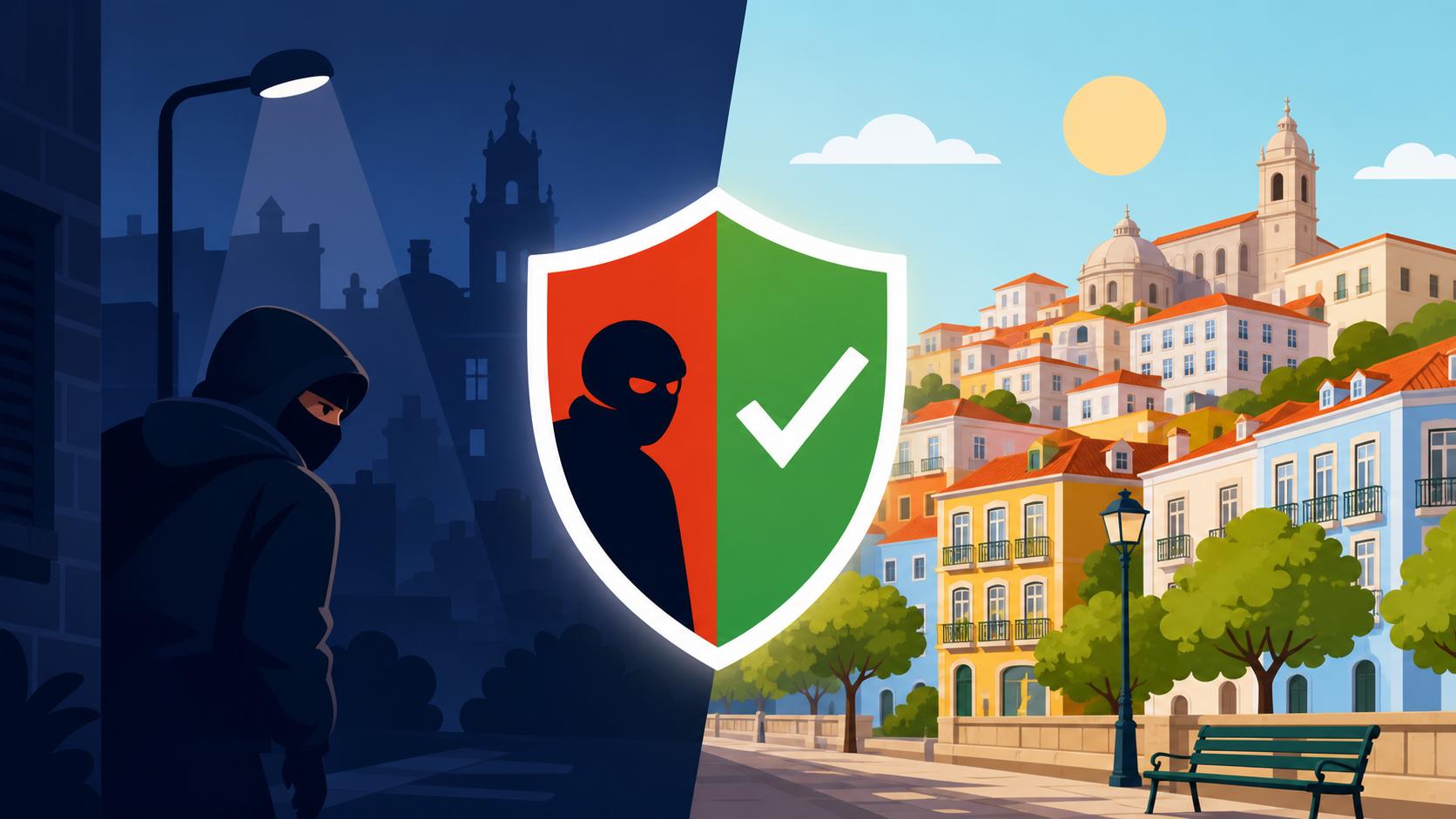
Portugal consistently ranks as one of the safest countries in the world according to the Global Peace Index, often sitting comfortably in the top ten. However, "safe" doesn't mean "crime-free," and for an expat moving from a high-security environment in North America or Northern Europe, the nuances of Portuguese safety can be surprising. The crime here is rarely violent; instead, it is almost entirely opportunistic. You are far more likely to have a backpack swiped from a cafe chair in a tourist district than you are to experience a physical confrontation.
When we talk about crime statistics, it’s important to distinguish between "perceived safety" and "actual risk." Most residents feel incredibly safe walking home at 2 AM in Lisbon or Porto, something that might be unthinkable in many other global capitals. This high level of perceived safety comes from a culture that values public space and late-night socializing. However, it can also lead to a sense of complacency. Expats often forget that car break-ins and residential burglaries do occur, particularly in affluent areas or during the peak holiday seasons when homes are left empty.
The administrative response to crime in Portugal is handled by several branches. The PSP (Polícia de Segurança Pública) manages urban areas, while the GNR (Guarda Nacional Republicana) patrols rural regions and highways. Understanding this distinction is helpful for Safety and Emergency Preparedness in Portugal for Foreign Residents because knowing which station to visit to file a "participação" (police report) can save you hours of bureaucratic frustration. While the police are generally helpful and respectful, the wheels of justice in Portugal turn slowly, which is why prevention is always the better strategy.
Petty Crime and the Tourist Trap Phenomenon
If you spend any time in the historic centers of Lisbon or Porto, you will encounter the most common form of "crime" in the country: the street hustler. In areas like Baixa and Chiado, men may approach you offering "hashish" or other substances. It is important to know that these are almost always fake—usually pressed herbs or flour—designed to scam tourists who won't report the incident to the police. This is one of the most Common tourist scams in Lisbon: Pickpockets on Tram 28 and fake hash sellers that newcomers face, and while annoying, it rarely escalates into violence if you simply say "no" and keep walking.
Pickpocketing is the second most frequent issue, particularly on public transport lines favored by visitors. The famous Tram 28 in Lisbon is notorious for this. These are professional groups, often not even based in Portugal, who move through the crowds with incredible speed. For an expat, this means you need to adjust your daily habits. Never leave your phone on a table at an outdoor cafe, and keep your bag in front of you on the Metro. Staying connected with a local data plan via Airalo can help you keep your phone tucked away while still navigating with GPS, reducing your profile as a distracted target.
Residential Burglary and Home Security
While street crime is low, residential security is a topic that many Portuguese take quite seriously. You will notice that most apartments, even in "safe" neighborhoods, feature heavy, reinforced steel doors with multi-point locking systems (called "portas blindadas"). This isn't necessarily because crime is rampant, but because it is a cultural standard for peace of mind. In ground-floor apartments or older houses, it is also common to see decorative iron bars on the windows.
If you are Renting an Apartment in Portugal: Contracts, Fees, and Tenant Rights, you should check the quality of the locks and the building's entry system. Burglary rates tend to spike in suburban areas where houses are more isolated. Many expats choose to install basic smart home security systems, which are easily ordered from Amazon Spain and can be set up without permanent modifications to the property. This is especially useful for digital nomads who may leave their homes for weeks at a time to explore other regions.
Lisbon Safety and Neighborhood Dynamics
Lisbon is a mosaic of neighborhoods, each with its own safety profile. Generally, the city is remarkably safe for its size, but as it has gentrified, the "problem areas" have shifted. The historic core is generally safe but dense with opportunistic thieves. Meanwhile, the modern business districts like Avenidas Novas are exceptionally secure due to high foot traffic and constant private and public security presence.
When searching for a place to live, many expats look at the Lisbon Neighborhood Guide: Best Areas for Expats and Digital Nomads to balance lifestyle and security. Neighborhoods like Alvalade, Campo de Ourique, and Príncipe Real are considered extremely safe for families and solo residents alike. These areas have a strong "bairro" (neighborhood) feel where shopkeepers know their residents, creating an informal but effective layer of social surveillance.
The Realities of Intendente and Martim Moniz
Areas like Martim Moniz and Intendente have undergone massive redevelopment over the last decade. Once considered "no-go" zones, they are now hubs for multicultural dining and nightlife. However, they still retain a "grittier" feel compared to the rest of the city. You may see more visible drug use or loitering in these squares. For a veteran expat, these areas are vibrant and perfectly fine to live in, but a newcomer might find the atmosphere intimidating at night.
The safety in these neighborhoods is a matter of street smarts. The risk of actual harm is low, but the risk of feeling uncomfortable is higher than in, say, Estrela. If you are looking for mid-term housing in these trending areas, using a platform like Uniplaces can help you find verified apartments in buildings that have been modernized and secured, ensuring you aren't stuck in a building with a broken front door or poor lighting.
Suburban Safety and the Linha de Sintra
The "Linha de Sintra" refers to the train line connecting Lisbon to the suburb of Sintra, passing through several high-density residential areas like Amadora, Queluz, and Agualva-Cacém. Historically, some of these suburbs have had higher crime rates related to social housing projects and lower economic stability. While you are unlikely to wander into these areas as a tourist, expats looking for cheaper rent should be aware of the neighborhood's reputation.
Safety on the train line itself is generally fine during the day, but it’s wise to be more alert during late-night journeys. Most crime in these areas is localized and doesn't target outsiders, but it contributes to the overall crime statistics of the Greater Lisbon area. In contrast, the "Linha de Cascais," which runs along the coast through Belém, Paço de Arcos, and Estoril, is one of the safest and most affluent corridors in the country.
Porto and the North: A Different Security Profile
Porto often feels more traditional and "closed" than Lisbon, which actually contributes to its safety. The social fabric in northern Portugal is very tight, and there is a strong sense of community responsibility. However, Porto has its own specific challenges, particularly in the downtown (Baixa) area where nightlife can become rowdy, and in certain peripheral social housing districts (bairros sociais) where drug trafficking remains a localized issue.
Most expats will find Porto incredibly welcoming. If you consult a Porto Neighborhood Guide: Where to Live for Culture, Tech, and Family, you’ll see that areas like Foz do Douro and Nevogilde are among the safest urban environments in Europe. These are quiet, affluent coastal neighborhoods where the biggest "security" concern is usually a noisy neighbor or a stray seagull.
Navigating Ribeira and the Historic Center
The Ribeira district is Porto’s postcard-perfect waterfront. Like Lisbon’s Alfama, it is safe but requires caution regarding pickpockets. The narrow, winding alleys are beautiful but can be disorienting. At night, some of the darker streets leading away from the main tourist paths can feel isolated. It is always better to stick to well-lit routes or use a ride-sharing app like Bolt or Uber if you are unfamiliar with the shortcuts.
Porto’s nightlife center, around the Galerias de Paris, is generally safe due to the massive crowds and police presence. However, the high concentration of bars means that alcohol-related scuffles can happen in the early hours of the morning. For residents living in Cedofeita or near the University, the main safety concern is typically "noise crime"—the late-night revelry that can disrupt sleep—rather than any threat to physical person or property.
Safety in the Surrounding Northern Cities
Cities like Braga and Guimarães frequently top the lists for "highest quality of life" in Portugal. Their safety profiles are even better than Porto's. Braga, in particular, is a favorite for expat families. The crime rates here are negligible, and the city feels like a large village. When considering Where to Live in Portugal: Lisbon, Porto, Algarve, and Silver Coast Compared, the North often wins on safety metrics alone, provided you don't mind the rainier climate.
The biggest risk in the North isn't crime, but road safety. Drivers in the North can be more aggressive than in the South, and the hilly, narrow roads in the Douro Valley require total concentration. If you are involved in a minor fender-bender, don't be surprised if the police take a while to arrive unless there are injuries; they are spread thin in the more rural northern stretches.
Safety and Security in the Algarve
The Algarve presents a unique safety situation because its population triples during the summer. This seasonal surge brings a corresponding surge in opportunistic crime. When the region is "quiet" in the winter, it is one of the safest places on earth. In the summer, the focus shifts to holiday home burglaries and "smash-and-grab" thefts from rental cars parked at popular beaches.
Expats living in the Algarve long-term usually learn the seasonal rhythms. You’ll find that The Algarve for Expats: Lagos, Faro, and Tavira Compared offers different levels of security. Faro, being the administrative capital, has a more consistent, year-round police presence. Lagos and Albufeira, being heavy tourism hubs, see more "drunk and disorderly" behavior in the summer months, particularly in areas like the "Strip" in Albufeira.
Protecting Your Holiday Home or Villa
Many expats in the Algarve live in detached villas or "urbanizações" (housing developments). These can be targets for professional burglary rings during the transition months (May and October) when many owners are traveling. If you own property here, investing in a "segurança privada" (private security) contract is common. Companies like Prosegur or Securitas Direct patrol these neighborhoods and provide alarm monitoring.
Simple measures are very effective here. Using timers for lights, having a neighbor collect your mail, and not posting your vacation photos on public social media until you return are standard practices. You can also find high-quality outdoor motion-sensor lights and cameras on Amazon Spain that don't require a monthly subscription but will alert your phone if someone enters your garden.
Safety on the Water and in Nature
Safety in the Algarve also extends to the environment. The Atlantic Ocean is powerful, and every year tourists and residents alike get into trouble with "rip currents" or by falling from crumbling sandstone cliffs. Always heed the flags on the beaches (Green = safe, Yellow = caution, Red = forbidden) and stay behind the wooden fences on cliff tops.
Additionally, the Algarve is a high-risk zone for summer wildfires. If you live in a rural area or near a "pinhal" (pine forest), you must clear the brush around your house by law before the summer starts. Staying informed via Earthquake and wildfire risks in Portugal: How to stay informed via Prociv is a vital part of being a responsible resident in the South.
Comparing Safety Across Major Portuguese Cities
| City | Petty Crime Risk | Violent Crime Risk | Family Safety Rating | Nightlife Safety |
|---|---|---|---|---|
| Lisbon | Moderate (Tourist areas) | Very Low | High | Moderate (Crowds) |
| Porto | Low/Moderate | Very Low | High | High |
| Braga | Very Low | Negligible | Excellent | Excellent |
| Coimbra | Low | Negligible | Very High | High |
| Faro | Low | Very Low | High | High |
| Cascais | Low | Negligible | Excellent | Excellent |
Practical Tips for Staying Safe as an Expat
The best way to stay safe in Portugal is to blend in. The "loud tourist" is always a more attractive target than the quiet resident. Learning even a few phrases of Portuguese goes a long way; if you ever need help, being able to explain the situation to a PSP officer in their language will get you much faster results.
Security is also about how you handle your digital life. When moving, you’ll be handling sensitive documents like your NIF, NISS, and lease agreements. Keep digital backups of these in a secure cloud and physical copies in a fireproof box. Be wary of How to spot a fake Airbnb rental scam on Facebook Expat Groups, as these are common when people are looking for their first home from abroad. Always use reputable platforms like Uniplaces or official real estate agencies (IMOs) to ensure your deposit is safe.
Using Technology to Your Advantage
While Portugal is safe, technology can provide that extra layer of comfort. Apps like "112 Everywhere" (the European emergency number) can help dispatchers locate you via GPS if you are lost while hiking or in an emergency. Staying connected is crucial, and having an e-Sim from Airalo ensures you aren't hunting for Wi-Fi when you need to call a taxi or find your way home in an unfamiliar neighborhood.
If you are ever in a situation where you feel unsafe, look for a "Farmácia" (pharmacy). They are ubiquitous in Portugal, often open late, and the staff are highly trained professionals who can provide a safe haven and help you call the police or a taxi. It’s also worth knowing the location of the nearest private hospital, such as CUF or Hospital da Luz, as part of your Public vs Private Healthcare in Portugal: Which One Should Expats Choose? strategy, as their emergency rooms are often less crowded and have English-speaking staff readily available.
What to Do if You are a Victim of Crime
If the worst happens and you are robbed or your home is burgled, the first step is to call 112 for immediate emergencies. For non-emergencies, you must go to the nearest PSP or GNR station to file a "denúncia." You will need this police report for any insurance claims. Be prepared for a long wait and a lot of paperwork. If your English is limited, bring a friend who speaks Portuguese or use a translation app.
Keep the contact details of your embassy in Lisbon readily available. While they cannot investigate crimes, they can help with emergency passports if your documents were stolen. For medical emergencies following an incident, you can find more information on Emergency Medical Care in Portugal: Calling 112 and Going to the Hospital. Remember that Portugal is a country where people help each other; don't be afraid to ask locals for assistance—they are often the first to step in if they see someone in trouble.
Important Disclaimer
The information provided in this guide is for educational and informational purposes only. While Portugal is statistically one of the safest countries in the world, crime can occur anywhere. Individual experiences may vary based on specific circumstances, timing, and location. Always exercise personal caution, follow local police advice, and ensure you have appropriate insurance coverage for your property and person while living abroad. This guide does not constitute legal or professional security advice.