How to Find Quiet Beaches in the Algarve
Disclosure: This article contains affiliate links. If you buy through them, we may earn a commission at no extra cost to you. Read our full disclosure.
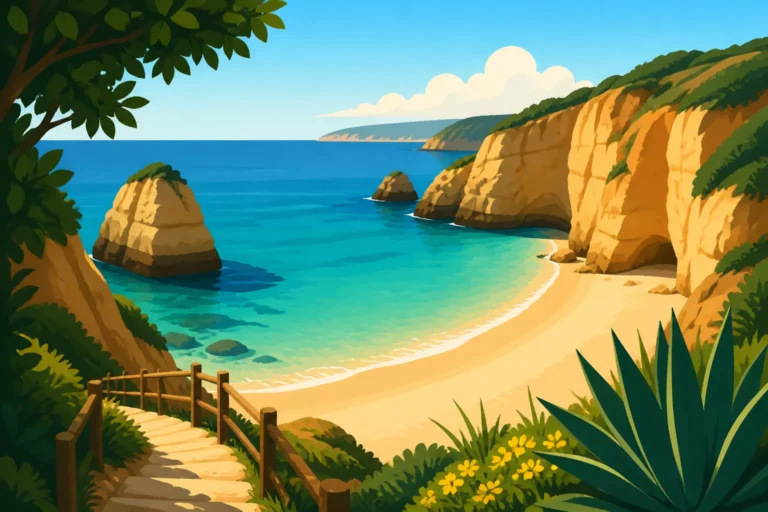
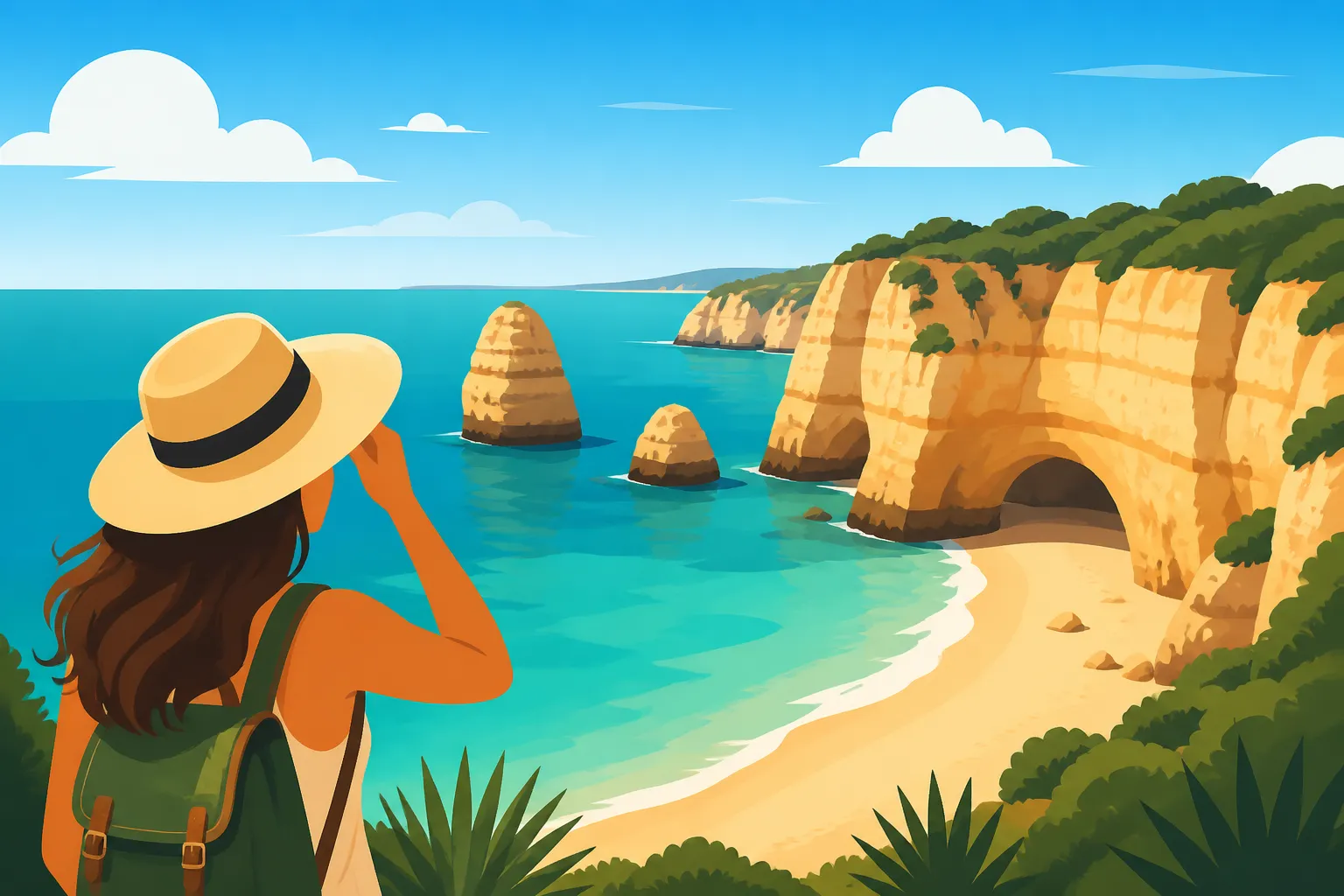
Ah, the Algarve. You see all those stunning photos of golden cliffs and turquoise waters, right? You dream of that serene moment, just you, the sand, and the gentle lapping of waves. Then you arrive in July or August, head to Praia da Rocha or Praia Dona Ana, and suddenly you're wading through a sea of towels and selfie sticks. It's a real buzzkill, I know! It’s enough to make you wonder if those tranquil spots are just a myth. But fear not, fellow expat or adventurous traveler, because I’m here to tell you that quiet beaches in the Algarve are absolutely real, and with a bit of savvy, you can find your slice of paradise. This guide will walk you through exactly how to escape the masses and discover the Algarve's most peaceful coastal retreats.
Understanding the Algarve's Crowds: When and Where to Avoid
Let's be real: the Algarve is a massively popular destination, and for good reason. It's gorgeous! But that popularity comes with a price, especially during peak season. Knowing when and where the crowds congregate is your first step to avoiding them. It's not just about picking a different beach; it's about understanding the rhythm of the region.
The Peak Season Scramble: July and August Realities
If you're planning your trip for July or August, you're going to face the biggest challenge. This is when European families are on holiday, and the Algarve becomes a bustling hub. Faro airport is buzzing, rental cars are flying off the lots, and every popular beach town, from Albufeira to Lagos, transforms into a vibrant, sometimes overwhelming, spectacle. This is the time when finding a quiet spot isn't just about showing up early; it's about going the extra mile, quite literally. Even the "secret" spots become known, at least for a few hours.
The general rule of thumb is: the closer you are to a major town or a family-friendly resort, the busier the beach will be. Think of the large, easily accessible beaches with ample parking and beachfront restaurants – those are crowd magnets. If you're hoping for solitude during these months, you'll need to embrace a bit of adventure, perhaps a hike, a boat trip, or an early morning start. It’s a trade-off, but the reward of a pristine cove all to yourself is usually worth it.
Off-Peak Peace: Shoulder Seasons and Winter Wonders
Now, if your schedule allows, the shoulder seasons – May, June, September, and early October – are absolutely golden for finding quiet beaches. The weather is still fantastic, warm enough for swimming and sunbathing, but the overwhelming crush of summer tourists has either not yet arrived or has already departed. You'll find plenty of space on even the most popular beaches during these months, and discovering truly secluded spots becomes much easier.
Winter in the Algarve, from November to April, is a completely different beast. It's cooler, yes, but often still sunny and mild. The crowds disappear almost entirely. While swimming might be limited to the brave (or those with wetsuits), walking along deserted stretches of beach, feeling the raw power of the Atlantic, is an incredibly therapeutic experience. You'll have entire coastlines to yourself, a true luxury. It's also a fantastic time to explore the region's inland villages and enjoy the authentic Portuguese pace of life without the tourist bustle. If you're looking to understand the Cost of living in the Algarve: Winter vs Summer price differences for expats, you'll quickly notice how much calmer and more affordable everything feels during these months.
Strategies for Discovering Secluded Beaches
Finding those hidden gems isn't just about luck; it's about a combination of research, timing, and a willingness to explore. The Algarve coastline is a patchwork of vast sandy stretches, dramatic cliffs, and tiny, inaccessible coves. Knowing how to approach your search will make all the difference.
Embrace the Early Bird or Late Owl Philosophy
This is perhaps the simplest and most effective strategy, especially if you're stuck with peak season travel dates. Most beachgoers arrive between 10 AM and 11 AM and stay until late afternoon. If you can get to a popular beach by 8 AM or 9 AM, you'll often have it almost entirely to yourself for a good hour or two. Imagine the light for photos, the calm waters, and the pure tranquility before the chaos begins. The same goes for late afternoon, after 5 PM. As families pack up and head for dinner, the beaches slowly empty out. You can enjoy a peaceful sunset swim or a leisurely stroll as the day cools down.
This strategy works even for well-known spots like Praia da Marinha, which is notoriously busy. Visiting at sunrise, when the golden cliffs catch the first rays of light, offers an entirely different, almost spiritual, experience compared to the midday throng.
Seek Out Beaches with Challenging Access
Let's face it: people are generally lazy. If a beach requires a long walk, a steep descent down rickety steps, or isn't easily reachable by car, it's far less likely to be packed. These are your goldmines for solitude. Look for beaches that aren't directly next to a large parking lot or a paved road.
- Hiking is your friend: Many of the most stunning, quiet beaches are only accessible via coastal hiking trails. The Seven Hanging Valleys Trail (Percurso dos Sete Vales Suspensos) near Carvoeiro, for example, offers breathtaking views and leads to several smaller, harder-to-reach coves. You might need proper shoes, water, and sun protection, but the reward is immense.
- Boat Access: Some of the most pristine coves, carved into the dramatic limestone cliffs, are virtually inaccessible by land. Consider booking a small boat tour – not the large party boats, but a smaller, more intimate excursion – that might take you to these hidden spots. While you won't be entirely alone, you'll be with a small group and experience places most never see. Companies on GetYourGuide offer a range of boat trips, from grotto tours to dolphin watching, many of which pass by or stop at these secluded spots.
- Kayak or SUP: Renting a kayak or stand-up paddleboard is another fantastic way to explore the coastline and paddle into smaller caves and coves that larger vessels can't reach. Many rental spots are available along the coast, particularly in Lagos and Portimão. This gives you direct control over where you go and how long you stay, allowing for genuine discovery.
Utilize Maps and Local Knowledge
Forget Google Maps for "most popular beaches." Instead, zoom in on satellite view and look for small, unmarked sandy patches nestled between cliffs. If there's no obvious road leading to it, no large parking area visible, and perhaps a faint path, you might have found a winner.
Talking to locals, especially those working in smaller, family-run establishments, can also yield incredible results. Portuguese people are often proud of their region and might share a lesser-known spot if you approach them with genuine interest and respect. Just be sure to ask em português if you can! Many parts of the Algarve, particularly away from the main tourist hubs, still offer a very authentic experience, and locals are a treasure trove of information.
Specific Quiet Beaches and Regions to Explore
While the concept of a "secret beach" is fleeting, some areas and specific beaches consistently offer more tranquility than their famous neighbors. Here’s where to start your search.
The Western Algarve's Rugged Beauty: Vicentine Coast
Move west of Lagos, and the Algarve dramatically changes. The golden, sheltered coves give way to the wild, windswept coastline of the Costa Vicentina Natural Park. This area, stretching all the way up to Aljezur and beyond, is a haven for surfers, nature lovers, and anyone seeking raw, untamed beauty. The beaches here are vast, often backed by dunes or dramatic cliffs, and generally far less crowded than the central and eastern Algarve.
- Praia da Bordeira (Carrapateira): This immense beach near Carrapateira is a spectacle of nature. With its vast sandy expanse, powerful waves, and a river that meanders to the sea, it rarely feels crowded. There's a wooden boardwalk for easy access and stunning views. Even on a busy day, you can walk for miles and find your own space.
- Praia do Amado (Carrapateira): Famous for surfing, Praia do Amado is another expansive beach that offers plenty of room. While popular with surf schools, its sheer size means you can always find a quiet spot away from the main action. The dramatic cliffs make for incredible scenery.
- Praia da Arrifana (Aljezur): Tucked beneath a fishing village and an old fort, Praia da Arrifana is a picturesque crescent-shaped beach. While popular with surfers, the access is a bit steeper, which naturally deters some crowds. The views from the top are magnificent, and the village offers charming places for a post-beach meal.
- Praia de Odeceixe (Aljezur): Located right on the border between the Algarve and Alentejo, this beach is unique. It's a river beach and an ocean beach in one, with the Seixe River forming a calmer swimming area for children and the ocean providing waves. It's popular with Portuguese families but large enough to absorb crowds, especially if you walk further along the sand.
The charm of the Vicentine Coast is its wildness. You won't find bustling promenades or endless rows of sunbeds here. Instead, expect unspoiled nature, small local restaurants, and a more laid-back vibe. It's a great option if you're looking for a different kind of Algarve experience. For those considering areas further afield, our guide on The Algarve for Expats: Lagos, Faro, and Tavira Compared offers more insights into regional differences.
Eastern Algarve's Island Retreats: Ria Formosa Natural Park
Shifting gears to the complete opposite end of the Algarve, the Eastern Algarve offers a completely different kind of seclusion: island life. The Ria Formosa Natural Park is a labyrinth of barrier islands, salt marshes, and canals, protecting a lagoon system. Many of the best beaches here are on these islands, requiring a ferry trip to reach them. This natural barrier immediately thins out the crowds.
- Ilha da Culatra (Faro/Olhão): This island is home to several small fishing communities (Culatra, Farol, Hangares) and boasts long, pristine stretches of beach. The journey by ferry from Faro or Olhão takes about 30-45 minutes, adding to its appeal for those seeking an escape. Once there, you can explore the quiet villages, enjoy fresh seafood, and then find a spot on the virtually endless beach. The Praia do Farol (Lighthouse Beach) end of the island is particularly stunning.
- Ilha da Armona (Olhão): Another accessible island from Olhão, Armona is popular with Portuguese families who have holiday homes there. However, if you walk a little distance from the main ferry dock, you'll quickly find vast, quiet stretches of golden sand. It’s perfect for a full day trip, with a few restaurants near the village for lunch.
- Praia da Fuzeta Mar (Fuzeta): From the charming fishing village of Fuzeta, a short ferry ride takes you to this beach on the Ilha da Armona's eastern end. It’s usually quieter than the main Armona beach, with stunning views back towards the mainland. The shallow, warm waters are great for families.
- Ilha de Cabanas (Cabanas de Tavira): A quick, inexpensive water taxi (or small ferry) from Cabanas de Tavira takes you across to this narrow barrier island. The beach is long, peaceful, and almost always uncrowded, even in high season. It's a great spot for birdwatching too, given its proximity to the Ria Formosa's wetlands.
The Eastern Algarve's appeal lies in its more authentic, less developed feel compared to the central tourist hubs. The towns like Tavira, Olhão, and Faro retain much of their traditional Portuguese character. Planning a visit here often involves coordinating ferry times, which naturally adds to the adventure and reduces spontaneity, thus filtering out some of the crowds.
Hidden Coves in the Central Algarve (with effort!)
Even in the bustling Central Algarve, you can find quiet spots, but they require more effort and timing. These are typically smaller coves nestled between dramatic cliffs.
- Praia do Carvalho (Lagoa): This beach is fantastic, but the "secret" has long been out. Still, its access involves walking through a tunnel carved into the rock, which can be a fun adventure. If you go early in the morning or later in the afternoon during shoulder season, it can be truly magical. It’s also popular with cliff jumpers, so be prepared for a bit of action if you go midday.
- Praia dos Tremoços (Lagoa): Near the famous Praia da Marinha, but significantly less known, this beach requires a short hike along the cliffs or a boat/kayak. It's a small, beautiful cove, often with very few people. The views from the cliff path are stunning.
- Praia da Balbina (Albufeira): Just west of Albufeira, this beach is not easily found. It’s nestled at the bottom of a large cliff, accessible either by a very steep, unofficial path (not recommended for everyone!) or by kayak from a neighboring beach. Due to the tricky access, it remains one of Albufeira's quieter gems.
These central Algarve gems are all about timing and knowing the local nuances. For example, if you're staying in a busy area, you might want to use a service like Omio to find train or bus connections to a smaller town nearby, then grab a taxi or walk to a more secluded spot. Public transport can get you to many places, but for true seclusion, driving offers more flexibility. Check out Public Transport and Driving in Portugal: Trains, Tolls, and Licenses for more on getting around.
Essential Tips for Your Quiet Beach Day
Once you've identified your potential quiet beach, a little preparation goes a long way to ensure your day is as serene and stress-free as possible.
Go Prepared: Food, Water, and Essentials
Many of the secluded beaches don't have amenities like cafes, toilets, or even shaded areas. It’s crucial to pack everything you might need:
- Plenty of water: Especially in summer, staying hydrated is paramount.
- Snacks/Picnic: Pack a lunch, fresh fruit, and anything else you might want to munch on.
- Sun protection: Sunscreen, a hat, and possibly a beach umbrella (many popular beaches have rentals, but remote ones won't). The Algarve sun is intense!
- Towel and swimwear: Obvious, but worth stating!
- Rubbish bag: If there are no bins, please take all your trash with you. Let’s keep these beautiful places pristine.
- Good walking shoes: If you're hiking to a beach or navigating rocky paths, flip-flops just won't cut it.
- First-aid kit: For scrapes, cuts, or bug bites. A comprehensive What to pack in a first-aid kit when moving to a rural Portuguese village guide can offer more detailed advice.
Check the Tides
For many of the Algarve's smaller coves, especially those nestled between cliffs, the tide can make a huge difference. At high tide, some beaches virtually disappear, leaving little to no sand. Always check the tide times before you go to ensure you have plenty of space to relax. Websites like Magicseaweed or local tide charts can be easily found with a quick search.
Consider Off-Grid Accommodation
To truly maximize your quiet beach experience, consider staying in accommodation further away from the main resort towns. Charming guesthouses (casas rurais), small boutique hotels, or even private villas can be found in the smaller villages along the Costa Vicentina or in the Eastern Algarve. Booking.com offers a wide array of options, from rustic farm stays to luxurious secluded retreats. Staying locally means you can reach those early morning or late evening beach times with much less fuss, avoiding the drive from a busy area.
Respect the Environment and Locals
When visiting these more untouched areas, remember that you are a guest.
- Leave no trace: Take all your litter with you. Don't disturb wildlife.
- Be mindful of noise: Keep your music down and respect the tranquility.
- Respect private property: Stick to public paths and don't trespass.
- Support local businesses: If you find a small cafe or restaurant near a quiet spot, give them your business. It helps these communities thrive.
By following these tips and embracing a bit of exploration, you'll discover that the Algarve is indeed full of tranquil havens waiting to be enjoyed. The effort required is a small price to pay for the serenity and breathtaking beauty that awaits you beyond the crowds.
Disclaimer
The information provided in this guide is for general informational purposes only and is subject to change. While we strive to provide accurate and up-to-date information, local conditions, regulations, and access to beaches can change without prior notice. Always exercise caution, check local signage, and be aware of your surroundings, especially when exploring remote areas or navigating cliffs and tides. We recommend verifying details with local authorities or tourism offices before making definitive plans.