Do People Speak English in Portugal’s Tourist Areas?
Disclosure: This article contains affiliate links. If you buy through them, we may earn a commission at no extra cost to you. Read our full disclosure.
One of the biggest worries for new arrivals or tourists in Portugal, right after figuring out the labyrinthine visa process or finding that perfect apartment, is often the most basic: "Will I be able to communicate?" It’s a very valid concern, especially when you’re stepping into a new culture where the language is distinct and, let’s be honest, not as widely spoken globally as, say, Spanish or French. This guide is here to shed light on exactly how much English you can expect to encounter in Portugal’s tourist areas, helping you prepare for a smoother, more enjoyable experience.
The General Landscape: Where English is Strongest and Why
Let’s get straight to it: in Portugal’s prime tourist spots, you’ll generally find a good level of English proficiency. This isn’t because Portuguese people are just naturally amazing linguists (though many are!), but because the tourism industry here is massive and highly dependent on international visitors. Businesses understand that if they want your euros, they need to speak your language.
Major Cities: Lisbon and Porto
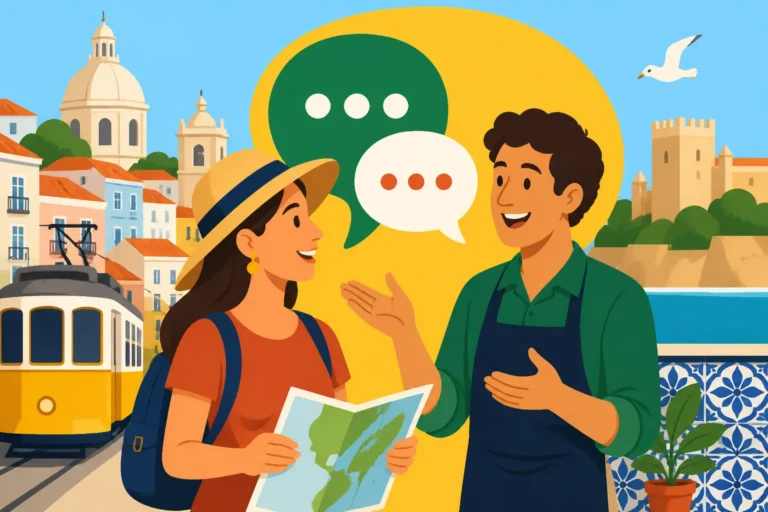
In bustling hubs like Lisbon and Porto, English is incredibly common, especially within the main tourist arteries. Walk through areas like Lisbon's Baixa-Chiado, Bairro Alto, or Alfama, or Porto's Ribeira, Baixa, and Bolhão market, and you'll hear a mix of languages, with English often dominating. Shop assistants in souvenir stores, waiters in popular restaurants, and staff in hotels or hostels almost invariably speak English. Many menus will be bilingual, and tourist information centers are always well-equipped with English-speaking staff. It’s almost expected, and a lack of English is more the exception than the rule in these central zones.
Consider walking into a trendy café in Cais do Sodré in Lisbon, a common spot for younger expats and tourists. You can confidently order your "meia de leite" or "tosta mista" without needing a phrasebook. Similarly, if you’re trying to book a specific experience through a platform like GetYourGuide, rest assured that the tour operators in these cities will almost always offer tours in English, often exclusively. This level of communication makes the initial phase of settling in or simply visiting feel far less daunting.
Coastal Resorts: The Algarve
Down south, in the sun-drenched region of the Algarve, English is virtually a second language. This area has been a magnet for British and Irish tourists and expats for decades, and its infrastructure has evolved to cater to them. From Faro to Lagos, including popular spots like Albufeira, Vilamoura, and Portimão, you’ll find that English is widely spoken in almost all commercial settings. Restaurants, bars, supermarkets, car rental agencies, and even many local markets will have staff who can communicate effectively in English.
It’s not uncommon to hear more English than Portuguese in some of the more internationalized resorts. Doctors in private clinics, real estate agents, and even bank staff in these areas often have a strong grasp of English, understanding that their client base is predominantly foreign. If you're pondering a move to this region, you'll probably find that your initial cultural adjustments are less about language and more about understanding the local pace of life or navigating things like Healthcare in Portugal for Expats: The Complete 2026 Medical Guide.
Younger Generations and the Service Industry
One of the most encouraging trends for English speakers is the proficiency among Portugal's younger generations. English education starts early in schools, and global media consumption ensures that many young Portuguese grow up with excellent English skills. This is particularly evident in the service industry, where young professionals often staff cafes, hotels, and tourist attractions. They’re eager to practice their English and are generally very helpful.
Even in situations where someone's English might not be perfect, their willingness to try and understand you is usually very high. A smile and a bit of patience go a long way. This eagerness to assist and connect is a beautiful part of Portuguese culture that expats often rave about, making communication less of a barrier and more of an opportunity for friendly interaction.
Beyond the Big Cities: Expecting Less English
While Lisbon, Porto, and the Algarve might feel like English-speaking bubbles, it's crucial to understand that this isn't the case across the entire country. Portugal is a diverse nation, and once you venture off the well-trodden tourist paths, the linguistic landscape changes significantly.
Rural Areas and Small Towns
Step into the Alentejo, the Beiras, or even some of the more remote parts of the Silver Coast, and you’ll quickly notice a drop in English proficiency. In smaller villages and rural communities, Portuguese is predominantly, if not exclusively, spoken. Here, shopkeepers, café owners, and even many restaurant staff might have very limited or no English at all.
This isn’t to say you’ll be completely stranded, but you’ll definitely need to dust off those basic Portuguese phrases or rely heavily on translation apps. When you’re trying to order a coffee or buy groceries in a local mercado, don’t expect a bilingual menu or an easy conversation. This is where the charm of truly immersing yourself in local life kicks in, but it requires a bit more effort on your part. For those who want to integrate deeper into the culture, this is a fantastic opportunity to really focus on Learning European Portuguese: Top Apps, Tutors, and Free Government Classes.
Public Services and Bureaucracy
Ah, bureaucracy – the bane of every expat’s existence, regardless of the country! In Portugal, navigating public services can be challenging even with fluent Portuguese, so imagine doing it with a language barrier. Whether you're at the Finanças office, the Centro de Saúde (health center), or dealing with the post office (CTT), don't count on finding English-speaking staff.
This is a common frustration, and one that often leads expats to seek assistance from bilingual friends, lawyers, or relocation services. Trying to register with the Registering with the Centro de Saúde: Getting Your SNS Número de Utente or deal with your Portuguese Taxes for Expats: IRS, Tax Residency, and Filing Deadlines can feel like an Olympic sport when you don't understand the forms or the instructions. Patience is not just a virtue here; it's a survival skill. Always try to bring a Portuguese-speaking friend or interpreter if you have complex matters to sort out at these offices.
Unexpected Places
Sometimes, you’ll be surprised where English isn't spoken, even in relatively touristy towns. For instance, in a neighborhood café just a few blocks from a major attraction in Lisbon, the elderly owner might only speak Portuguese. Or, you might find that while the main train station staff are bilingual, the conductor on your regional train might not be.
Even in cultural institutions, like smaller museums or historical sites outside of the very main ones, information might only be available in Portuguese, and staff might not be able to offer detailed explanations in English. This is where a little preparation goes a long way. Before you visit a specific place, a quick online search can sometimes tell you what to expect regarding language accessibility.
Navigating Everyday Situations with Limited Portuguese
So, you're out and about, maybe in a place where English isn't as prevalent. How do you manage those daily interactions? It's all about being prepared and knowing a few key strategies.
Restaurants and Cafes
In smaller, more traditional restaurants (often called tascas) or local cafes, English might be sparse. You might encounter a menu that's only in Portuguese, or the waiter might just point at items and give you a quizzical look. Don't panic! This is where basic food vocabulary comes in handy. Knowing words like água (water), café (coffee), vinho (wine), cerveja (beer), carne (meat), peixe (fish), vegetais (vegetables), and sobremesa (dessert) can be a lifesaver.
Often, pointing at items on a menu (if available) or even at someone else's dish that looks appealing is perfectly acceptable. The Portuguese are generally very accommodating and will try their best to understand your order. Many local eateries serve a Prato do Dia (Dish of the Day), which simplifies ordering; you can often just say "o prato do dia, por favor." For a deeper dive into dining, check out our guide on Portuguese Coffee Culture and Restaurant Etiquette: Ordering Like a Local.
Shops and Markets
Similar to restaurants, smaller local shops and traditional markets (mercados) might not have English speakers. If you're buying produce, knowing your numbers and colors is incredibly helpful. Holding up fingers for quantities, or using your phone's calculator to show a price, can work wonders.
In supermarkets, you'll generally find more English, especially at larger chains like Continente or Pingo Doce, but cashiers might not be fluent. They'll likely understand "bag" (saco) or "card" (cartão). Don't be surprised if they ask for your Número de Identificação Fiscal (NIF) at checkout for tax benefits; a simple "não, obrigado" (no, thank you) is fine if you don't want to provide it. For more on this, our Grocery Shopping in Portugal: Continente, Pingo Doce, Auchan, and Mercados guide can offer helpful tips.
Public Transportation
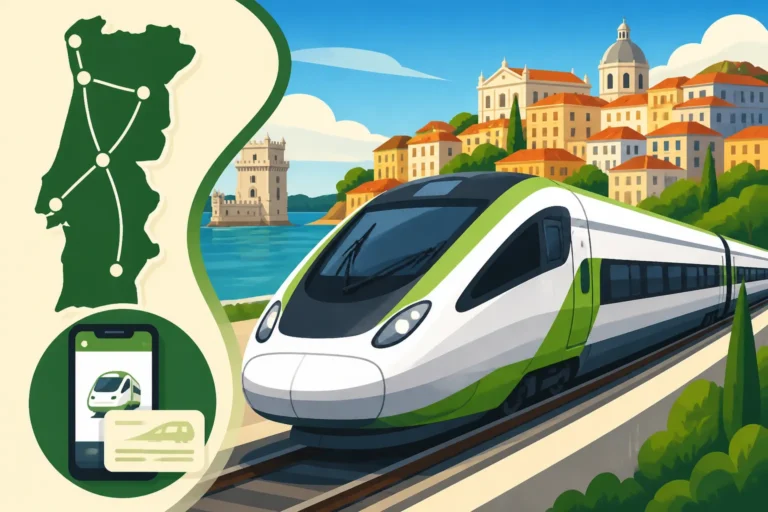
Navigating public transport in major cities like Lisbon and Porto is generally easy, with signs often in English and ticket machines offering multilingual options. Most metro staff, especially in central stations, will have some English. However, on regional buses or less frequented train lines, you might find that drivers or conductors speak very little English.
When in doubt, have your destination written down clearly (or shown on your phone) to avoid miscommunication. Using transport apps like the official Comboios de Portugal (CP) app for trains, or local city apps for buses and metro, can also bypass the need for verbal interaction. If you're traveling further afield, booking tickets on Omio might give you more clarity on routes and schedules, circumventing potential language issues at smaller stations.
Tips for Bridging the Language Gap
You're not expected to become fluent overnight, but a little effort can go a long way in Portugal. Here are some actionable tips to help you communicate effectively and connect with locals.
Essential Portuguese Phrases
Learning even a handful of basic Portuguese phrases will not only help you get by but will also be deeply appreciated by locals. It shows respect for their culture and effort on your part. Even a simple "Olá" (hello), "Obrigado/a" (thank you – use 'o' if male, 'a' if female), and "Por favor" (please) can make a big difference.
Here are a few more to get you started:
- Bom dia: Good morning (until around midday)
- Boa tarde: Good afternoon/evening (from midday until dusk)
- Boa noite: Good night (from dusk onwards)
- Desculpe: Excuse me / Sorry
- Fala inglês?: Do you speak English?
- Não falo português: I don't speak Portuguese.
- Eu não entendo: I don't understand.
- Quanto custa?: How much does it cost?
- A conta, por favor: The bill, please.
- Ajuda!: Help! (for emergencies, though knowing Calling 112: Do Portuguese emergency dispatchers speak fluent English? is vital)
Even if your pronunciation isn't perfect, the effort is what counts. You’ll often find that after you try a little Portuguese, locals will be more inclined to switch to English if they can, or at least be more patient in helping you.
Translation Tools and Apps
In this digital age, you have powerful linguistic aids right in your pocket. Google Translate and DeepL are invaluable for instant translations. Many apps even offer camera translation, where you can point your phone at a menu or sign, and it will translate the text in real-time. This is especially useful in those traditional places where English menus are non-existent.
Downloading an offline Portuguese dictionary or phrasebook app is also a good idea, particularly if you plan to venture into areas with spotty internet connectivity. While these tools aren't foolproof, they can certainly help you get the gist of conversations and express your basic needs.
Patience, Politeness, and a Smile
Perhaps the most crucial "tool" for bridging the language gap is simply your attitude. The Portuguese are renowned for their hospitality and kindness, and they generally appreciate visitors who show respect and patience. If you encounter someone who doesn't speak English, a polite smile, a slow and clear attempt at communication (even if it's just pointing), and genuine patience will go a long way. Frustration or aggression will get you nowhere.
Remember that you are in their country, and while English might be a global language, it's not their native tongue. Embrace the challenge as part of the adventure, and you might just find yourself learning a bit of Portuguese and making some lovely connections along the way. Sometimes, a simple "olá, tudo bem?" (hello, how are you?) can open doors to surprising interactions and truly authentic experiences. For more insights into daily interactions, our guide on Daily Life in Portugal: Supermarkets, Language, and Cultural Etiquette offers plenty of context.
| Location Type | Expected English Proficiency | Common Situations | Tips for Visitors |
|---|---|---|---|
| Major Tourist Cities | High | Hotels, popular restaurants, major attractions, souvenir shops | Generally easy communication. Basic Portuguese appreciated. |
| Coastal Tourist Areas | High | Resorts, expat-heavy towns, many businesses | Very good communication, often catering to UK/US visitors. |
| Smaller Towns/Cities | Medium | Main squares, some tourist-focused shops | Some English, but be prepared for limited fluency. |
| Rural Villages | Low | Local cafes, small shops, elderly residents | Essential to know basic Portuguese phrases and use translation apps. Patience is key. |
| Public Transport | Medium-High (cities), Low (rural) | Ticket offices (cities), drivers/conductors (rural) | City metro/trains usually good; regional buses less so. Have destinations written down. Omio for booking online. |
| Public Services | Low | Finanças, Centro de Saúde, post office, local council | Always bring a Portuguese speaker or use a professional interpreter/relocation service. |
Ultimately, while you can absolutely get by with English in Portugal’s main tourist areas, knowing a few Portuguese phrases and having a translation app ready will enrich your experience immeasurably. It opens up opportunities to connect with locals on a deeper level and explore parts of the country that remain wonderfully authentic. So pack your bags, download that app, and get ready to say "Olá!"
Disclaimer
The information provided in this guide is for general informational purposes only and does not constitute professional advice. While we strive to keep the content accurate and up-to-date, circumstances and regulations in Portugal can change rapidly. Always consult official government sources or qualified professionals for specific advice tailored to your situation.