When Is the Best Time for a Beach Holiday in Portugal?
Disclosure: This article contains affiliate links. If you buy through them, we may earn a commission at no extra cost to you. Read our full disclosure.
If you have ever planned a Portuguese beach week around a sunny forecast, then stepped into water that took your breath away or found every towel-sized patch of sand in Albufeira taken by ten in the morning, you know timing matters. This guide explains which months suit which coast, and how to match your dates to the holiday you want.
I have lived here long enough to have made most of these mistakes myself. My first summer I booked a “beach week” in Peniche in early June and spent most of it in a hoodie. My second, I tried the Algarve in mid-August and spent more time hunting for parking than swimming. Below is what I wish someone had told me before either trip.
Understanding Portugal’s Beach Season by Coast
The first thing to understand is that Portugal is not one beach destination. It is several very different coastlines that happen to share a flag. The country faces the open Atlantic, and the water along most of it is cold compared with the Mediterranean. The weather can be gorgeous while the sea stays bracing, so the “best time” depends on where you are going as much as when.
The Algarve: Portugal’s Warmest Water
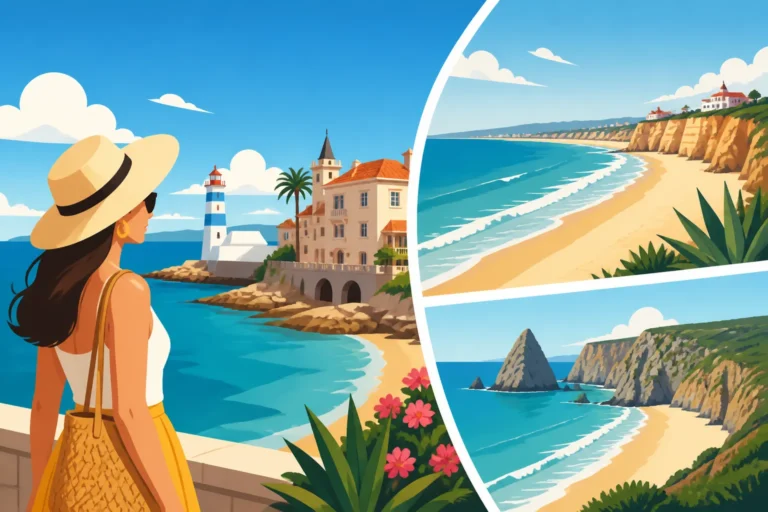
The Algarve runs along the southern coast, facing Africa rather than the open ocean. It gets the longest, most reliable beach season in mainland Portugal, with hot, dry summers and mild springs and autumns. It is also where the water is most swimmable for the longest stretch of the year.
The Algarve itself has two personalities. The western half, the Barlavento, runs from Sagres through Lagos, Portimão and Carvoeiro, and is famous for golden cliffs, sea stacks and grottoes. The water here is noticeably cooler, especially near Sagres and Cape St. Vincent, where the Atlantic swell wraps around the corner. The eastern half, the Sotavento, takes in Faro, Olhão, Tavira and Monte Gordo near the Spanish border. It has long, flat sandy beaches, barrier islands in the Ria Formosa lagoon, and the warmest, calmest water in the country.
A real scenario: a friend visiting from Manchester with two toddlers asked me where to go in late June. I sent them to Manta Rota and the Ilha de Tavira rather than Lagos. The cliff beaches near Lagos are stunning, but the shallow, gently sloping water in the east meant the kids could paddle for hours without anyone getting blue lips. If you are still choosing a base, see Which Algarve Town Is Best for Your Holiday? and The Best Beaches in the Algarve for a beach-by-beach breakdown.
Lisbon Coast and the Silver Coast
Around Lisbon you have two main beach zones. The Cascais and Estoril line, reachable by the suburban train from Cais do Sodré, has small, sheltered town beaches like Praia da Conceição and Praia do Tamariz. Across the river, the Costa da Caparica offers a long stretch of open Atlantic sand, which gets wilder and emptier the farther south you go toward Fonte da Telha. Further still, the Arrábida coast near Setúbal hides some of the clearest, most sheltered water anywhere near the capital, at beaches like Portinho da Arrábida and Galapinhos.
The beach season around Lisbon is solid from late June through September, but the water is colder than in the Algarve. Arrábida is the exception people rave about, because the mountain range shelters it from the prevailing wind. For a closer look at these options, see Lisbon’s Beaches: Cascais, Costa da Caparica, and Beyond.
North of Lisbon, the Silver Coast takes in Ericeira, Peniche, Baleal, Foz do Arelho, São Martinho do Porto and Nazaré. This is surf country first and swimming country second. In summer, a northerly wind the locals call the nortada tends to pick up in the afternoon, and this coast can get morning sea fog that burns off around lunchtime. On a summer trip to São Martinho do Porto, I learned to plan beach time for the afternoon and coffee and pastries for the foggy morning. The shell-shaped bay there is one of the few calm swimming spots on this coast, which is why Portuguese families love it.
The Wild North and the Islands
From Porto up through Póvoa de Varzim, Viana do Castelo and the Minho, the beaches are wide, windswept and beautiful, and the water is the coldest in the country. The summer air can be pleasant, but Atlantic upwelling keeps the sea chilly even in August. Northern Portuguese have a reputation for being hardy swimmers, and after a dip at Praia de Moledo, I understand why. Here the beach season is shorter and really belongs to July and August, with plenty of days better suited to walks, seafood lunches and watching the surfers.
Madeira and the Azores follow different rules entirely. Madeira has a mild climate all year, though most of its coastline is rocky, with natural lava pools at Porto Moniz and lidos in Funchal. For proper golden sand you take the ferry or a short flight to Porto Santo. The Azores have a short, warm summer, and the sea there is often at its most pleasant in late summer. Island trips are a topic of their own, covered in Madeira and the Azores: Portugal’s Islands.
Month-by-Month Beach Calendar for Portugal
The official bathing season, the época balnear, is set by each municipality, which is why lifeguard coverage can start and end on different dates from one town to the next. In general it covers the core summer months, with the longest seasons in the Algarve and the shortest in the north. Before your trip, check your chosen beach’s local council page to see whether lifeguards will be on duty during your dates.
Late Spring: May and June
May is one of my favorite months to be in Portugal, but I would not call it a swimming month for most visitors. The air is warm, the wildflowers are out along the Costa Vicentina, and the Algarve beaches are almost empty on weekdays. The sea, however, is still carrying its winter chill. Northern Europeans who swim in the North Sea will happily plunge in. Most others will wade to their knees, gasp, and retreat to a sunbed.
June is when things really start. The days are at their longest, and in the Algarve the water becomes properly swimmable for many people by the second half of the month. June also brings the Santos Populares, the festivals of the popular saints, so if you are combining a city break with beach days, Lisbon in mid-June is electric with grilled sardines and street parties. See How to Experience Santos Populares in Lisbon if you want to plan around them. Portuguese school holidays begin toward the end of June, so the first half of the month is noticeably quieter on the sand.
A hypothetical example: a couple from Toronto books a week in Lagos in the first half of June. They get long sunny days, easy restaurant reservations, and space on Praia Dona Ana. They will probably find the water fresh rather than warm, but kayaking among the rock arches at Ponta da Piedade feels perfect in that weather.
High Summer: July and August
July and August are the classic beach months, and for good reason. The weather is at its most reliable, the sea has had a few months to warm up, every beach bar is open, and lifeguards are on duty almost everywhere. If you want guaranteed beach weather and you are going to the north or the Silver Coast, these are really your only safe bets.
The trade-off is crowds and prices. August in particular is when Portugal itself goes on holiday. Lisbon empties out and the Algarve fills up with Portuguese families, Spanish visitors driving in over the border, and much of northern Europe. The Assumption Day holiday in mid-August is the absolute peak. Accommodation prices climb, rental cars become scarce, and the most famous beaches, like Praia da Marinha and Praia da Falésia, can be packed by mid-morning. Parking near the popular cliff beaches becomes a competitive sport.
There is also heat to consider. Inland Algarve and the Alentejo can get scorching in high summer, and the risk of wildfires rises. The coast stays more comfortable thanks to sea breezes, but I always plan the middle of the day around shade, a long lunch and a siesta, then return to the beach in late afternoon when the light turns golden and the crowds thin. If you must travel in high summer, the advice in How to Avoid the Crowds in Portugal’s Peak Season will save you a lot of frustration.
The Golden Window: September and Early October
If you are flexible, September is the answer I give almost everyone who asks. The sea has spent the whole summer warming, so in the Algarve it is often at its most comfortable of the year. Once Portuguese schools go back in mid-September, the crowds drop sharply, while the beach bars, boat tours and restaurants are still open. The air is warm without the intensity of August.
Early October can extend this window, especially in the Algarve. You are taking more of a chance on the weather, since the first autumn rain can arrive, and some seasonal beach restaurants start closing. But I have had some of my best beach days in early October, swimming at Praia do Camilo near Lagos with only a handful of other people on the sand.
A practical scenario: a retired couple from Ohio asked me whether to book the Algarve for the last week of August or the last week of September. I told them September without hesitation. They found warmer water, easy parking, a quieter hotel pool, and dinner tables available without reservations in Tavira’s old town. The only cost was that a couple of lifeguard stations had already packed up, which mattered little to them, since they stuck to calm Sotavento beaches.
Off-Season Beach Days
From late October through April, Portugal is not a swimming destination for most people, but it is a wonderful beach destination in a different sense. Winter beaches in the Algarve are often sunny, wind-swept and nearly empty. They are perfect for long walks, cliff hikes along the Seven Hanging Valleys trail, and lunches of grilled fish in a fishing-village tasca. The big-wave season at Nazaré also falls in this period, and watching surfers tackle those enormous swells from the lighthouse at the Fort of São Miguel Arcanjo is unforgettable.
Portugal also has a charming tradition called the Verão de São Martinho, the “summer of St Martin,” a short spell of warm, settled weather that often arrives around St Martin’s Day in mid-November. It is not guaranteed, but when it happens, you might find locals sunbathing on a Cascais beach while roasting chestnuts. For a fuller picture of the cooler months, see What’s the Weather Like in Portugal in Winter?.
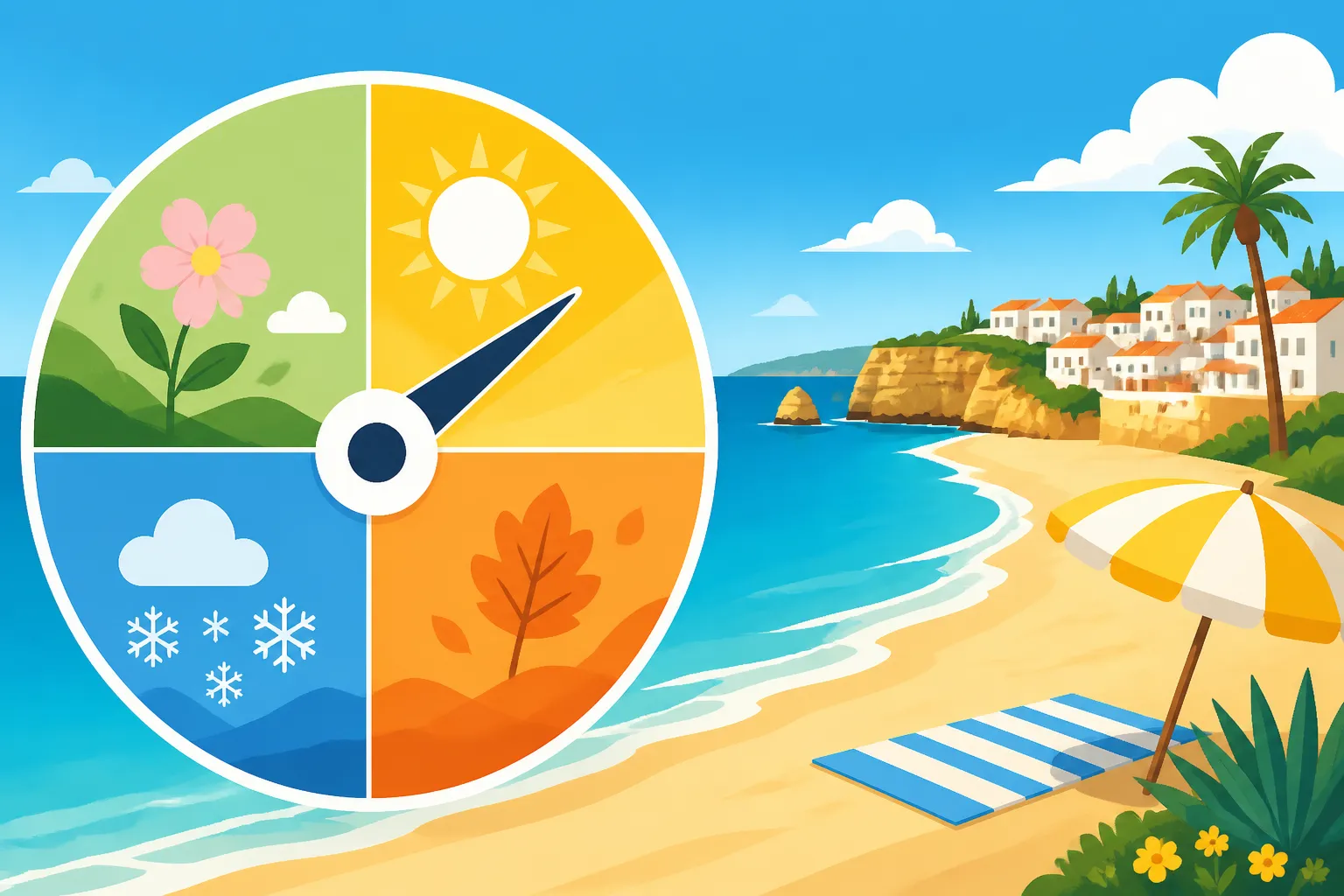
The table below summarizes how each period feels across the main coastlines.
| Period | Algarve | Lisbon Coast and Arrábida | Silver Coast and North | Crowds and Prices |
|---|---|---|---|---|
| May | Warm, sunny days, sea still cold | Pleasant air, cold sea | Mild, often windy, too cold to swim | Low crowds, good value |
| Early June | Good beach weather, sea warming | Beach days possible, cool water | Changeable, morning fog common | Quiet, moderate prices |
| Late June and July | Reliable heat, swimmable sea | Reliable beach weather | Best stretch for northern beaches, afternoon wind | Busy, prices climbing |
| August | Hottest period, very crowded | Hot, busy weekends | Most reliable weather in the north | Peak crowds and peak prices |
| September | Warmest sea, crowds thin after school returns | Excellent, calmer beaches | Still decent early in the month | Moderate, falling prices |
| Early October | Often still swimmable, some closures | Mixed, occasional rain | Cooling, surf picks up | Quiet, good value |
| November to April | Sunny walks, swimming for the brave | Coastal walks, surf | Big-wave season at Nazaré | Lowest crowds and prices |
Matching the Timing to Your Type of Holiday
The “best” time to visit is personal. A surfer, a family with a baby and a couple on a budget will all get a different answer from me.
Families with Young Children
If you have school-age children, you are probably tied to school holidays, which means July or August. In that case, I strongly recommend the eastern Algarve. Beaches like Praia Verde, Manta Rota, the Ilha de Tavira and the Ilha da Armona have warm, shallow water, gentle waves and long stretches of sand where crowds spread out rather than piling up beneath a cliff. Book accommodation early, choose a place within walking distance of the sand, and plan to be on the beach in the morning and late afternoon rather than at midday.
If your children are not yet in school, September is a gift. The water is warm, the sun is softer, and you will not be fighting for space. Late June is a reasonable alternative if September does not work. For a deeper look at calm, child-friendly spots and facilities, see Are Portugal’s Beaches Good for Families?.
One more family tip from experience: the sun here is intense even when the breeze makes it feel cool. My nephew got a nasty burn on an overcast, windy day at Costa da Caparica because none of us noticed how strong the sun really was. Pack proper sun protection, a beach tent or umbrella, and check out What to Pack for a Beach Trip in the Algarve before you leave.
Surfers, Hikers, and Active Travelers
For surfing, the best timing turns the usual calendar upside down. Summer brings smaller, gentler waves, ideal for beginners at surf schools in Baleal, Ericeira and Arrifana. Autumn and winter bring the powerful swells that experienced surfers travel across the world for. Spring and autumn often deliver the sweet spot of good waves, warmer air, and wetsuit-friendly conditions without the summer crowds in the lineup. For spot-by-spot advice, see Where to Surf in Portugal: Ericeira, Peniche, and Nazaré.
Hikers should look hard at spring and autumn. The Rota Vicentina trails along the southwest coast are glorious in April, May, late September and October, when you can walk clifftops in comfort and finish the day with a dip at a beach like Praia da Amália or Odeceixe. Midsummer hiking on exposed cliffs with little shade is far less pleasant. If this wilder coast appeals, see How to Visit the Beaches of the Costa Vicentina.
For boat trips, kayaking and coasteering in the Algarve, sea conditions matter more than the calendar. Summer usually brings calmer seas, but trips get cancelled on choppy days at any time of year. Booking tours through a platform like GetYourGuide is handy because you can read reviews from recent trips and check the operator’s cancellation terms. That flexibility matters when a sudden swell rolls in and boat trips along the Benagil coast are called off for the day.
Couples and Budget Travelers
If you are traveling without children and have some flexibility, aim for the shoulder seasons. Late May through mid-June and the second half of September offer the best balance of weather, water and value. You will find romantic dinners in Lagos and Tavira easier to book, quieter beaches, and accommodation that is noticeably cheaper than in August.
For budget travelers, the off-season can be a revelation, as long as you are happy with walks rather than swims. Coastal towns stay lively year-round thanks to the expat and local communities, and you can often rent a sea-view apartment for far less than in summer. If saving money is your main priority, the timing advice in When Is the Cheapest Time to Visit Portugal? goes into more detail.
A hypothetical example: two friends from Berlin on a tight budget pick the last ten days of September. They base themselves in Olhão rather than Albufeira, take the ferry to the Ria Formosa islands for beach days, and eat at the fish market restaurants on the waterfront. They get warm water, empty island beaches and local prices, which is everything they wanted.
Practical Planning Steps for Your Portuguese Beach Trip
Once you have chosen your timing, a few practical steps will make the trip much smoother. These are the habits I have built up after years of beach weekends up and down the country.
Booking Strategy
For July and August, book accommodation as early as you can, especially in the Algarve. Popular apartments near the beach go quickly, and the remaining options get further from the sand and more expensive as summer approaches. I like using Booking.com for coastal stays because filtering for free cancellation lets me lock in a good place early and adjust later if plans change. For September and the shoulder months you can book closer to the date, but I still would not leave it to the last minute for weekends.
Getting to the coast without a car is easier than many visitors expect. Trains run from Lisbon to the Algarve, with connections along the regional line between Lagos and Vila Real de Santo António, and express buses link the main towns. To compare train and bus times between Lisbon, Faro and other coastal towns in one place, Omio is a convenient way to see your options side by side before you book. That said, some of the most beautiful cliff beaches and the quieter Costa Vicentina spots are hard to reach without your own wheels. If you plan to drive, read How to Rent a Car in Portugal Without Toll Surprises first, because electronic-only tolls on some Portuguese motorways still catch out many drivers, although the Algarve’s A22 has been toll-free since 1 January 2025.
Here is the step-by-step process I recommend to friends planning a beach trip:
- Decide which matters most to you: warm water, guaranteed sunshine, low crowds, waves or low prices.
- Pick your coastline based on that priority, using the eastern Algarve for warm, calm water and the Silver Coast or Costa Vicentina for surf and wild scenery.
- Choose your dates, favoring late June or September if you are flexible, and July or August if you are tied to school holidays.
- Book accommodation early for summer dates, ideally with a flexible cancellation policy.
- Arrange transport, deciding whether trains and buses will work or whether you need a rental car for remote beaches.
- Book any boat trips, surf lessons or guided activities a few days ahead, and check the cancellation terms in case the sea turns rough.
- Check the local council’s bathing season dates for your beach so you know whether lifeguards will be on duty.
- Pack for both heat and wind, including a light layer for evenings and foggy mornings on the west coast.
Beach Safety and Local Rules
Portuguese beaches use a flag system that you should take seriously. A green flag means bathing is allowed, a yellow flag means you can paddle but should not swim out, and a red flag means no bathing at all. A checkered flag indicates the beach is temporarily unattended by lifeguards. On the west coast especially, rip currents can be powerful even on days that look calm, and the lifeguards here will whistle you back without hesitation. Swim within the supervised zone, and outside the bathing season, assume no one is watching.
Look for the Blue Flag, the Bandeira Azul, at the entrance to many beaches. It signals good water quality, safety and facilities, which is reassuring if you are swimming with children. Beyond flags, respect cliff warning signs in the Algarve. The beautiful sandstone cliffs there are prone to rockfalls, and the areas marked off beneath them are restricted for a reason. Chunks of cliff have tumbled onto the sand at Praia Maria Luísa, and nobody who saw it ever spread a towel under a cliff again.
Finally, think about the quieter corners. If crowds are your biggest worry in summer, the coves reached by footpath, the far ends of long beaches and the islands of the Ria Formosa will always be calmer than the beach next to the car park. For specific suggestions, see How to Find Quiet Beaches in the Algarve. After all these years, my own rule is simple: go in September if you can, go east if you want warm water, go west if you want waves, and always plan for the wind.
Disclaimer
This article is for general informational purposes only and does not constitute professional advice. Laws, prices and regulations vary by location and change over time. Consult a qualified professional for guidance on your specific situation.