How Many Days Do You Need in Madeira?
Disclosure: This article contains affiliate links. If you buy through them, we may earn a commission at no extra cost to you. Read our full disclosure.
Figuring out how long to spend in a place like Madeira can be a real head-scratcher, especially when you're trying to balance seeing all the incredible sights with actually soaking up the island's unique vibe. It’s not just about ticking off a list; it’s about experiencing the deep greens, the dramatic cliffs, and the genuine warmth of the Funchal streets. This guide is here to help you cut through the guesswork and craft an unforgettable Madeira itinerary, whether you've only got a few days or the luxury of a longer, more leisurely stay.
Madeira: More Than Just an Island – A Deep Dive into its Allure
Madeira, often dubbed the "Pearl of the Atlantic" or the "Garden Island," is far more than just a Portuguese speck in the ocean. It's a land of astonishing contrasts, where jagged volcanic peaks plunge into the sapphire sea, and lush, subtropical forests cradle ancient levada irrigation channels. For those of us living in mainland Portugal, or even just visiting, it represents a completely different facet of this incredible country, a world away from the historic cities and golden beaches we might be accustomed to. The island’s unique topography and climate create microclimates that foster an incredible biodiversity, making it a hiker's paradise and a nature lover's dream.
What truly sets Madeira apart is this blend of dramatic natural beauty with a rich cultural tapestry. The capital, Funchal, is a charming, bustling city with a history dating back to the 15th century, evident in its old town, vibrant markets, and historic churches. But step outside Funchal, and you're immediately immersed in landscapes that feel almost otherworldly. From the dizzying heights of Pico Ruivo, Portugal's third-highest peak, to the natural volcanic swimming pools of Porto Moniz, every corner of the island offers a new spectacle. It’s a place that invigorates the senses and offers a respite from the everyday, making the question of "how many days" less about logistics and more about how much of this magic you want to absorb.
Understanding Madeira’s Unique Appeal
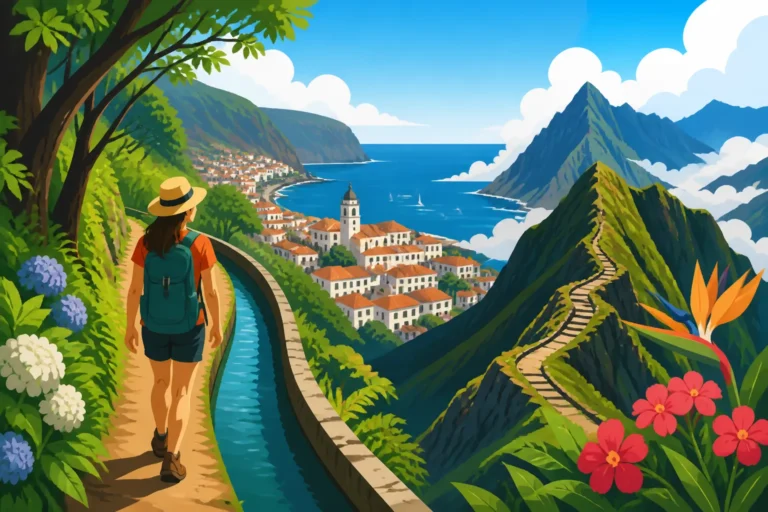
Madeira isn't your typical beach holiday destination, though it does boast some lovely volcanic sand and pebble beaches, along with golden sand imported from Morocco for the popular Calheta and Machico beaches. Its real draw lies in its dramatic landscapes and outdoor activities. Imagine hiking through primeval laurel forests, a UNESCO World Heritage site, on ancient levada trails that snake around mountainsides, offering breathtaking views at every turn. These levada walks are a signature Madeiran experience, a network of over 2,000 kilometers of irrigation channels that provide accessible, relatively flat paths for all fitness levels, though some require a head for heights!
Beyond hiking, the island offers a plethora of adventures: canyoning down waterfalls, paragliding over coastal cliffs, exploring sea caves by kayak, or deep-sea fishing. For those seeking a slower pace, there's whale and dolphin watching, botanical gardens teeming with exotic flora, and, of course, the world-renowned Madeira wine cellars for tasting. The island's mild climate year-round means that most activities are available regardless of the season, although winter can bring more rain and cooler temperatures to the higher elevations. This means you don't have to plan your trip around strict seasonal windows, which is a blessing for anyone with a flexible schedule or trying to escape a dreary mainland winter.
Key Regions and What They Offer
While Funchal is undoubtedly the island's hub, the magic of Madeira truly unfolds as you explore its distinct regions. The south coast, where Funchal is located, tends to be sunnier and drier, offering vibrant city life, excellent restaurants, and easy access to many attractions. Towns like Câmara de Lobos, with its picturesque fishing harbor, or Calheta, known for its artificial golden sand beaches and modern marina, are popular choices for accommodation or day trips. Many visitors opt to base themselves in Funchal and do day trips from there, which is a very sensible approach given the island's relatively compact size.
Venturing north, the landscape transforms into dramatic cliffs, lush valleys, and charming traditional villages like Santana, famous for its triangular thatched houses. The north coast is often wilder, wetter, and more rugged, appealing to those who love raw nature and adventurous hiking. Porto Moniz, on the island's northwest tip, is famous for its incredible natural volcanic swimming pools, a must-visit experience. The central highlands, including the aforementioned Pico Ruivo and the plateau of Paul da Serra, offer spectacular mountain scenery and more challenging hiking trails, often shrouded in atmospheric mist. No matter where you decide to explore, the island’s well-maintained roads make getting around relatively easy, though some mountain roads can be winding and narrow. Consider using services like Omio to look for flights into Funchal Cristiano Ronaldo Airport (FNC) from various European cities, making your initial journey to this Atlantic gem as smooth as possible.
Tailoring Your Madeira Adventure: Short Stays (2-4 Days)
Sometimes, life only grants us a few precious days for an escape. If you're squeezing in a quick trip to Madeira, perhaps as a long weekend getaway from mainland Portugal, you'll need to be strategic. A short stay, typically 2 to 4 days, is enough to get a taste of the island's charm and natural beauty, primarily focusing on Funchal and a few accessible highlights. You won't be able to see everything, and that's perfectly fine. The goal here is quality over quantity, savoring a few key experiences rather than rushing through a packed itinerary. It’s about dipping your toes in the Madeiran waters, not diving headfirst.
For many expats, especially those based in Lisbon or Porto, Madeira makes for an excellent short break. The flights are relatively quick, and you feel a genuine sense of escape the moment you land. Don’t try to fit in too much; you’ll end up feeling rushed and missing the true essence of the place. Embrace the relaxed pace, enjoy the food, and let the island work its magic on you, even if briefly.
Funchal Focus: City Charm and Easy Excursions
With a short stay, Funchal should be your base and primary focus. Spend a good chunk of your time exploring the capital city. Wander through the Mercado dos Lavradores, the bustling farmers' market, where you can sample exotic fruits and admire vibrant flowers. Stroll through the Zona Velha (Old Town) with its painted doors, visit the Sé Cathedral, and take the cable car up to Monte. From Monte, you have two classic Madeiran experiences: the serene Monte Palace Tropical Garden, which is absolutely stunning, and the exhilarating Monte Toboggan Ride, where you descend in wicker baskets guided by carreiros. This unique mode of transport is iconic and a fun, if slightly touristy, way to experience a piece of Madeiran tradition.
For your second day, consider a half-day excursion. Many tour operators, easily booked through platforms like GetYourGuide, offer convenient pickups from Funchal hotels for popular spots. A drive along the coast to the dramatic Cabo Girão Skywalk, one of the highest sea cliffs in the world, is highly recommended. The views from the glass-bottomed platform are truly spectacular. Alternatively, a visit to the charming fishing village of Câmara de Lobos, just a short bus ride or taxi trip from Funchal, offers beautiful scenery and a chance to enjoy fresh seafood by the harbor. Given the time constraints, choosing one key excursion outside the city is often more rewarding than trying to squeeze in too many distant locations.
Maximizing Limited Time: Transport and Planning
To make the most of a short trip, efficient transport is crucial. While Funchal itself is very walkable, getting to other parts of the island will require planning. For city exploration and nearby excursions, taxis and local buses are readily available. For those venturing a bit further, even for a day, renting a car gives you the ultimate flexibility. However, be prepared for narrow, winding roads and sometimes challenging parking, especially in Funchal. If you're not comfortable driving in such conditions, guided tours are an excellent alternative. They handle the logistics, allowing you to relax and enjoy the scenery. Many tour operators specialize in short, efficient tours that cover key highlights.
When booking accommodation, staying in Funchal is almost always the best option for short stays. It provides easy access to restaurants, shops, and transport links. Look for hotels or apartments near the city center or along the Lido Promenade for convenience. Using a platform like Booking.com can help you find a great spot that fits your budget and location preferences, ensuring you're central to the action. Remember to factor in travel time to and from the airport, which can eat into precious daylight hours. For any travel around the island, you might find useful information on topics like Public Transport and Driving in Portugal: Trains, Tolls, and Licenses to help plan your movements.
| Itinerary Length | Focus Areas | Key Activities | Pace |
|---|---|---|---|
| 2-4 Days | Funchal City & Near Coast | Monte Cable Car, Mercado, Old Town, Cabo Girão, Câmara de Lobos | Fast-paced, curated highlights |
| 5-7 Days | Island Exploration | Funchal, East & West tours, 1-2 Levada Walks, Porto Moniz | Moderate, comprehensive |
| 8+ Days | Deep Immersion & Relaxation | All of the above, multiple hikes, beach days, exploring smaller towns, Santana | Leisurely, in-depth |
Immersive Exploration: Medium to Long Stays (5-7+ Days)
Now, if you're lucky enough to have 5 days or more, you're really starting to unlock the true potential of Madeira. This is where you move beyond the postcards and dive into the island's nooks and crannies, allowing yourself to get wonderfully lost in its beauty. A medium stay (5-7 days) allows for a comprehensive exploration, hitting all the major highlights without feeling rushed. A long stay (8+ days) offers the ultimate luxury: time for deep immersion, relaxation, and discovering those hidden gems that make Madeira so special. As an expat, these longer stays often feel more like "living" in a place rather than just visiting, giving you a chance to truly understand the rhythms of island life.
It is wise to plan for at least a week if you can manage it. It gives you the flexibility to adapt to weather changes – because, let's be honest, those mountain peaks love to play hide-and-seek with the clouds – and to simply be. Imagine having enough time to enjoy a long, lazy lunch after a strenuous hike, or to revisit a favorite viewpoint because the light was just perfect. This is where Madeira truly shines.
A Week in Paradise: Comprehensive Island Tours
With 5 to 7 days, you can confidently divide your time to cover the main geographical regions of the island. A typical approach is to dedicate one full day to Funchal, focusing on the city's historical sites, gardens, and culinary scene. For the remaining days, you can plan full-day excursions. A popular strategy is to take a "West Tour" and an "East Tour." The West Tour typically includes highlights like Ribeira Brava, Encumeada Pass, the stunning natural pools of Porto Moniz, and the Fanal Forest. This route showcases the island's dramatic north coast and its rugged interior. The East Tour might take you through Camacha (known for its wickerwork), Pico do Arieiro (with its incredible sunrise views), the Rabaçal area for popular levada walks, and the traditional houses of Santana.
Many visitors choose to rent a car for this duration, which offers unmatched freedom. However, if you prefer not to drive, there are plenty of excellent guided tours that cover these routes. Companies often offer multi-day packages, or you can pick and choose individual day tours via platforms like GetYourGuide or directly from local operators. This way, you can see a lot without the stress of navigating unfamiliar roads. Don't forget to integrate some specific activities, like a whale and dolphin watching excursion from Funchal harbor, which is an absolutely magical experience.
Extended Stays: Deep Dives and Relaxation
If you're fortunate enough to have 8 days or more, you can truly settle into the Madeiran pace. This extended period allows you to not only cover all the major attractions but also to revisit favorite spots, discover quieter corners, and indulge in pure relaxation. You could spend entire days focusing on specific activities, like doing multiple levada walks – perhaps the famous Caldeirão Verde or Vereda da Ponta de São Lourenço trail. Having sufficient time means you can easily check the weather forecast and pick the best day for a high-altitude hike, ensuring clear views.
You can also incorporate more specialized interests. Perhaps a cooking class to learn Madeiran cuisine, a visit to a local banana plantation, or a day trip to the smaller, calmer island of Porto Santo, known for its long, golden sand beach. Porto Santo is a short ferry ride away and offers a wonderful contrast to Madeira's mountainous terrain. For those who enjoy a slower pace, longer stays mean more time to simply relax by the pool, enjoy long dinners, or explore Funchal's hidden cafes. Consider diving into the local food scene – understanding the Portuguese Coffee Culture and Restaurant Etiquette: Ordering Like a Local will enhance your experience significantly.
For accommodations on longer stays, while Funchal is still a great base, you might consider splitting your time between two locations. For example, a few nights in Funchal for city exploration, and then a few nights on the sunnier west coast in a town like Calheta or Ponta do Sol, which are often quieter and offer stunning ocean views and direct access to beaches. This allows for a different rhythm and perspective on the island. Finding great options for these multi-location stays is straightforward on Booking.com, where you can filter by amenities, location, and price. For more general advice on settling into island life, you might find our guide on Madeira and Azores: Island Living, Costs, and Expat Communities particularly helpful.
Practical Tips for Planning Your Madeira Trip
Planning any trip involves a few crucial practicalities, and Madeira is no exception. As someone who's navigated the administrative quirks and travel nuances of Portugal for years, I know that a little foresight goes a long way. From choosing your travel dates to booking your stays and activities, thinking ahead can save you headaches and enhance your overall experience. Don't let the relaxed island vibe fool you; popular activities and the best accommodations can book up quickly, especially during peak season.
One thing about Portugal, generally, is that things can move at a different pace than you might be used to. This applies to booking things as well. While last-minute deals can sometimes be found, for a significant trip like Madeira, it's always better to secure your main components in advance, especially if you're traveling during popular holidays or school breaks.
When to Visit and Getting There
Madeira boasts a remarkably mild climate year-round, often referred to as "eternal spring." This means there isn't really a "bad" time to visit. However, there are nuances. Spring (March to May) sees the island bursting into bloom, with vibrant flowers everywhere, and pleasant temperatures for hiking. This is often considered the ideal time for nature lovers. Summer (June to August) is the peak tourist season, offering warm, sunny weather perfect for coastal activities and swimming, but it also means larger crowds and higher prices. If you're looking for a slightly quieter experience with still fantastic weather, Autumn (September to November) is wonderful, with warm seas and fewer tourists. Winter (December to February) is mild on the coast but can be cooler and wetter in the mountains, though it's still a great escape from harsher European winters, and Christmas/New Year celebrations in Funchal are famous for their fireworks.
Getting to Madeira is easiest by air. Funchal's Cristiano Ronaldo International Airport (FNC) is well-connected to mainland Portugal and major European cities. You can easily scout for flights using travel search engines or platforms like Omio, which compare various airlines and routes. Flights from Lisbon or Porto are usually quick and frequent, making it very accessible for expats living on the mainland. While there's no direct train, our guides on Using Comboios de Portugal (CP) Trains and the Navegante Pass might be useful for planning your journey to the mainland airport if you're not driving.
Accommodation and Activity Booking
Choosing your accommodation can significantly impact your experience. For shorter stays, Funchal is generally recommended due to its central location and wide range of hotels, guesthouses, and apartments. If you have a longer stay, consider splitting your time between Funchal and another coastal town like Calheta, Ponta do Sol, or even Machico for a different pace and atmosphere. High-end resorts, boutique hotels, and charming quintas (traditional Madeiran estates) offer varied experiences. Booking.com is an invaluable resource for finding accommodation, allowing you to filter by location, amenities (like a pool, essential for Madeiran sunshine!), and guest reviews. Be sure to book well in advance, especially if traveling during peak season or for specific events like the Flower Festival or New Year's Eve.
For activities, while some spontaneous exploration is always fun, booking popular tours and levada walks ahead of time is wise. This is particularly true for guided excursions, whale watching trips, and tickets to major attractions like the Monte Palace Tropical Garden or the Funchal cable car. Platforms like GetYourGuide are excellent for browsing and booking these in advance, often with flexible cancellation policies. It saves you time queuing and ensures you don't miss out on popular experiences. Even if you're planning on being a digital nomad while on the island, ensure you look into Best unlimited data eSIMs for digital nomads arriving in Portugal to stay connected.
Essential Items to Pack
Packing smart for Madeira means being prepared for its diverse landscapes and microclimates. Even if it's sunny on the coast, the mountains can be chilly and foggy.
- Layers are key: Bring lightweight clothing for sunny days, but also warmer layers (fleece or light jacket) for evenings and mountain excursions.
- Good walking shoes/hiking boots: Absolutely essential, especially if you plan to tackle any levada walks. Flip-flops just won't cut it on the uneven terrain.
- Rain jacket or umbrella: You might encounter a quick shower, especially in the north or higher elevations.
- Swimwear: For the natural pools, beaches, or your hotel pool.
- Sun protection: Sunscreen, a hat, and sunglasses are a must, as the sun can be intense.
- Small backpack: Handy for day trips, carrying water, snacks, and extra layers.
- Camera: You'll want to capture the breathtaking scenery.
- Water bottle: Stay hydrated, especially on hikes.
Consider researching the overall Cost of Living in Portugal 2026: Detailed Budgets for Singles and Families to get a general idea of pricing, although Madeira can sometimes be slightly more expensive than mainland Portugal due to its island status. Having a well-packed bag will ensure you're comfortable and ready for whatever Madeiran adventure awaits!
Disclaimer
The information provided in this guide is intended for general informational purposes only and is subject to change. While we strive to keep it accurate and up-to-date, travel requirements, regulations, and local conditions can evolve. We recommend consulting official government sources, local tourism boards, and reputable travel providers for the most current information before making any travel decisions.