Madeira and Azores: Island Living, Costs, and Expat Communities
Disclosure: This article contains affiliate links. If you buy through them, we may earn a commission at no extra cost to you. Read our full disclosure.
Escaping to a volcanic island sounds like a dream until you realize that your favorite brand of specialty coffee is only available at a shop three islands away. I remember the first time I tried to ship a critical work laptop to Funchal; the bureaucracy felt more like a test of my sanity than a standard delivery. This guide provides the granular detail you need to navigate Madeira and the Azores without the usual moving-day meltdowns.
Madeira vs The Azores: Understanding the Atlantic Divide
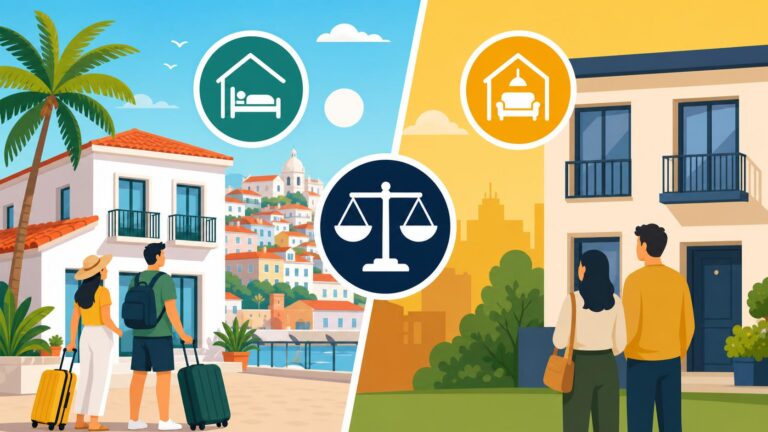
The most common mistake I see newcomers make is treating these two archipelagos as interchangeable "island options." In reality, the lifestyle on Madeira is worlds apart from the experience in the Azores. Madeira, specifically Funchal, has the infrastructure of a small, vibrant European city. It is geared toward tourism and, increasingly, digital nomads. You will find high-end shopping, a bustling cruise port, and a climate that truly lives up to the "eternal spring" moniker. If you thrive on social interaction and want a bit of "mainland" luxury while surrounded by the ocean, Madeira is your winner.
The Azores, on the other hand, are for the soul that seeks silence and raw nature. Comprising nine islands spread across a vast stretch of the Atlantic, the Azores are more rugged, rural, and unpredictable. The weather can change four times in a single afternoon—a phenomenon I like to call "Azorean roulette." While Sao Miguel is the most developed island, life on places like Flores or Santa Maria feels like stepping back thirty years. If you are considering this move, I highly suggest reading the Living in Portugal Guide 2027: The Complete Relocation Manual for Expats to understand how the general administrative framework applies to these autonomous regions.
Madeira: The Cosmopolitan Island
Madeira is dominated by Funchal, but the island is a series of micro-climates. You can be sunbathing in Ponta do Sol (the sunniest spot) and twenty minutes later be shrouded in mist in the Laurissilva forest. The expat community here is incredibly well-established. From British retirees who have been there for decades to the new wave of tech workers in the Digital Nomad Village, there is a "tribe" for everyone. The infrastructure is impressive; the tunnels (túneis) make traversing the mountainous terrain remarkably easy compared to the winding cliffside roads of the past.
However, the cost of property in Madeira has skyrocketed. Funchal is now competing with Lisbon in terms of price-per-square-meter in prime areas. This is why many expats are looking toward the north coast, in places like São Vicente, though you must be prepared for much higher humidity and fewer English-speaking services. For a broader comparison of how these costs stack up against other regions, see Where to Live in Portugal: Lisbon, Porto, Algarve, and Silver Coast Compared.
The Azores: The Green Frontier
Life in the Azores is dictated by the sea and the soil. On Sao Miguel, you have the capital, Ponta Delgada, which offers decent amenities, but the real magic is in the smaller islands like Pico (famous for its wine and volcano) or Terceira. The Azorean people are incredibly hospitable but often more reserved than their Madeiran counterparts. There is a deep-seated tradition of agriculture and fishing here that hasn't been completely paved over by tourism.
The logistical challenge in the Azores is real. While Sao Miguel and Terceira have regular flights, the smaller islands can feel isolated during winter storms when ferries are canceled and planes can’t land. If you are someone who needs a "Plan B" for everything, the smaller islands might test your patience. You will also find that while the cost of living is lower than in Madeira, the variety of goods is significantly more limited.
Real Estate Realities: Renting and Buying on the Islands
Finding a home on the islands is a unique challenge. Unlike the mainland, where supply is struggling to meet demand, the islands have a physical limit on where they can build. In Madeira, the steep topography means that desirable flat land is at a premium. In the Azores, much of the land is protected or dedicated to agriculture. When you start your search, you will likely encounter the "island premium"—a price hike specifically for foreigners who aren't familiar with local market rates.
For those looking for a mid-term landing pad while they scout more permanent housing, platforms like Uniplaces offer a streamlined way to book without the immediate need for a local guarantor, which is a common hurdle in the traditional rental market. This is especially useful in Funchal or Ponta Delgada where competition for apartments is fierce. If you are diving into a long-term lease, make sure you are well-versed in your rights by checking Renting an Apartment in Portugal: Contracts, Fees, and Tenant Rights.
The Rental Market and the Fiador Obstacle
In Funchal, landlords have become accustomed to digital nomads, which means many apartments are now geared toward short-term, high-priced stays. Finding a long-term "T1" (one-bedroom) at a reasonable price requires boots on the ground and, often, a local contact. The "Fiador" (guarantor) system is alive and well here. If you don't have a Portuguese person to sign for you, expect to pay 6 to 12 months of rent in advance. This is a massive hit to your initial relocation budget.
In the Azores, the rental market is even smaller. In Ponta Delgada, you might find modern apartments, but once you move into the rural villages, you are often looking at traditional stone houses. These are beautiful but come with a major caveat: humidity. Without proper insulation, these homes can become "mold factories" during the damp winter months. Newcomers are often advised to check the walls for fresh paint—it’s a classic trick to hide moisture damage.
Buying and Renovating Stone Houses
Buying property in the Azores or Madeira can be a fantastic investment, but the "renovation nightmare" is a real thing. Getting contractors to a remote village in Flores is not like hiring a crew in Lisbon. Materials have to be shipped in, and "island time" means a two-week job can easily stretch into three months. However, the reward is a piece of paradise that is becoming increasingly rare.
One thing you must consider is the heating system. Most traditional island homes do not have central heating. Expats often spend their first winter shivering because they underestimated how cold 14°C feels when the humidity is at 90%. Investing in a high-quality pellet stove or a dehumidifier system is non-negotiable. For more tips on this, read Heating and Insulation in Portuguese Homes: Fighting Winter Cold and Mold.
The Practical Cost of Living in the Mid-Atlantic
There is a persistent myth that island living is dirt cheap. While it’s true that a "galão" (latte) and a "pastel de nata" will cost you less than €3, other expenses will catch you off guard. Almost everything that isn't grown locally (like bananas in Madeira or pineapples in the Azores) has to be imported via container ship. This adds a hidden tax to everything from toilet paper to Tesla parts.
To manage your expectations, you should look at a detailed breakdown of expenses. I’ve compiled a comparison of basic monthly costs for a couple living in the regional capitals versus a rural island setting. For a mainland comparison, you can refer to the Cost of Living in Portugal 2026: Detailed Budgets for Singles and Families.
| Expense Category | Funchal (Madeira) | Ponta Delgada (Azores) | Rural Island (e.g., Pico) |
|---|---|---|---|
| Rent (T1 Apartment) | €950 – €1,300 | €700 – €950 | €500 – €700 |
| Utilities (Elec/Water/Gas) | €120 | €140 | €110 |
| Groceries (Monthly) | €450 | €400 | €350 (more local produce) |
| Internet (Fiber) | €40 | €40 | €40 (where available) |
| Dining Out (2 people) | €50 (mid-range) | €40 (mid-range) | €30 (local tasca) |
Groceries: Imported vs Local
In the islands, you learn to shop with the seasons. In Madeira, the local "Mercado dos Lavradores" is a tourist trap for prices, but the smaller neighborhood "fruteiras" are where the locals go for cheap, delicious avocados, passion fruit, and sweet potatoes. If you insist on buying imported berries or specific North American cereals, be prepared to pay double the price you’d find on the mainland.
In the Azores, the dairy is world-class and incredibly cheap. You will find local cheeses and butter that would cost a fortune in London or New York. However, the variety of vegetables can be limited in the winter. You might find yourself eating a lot of cabbage, kale, and root vegetables. Learning to cook with what is available is part of the island charm—or a source of frustration, depending on your perspective.
The "Island Tax" on Logistics and Shopping
Online shopping is the expat’s lifeline. Amazon Spain is the dominant force here, as it offers relatively reliable shipping to both archipelagos. However, you must be aware that "Prime" doesn't mean "next day." It usually means 3 to 5 business days for Madeira and 5 to 10 for the Azores. Some items, particularly those containing batteries or large furniture, may simply not be shippable to the islands due to air freight restrictions.
When you first arrive, staying connected is vital for navigating these logistics. It is wise to grabbing an eSIM from Airalo as soon as you land. It saves you from the immediate stress of finding a physical MEO or NOS store while you’re still trying to find your way from the airport. Having data on your phone allows you to use Google Maps to navigate the confusing "becos" (alleys) of Funchal without getting lost. For a deep dive into the best providers, check Home Internet and Mobile Plans: Vodafone, MEO, and NOS Compared.
Health, Safety, and Infrastructure in Isolation
One of the biggest concerns for expats, particularly those of retirement age, is healthcare. Both archipelagos have their own regional health services (SESARAM in Madeira and SRS in the Azores) which operate somewhat independently from the mainland SNS. While the quality of care in Funchal and Ponta Delgada is generally high, the specialized equipment or rare surgeries may still require a flight to Lisbon.
Public vs Private Healthcare Options
In Madeira, the Dr. Nélio Mendonça Hospital in Funchal is the main hub. It is often overcrowded, but the staff are highly competent. Many expats choose to supplement their public coverage with private insurance to access clinics like the Hospital Particular da Madeira. This allows for faster consultations and English-speaking doctors. If you are trying to decide which route to take, Public vs Private Healthcare in Portugal: Which One Should Expats Choose? provides a comprehensive framework.
In the Azores, the situation is more varied. Sao Miguel has a large, modern hospital, but if you live on a smaller island like Graciosa or Corvo, you are relying on a "Centro de Saúde" (health center) for basic needs. In emergencies, the Portuguese Air Force often performs medical evacuations to the larger islands. This sounds dramatic, but it is a routine part of life for islanders. For minor issues, the SNS 24 Helpline (808 24 24 24): Triage, Advice, and Sick Notes is still your first point of contact.
Transportation and the Necessity of a Car
Unless you live in the absolute center of Funchal, you need a car. The public bus systems (Horários do Funchal in Madeira) are decent, but they don’t provide the freedom needed to explore the islands. Be warned: island driving is an extreme sport. The roads in Madeira are incredibly steep, and the "via rápida" (highway) requires a confident hand. In the Azores, the challenge is more about cows on the road and thick fog.
If you are bringing your own vehicle, the shipping costs from the mainland can be around €600 to €1,000. If you are planning to buy locally, be prepared for higher prices and limited stock. Also, you will need to exchange your license eventually. The process is handled by the IMT, and you can find the steps here: Driving in Portugal: Exchanging Your Foreign License to a Portuguese One.
Social Integration and Expat Micro-Communities
The social scene on the islands is surprisingly vibrant, but it requires effort to penetrate. In Madeira, the expat community is very organized. There are hiking groups, book clubs, and weekly "Digital Nomad" meetups. You can easily find people to grab a "poncha" (the local firewater) with on a Tuesday night.
In the Azores, the community is more dispersed. You might find a cluster of Germans on one side of Pico or a group of Americans near the airbase on Terceira. The social life revolves more around "festas"—local religious and cultural festivals that involve the whole village. Participating in these is the fastest way to earn the respect of your neighbors. For advice on building these connections, check Making Friends and Networking in Portugal: Expat Groups and Meetups.
The Language Barrier and Accents
While many people in Funchal and Ponta Delgada speak excellent English due to the tourism industry, the rural areas are a different story. The Azorean accent, in particular, is notoriously difficult even for mainland Portuguese people to understand. It is thick, fast, and uses unique idioms.
If you plan on living in a village, learning the basics is not optional—it is a sign of respect. I recommend starting with European-specific resources rather than Brazilian Portuguese to avoid confusion. You can find some of the best tools in our guide on Learning European Portuguese: Top Apps, Tutors, and Free Government Classes. Even a simple "Bom dia" and "Obrigado" goes a long way when you’re ordering coffee. Speaking of which, you should learn how to order like a pro with Portuguese Coffee Culture and Restaurant Etiquette: Ordering Like a Local.
Establishing Legal Residency on the Islands
Finally, remember that while these are autonomous regions, the immigration rules are national. Whether you are an EU citizen or coming from abroad, you must register your residency. For EU/EEA citizens, this involves getting your CRUE at the local Câmara Municipal (Town Hall). The process is usually quite friendly on the islands compared to the backlogs in Lisbon. More details can be found in our section on EU/EEA Citizens Moving to Portugal: CRUE Registration and Residency Steps.
Living in Madeira or the Azores is not for everyone. It requires a certain "MacGyver" spirit and a willingness to accept that the ferry might be late, the fog might roll in, and the Amazon package might be stuck in a warehouse in Alverca for a week. But when you’re sitting on your terrace overlooking the Atlantic with a glass of local wine, those frustrations tend to evaporate.
Important Disclaimer
The information provided in this guide is for informational purposes only and does not constitute legal, financial, or professional advice. Immigration laws, tax regulations, and local housing policies in Portugal are subject to frequent changes. While we strive to provide the most up-to-date information, you should always consult with qualified professionals, such as immigration lawyers or tax consultants, before making significant life decisions. The author and publisher are not responsible for any actions taken based on the content of this article.