Madeira and the Azores: Portugal’s Islands
Disclosure: This article contains affiliate links. If you buy through them, we may earn a commission at no extra cost to you. Read our full disclosure.
Alright, let's talk about Portugal's islands, because I know for a fact that many of you, when you first think of Portugal, picture Lisbon's hilly streets, Porto's riverside charm, or the sun-drenched beaches of the Algarve. And while those places are absolutely fantastic, you'd be doing yourself a disservice to overlook the incredible, utterly unique experiences waiting for you in Madeira and the Azores. These archipelagos aren't just an extension of mainland Portugal; they're worlds unto themselves, each with its own rhythm, climate, and breathtaking beauty that will surprise and enchant you. If you're pondering an island escape or even dreaming of a quieter island life, this guide is your deep dive into everything you need to know to make those dreams a reality.
Why Portugal's Islands? An Introduction to the Archipelagos
Stepping onto one of Portugal's islands feels like entering a different country altogether, despite technically being the same nation. The air smells different, the pace of life slows considerably, and the landscapes are just… cinematic. For many of us expats, the initial draw to Portugal might have been the mainland, but the islands offer a contrasting, equally rich experience that's worth exploring, or even settling into. It’s a common frustration to feel like you've seen "all of Portugal" only to realize there's this entire other dimension to discover.
The Allure of Island Life: Beyond the Mainland Buzz
The charm of island life is palpable. It’s less about bustling cities and more about raw, unadulterated nature. Think dramatic cliffs, lush forests, volcanic landscapes, and an ocean that’s always just a stone’s throw away. For those of us who’ve grown a little weary of the relentless pace of city living, even in a relatively relaxed country like Portugal, the islands provide a profound sense of calm and connection to the environment. The smaller communities foster a different kind of social interaction, often more intimate and traditional. You'll find that while the administrative processes are still undeniably Portuguese (yes, the bureaucracy follows you even to paradise!), the daily grind is simply… less grinding. Locals are often incredibly welcoming, eager to share their heritage and their corner of the world. It’s a chance to truly disconnect, breathe deeply, and re-evaluate what “home” feels like.
A Tale of Two Archipelagos: Madeira's Charm vs. Azores' Wildness
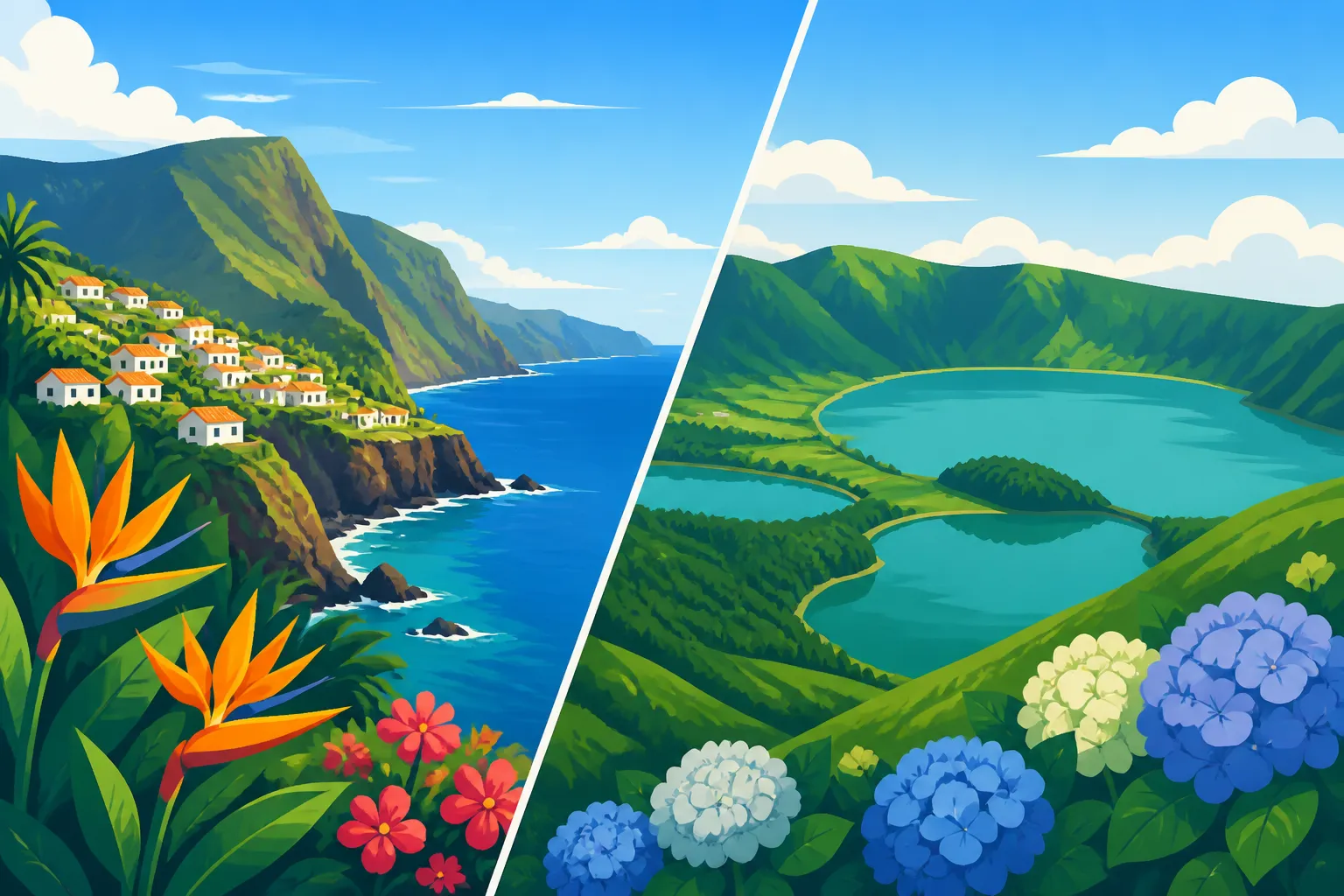
It’s crucial to understand that while both are Portuguese islands, Madeira and the Azores are distinct siblings, not identical twins. Madeira, often dubbed the "Pearl of the Atlantic," is known for its dramatic volcanic peaks, subtropical climate, vibrant botanical gardens, and world-famous wine. It's refined, a bit more developed for tourism, and has a sophisticated charm. The main island, Madeira, along with Porto Santo, offers a blend of relaxation and adventure, with a focus on hiking, garden visits, and ocean activities. Its capital, Funchal, is a lively city with historical sites, excellent restaurants, and a bustling port.
The Azores, on the other hand, are a wilder, more untamed beast. This archipelago of nine volcanic islands, scattered across the Atlantic, feels like a prehistoric paradise. Think emerald green landscapes, stunning crater lakes, natural hot springs, and a strong emphasis on sustainable tourism. Each island has its own unique character, from the black-lava vineyards of Pico to the vibrant blue hydrangeas of Faial. The Azores appeal to those seeking raw nature, adventure sports like canyoning and whale watching, and a truly off-the-beaten-path experience. If Madeira is a beautiful, cultivated garden, the Azores are a sprawling, majestic wilderness. Deciding between them often comes down to what kind of escape you’re truly looking for: a slightly more polished experience with a dash of adventure, or an immersive journey into nature’s raw power.
Madeira: The Pearl of the Atlantic
Ah, Madeira! There’s a reason it holds such a special place in the hearts of so many, including myself after a few visits. It truly is a pearl, glistening in the vastness of the Atlantic, offering a kind of evergreen beauty that is surprisingly diverse for such a small island. You might think of it as a retirement haven, but that would be a gross oversimplification. Madeira is bursting with life, adventure, and a surprising contemporary vibe, especially in its capital.
Funchal and Beyond: Exploring Madeira's Capital and Coast
Funchal, the capital city, is where most visitors begin their Madeiran adventure, and for good reason. It’s a city that effortlessly blends old-world charm with modern amenities. You can wander through the Zona Velha, the old town, with its charming painted doors and cobblestone streets, stopping for a traditional poncha (a potent local drink of aguardente, honey, and lemon juice – trust me, it packs a punch!). The Mercado dos Lavradores, the local market, is a sensory explosion of exotic fruits, vibrant flowers, and bustling fish stalls. Getting there early is key for the best experience. For panoramic views, you absolutely must take the cable car up to Monte, where you can explore the Monte Palace Tropical Garden, a truly spectacular botanical wonderland. Then, for a thrilling descent, consider the traditional wicker toboggans – an experience unique to Madeira that’s equal parts exhilarating and slightly terrifying!
Beyond Funchal, the island's coastline offers diverse scenery. To the east, you have the dramatic Ponta de São Lourenço, a rugged peninsula with stark, beautiful landscapes perfect for a challenging hike. To the west, you'll find charming coastal towns like Câmara de Lobos, a picturesque fishing village that captivated Winston Churchill with its beauty. Ribeira Brava offers a lovely promenade, and Calheta boasts one of the few sandy beaches (imported, mind you!) on the island. The driving can be a bit challenging, with winding roads and steep inclines, so if you're not comfortable, consider organized tours or taxis. Booking.com is a great resource for finding everything from hotels in Funchal to charming guesthouses along the coast.
Levada Walks and Mountain Peaks: Madeira's Natural Wonders
Madeira is a hiker's paradise, primarily thanks to its extensive network of levadas. These ancient irrigation channels, carved into the mountainsides to carry water from the wetter north to the drier south, offer relatively flat walking paths that weave through incredible landscapes. Some are gentle strolls suitable for families, while others are dizzying cliff-edge adventures that will test your nerve. Popular choices include the Levada das 25 Fontes (25 Fountains) and Risco Waterfall, a truly magical journey through dense laurel forests, a UNESCO World Heritage site. For something more dramatic, tackle the Vereda do Pico Ruivo, which takes you to Madeira's highest peak, Pico Ruivo. The views from the top, especially at sunrise, are absolutely unforgettable, a sea of clouds stretching out beneath you.
But it’s not just the levadas. The island’s interior is a tapestry of volcanic mountains, deep valleys, and lush forests. The Laurel Forest (Laurissilva Forest) itself is a living fossil, a relic from prehistoric times. Venturing into these areas, you quickly realize how vital proper hiking gear is – good boots, layers, and plenty of water are non-negotiable. And a word of caution: always check weather conditions, as they can change rapidly in the mountains. Many local tour operators offer guided levada walks, which can be a fantastic way to experience these trails safely, especially if you're new to the island. GetYourGuide offers a wide array of these tours, from half-day strolls to full-day treks, often with convenient hotel pickups.
Practicalities for Madeira Visitors: Getting Around and Accommodation
Getting to Madeira is typically by air, with Funchal's Cristiano Ronaldo International Airport (FNC) serving numerous direct flights from mainland Portugal and other European cities. Once you land, you have a few options for getting around. Renting a car offers the most flexibility, allowing you to explore at your own pace. Be prepared for steep, winding roads and tight parking in Funchal. If you're not keen on driving, the public bus system (Horários do Funchal) is extensive and reliable, connecting Funchal to most towns and villages. Taxis are also readily available, though they can add up if you're planning extensive island exploration. For longer journeys or intercity routes on the mainland, I often check Omio for bus and train schedules, though for Madeira, it’s mostly about road transport.
Accommodation in Madeira ranges from luxurious five-star resorts in Funchal's hotel zone to charming guesthouses and quintas (country estates) scattered across the island. For a true immersion, consider a rural tourism stay in a smaller village. Porto Santo, the smaller sister island, offers a completely different vibe with its golden sand beach and tranquil atmosphere, a perfect retreat reachable by ferry from Funchal. When planning your stay, think about what you want most from your trip. If it's convenience and city life, Funchal is your hub. If it's quiet relaxation and proximity to nature, look for options outside the capital. Remember to book well in advance, especially during peak season, as the best spots fill up quickly.
The Azores: Nature's Untamed Gem
The Azores, oh, the Azores! These nine emerald jewels floating in the Atlantic are truly a wonder, a place where nature reigns supreme and the hand of man feels almost incidental. If Madeira is about cultivated beauty and dramatic coastlines, the Azores are about raw, volcanic power and verdant, untouched landscapes that will make your jaw drop at every turn. It’s the kind of place that truly makes you feel small in the best possible way.
São Miguel: The Green Island's Highlights
São Miguel, often called "The Green Island," is the largest and most populated of the Azorean islands and serves as the primary gateway for most visitors. It's a fantastic introduction to the archipelago's unique charm. The capital, Ponta Delgada, is a charming city with a beautiful historic center, black and white mosaic pavements, and impressive churches. You can easily spend a day or two exploring its nooks and crannies, enjoying the local cuisine, and simply soaking in the atmosphere.
But São Miguel truly shines outside the city limits. The twin lakes of Sete Cidades, nestled within a volcanic crater, are iconic. Depending on the legend, one lake is blue and the other green because of a heartbroken princess and shepherd, or, more prosaically, due to differing algae concentrations. The views from the various miradouros (viewpoints) like Vista do Rei are breathtaking. Then there’s Furnas, a valley known for its hot springs, fumaroles, and therapeutic mud baths. Here, you can witness the traditional Cozido das Furnas, a stew slow-cooked for hours in the geothermal heat underground – an absolute must-try! The Terra Nostra Park in Furnas also offers stunning botanical gardens and a large thermal pool where you can literally soak away your worries. To the north, the only tea plantations in Europe, Chá Gorreana and Chá Porto Formoso, offer fascinating tours and tastings. This island is truly a marvel, and you'll find no shortage of things to do.
Beyond São Miguel: Discovering the Other Eight Islands
While São Miguel provides an excellent overview, the real magic of the Azores often lies in venturing to the other eight islands, each with its own distinct personality.
- Pico: Dominated by Portugal's highest mountain, Mount Pico, this island is famous for its unique UNESCO-listed black lava vineyards, where grapes grow in small, stone-walled corrals. It’s also a prime spot for whale and dolphin watching.
- Terceira: Home to the UNESCO World Heritage city of Angra do Heroísmo, with its colorful historic buildings. Terceira also offers incredible volcanic caves like Algar do Carvão, where you can descend into an ancient lava tube.
- Faial: Known as the "Blue Island" due to its abundance of hydrangeas, Faial is a popular stop for transatlantic sailors. The Capelinhos Volcano, which erupted in 1957-58, has created a stark, otherworldly landscape that's unlike anything else in the Azores.
- São Jorge: A long, narrow island characterized by its dramatic cliffs and fajãs – flat, fertile plains at the base of the cliffs, often accessible only by cable car or challenging hikes. It's famous for its unique cheese, Queijo São Jorge.
- Graciosa: The "White Island," known for its picturesque windmills and unique volcanic features like the Furna do Enxofre, a volcanic cave with a subterranean lake.
- Santa Maria: The oldest island, offering drier, sunnier weather, beautiful sandy beaches, and a unique red clay landscape. It’s popular for diving and water sports.
- Flores and Corvo: The westernmost islands, truly remote and breathtakingly beautiful. Flores is a lush paradise of waterfalls, lagoons, and dramatic cliffs, while tiny Corvo is a single volcanic crater, home to a small, close-knit community.
Exploring these islands requires a bit more planning, but the rewards are immense. Each ferry or flight takes you to a new microcosm, a new experience.
Navigating the Azorean Islands: Flights, Ferries, and Local Transport
Getting between the Azorean islands is a key part of the adventure. SATA Air Açores operates inter-island flights, which are often the quickest way to travel, especially between the more distant islands like Flores or Corvo. Be aware that these smaller planes can be affected by weather, so always build in a buffer for travel days. You can often find flights through common booking platforms.
Alternatively, Atlanticoline operates a ferry service that connects many of the islands, particularly in the central group (Terceira, Graciosa, São Jorge, Pico, Faial). While slower, the ferries offer fantastic views and a chance to truly appreciate the scale of the archipelago. During peak summer months, there are more frequent services. For both flights and ferries, booking in advance is highly recommended, especially if you're traveling during the high season. For those wondering about Public Transport and Driving in Portugal: Trains, Tolls, and Licenses on the mainland, know that island transport is a different beast entirely.
Once on an island, renting a car is almost essential if you want to explore beyond the main towns. Public transport outside of Ponta Delgada and Angra do Heroísmo is generally sparse. Taxis are available, but again, costs can quickly accumulate. For specific tours or activities, look into local operators. GetYourGuide is excellent for finding curated experiences, whether it's a whale-watching excursion from Pico or a jeep tour around São Miguel. The roads on the islands are generally well-maintained but can be steep and winding, especially in the more rural areas. Always drive carefully and be mindful of livestock on the roads!
Planning Your Island Escape: Logistics and Best Times to Visit
Successfully planning a trip to Portugal's islands takes a bit more forethought than a quick city break to Lisbon. These are not places you just "wing it," especially if you want to make the most of your time and avoid common travel frustrations. From flights to ferries to the fickle Atlantic weather, there are layers to peel back.
Flights and Inter-Island Travel: Your Gateway to Paradise
Reaching Madeira is generally straightforward, with Funchal Airport (FNC) having direct connections to many European cities, including daily flights from Lisbon and Porto on the mainland. Several airlines, including TAP Air Portugal, Ryanair, and easyJet, service the route. For the Azores, João Paulo II Airport (PDL) in Ponta Delgada, São Miguel, is the main international hub, also offering direct flights from mainland Portugal, other European countries, and even some North American cities (especially during summer). Lajes Field (TER) on Terceira also receives some international flights.
When considering inter-island travel within the Azores, as mentioned, you have two main options: flights with SATA Air Açores or ferries with Atlanticoline. If you're planning to visit multiple islands, strategically planning your route is key. For example, if you want to see São Miguel, Terceira, and Pico, you might fly into São Miguel, then take a ferry to Terceira, then a short flight or ferry to Pico. Flights are faster but can be pricier and are more susceptible to weather delays. Ferries are cheaper and offer scenic journeys but take significantly longer. It’s worth checking aggregators like Omio to compare travel times and prices for different segments of your journey, although for specific inter-island Azorean flights, checking SATA's own website might yield the most up-to-date schedule and pricing. Always allocate extra time for travel days, especially in the Azores, where weather can be unpredictable.
When to Go: Seasonal Considerations and Weather
The "best" time to visit largely depends on what you want to do. Both archipelagos boast a mild, subtropical climate year-round, but there are distinct seasons.
- Summer (June-August): This is peak season for both. Expect warmer temperatures, less rain, and plenty of sunshine. It's ideal for beach activities, hiking, and water sports. However, prices for flights and accommodation are at their highest, and popular attractions can be crowded. The Azores in summer are stunning, with hydrangeas in full bloom, but also busy.
- Spring (April-May) and Autumn (September-October): These are often considered the sweet spots. The weather is still pleasant, with fewer crowds and generally lower prices. Madeira's famous flower festival often takes place in spring, and the autumn grape harvest is a wonderful time to visit. In the Azores, you'll still enjoy lush landscapes and good hiking weather without the summer rush. Whale watching is also excellent in these shoulder seasons.
- Winter (November-March): While still mild compared to much of Europe, winter sees more rain and cooler temperatures. However, it's a great time for cheaper travel, and you'll experience a quieter, more authentic side of the islands. Madeira is particularly known for its spectacular New Year's Eve fireworks display. For hikers, the cooler temperatures can be very pleasant, but be prepared for mud and potentially foggy conditions in higher elevations.
It's important to remember that island weather can be notoriously changeable, sometimes experiencing "four seasons in one day." Always pack layers, waterproof gear, and sunscreen, regardless of the season.
Accommodation Options: From Boutique Hotels to Rural Stays
Just like on the mainland, the islands offer a diverse range of accommodation to suit every budget and travel style. For those focused on city amenities and easy access to restaurants and shops, Funchal in Madeira and Ponta Delgada or Angra do Heroísmo in the Azores offer everything from large chain hotels to charming boutique properties. Many of these can be easily found and booked through Booking.com, which often has competitive rates and a wide selection.
If you're seeking a more immersive experience in nature, consider rural tourism (known as turismo rural or agroturismo). These are often renovated traditional homes or farm stays, offering a peaceful retreat and a chance to experience local life. In Madeira, you might find beautiful quintas nestled in the hills, while in the Azores, renovated stone houses in remote villages are common. These types of stays provide a fantastic base for hiking and exploring the natural landscapes. Another unique option in the Azores are the alojamento local (local lodging) apartments or villas, which can be great for families or longer stays, offering more space and often self-catering facilities. For those curious about longer-term arrangements, understanding Renting an Apartment in Portugal: Contracts, Fees, and Tenant Rights is a good starting point, even for the islands. Regardless of your choice, reading recent reviews is always a smart move to ensure the accommodation meets your expectations.
Cost of Living and Visiting: Budgeting for Island Adventures
Let's talk money, because while Portugal is often touted as an affordable European destination, the islands can sometimes present a slightly different financial picture. It's not necessarily more expensive, but the dynamics shift due to import costs and the specific nature of island economies. Understanding these nuances is crucial for both visitors and those dreaming of making an island their permanent home.
Daily Expenses: Food, Transport, and Activities
When you're visiting Madeira or the Azores, daily expenses for food can be quite reasonable, especially if you embrace local markets and traditional restaurants. A prato do dia (dish of the day) for lunch can cost anywhere from €8 to €12 and often includes soup, main, drink, and coffee. Dinner at a mid-range restaurant might set you back €15-€25 per person. Supermarket prices are comparable to the mainland, perhaps slightly higher for imported goods due to shipping costs. Chains like Continente, Pingo Doce, and Spar are present on the larger islands. For a deeper dive into mainland prices, check out our guide on Cost of Living in Portugal 2026: Detailed Budgets for Singles and Families.
Transport costs, as discussed, vary. Car rental is often the biggest expense if you opt for it, with daily rates fluctuating by season. Fuel prices are regulated nationally, so they're similar to the mainland. Public buses are very affordable. Inter-island flights or ferries in the Azores are additional costs to factor in. Activities, like whale watching tours (around €50-€70), guided levada walks (similar price), or entrance fees to gardens and museums, will also add up. Overall, a comfortable daily budget for a couple visiting the islands might range from €100-€150, depending heavily on accommodation choice, dining habits, and the number of paid activities.
Renting vs. Buying on the Islands: A Glimpse into Island Property
For those contemplating a longer stay or even a permanent move, the housing market on the islands has its own peculiarities. Generally, rental prices in the main cities like Funchal and Ponta Delgada can be quite competitive, sometimes approaching Lisbon or Porto prices for comparable properties, especially for modern apartments. However, venture outside these hubs, and you'll often find more affordable options, particularly for larger homes or those in need of renovation. Supply can be a challenge, particularly in the smaller Azorean islands where options are limited.
Buying property on the islands can be an attractive option, offering a potentially more relaxed pace of life and stunning surroundings. Property prices, while rising, are still generally more affordable than in prime mainland locations like Lisbon or the Algarve. However, demand has increased, particularly in Madeira, where the digital nomad visa has attracted more foreigners. For more general advice on purchasing property in Portugal, our guide to Buying Property in Portugal as a Foreigner: The Step-by-Step 2027 Guide is a valuable resource. It's crucial to work with local real estate agents who understand the nuances of the island markets, as properties in rural areas, especially in the Azores, might come with unique challenges related to access, utilities, or renovation requirements. Utilities themselves, covered in Setting Up Utilities in Portugal: Electricity, Gas, Water, and Internet, are generally similar in cost to the mainland, though access in very remote areas might require specific solutions.
Here's a quick comparison of average monthly rental prices for a 1-bedroom apartment in a main city:
| Island Capital | Average 1-Bedroom Rent (City Center) | Notes |
|---|---|---|
| Funchal, Madeira | €800 – €1200+ | Higher for modern, sea-view apartments. |
| Ponta Delgada, São Miguel (Azores) | €600 – €900+ | Can be slightly lower outside peak season. |
| Angra do Heroísmo, Terceira (Azores) | €500 – €750+ | Generally more affordable than São Miguel. |
(Please note: These are estimates for 2026 and can vary widely based on location, condition, and time of year.)
Embracing Island Culture: Food, Festivals, and Local Life
One of the most rewarding aspects of visiting or living in Madeira and the Azores is the chance to immerse yourself in their distinct island cultures. While undeniably Portuguese, the isolation and unique histories of these archipelagos have fostered traditions, culinary delights, and a way of life that you won't find anywhere else. It’s a wonderful validation of the expat experience to find these surprising pockets of difference within a country you thought you knew.
Culinary Delights: From Espetada to Cozido das Furnas
Prepare your taste buds for a treat, because island cuisine is something special.
In Madeira, the star is often espetada – succulent chunks of beef seasoned with garlic and salt, skewered on a laurel stick, and grilled over an open fire. It’s served hanging vertically at your table, dripping delicious juices onto your plate. Another must-try is bacalhau com natas (cod with cream), a comforting classic, or the unique sopa de tomate e cebola (tomato and onion soup) often served with a poached egg. Of course, you can't leave without trying the local fish, espada (black scabbard fish), often served with banana – a surprisingly delightful combination! And for dessert, the bolo de mel (honey cake) is a dense, spiced treat, while passionfruit and other exotic fruits grown on the island are abundant. And let’s not forget Madeira Wine, a fortified wine with a rich history and complex flavors, perfect for sipping while watching the sunset.
In the Azores, the volcanic landscape profoundly influences the food. The most famous dish is Cozido das Furnas, a hearty stew of various meats and vegetables slow-cooked for hours in underground volcanic vents in Furnas, São Miguel. The earthy, smoky flavor is truly unique. Seafood is, naturally, a highlight: grilled limpets (lapus) are a popular starter, and fresh fish like tuna, swordfish, and local varieties are abundant. Don’t miss the rich, flavorful Azorean cheeses, especially from São Jorge, which are excellent on their own or melted over bread. For drinks, try the local Kima passionfruit soda or a glass of Azorean wine, particularly from Pico, known for its distinct minerality due to the volcanic soil. And pineapple, grown in glasshouses on São Miguel, is sweeter and more succulent than any you’ve tasted. For more general insights into Portuguese dining, check out our guide on Portuguese Coffee Culture and Restaurant Etiquette: Ordering Like a Local.
Festivals and Traditions: Experiencing Local Flavor
Both archipelagos celebrate a vibrant calendar of festivals that offer incredible insights into local culture and faith. These are not just tourist attractions; they are deeply ingrained community events that bring everyone together.
Madeira has a few standouts:
- Flower Festival (Festa da Flor): Held annually in Funchal, typically in spring (late April/early May), this event transforms the city into a kaleidoscope of colors and scents with elaborate flower carpets, parades, and street performances. It's a truly spectacular celebration of spring and the island's botanical richness.
- Atlantic Festival: Spanning the month of June, this festival combines music, fireworks (with international competitions), and cultural events, making Funchal’s waterfront incredibly lively.
- Madeira Wine Festival: In late August/early September, celebrating the island's famed wine with grape harvesting, folklore shows, and wine tasting opportunities.
- New Year's Eve Fireworks: Funchal is renowned for its magnificent fireworks display over the bay, drawing huge crowds and cruise ships. It’s truly a world-class spectacle.
The Azores are known for their deeply religious and community-focused celebrations:
- Festa do Senhor Santo Cristo dos Milagres (Feast of the Lord Holy Christ of Miracles): This is the largest religious festival in the Azores, held in Ponta Delgada, São Miguel, usually in May. It draws thousands of pilgrims and features a grand procession and extensive street decorations. It's a truly moving experience.
- Sanjoaninas: Celebrated on Terceira island in June, particularly in Angra do Heroísmo, this festival is a mix of religious processions, bullfighting (often non-lethal street bullfights), parades, and musical performances.
- Semana do Mar (Sea Week): Held in Horta, Faial, in August, this festival celebrates the island's strong maritime traditions with regattas, concerts, and cultural events, attracting sailors from around the world.
- Festas do Espírito Santo (Festivals of the Holy Spirit): These occur in almost every Azorean parish between May and September. Each local community has its own unique celebrations, involving parades, traditional meals (often served to the entire village), and the crowning of an "emperor" or "empress." They offer a beautiful glimpse into the strong sense of community and religious devotion on the islands.
Attending one of these festivals is an incredible way to connect with the local people and understand the heart of island life.
Language and Local Interactions: A Warm Welcome
While Portuguese is, of course, the official language, the dialects on the islands have their own charming peculiarities. Madeiran Portuguese has a distinct accent and some unique vocabulary, as do the Azorean dialects, which vary even between islands. Don't worry, mainland Portuguese speakers can understand them, though sometimes with a little extra effort!
For expats and tourists, especially in more developed areas like Funchal or Ponta Delgada, English is widely spoken in tourist-facing businesses, hotels, and many restaurants. However, venturing into smaller villages or interacting with older generations, you'll find that a few words of Portuguese go a very long way. Locals truly appreciate the effort. Even a simple "Olá" (hello), "Obrigado/a" (thank you), or "Por favor" (please) can open doors and warm hearts. If you're planning a longer stay or thinking of relocating, investing some time in Learning European Portuguese: Top Apps, Tutors, and Free Government Classes will significantly enrich your experience and integration into the community. The islanders are generally very friendly and hospitable, often eager to share stories and a smile. Just remember the relaxed island pace applies to conversations too – don’t rush, take your time, and enjoy the human connection.
Disclaimer
Please remember that while I strive to provide the most current and accurate information based on my knowledge and accessible data, circumstances in Portugal, especially regarding immigration policies, pricing, and local regulations, can change. Always verify critical information, such as visa requirements, legal advice, or specific financial details, with official government sources or qualified professionals. This guide is for informational purposes only and does not constitute legal, financial, or immigration advice.