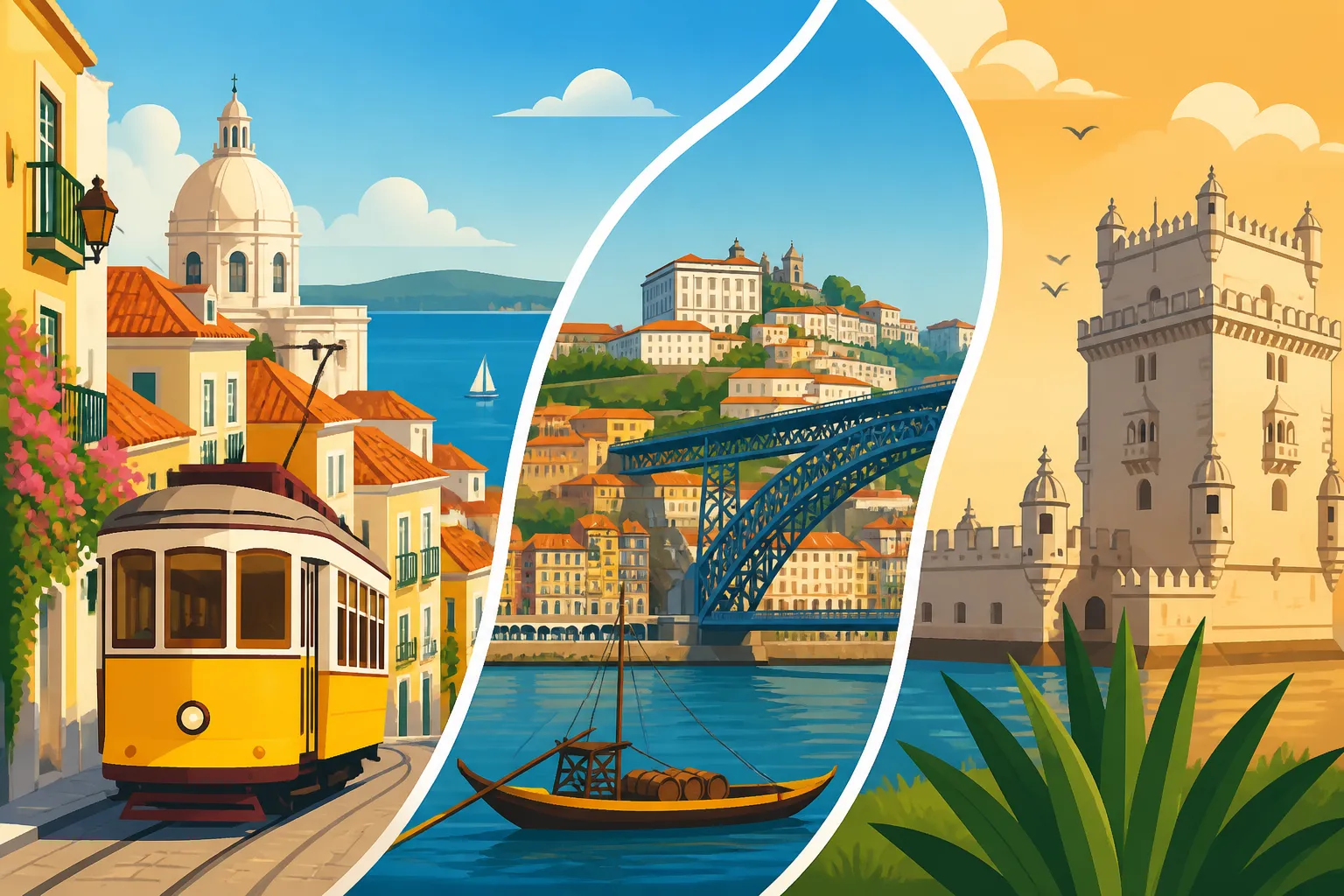
Lisbon, Porto, and Portugal’s Great Cities: Explorer’s Guide
Disclosure: This article contains affiliate links. If you buy through them, we may earn a commission at no extra cost to you. Read our full disclosure.
Moving to or even just visiting Portugal, you're faced with a delightful but sometimes overwhelming choice: where to focus your attention? Many of us arrive with visions of Lisbon or Porto, only to discover a country brimming with character beyond its two most famous cities. This guide is for every expat and tourist trying to figure out which Portuguese city will truly feel like home, or at least the perfect temporary escape, breaking down what makes each unique and offering practical advice for navigating them.
Lisbon: The City of Seven Hills and Global Charm
Ah, Lisboa! The grand dame, the sun-drenched capital, sprawled across those famous seven hills overlooking the Tagus River. When I first arrived, I was immediately struck by the light – a unique luminosity that paints the city in golden hues, especially at sunset. It’s a city that effortlessly blends ancient history with a vibrant, modern buzz, and that can be both exhilarating and a tad intimidating if you're not prepared for its sheer scale and energy.
Navigating Lisbon's Neighborhoods and Historic Districts
Lisbon isn't just one city; it's a collection of distinct villages, each with its own rhythm and personality. You've got the historic Alfama, with its narrow, winding medieval streets that seem to whisper tales of Moors and Fado singers. Getting lost here is practically a rite of passage, and honestly, it’s the best way to discover hidden miradouros (viewpoints) and tiny tascas (taverns). Then there's Baixa, the downtown grid rebuilt after the 1755 earthquake, stately and elegant, leading up to the grand Praça do Comércio by the river. It’s a commercial hub, bustling with shops and grand avenues.
Venture uphill, and you'll find Chiado, the elegant shopping district, and Bairro Alto, famous for its nightlife that truly comes alive after midnight. During the day, Bairro Alto is surprisingly quiet, a place where laundry still hangs from balconies and old women peer from windows. For something more bohemian and artsy, Cais do Sodré and Santos are your go-to, with their trendy bars, restaurants, and creative spaces. Further out, areas like Campo de Ourique offer a more residential, family-friendly vibe, while Parque das Nações, built for Expo '98, is all modern architecture, green spaces, and riverside promenades. Each neighborhood has its own charm, and choosing where to live or stay often depends on what kind of pace you're seeking. If you're looking for a detailed breakdown, check out our guide on Lisbon Neighborhood Guide: Best Areas for Expats and Digital Nomads.
Must-See Sights and Local Experiences in the Capital
Lisbon boasts an incredible array of sights that cater to all interests. Of course, the iconic São Jorge Castle offers breathtaking panoramic views and a tangible connection to the city's ancient past. Don't miss the Belém Tower and Jerónimos Monastery, both UNESCO World Heritage Sites that stand as testaments to Portugal's Age of Discoveries. These monuments are often crowded, but their grandeur is undeniable. For art lovers, the National Azulejo Museum, showcasing Portugal's distinctive ceramic tiles, is a colorful journey through time. And for modern art, the MAAT (Museum of Art, Architecture, and Technology) by the river offers a stunning architectural experience itself, alongside fascinating exhibitions.
But Lisbon truly shines in its everyday experiences. Hopping on Tram 28, though touristy, is still a quintessential Lisbon activity, rumbling through some of the most picturesque districts. Spending an afternoon at a miradouro like Miradouro da Senhora do Monte or Miradouro de Santa Luzia, simply soaking in the view with a coffee or a glass of wine, is pure bliss. Trying a pastel de nata from Pastéis de Belém or Manteigaria is non-negotiable – the warm, custardy delights are a taste of heaven. Exploring the LX Factory, an industrial area transformed into a hub of shops, restaurants, and creative businesses, offers a glimpse into contemporary Lisbon's cool side. And of course, a Fado show in Alfama, with its soulful, melancholic melodies, is an emotional and unforgettable cultural immersion. You can easily find tours and experiences for these through platforms like GetYourGuide, which often include transport or dinner.
The Practicalities of Living and Visiting Lisbon
Living in Lisbon, or even just visiting for an extended period, means embracing both its charms and its quirks. The public transport system is extensive, with metros, buses, trams, and funiculars, though those hills mean you'll still get your steps in! Acquiring a Navegante card for seamless travel is highly recommended for longer stays. Renting an apartment can be competitive and pricey, especially in central, desirable areas. Landlords often ask for several months' rent upfront and a fiador (guarantor), which can be a hurdle for new expats. Our guide to Renting an Apartment in Portugal: Contracts, Fees, and Tenant Rights delves into this tricky subject.
Groceries are generally affordable, with plenty of local markets like Mercado da Ribeira (Time Out Market) and supermarket chains like Continente and Pingo Doce readily available. However, dining out frequently can add up quickly, although local tascas still offer fantastic value. The city's expat community is thriving and diverse, making it easier to connect with others who understand the unique experience of living abroad. However, bureaucracy can be slow, and patience is definitely a virtue here. Everything from getting your NIF to setting up utilities can take longer than you expect. Lisbon's cost of living is higher than other Portuguese cities, but still offers good value compared to many other European capitals. You can find a detailed breakdown in our Cost of Living in Portugal 2026: Detailed Budgets for Singles and Families.
Porto: The Invincible City and Northern Soul
Venturing north, you arrive in Porto, a city that holds a distinctly different, yet equally captivating, allure from Lisbon. Affectionately known as the "Invincible City" for its resistance during the 19th-century Siege of Porto, it exudes a grittier, more down-to-earth charm. When I first stepped off the train, I felt an immediate sense of history etched into the granite buildings and winding streets. It's a city built on hills, much like Lisbon, but with a more compact and perhaps more immediately accessible feel.
Exploring Porto's Riverside and Historic Core
Porto's heart truly beats along the Douro River, particularly in the Ribeira district. This UNESCO World Heritage site is a kaleidoscope of colorful, ancient houses stacked precariously along the waterfront, reflecting in the river's slow flow. Walking along the Cais da Ribeira, with its bustling cafes and restaurants, watching the traditional Rabelo boats laden with port wine barrels glide by, is an experience that instantly transports you. Don't forget to cross the iconic Dom Luís I Bridge (designed by a student of Gustave Eiffel!) to Vila Nova de Gaia on the south bank, where all the famous port wine cellars reside. The views of Porto from Gaia are simply unparalleled.
The city's historic core extends upwards from the river, revealing architectural masterpieces like the Clerigos Tower, offering panoramic views (if you're brave enough for the climb), and the stunning São Bento Train Station, famous for its magnificent azulejo panels depicting scenes of Portuguese history. The Livraria Lello, a magnificent Art Nouveau bookstore rumored to have inspired J.K. Rowling, is another must-see, though be prepared for crowds and an entrance fee. Even just wandering the Rua das Flores, a pedestrian street now lined with boutiques and eateries, offers a delightful glimpse into Porto’s vibrant street life.
Port Wine, Gastronomy, and Cultural Riches
You simply cannot talk about Porto without mentioning port wine. The cellars in Vila Nova de Gaia offer tours and tastings, providing a fascinating insight into the production and history of this fortified wine. Brands like Sandeman, Graham's, and Taylor's are all easily accessible, and a visit often includes a guided tour explaining the nuances of ruby, tawny, and vintage ports. It’s an essential part of understanding the region's heritage and economy.
Beyond port, Porto's culinary scene is a robust affair, hearty and delicious. Forget subtle, think flavor-packed. The francesinha, a decadent sandwich smothered in cheese and a rich tomato-beer sauce, is a local specialty you must try (and share, if you value your arteries!). Bacalhau (codfish) appears in countless forms, a staple of Portuguese cuisine. Porto also has a thriving contemporary food scene, with Michelin-starred restaurants alongside traditional tascas. For fresh produce, seafood, and local delights, the Mercado do Bolhão, a historic market, is being beautifully restored and is a fantastic place to soak in local life and flavors. Culturally, Porto offers a wealth of theaters, music venues, and art galleries, often with a more independent, edgy vibe than Lisbon.
Getting Around and Settling into Porto Life
Porto is generally more walkable than Lisbon, though it still has its fair share of steep climbs. The city’s excellent metro system, along with buses and trams, makes getting around straightforward. The Andante card is your ticket to seamless public transport here. For those considering a longer stay, Porto tends to be more affordable than Lisbon, especially when it comes to rent, though prices have been steadily rising due to its growing popularity. Our Porto Neighborhood Guide: Where to Live for Culture, Tech, and Family can help you decide which area suits you best.
The job market in Porto, while smaller than Lisbon's, has seen growth, particularly in tech and tourism. Learning some basic Portuguese is incredibly helpful for daily interactions, even though many locals in tourist areas speak English. The expat community in Porto is also growing, fostering a welcoming environment. Like Lisbon, patience is key when dealing with administrative tasks, but the slightly slower pace of life in Porto can make the process feel a little less frantic. Setting up an account at a local bank like ActivoBank or Millennium bcp will be one of your first tasks. Getting your NIF and NISS are also crucial steps for any expat, and while you might be able to get a How to get your Número de Utente online without visiting the health center, other bureaucratic hurdles will require in-person visits.
Beyond Lisbon and Porto: Discovering Other Great Portuguese Cities
While Lisbon and Porto steal much of the spotlight, Portugal is dotted with countless other cities, each offering a distinct slice of Portuguese life. For expats seeking a different pace or tourists wanting to delve deeper into the country's rich tapestry, these cities provide wonderful alternatives and complementary experiences.
Coimbra: The Ancient University City
Nestled on the banks of the Mondego River, Coimbra is Portugal's former capital and home to one of the oldest universities in Europe, established in 1290. The city's identity is inextricably linked to its academic heritage, evident in the students walking around in traditional black capes and the grand historic buildings of the university itself, a UNESCO World Heritage site. Visiting the Joanina Library, an exquisite baroque library within the university, is like stepping into a treasure chest of knowledge and artistry. The university's bell tower offers commanding views of the city.
Coimbra's charm extends beyond its academic walls. The narrow, hilly streets of the "Alta" (upper town) give way to the "Baixa" (lower town), filled with traditional shops, cafes, and the Santa Cruz Monastery, where Portugal's first two kings are buried. For expats, Coimbra offers a more tranquil, intellectual atmosphere with a lower cost of living compared to Lisbon or Porto. It's a city rich in history, culture, and a palpable sense of tradition, making it ideal for those who appreciate a slower, more reflective pace. Finding English-speaking doctors and specialists might require a bit more effort than in the larger cities, but it is certainly possible.
Braga and Guimarães: The North's Historical Gems
Just north of Porto, you'll find two cities steeped in history and religious significance: Braga and Guimarães. Braga, often called the "Rome of Portugal" due to its numerous churches and religious festivals, is one of the country's oldest Christian cities. Its majestic Bom Jesus do Monte sanctuary, with its iconic baroque staircase, is a pilgrimage site and offers incredible views. The city center is vibrant, blending ancient cathedrals with modern shopping streets. Braga is a thriving university city itself, giving it a youthful energy while retaining its deep-rooted traditions.
Guimarães, a short distance from Braga, holds a special place in Portuguese history as the birthplace of the nation. It's often referred to as the "cradle of Portugal" and its beautifully preserved medieval center is another UNESCO World Heritage site. Here, you can explore Guimarães Castle, where Portugal's first king, Afonso Henriques, is believed to have been born, and the Palace of the Dukes of Braganza. Guimarães offers a more intimate, charming experience, perfect for history buffs. Both cities boast excellent quality of life, friendly locals, and a significantly lower cost of living than the major coastal hubs, making them appealing to those looking for an authentic Portuguese experience away from the tourist rush.
Faro and the Algarve: Gateway to Southern Bliss
Moving all the way to the south, Faro serves as the administrative capital of the Algarve region and the main entry point for many tourists due to its international airport. While often overlooked by visitors who head straight to the beaches, Faro itself is a charming city with a beautiful old town (Cidade Velha) enclosed by ancient Roman walls. Its marina, pedestrianized shopping streets, and a lively restaurant scene make it a pleasant place to explore. The Ria Formosa Natural Park, a stunning lagoon system popular for birdwatching and boat trips, is right on its doorstep.
The Algarve region as a whole is, of course, famous for its stunning golden beaches, dramatic cliffs, and year-round sunshine. While not a single "city" in the same vein as Lisbon or Porto, towns like Lagos, Tavira, and Albufeira offer vibrant communities, particularly popular with British and Northern European expats and retirees. The lifestyle here is centered around the outdoors, with golf, watersports, and beach activities taking precedence. Living in the Algarve provides a distinctly different experience – more relaxed, perhaps less culturally intense than the north, but with a strong sense of international community. However, during peak tourist season, some areas can become very crowded and prices for accommodation and services may surge.
Comparing Lisbon and Porto: A Tale of Two Cities
Deciding between Lisbon and Porto for a visit or a longer stay is a common dilemma. Both are fantastic cities, rich in history, culture, and charm, but they offer distinct experiences. It's like choosing between two beloved siblings: both are family, but with very different personalities.
Lifestyle, Cost of Living, and Pace of Life
Lisbon, being the capital and a major international hub, generally has a faster pace of life. It’s a bustling, cosmopolitan city with a constant influx of tourists and expats, giving it a very dynamic energy. This vibrancy often comes with a higher cost of living. Rent, in particular, can be significantly more expensive in Lisbon's central areas. A small T1 (one-bedroom apartment) in a desirable Lisbon neighborhood might easily cost 900-1200 EUR per month, whereas a similar apartment in Porto might range from 700-1000 EUR. Daily expenses like coffee and public transport are comparable, but dining out and entertainment can also be pricier in the capital.
Porto, by contrast, feels a bit more grounded and perhaps a touch more traditional. The pace of life is slightly slower, and there's a strong sense of local community. While it has become increasingly popular with tourists and expats, it still retains a more authentic "Portuguese" feel for many. The cost of living is noticeably lower, especially when it comes to housing. This makes Porto an attractive option for those looking for a high quality of life without the capital city price tag. Think of Lisbon as the energetic, always-on-the-go global metropolis, and Porto as the charming, soulful city that invites you to linger.
Job Market, Culture, and Expat Communities
When it comes to the job market, Lisbon, by virtue of being the capital, generally offers more opportunities, particularly in international companies, tech startups, and diverse industries. Many major companies choose Lisbon for their Portuguese headquarters, leading to a wider array of English-speaking roles. The tech scene in Lisbon is particularly booming, attracting a diverse range of talent. You can read more about the employment landscape in Working in Portugal as an Expat: Job Market, Culture, and Hiring in 2027.
Porto's job market is also growing, especially in tech, tourism, and creative industries, but it's smaller and can be more competitive in certain sectors. However, many expats find thriving opportunities in Porto's burgeoning startup ecosystem or in remote work.
Culturally, both cities are rich. Lisbon's cultural scene is incredibly diverse, from international concerts and art exhibitions to traditional Fado houses. It's a city that's always got something happening. Porto's culture is perhaps more deeply rooted in its northern identity, with strong traditions, a vibrant local art scene, and, of course, its iconic port wine industry. Both cities have significant and welcoming expat communities, but Lisbon's is larger and arguably more international, while Porto's often feels a bit more tightly knit. Whether you're looking for Making Friends and Networking in Portugal: Expat Groups and Meetups in either city, you'll find plenty of opportunities.
Connectivity and Accessibility
Both Lisbon and Porto are well-connected by air, with international airports offering direct flights to destinations across Europe, the Americas, and beyond. Lisbon's Humberto Delgado Airport (LIS) is the larger and busier of the two, acting as a major hub for TAP Air Portugal. Porto's Francisco Sá Carneiro Airport (OPO) is consistently ranked among the best in Europe for its efficiency and accessibility.
Within Portugal, the rail network connects the two cities efficiently, with high-speed Alfa Pendular trains making the journey in about 2.5 to 3 hours. Booking tickets in advance via Omio or the Comboios de Portugal website is advisable, especially during peak season. Both cities also have excellent public transportation networks within their urban areas, making it easy to get around without a car. Lisbon's metro is more extensive, while Porto's is efficient and connects well to the surrounding areas. However, for those planning to explore more rural parts of Portugal, having a car can be beneficial, but be prepared for high vehicle costs and tolls. If you're considering driving, our guide on Public Transport and Driving in Portugal: Trains, Tolls, and Licenses is a good starting point.
Here's a quick comparison table to help you visualize the differences:
| Feature | Lisbon | Porto |
|---|---|---|
| Pace of Life | Fast-paced, cosmopolitan, dynamic | Slower, traditional, charming |
| Cost of Living | Higher (especially rent) | More affordable |
| Job Market | Larger, diverse, strong in tech | Growing, tech, tourism, more local focus |
| Expat Community | Larger, very international, diverse | Growing, slightly smaller, close-knit |
| Cultural Vibe | Global events, varied arts, Fado | Deeply rooted traditions, local art, Port wine |
| Weather | Warmer, less rain, more sunshine hours | Slightly cooler, more rain, mistier |
| Landscape | Seven hills, Tagus River estuary, grand avenues | Hilly, Douro River, granite architecture |
Practical Travel and Relocation Tips for Portugal's Cities
Whether you're visiting for a week or planning to put down roots, getting a handle on the practicalities of navigating Portugal's cities can make all the difference. Experienced expats often find that a little foresight goes a long way in avoiding frustration.
Transportation: Getting Between Cities and Around Town
Portugal boasts a decent public transportation network, especially between its major cities. For intercity travel, the national train service, Comboios de Portugal (CP), is reliable and comfortable. The Alfa Pendular high-speed train connects Lisbon, Coimbra, and Porto, making travel between these hubs efficient. Regional trains serve smaller towns. Buses, operated by various companies like Rede Expressos, are often a more extensive and sometimes cheaper option for reaching places not covered by the main train lines. Services like Omio can help you compare and book tickets for both trains and buses across the country.
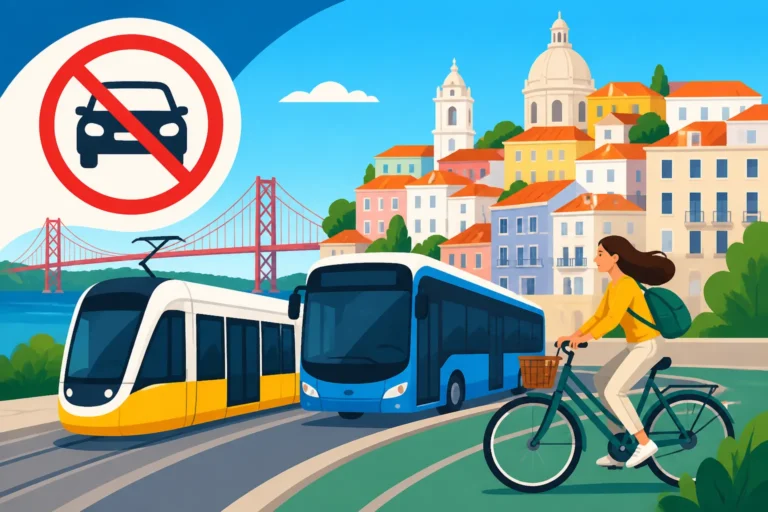
Within cities, public transport is excellent. In Lisbon, you'll rely on the metro, buses, trams (including the famous Tram 28), and funiculars. Invest in a Navegante card immediately for rechargeable fares. Porto has its own efficient metro system, buses, and historic trams, all accessible with the Andante card. Google Maps is generally reliable for planning routes, but local apps like Citymapper (for Lisbon) can provide real-time updates. Taxis and ride-sharing apps like Uber and Bolt are readily available in Lisbon and Porto, offering convenient options, especially late at night. Driving in Portugal is an option, but be aware of narrow streets, limited parking, and tolls. Our guide on Driving in Portugal: Exchanging Your Foreign License to a Portuguese One has all the details.
Accommodation: Finding Your Home Away From Home
Finding suitable accommodation, whether for a short trip or a long-term move, is a critical step. For tourists, Booking.com, Airbnb, and GetYourGuide offer a vast array of options, from charming boutique hotels in historic districts to modern apartments. Booking well in advance, especially during peak season (June-August) or major festivals, is always a good idea. Consider staying in different neighborhoods to experience the distinct vibes – perhaps Alfama for history, Baixa for central convenience, or Cais do Sodré for nightlife in Lisbon.
For those planning to relocate, the housing market requires a bit more strategic thinking. Long-term rentals are typically found on platforms like Idealista, Imovirtual, and Uniplaces (especially for students). Be prepared for landlords asking for multiple months' rent as a deposit and/or a guarantor (fiador), which can be challenging for newcomers. Rent prices in Lisbon and Porto have risen significantly in recent years, so factor this into your budget. Expanding your search to less central neighborhoods or smaller cities like Coimbra or Braga can yield more affordable results. Always ensure you have a proper rental contract (contrato de arrendamento) and that it is registered with Finanças. This protects your rights as a tenant.
Navigating Daily Life: Language, Etiquette, and Essentials
While many Portuguese, especially in tourist areas and younger generations, speak English, making an effort to learn some basic Portuguese phrases will dramatically enhance your experience and endear you to locals. Even a simple "Olá" (hello), "Obrigado/a" (thank you), and "Por favor" (please) goes a long way. There are plenty of resources for Learning European Portuguese: Top Apps, Tutors, and Free Government Classes available.
Portuguese culture values politeness, respect, and a generally relaxed pace. Don't be surprised if things take longer than expected; patience is a virtue here. When entering a shop or cafe, a quick "Bom dia" (good morning) or "Boa tarde" (good afternoon) is customary. Tipping in restaurants is appreciated but not mandatory; rounding up the bill or leaving a few euros is common for good service.
Essential bureaucratic steps for new residents include getting your NIF (tax identification number), NISS (social security number), and opening a Portuguese bank account. While initially daunting, services like Bordr or local lawyers can assist with the NIF process. For banking, traditional banks like Millennium bcp or ActivoBank are popular choices for expats. For a smooth transition, ensure you understand how to navigate these financial waters, perhaps by reading up on Opening a Bank Account in Portugal: Best Banks for Foreigners and Expats. And remember, the local pharmacy (farmácia) is often your first port of call for minor ailments and advice, staffed by highly trained professionals.
Cultural Immersion and Local Experiences
One of the greatest joys of living in or visiting Portugal's cities is the opportunity for deep cultural immersion. It's about more than just seeing the sights; it's about feeling the rhythm of daily life, engaging with traditions, and savoring the unique flavors that define this incredible country.
Embracing Portuguese Gastronomy and Coffee Culture
Portuguese food is soulful, comforting, and deeply rooted in fresh, local ingredients. Seafood reigns supreme, especially along the coast. Don't leave without trying bacalhau (codfish) prepared in one of its hundreds of ways, grilled sardines in summer, or a hearty arroz de marisco (seafood rice). Every region has its specialties, from Lisbon's pastéis de nata to Porto's francesinha. Exploring local markets like Mercado da Ribeira (Time Out Market) in Lisbon or Mercado do Bolhão in Porto is a fantastic way to discover regional produce, cheeses, and cured meats. You’ll find fresh ingredients at good prices, perfect for cooking at home. Check out Grocery Shopping in Portugal: Continente, Pingo Doce, Auchan, and Mercados for more insights on where to buy your groceries.
But beyond the food, Portugal's coffee culture is a daily ritual. Coffee isn't just a drink; it's a social occasion. Learn to order your bica (espresso), galão (latte in a tall glass), or meia de leite (half coffee, half milk) like a local. Cafes are everywhere, serving as meeting spots, quick breakfast stops, and places to simply watch the world go by. The quality is consistently high, and the prices are wonderfully low compared to many other European countries.
Festivals, Fado, and Community Life
Portugal is a country that loves to celebrate, and its cities come alive with festivals throughout the year. The Santos Populares (Popular Saints' Festivals) in June are a particular highlight, especially in Lisbon and Porto. Lisbon's Festas de Santo António transforms the Alfama and other historic neighborhoods into giant street parties with grilled sardines, singing, and dancing. Porto celebrates São João with equal gusto, featuring bonfires, parades, and fireworks. These festivals offer an incredible opportunity to experience authentic Portuguese community spirit.
Fado, Portugal's soulful, melancholic musical genre, is another cornerstone of its cultural identity. While Fado houses can be found in both Lisbon and Porto, Alfama in Lisbon is often considered its spiritual home. Spending an evening listening to Fado, often accompanied by traditional Portuguese guitar, is a moving experience that connects you deeply to the country's heart and history. It's not just a performance; it's a shared emotional journey. Beyond the grand shows, you might stumble upon impromptu Fado in local taverns, which can be even more magical.
Language Learning and Local Interaction
While it’s easy to get by with English in many tourist-heavy areas of Lisbon and Porto, genuinely engaging with local life, particularly outside the main hubs, requires some effort in learning Portuguese. This isn't just about practical communication; it’s a sign of respect and opens doors to deeper connections. Many cities offer language schools and community classes, and even online resources are abundant. Don't be afraid to practice, even if you make mistakes – the Portuguese are generally very encouraging.
Beyond language, participating in local events, joining hobby groups, or simply frequenting the same local cafe or pastelaria can foster a sense of belonging. The Portuguese are generally warm and hospitable, and many are curious about expats and keen to share their culture. Engaging in these local interactions is where the true magic of living in Portugal's cities lies, turning a place into a home.
Disclaimer
The information provided in this guide is for general informational purposes only and does not constitute professional advice. While we strive to provide accurate and up-to-date information, circumstances can change rapidly. Readers are advised to consult with relevant legal, financial, or immigration professionals for specific advice tailored to their individual situations.