How to Get Around Portugal Without a Car
Disclosure: This article contains affiliate links. If you buy through them, we may earn a commission at no extra cost to you. Read our full disclosure.
Moving to Portugal often conjures images of quaint villages, sun-drenched beaches, and rolling vineyards. What many hopeful expats don't realize until they arrive is that while the major cities are well-connected, venturing beyond them without a car can feel like trying to solve a Rubik's Cube blindfolded. The initial frustration is real, especially when you're used to the convenience of driving, but I'm here to tell you that navigating Portugal car-free is absolutely doable, albeit with a bit of planning and a willingness to embrace new ways of getting around. This guide will help you understand the ins and outs of public transport, intercity travel, and regional exploration, ensuring you can experience all of Portugal's charm without needing to buy, register, or maintain a vehicle.
Public Transportation: The Backbone of Car-Free Urban Living
When you first land in Portugal, especially in cities like Lisbon or Porto, you'll be pleasantly surprised by the robustness of their urban public transport networks. They are extensive, generally reliable, and significantly more affordable than what many expats are used to from their home countries. Getting your head around the different systems and payment methods is the first step to unlocking car-free freedom in these vibrant hubs.
Mastering Urban Transit in Lisbon and Porto
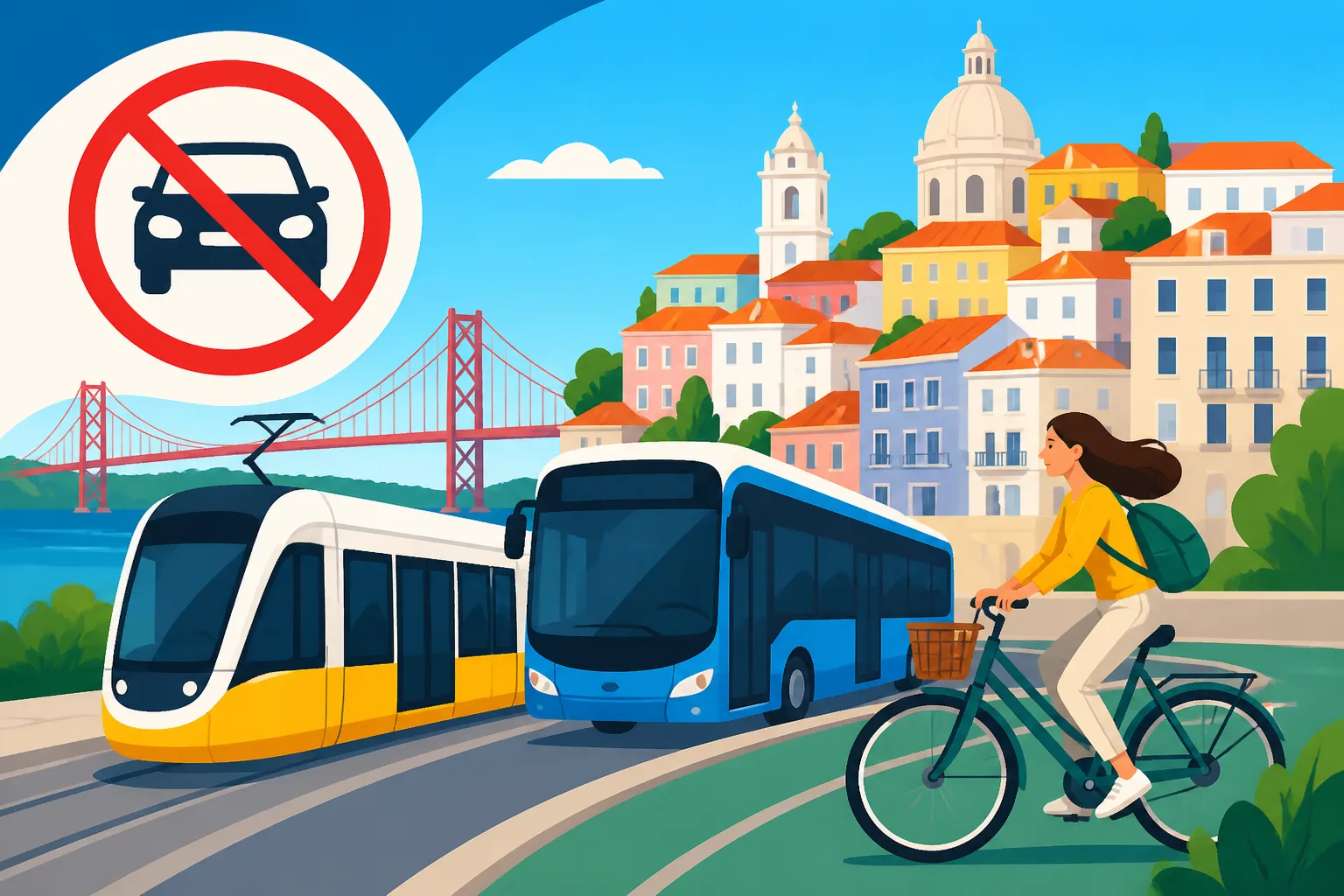
Let's be honest, those first few weeks in a new city, trying to figure out which bus goes where and how to pay, can be a bit overwhelming. But Lisbon and Porto have excellent integrated systems. In Lisbon, you'll find the Metro (subway), an extensive bus network (Carris), charming trams (including the iconic Tram 28!), funiculars to tackle those steep hills, and even ferries that cross the Tagus River, offering stunning views. For Porto, it's a similar story with its Metro (which is light rail, much of it above ground), a comprehensive bus system (STCP), and a few heritage trams.
The key to smooth sailing in both cities is getting yourself a reusable travel card. In Lisbon, it's the Viva Viagem card, which costs a mere €0.50 and can be loaded with single tickets, 24-hour passes, or the monthly Navegante Pass Lisbon: How to get the €40 monthly unlimited transit card. I highly recommend the Navegante if you're living in Lisbon and plan to use public transport daily; it covers everything within the city and surrounding municipalities. You can buy and top up these cards at Metro stations, some paper shops (papelarias), or even post offices. Just remember to validate your card before every trip on the Metro or tram, and upon entry on buses. The fines for not validating are no joke, and ignorance isn't an excuse here.
Porto uses the Andante card. Like the Viva Viagem, it's a reusable, reloadable card. You can purchase single tickets or passes based on zones, which is crucial as Porto's metropolitan area stretches quite a bit. Understanding the zones can save you money and headaches. A casual trip usually requires a Z2 ticket for central Porto. Make sure to tap your Andante card on the reader at the start of every journey, even when changing lines on the Metro, to avoid issues. You can find detailed information on zones and top-ups, including how to use the Andante card in Porto: Zones, top-ups, and ticket validation fines, on the local transport websites.
Beyond the Big Cities: Local Buses and Taxis
While Lisbon and Porto boast extensive networks, smaller cities and towns across Portugal also have their local bus services. These might not be as frequent or well-mapped on Google Maps, but they exist. For example, in Faro in the Algarve, or Coimbra in central Portugal, you'll find local bus routes that can get you around the city center and to major points of interest. These usually involve buying a ticket directly from the driver (cash is king here!) or at a local kiosk.
However, once you leave the urban core, the frequency can drop dramatically. Don't expect buses every 10 minutes in a smaller town; sometimes it's once an hour, or even just a few times a day. Always check schedules in advance, preferably at the local bus station (estação de autocarros) or by asking a local.
For those times when public transport simply isn't cutting it – perhaps you're out late, carrying heavy shopping, or need to get to an obscure address – ride-hailing apps like Uber and Bolt are readily available in most medium to large cities and even some tourist areas. They offer a convenient and relatively affordable alternative to traditional taxis, which can sometimes be pricier, especially if you're not sure about the local rates. Comparing prices between Uber and Bolt for a specific journey can often save you a few euros, as their pricing algorithms fluctuate based on demand. You can learn more about using Bolt vs Uber in Portugal: Which ride-hailing app is cheaper? in our detailed guide.
Intercity Travel: Trains, Buses, and Ride-Sharing
Once you want to explore beyond your immediate city, Portugal offers a very good network of intercity trains and long-distance buses. This is where you really start to appreciate not having to deal with highway tolls (which can be a nightmare to understand for foreigners!) or finding parking in historical city centers.
The Allure of Portuguese Trains: Comboios de Portugal (CP)
Portugal's national train company, Comboios de Portugal (CP), is a fantastic way to travel between major cities. The trains are generally comfortable, punctual, and offer scenic routes. You have a few main types of services:
- Alfa Pendular (AP): These are the high-speed trains, connecting Lisbon to Porto, Braga, and Faro. They are the quickest option, offering amenities like Wi-Fi and power outlets. Booking these in advance, especially during peak season or holidays, is highly recommended as prices can increase closer to the travel date.
- Intercidades (IC): Intercity trains are a bit slower than the Alfa Pendular but still very efficient, connecting many more cities across the country, including destinations like Évora, Guarda, and Covilhã. They are a great middle-ground option for cost and speed.
- Regional and Urban Trains: These connect smaller towns and serve suburban areas, often stopping at more stations. They're perfect for shorter hops and offer a glimpse into local life.
Booking your train tickets is straightforward. You can do it online via the CP website or their app, or in person at any train station. For the best prices on Alfa Pendular and Intercidades, try to book at least a week or two in advance. You can often snag significant discounts, sometimes up to 45%, if you're flexible with your times. Many expats swear by Omio for comparing and booking train and bus tickets across Europe, making it a handy tool for planning journeys within Portugal as well. They consolidate options, so you don't have to jump between multiple websites.
Long-Distance Buses: The Country's Lifeline
While trains are excellent for north-south routes between major hubs, buses are truly the unsung heroes of Portuguese intercity travel, especially when you need to reach places not served by the train lines. The bus network is incredibly comprehensive, connecting virtually every town and city. The main operators are:
- Rede Expressos: This is Portugal's largest national bus company. They have a vast network, comfortable coaches, and frequent departures. Their website is relatively easy to navigate, and you can buy tickets online or at bus terminals.
- FlixBus: An international operator that also runs many routes within Portugal, often offering competitive prices, especially if booked in advance. They're known for their green buses and are a good option to check for budget-friendly travel.
- Renex: Another reputable national operator, often running routes similar to Rede Expressos, especially between Lisbon and the Algarve.
Long-distance buses are generally cheaper than trains, though they can be slower due to more stops and road traffic. However, they're often the only direct option to many beautiful, off-the-beaten-path destinations. For example, if you're heading to a specific beach town in the Alentejo or to a mountain village, a bus will almost certainly be your best bet. Always aim to arrive at the bus terminal (terminal rodoviário) a bit early, as platforms can sometimes be confusing, and buses generally depart on time. You can use platforms like Omio to effortlessly compare prices and schedules for both trains and buses, helping you choose the best option for your itinerary. This makes planning a multi-leg journey much easier!
Ride-Sharing and Private Transfers
For specific routes or when traveling with a group, ride-sharing services like Blablacar can connect you with drivers making similar journeys, allowing you to share costs. It's more common for longer distances and less formal than bus or train travel, but can be a fun way to meet locals.
Alternatively, if budget allows and you prioritize convenience, private transfer services exist. These can be particularly useful for getting directly from an airport to a more remote accommodation or for specific day trips where public transport is sparse. Many tour operators listed on platforms like GetYourGuide include transport in their packages, taking the hassle out of logistics for destinations that are difficult to reach otherwise.
Consider this table for a quick comparison of intercity travel options:
| Mode of Transport | Pros | Cons | Best For |
|---|---|---|---|
| Alfa Pendular (CP) | Fast, comfortable, reliable, scenic | Higher cost, limited direct routes | Lisbon-Porto, major city pairs |
| Intercidades (CP) | Good balance of speed and cost, wider coverage | Not as fast as AP | Connecting major and medium cities |
| Regional/Urban CP | Cheapest, connects small towns, local experience | Slow, frequent stops | Short hops, local exploration |
| Rede Expressos | Extensive network, affordable, frequent routes | Slower than trains, traffic dependent | Reaching most towns, budget travel |
| FlixBus | Very affordable, good for budget travel | Can be less comfortable, fewer amenities | Budget-conscious, cross-country routes |
| Uber/Bolt | Convenient, door-to-door, available in cities | Expensive for long distances, demand pricing | Short city trips, late-night travel |
| Blablacar | Cost-sharing, flexible, meet locals | Less reliable, variable comfort, requires trust | Long-distance budget travel, flexible schedule |
Exploring Regions and Rural Areas: When to Get Creative
Here's where the rubber meets the road, or rather, where the lack of a car really makes itself felt. While Portugal's cities are wonderfully navigable without a personal vehicle, the charm of much of the country lies in its smaller villages, its dramatic coastline, and its hidden natural parks, many of which are poorly served by public transport. This is where you need to get creative and sometimes combine different strategies.
The Challenge of the Interior
Regions like the Alentejo, much of the Centro, and parts of the Trás-os-Montes are stunning but notoriously difficult to explore without a car. Buses might run once or twice a day, if at all, to very small communities. Imagine wanting to visit a specific winery or a remote castle ruin – you might find yourself stranded. This is often the biggest hurdle for expats who love the idea of car-free living but also yearn to see all of Portugal.
However, "difficult" doesn't mean "impossible." It just means more planning. If you're staying in a regional hub like Évora or Viseu, you might find local taxis or even ride-hailing services willing to take you to nearby villages for a set price. It's often worth negotiating the fare beforehand, especially for a round trip with waiting time. Some local guesthouses or tourism offices can also arrange private transfers or suggest local drivers who specialize in day tours.
Organized Tours: Your Car-Free Shortcut to Hidden Gems
For those truly harder-to-reach spots, or if you simply prefer not to deal with any logistics, organized tours are a lifesaver. Companies and local guides offer countless excursions from major cities like Lisbon and Porto to places like Sintra, Cascais, Évora, Nazaré, and the Douro Valley. Platforms like GetYourGuide are excellent for finding a wide array of day trips and multi-day tours that include comfortable transportation, often with English-speaking guides who enrich your experience with local history and anecdotes.
For example, a trip to the Peneda-Gerês National Park, a truly wild and stunning area in the north, would be an absolute nightmare without a car, but many tour operators offer guided hikes and visits that include all transport. Similarly, exploring the various wine estates in the Douro Valley is not only possible but arguably better on an organized tour, where you don't have to worry about drinking and driving! These tours often pick you up directly from your accommodation or a central meeting point, making it genuinely hassle-free.
Coastal Escapes and Island Adventures
The Algarve, while having a better bus network along the coast compared to the interior, still benefits from a car for true exploration. However, you can absolutely enjoy the main coastal towns like Faro, Lagos, and Tavira using trains and buses. For instance, the regional train line runs along much of the Algarve coast, connecting towns like Lagos, Portimão, Faro, and Tavira, making it easy to hop between beaches and towns.
Once you're in a specific town, local buses, taxis, or even bicycles are great options. Many coastal towns are very walkable, and bike rentals are common. If you’re considering living in the region, our guide on The Algarve for Expats: Lagos, Faro, and Tavira Compared might help you choose a town that’s easier to navigate without a vehicle.
Don't forget the islands! Madeira and the Azores are fantastic for car-free exploration if you stick to the main towns and use local buses for specific routes. For a truly immersive experience, however, many visitors do rent a car for a few days on the islands to access all the viewpoints and hiking trails. Again, organized tours are a brilliant alternative if you prefer not to drive.
Apps and Resources for Seamless Travel
In this digital age, your smartphone is your best friend when it comes to navigating Portugal without a car. There are several indispensable apps and online resources that will make your life significantly easier.
Essential Navigation Apps
- Google Maps: This is usually your go-to for planning public transport routes within cities and for intercity travel. It integrates real-time bus and train schedules fairly well for most routes. However, sometimes smaller, very local bus lines might not show up.
- Moovit: Often more accurate and detailed than Google Maps for real-time public transport information, especially within Lisbon and Porto. It can give you specific bus numbers, arrival times, and even tell you which stop to get off at. I've found it invaluable for navigating unfamiliar city bus routes.
- Citymapper: Similar to Moovit, and particularly strong for Lisbon, offering very clear, step-by-step instructions for getting around using various modes of transport.
Always double-check schedules directly with the transport providers (CP or Rede Expressos websites) if your journey is critical, as app data can sometimes be a little behind, especially for regional routes.
Booking and Planning Platforms
As mentioned earlier, platforms like Omio are fantastic for planning and booking intercity train and bus tickets. They allow you to compare options from different operators side-by-side, which is incredibly useful. You can often book directly through their platform, simplifying the process.
For those moments when you want to explore further afield without renting a car, GetYourGuide is a treasure trove of curated tours and activities, many of which include transportation. Whether it's a day trip to the Douro Valley, a visit to the Algarve caves, or exploring historical sites, you can often find a package that takes care of all the travel logistics.
And don't forget Booking.com! While primarily for accommodation, it can be a useful tool for car-free travel. When searching for hotels or apartments, look for locations that are well-connected to public transport hubs. Many listings will specify their proximity to metro stations, bus stops, or train stations, allowing you to choose accommodation that suits your car-free lifestyle. Sometimes, hotels even offer shuttle services to nearby attractions or transport links.
Staying Connected
Reliable mobile data is crucial for using navigation apps and checking schedules on the go. Consider getting a local SIM card from providers like Vodafone, MEO, or NOS upon arrival, or an eSIM from a service like Airalo. Having data means you're never truly lost and can always look up your next connection or call an Uber if needed.
Living in Portugal without a car requires a bit more foresight and an embrace of its excellent public transport systems, combined with strategic use of ride-hailing and tour services. While it might take a little getting used to, the freedom from fuel costs, parking headaches, and the infamous Portuguese road tolls (Navigating the Portuguese Toll System: Via Verde and Electronic Tolls) is incredibly liberating. You'll likely walk more, discover hidden corners, and experience Portugal in a much more authentic way.
Disclaimer
The information provided in this guide is for general informational purposes only and is subject to change. While we strive to keep the content up-to-date, transport schedules, prices, and regulations in Portugal can change without prior notice. Always verify details with official sources or transport providers before making travel plans.