How to Shop at the Bolhão Market in Porto
Disclosure: This article contains affiliate links. If you buy through them, we may earn a commission at no extra cost to you. Read our full disclosure.
Stepping into the Mercado do Bolhão in Porto for the first time can be a real jolt to the senses – a beautiful, chaotic symphony of sights, sounds, and smells. For many expats and visitors, it’s easy to feel a little lost in the hustle, unsure how to interact with the vendors or truly appreciate the historical significance beyond just snapping a few photos. But trust me, once you get the hang of it, this market isn't just a place to buy groceries; it’s a living, breathing testament to Porto's soul, and this guide will show you exactly how to dive in and experience it like a seasoned local.
The Enduring Heart of Porto: A Glimpse into Mercado do Bolhão’s Soul
You know, when I first moved to Portugal, I stuck to the modern supermarkets like Continente or Pingo Doce, thinking they were the easiest. But it wasn’t long before I realized I was missing out on something truly special, something that connects you to the heartbeat of a Portuguese city. Mercado do Bolhão is precisely that, and it's far more than just a place to pick up some fresh fish.
More Than Just a Market: A Living Piece of History
The original Mercado do Bolhão, built in 1914, was a grand, neoclassical building, and it housed generations of vendors who sold their wares, rain or shine. For decades, it was the central hub for fresh produce, meats, fish, and flowers in Porto. However, over time, the building fell into disrepair, becoming a slightly crumbling, albeit charming, relic. Many of us expats who lived through those years remember its raw, unpolished character. It was an experience, but often a damp and chilly one in winter!
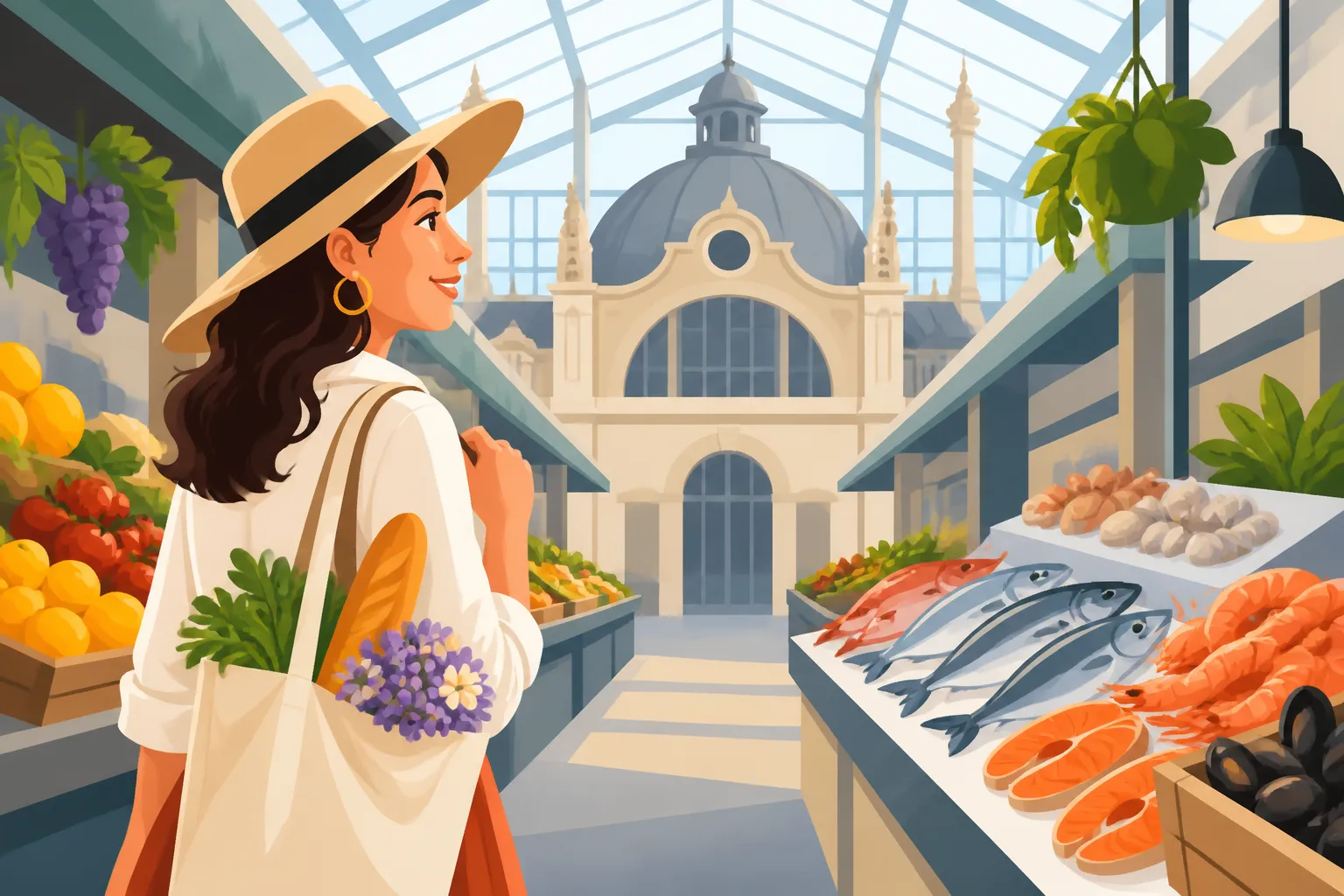
Then came the massive renovation project, which took years – anos e anos, I tell you – and finally, in 2022, the "new" Bolhão reopened. But it's not truly new; it's a meticulously restored version of its former self, honoring its heritage while providing modern facilities. The iron structure has been reinforced, the light floods in beautifully, and the vendors, many of them descendants of the original stallholders, are back in their rightful place. It’s a testament to Porto's commitment to preserving its traditions. When you walk through its gates, you’re not just entering a market; you’re stepping into a slice of living history, feeling the echoes of over a century of commerce and community. The sheer vibrancy is palpable – the cheerful shouts of the peixeiras (fishmongers), the rich aroma of spices, the kaleidoscope of fresh fruits and vegetables. It's an overwhelming, beautiful sensory experience that you just don't get at the checkout aisle of an Auchan.
Why Bolhão Stands Apart from Your Average Grocery Store
Contrast Bolhão with your typical modern supermarket, and you'll immediately understand its unique charm. Here, the emphasis is entirely on fresh, local, and seasonal produce. You won't find aisles of packaged, imported goods flown in from halfway across the world. Instead, you'll see small, family-run stalls brimming with fruits and vegetables grown in the surrounding regions, often picked just days or even hours before. This means the flavors are intense, the quality is usually superior, and you're supporting local farmers and small businesses directly.
Beyond the produce, there's a deeply personal connection at Bolhão. The vendors know their products inside and out. They can tell you where the olives came from, which fish was caught that morning, or the best way to prepare a specific cut of meat. It’s a completely different interaction than scanning an item at a self-checkout. They’ll remember you if you become a regular, offering a friendly nod or even a little extra something in your bag. This human element is what makes Bolhão so special, transforming a mundane errand into a genuine cultural exchange. It's a connection that really helps you feel settled and like you belong in your new home, something many expats yearn for.
Navigating the Stalls: What to Buy and How to Buy It
Okay, now that you're mentally prepared for the vibrant chaos, let's talk about the actual shopping part. It can seem a bit daunting with so many stalls and so much happening, but once you know what to look for and how to approach it, you'll be a pro in no time.
A Culinary Treasure Hunt: Produce, Fish, and Meats
This is where Bolhão truly shines. Forget your sterile supermarket aisles; here, you’re embarking on a delicious treasure hunt.
- Fruits and Vegetables (Frutas e Legumes): You’ll find an incredible array of seasonal produce. In late spring and summer, look for juicy cherries (cerejas), sweet figs (figos), and vibrant peaches (pêssegos). Come autumn, the market overflows with persimmons (dióspiros), chestnuts (castanhas), and various gourds. Don't hesitate to ask the vendor, "Está bom?" (Is it good?) or "É doce?" (Is it sweet?). They’ll often let you try a small piece. You’ll also find fantastic artisan cheeses, often from the Serra da Estrela region, alongside a bewildering variety of olives, nuts, and dried fruits.
- Fish (Peixe): The fish section is an experience in itself. The peixeiras are legendary for their loud calls and quick wit. You’ll see everything from fresh sardines (sardinhas) – a must-try in season – to cod (bacalhau) in various forms, octopus (polvo), and a huge selection of other fresh seafood. If you’re unsure, point to what looks good and ask, "Este é fresco?" (Is this fresh?). The fishmongers are usually more than happy to clean and scale the fish for you, just ask: "Pode arranjar?" (Can you prepare it?). This is a huge convenience and makes cooking fresh fish so much easier back home.
- Meats and Cured Goods (Carne e Charcutaria): For meats, you'll find butchers selling cuts of pork, beef, and chicken. Portuguese charcutaria (cured meats) is also well-represented, with various types of presunto (ham), alheira (a smoked sausage, often made with bread and game meat), and chouriço. Again, don't be shy about asking for recommendations or specific cuts. The quality is usually excellent.
Beyond Groceries: Flowers, Crafts, and Local Delicacies
Bolhão isn’t just about filling your fridge; it’s also a place for beauty and local treats.
- Flowers (Flores): Near the entrances, you'll often find beautiful flower stalls, bursting with vibrant colors and fragrances. Many floristas have been there for decades, their hands deft at creating beautiful bouquets. It's a wonderful place to pick up a fresh bunch to brighten your home.
- Handicrafts and Souvenirs: While not the primary focus, you'll find a few stalls selling traditional Portuguese crafts, textiles, and other souvenirs. These are often handmade and can make for lovely, authentic gifts, far more charming than the mass-produced items you might find in tourist traps.
- Cafes and Restaurants: One of the best parts of the renovated Bolhão is the array of small cafes and restaurants scattered throughout the upper levels. This is where you can truly immerse yourself. Grab a strong bica (espresso) and a pastel de nata for breakfast, or settle down for a simple, hearty lunch. Many stalls offer traditional Portuguese dishes, and it's a fantastic spot to try a local francesinha (Porto's iconic sandwich) or a generous portion of bacalhau à brás. It’s a perfect spot to take a break and just watch the world go by, fueled by good food and bustling energy. For a fuller immersion into Porto's food scene, you might consider booking a food tour through platforms like GetYourGuide, as many incorporate a visit to Bolhão to showcase local ingredients.
Embracing the Bargaining (or Not) Culture
This is a common question for newcomers: "Should I bargain?" Generally speaking, in traditional Portuguese markets like Bolhão, especially for everyday groceries like fruits, vegetables, and fish, bargaining is not customary for small purchases. The prices are usually set, and attempting to haggle aggressively might be seen as impolite or even a bit insulting, particularly to the older, more established vendors.
However, there's a nuance. If you're buying a large quantity of something, or if it's nearing closing time and a vendor wants to clear stock, there might be a little room for a slight discount or an extra piece thrown in. It's more about building a relationship over time. If you become a regular, buying from the same senhora or senhor each week, they might offer you a "presente" (a gift) – a few extra oranges or a small bunch of herbs – out of goodwill and appreciation. This isn't bargaining; it's a natural evolution of a friendly vendor-customer relationship. So, focus on being polite, friendly, and learning a few basic Portuguese phrases (which we'll touch on later) rather than trying to drive a hard bargain on your three apples.
Here’s a quick overview of what to expect:
| Category | Recommended Items | Best Time to Buy | Payment Tips | Language Interaction |
|---|---|---|---|---|
| Produce | Seasonal fruits (e.g., cherries, figs), local cheeses, olives, nuts | Early morning for selection, late afternoon for potential deals | Cash preferred for small amounts | "Bom dia!" (Good morning!), "Quanto custa?" (How much?), "Este está bom?" (Is this good?) |
| Fresh Fish | Sardines (in season), bacalhau, octopus, various seafood | Before 11 AM (freshest selection) | Cash, some stalls accept card | "Este é fresco?" (Is this fresh?), "Pode arranjar?" (Can you clean it?) |
| Meats/Cured | Presunto, alheira, chouriço | Anytime | Cash/Card | "Queria…" (I would like…), "Qual recomenda?" (Which do you recommend?) |
| Baked Goods | Pão de Ló, Pasteis de Nata, traditional breads | Morning/Mid-day | Cash | "Um café e um pastel de nata, por favor." (A coffee and a pastel de nata, please.) |
| Flowers | Fresh cut flowers, potted herbs | Mid-morning | Cash | "São lindos!" (They are beautiful!) |
Practical Tips for a Seamless Bolhão Experience
Making your visit to Bolhão as smooth as possible involves a bit of planning and understanding local customs. Believe me, these little things can make a huge difference in your experience, especially when you're still getting used to things here.
Timing Your Visit: Best Hours and Days
Choosing the right time to visit Bolhão can greatly impact your experience.
- Early Mornings (9:00 AM – 11:00 AM): If you're after the absolute freshest produce and fish, especially the prized catch of the day, an early morning visit is your best bet. The market is bustling, the energy is high, and the stalls are fully stocked. This is when you'll find the widest selection. However, it also means more crowds, particularly on Saturdays.
- Late Mornings/Lunchtime (11:00 AM – 1:00 PM): This is generally the busiest period. Locals are doing their shopping, and tourists are pouring in. It's a fantastic time for people-watching and soaking up the atmosphere, but navigating the aisles can be a bit challenging. If you plan to eat at one of the market's restaurants, be prepared for a short wait.
- Afternoons (2:00 PM – 5:00 PM): The crowds start to thin out in the afternoon. While some produce might be picked over, you can still find plenty of fresh items. Some vendors might even offer slight reductions on perishable goods as closing time approaches, but don't count on it as a rule.
- Closing Time: The market generally closes around 5:00 PM to 6:00 PM depending on the day (check specific times as they can vary slightly). Avoid arriving too close to closing, as many stalls will already be packing up.
- Best Days: Weekdays (Tuesday to Friday) are generally less crowded than Saturdays. Saturdays are incredibly vibrant and energetic but can be packed. If you don't mind the crowds and want the full, lively experience, Saturday morning is the time to go. The market is closed on Sundays and Mondays, so plan accordingly!
Payment and Language: What to Expect
Navigating payments and potential language barriers is often a source of anxiety for expats, but it's manageable at Bolhão.
-
Cash is King (or at least, highly appreciated): While many stalls, especially the larger ones or those with integrated payment systems, will accept card payments (usually Multibanco or MB Way, sometimes even international credit cards), it's always a good idea to carry cash, especially for smaller purchases. Many traditional vendors prefer cash, and it speeds up transactions. If you're only buying a small bunch of herbs for €0.50, paying with a €50 note might get you a slightly annoyed look. There are ATMs nearby if you need to withdraw some euros.
-
MB Way: If you live in Portugal, you've probably already embraced MB Way. It's an incredibly popular and convenient payment system linked to your Portuguese bank account, allowing instant payments via your phone. Many stalls accept MB Way, which can be faster than card machines.
-
Language Barrier: While Porto is a major tourist city and many younger vendors or those at cafes will speak some English, it's not a guarantee, especially with the older, more traditional stallholders. Don't let this deter you! A little effort goes a long way. Learning a few basic Portuguese phrases like:
- "Bom dia!" / "Boa tarde!" (Good morning! / Good afternoon!)
- "Olá!" (Hello!)
- "Por favor" (Please)
- "Obrigado/a" (Thank you – male/female speaker)
- "Quanto custa?" (How much does it cost?)
- "Queria…" (I would like…) followed by the item name.
- "Desculpe" (Excuse me/Sorry)
- "Não falo português muito bem." (I don't speak Portuguese very well.)
Even just a few words will show respect and often bring a smile to a vendor's face, making them more patient and willing to help. Remember, they appreciate the effort, and it’s a wonderful way to practice your Learning European Portuguese: Top Apps, Tutors, and Free Government Classes.
Getting There and Around: Transport and Accessibility
Bolhão Market is incredibly well-connected, making it easy to access from almost anywhere in Porto.
- Metro: The most convenient way to get there is by metro. The Bolhão station (lines A, B, C, E, F) is literally right underneath the market. You just exit the station, and you're there. It couldn't be easier. For visitors, understanding how to use the Using the Andante card in Porto: Zones, top-ups, and ticket validation fines is essential for efficient travel.
- Buses: Numerous bus lines also stop nearby. Check the local STCP routes if you prefer to travel by bus.
- Walking: If you're staying in the Baixa or Aliados area, the market is an easy and pleasant walk. It's a short stroll from landmarks like the São Bento train station and the Clérigos Tower.
- Taxis/Ride-sharing: Taxis, Uber, and Bolt are readily available, dropping you off right at one of the market entrances.
- Accessibility: The newly renovated market is generally very accessible, with ramps and elevators connecting the different levels. This is a huge improvement over the old market! However, navigating the crowds, especially on busy days, might still be challenging for those with mobility issues. The floors are smooth, but the sheer volume of people can be intense.
Making a Day of It: Bolhão and Beyond
Your trip to Mercado do Bolhão doesn't have to be a quick in-and-out affair. It's perfectly situated to be a launching pad for a fantastic day exploring Porto, blending culinary delights with cultural discovery.
Combining Your Market Trip with Other Porto Delights
One of the great joys of Porto is how walkable and condensed its city center is. Bolhão Market sits right in the heart of it all, making it incredibly easy to weave into a broader itinerary.
- Shopping on Rua de Santa Catarina: Just a stone's throw away from Bolhão is Rua de Santa Catarina, Porto's main shopping street. Here, you'll find everything from international brands to local boutiques. It's also home to the iconic Café Majestic, a stunning Art Nouveau cafe where you can stop for a more upscale coffee and pastry experience, though be prepared for tourist prices.
- Explore the Historic Center: From Bolhão, you're only a short walk from the UNESCO World Heritage-listed historic center. Wander down to Avenida dos Aliados, admire the ornate architecture, and then head towards the São Bento train station to marvel at its incredible azulejo-tiled entrance hall. You can easily spend hours simply getting lost in the narrow, winding streets that lead down to the Douro River.
- Café Culture and Local Eateries: After your market visit, you might be inspired to delve deeper into Portuguese Coffee Culture and Restaurant Etiquette: Ordering Like a Local. Porto is full of charming little tascas and pastry shops where you can grab another espresso or a sweet treat. Many of these local spots offer incredible value and authentic flavors.
- Food Tours and Experiences: To truly deepen your culinary understanding, consider joining a guided food tour. Many operators, including those you can find on GetYourGuide, specifically incorporate Bolhão Market into their itineraries. These tours provide context, history, and often allow you to sample items you might not have tried on your own, offering insights into Porto's gastronomic traditions.
Where to Stay to Be Close to the Action
If you're planning a visit to Porto and want to be right in the thick of it, with easy access to Bolhão and all the surrounding attractions, choosing the right neighborhood for your accommodation is key.
- Baixa/Sé: This is the absolute heart of Porto's historic center. Staying here means you're just minutes away from Bolhão, Aliados, São Bento, and the Ribeira. You'll have countless restaurants, cafes, and shops at your doorstep. It can be a bit noisy and bustling, but for many, it's worth it for the convenience and atmosphere. You can find a wide range of options, from charming boutique hotels to budget-friendly guesthouses.
- Cedofeita/Boavista: A bit further west from the immediate city center, these neighborhoods offer a slightly more residential feel while still being very well-connected by metro and bus. Cedofeita, in particular, has a cool, artistic vibe with independent shops and galleries. It's a great option if you want to be close but prefer a slightly quieter evening.
- Ribeira: While stunningly picturesque, Ribeira can be very touristy and often more expensive. It's right on the river, beautiful for evening strolls, but it's a bit of an uphill walk back to Bolhão. If your main goal is market visits, Baixa might be more practical.
When looking for accommodation, especially if you're planning your trip from abroad, it is often recommended to use platforms like Booking.com. They offer a vast selection, from apartments to hotels, and you can filter by neighborhood, amenities, and price range, making it easier to find the perfect spot that puts you within easy reach of Bolhão and other key areas. For more general advice on settling into the city, our guide on Porto Neighborhood Guide: Where to Live for Culture, Tech, and Family might also be incredibly helpful.
Disclaimer
Please remember that while I strive to provide the most current and accurate information based on my experience and available resources, regulations, operating hours, and local customs can change. It's always a good idea to double-check opening times or specific requirements closer to your visit. This guide is for informational purposes only and does not constitute professional advice.