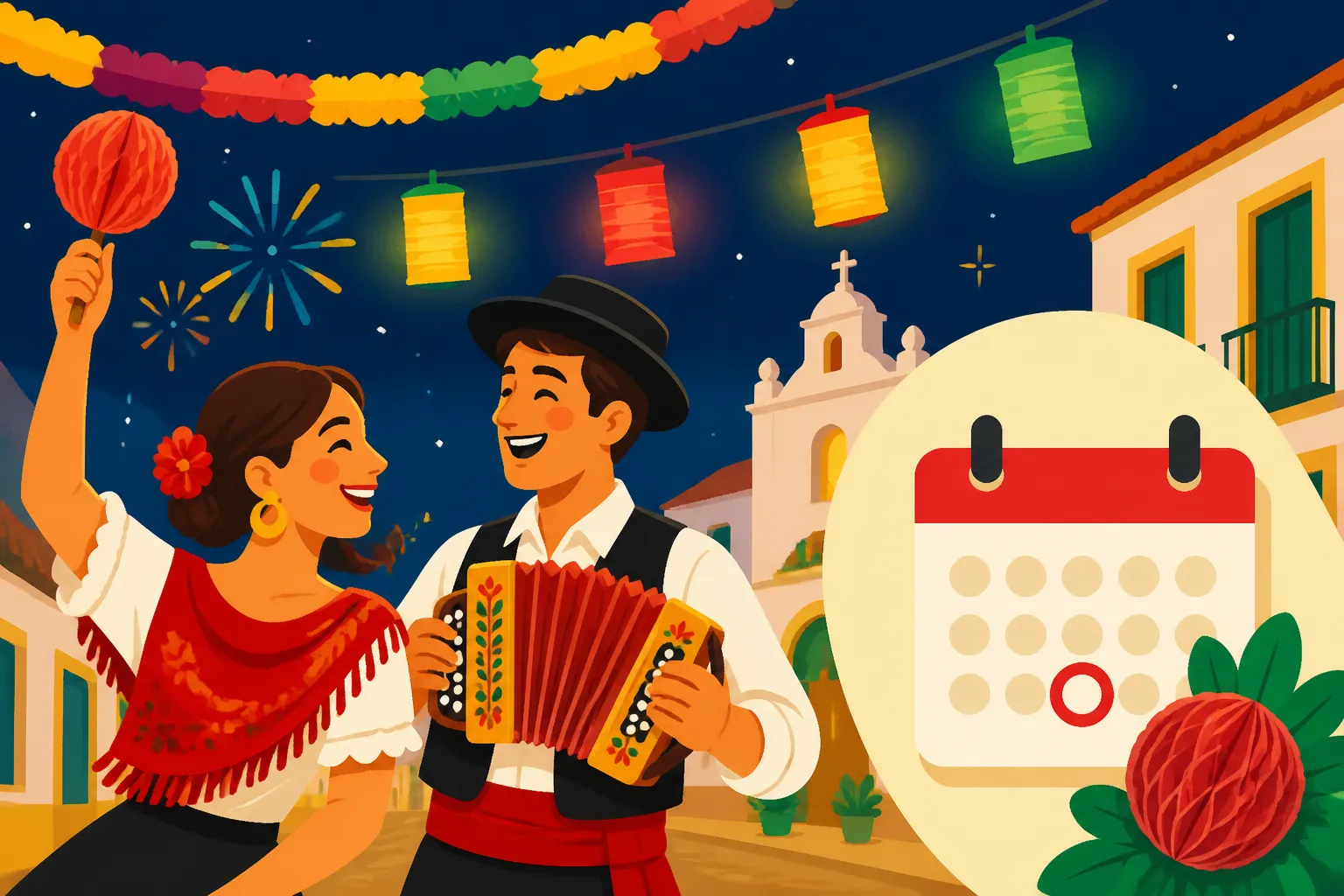
When Are the Santos Populares Festivals in Portugal?
Disclosure: This article contains affiliate links. If you buy through them, we may earn a commission at no extra cost to you. Read our full disclosure.
Ah, the Santos Populares! If you're new to Portugal, or even if you've been here a little while but haven't fully immersed yourself in June's unique brand of joyful chaos, you might be scratching your head about when exactly these vibrant street parties kick off and why everyone's suddenly obsessed with grilled sardines. It's easy to get lost in the flurry of festivities, but don't worry, this guide will demystify the timing of Portugal's most beloved popular saints' festivals, ensuring you know exactly when and where to dive into the celebration.
Understanding the Santos Populares: A Cultural Phenomenon
Before we get into the nitty-gritty dates, let's talk about what the Santos Populares actually are. These aren't just your average public holidays; they are deeply ingrained cultural celebrations that transform cities and towns across Portugal into open-air parties, particularly throughout the month of June. It's a time when local communities truly come alive, putting aside daily routines to honor their patron saints with feasts, music, dancing, and elaborate decorations. Think of it as a blend of religious reverence, pagan traditions celebrating the summer solstice, and just an all-out excuse to eat, drink, and be merry with your neighbors.
For an expat, this can be both exhilarating and a little overwhelming. Suddenly, the quiet square near your apartment is draped in colorful paper garlands, the air fills with the irresistible scent of grilled sardines, and fado music mingles with upbeat pimba tunes. It's a truly authentic Portuguese experience, one that will connect you to the heart and soul of the country like few others can. These festivals are a testament to the Portuguese spirit of community and celebration, a time when everyone, regardless of background, is invited to participate.
A Season, Not Just a Day: Embracing the Entire Month of Festivities
One common misconception is that the Santos Populares refer to a single day. Oh no, my friend, that couldn't be further from the truth! While each saint has a specific feast day, the celebrations often kick off days or even weeks in advance, building up to a fever pitch on the eve of the saint's day, and then winding down slowly. June, therefore, becomes a month-long celebration, particularly in the major cities. It's a season of festivity, with impromptu street parties (known as arraiais) popping up in every historic neighborhood.
You'll quickly learn that planning anything complex during June, especially in Lisbon or Porto, can be a challenge. The vibe shifts, priorities change, and the general pace of life adjusts to accommodate the revelry. Don't fight it; embrace it! It's part of the charm and challenge of Living in Portugal Guide 2027: The Complete Relocation Manual for Expats—learning to adapt to the local rhythm. From spontaneous block parties to organized parades, there's always something happening.
The Big Three: Santo António, São João, and São Pedro
While many smaller towns celebrate their own local patron saints throughout the summer, the "Big Three" Santos Populares are Santo António, São João, and São Pedro. These are the heavyweights, each with its own distinct flavor, traditions, and dedicated cities.
- Santo António (Saint Anthony): Primarily celebrated in Lisbon, he's the matchmaker saint, the patron of lost things, and the protector of newlyweds. His festivities are the wildest in the capital.
- São João (Saint John): Porto's beloved saint, whose celebrations are known for their playful traditions, culminating in an unforgettable night of merriment. You'll find strong São João traditions in other northern cities too, like Braga.
- São Pedro (Saint Peter): Often seen as the closing act of the Santos Populares season, São Pedro is celebrated in various fishing communities and cities like Évora, typically marking the end of the major June festivals.
These three saints essentially dictate the flow of June's celebrations, each bringing their unique customs and energy to different parts of the country.
Santo António: Lisbon's Heartbeat (June 12-13)
If you're in Lisbon in mid-June, you're about to experience something truly special. Santo António is Lisbon's patron saint, and the city goes all out to celebrate him. The official holiday is June 13th, but the real party, the one everyone talks about, happens on the night of June 12th. Prepare yourself for sleepless nights and a vibrant energy that you won't find at any other time of the year.
The preparations begin weeks earlier. Neighborhoods, especially the historic ones like Alfama, Mouraria, Graça, and Bica, transform with colorful decorations, streamers, and paper lanterns. Balconies are adorned, and small altars dedicated to Santo António pop up everywhere. It’s an infectious energy that builds day by day, and if you're not careful, you'll find yourself swept up in it completely. You might want to check out our Lisbon Neighborhood Guide: Best Areas for Expats and Digital Nomads to pick your perfect spot for the festivities.
The Eve: Arraiais, Marches, and Sardines
The night of June 12th is the main event. It's a glorious, chaotic, and utterly unforgettable experience. Picture this: every single street and alleyway in the old neighborhoods becomes an arraial, a street party with makeshift stands grilling literally tons of sardines (sardines on bread with a cold beer or vinho tinto is mandatory!), serving up caldo verde (kale soup), and pouring copious amounts of sangria and beer. The air is thick with smoke from the grills, the rhythmic beat of popular music, and the laughter of thousands of people.
Meanwhile, on Avenida da Liberdade, the grand Marchas Populares takes place. This is a spectacular parade where different neighborhoods compete with elaborate costumes, choreographed dances, and original songs, all vying for the coveted title. It’s a beautiful display of community pride and theatricality. After the parade, the revelers disperse back into the narrow streets, and the party continues until the sun rises. Many couples also choose June 12th to get married in the traditional "Casamentos de Santo António" mass wedding ceremony, believed to bring good luck. It's a heartwarming tradition that adds another layer of charm to the proceedings.
If you're looking to visit Lisbon for this, booking accommodation well in advance is essential. Websites like Booking.com will be your best friend, as places fill up fast and prices can skyrocket. Navigating the crowds is part of the fun, but be prepared for slow movement and embrace the shoulder-to-shoulder experience.
The Day After: A City Recovers
June 13th itself is a public holiday in Lisbon. While the major street parties from the night before have mostly wound down, you'll still find remnants of the celebration. Many people attend mass to honor Santo António, and there's a more subdued, reflective atmosphere. The city slowly begins its clean-up, but the scent of grilled sardines often lingers in the air for days.
If you're not from Lisbon, you might notice that June 13th isn't a national holiday. This is a crucial point for expats: public holidays in Portugal can vary by municipality. So, while Lisbon is enjoying a day off, other cities might be working as usual. This local specificity is a common feature of Portuguese life, from regional cuisines to local celebrations.
São João: Porto's Unique Revelry (June 23-24)
Just when you think the party's over after Santo António, São João rolls around. This time, the spotlight shifts predominantly to the North, with Porto leading the charge with its own wonderfully quirky traditions. São João is celebrated on the eve of June 23rd, leading into June 24th, which is a municipal holiday in Porto.
Porto’s São João is perhaps even more eccentric than Lisbon's Santo António. It’s a night where tradition, superstition, and playful mischief intertwine. The city's riverside Ribeira district, along with other historic areas, becomes a buzzing hub of activity. While the grilled sardines are still a staple, São João brings its own unique set of customs that you absolutely must experience to believe.
Hammers, Leeks, and Fireworks: Porto's Signature Fun
One of the most iconic (and bewildering for newcomers) traditions of São João in Porto is the plastic hammer. Yes, you read that right. Thousands of people walk the streets playfully bopping strangers on the head with these squeaky plastic hammers. It's all in good fun and a bizarrely joyful way to connect with fellow revelers. Alongside the hammers, you'll see people carrying flowering leeks, which are also gently tapped on passersby for good luck. Don't ask why; just go with it!
The night culminates with a spectacular fireworks display over the Douro River, typically around midnight. Many people gather along the riverbanks or on the Dom Luís I Bridge to watch the show, which is truly breathtaking. After the fireworks, many revelers head to the beach in Foz or Matosinhos to watch the sunrise, often taking a traditional dip in the ocean for purification. It's a truly memorable experience.
If you're planning to travel from Lisbon to Porto for São João, consider taking the train. You can check schedules and book tickets through platforms like Omio, which can help you navigate different transport options in Portugal. Just remember that trains and buses will be packed, so book well in advance! Public transport will also be your best friend when navigating Porto during the peak festivities, so understanding Using Comboios de Portugal (CP) Trains and the Navegante Pass will be incredibly useful.
Across the North: Other São João Celebrations
While Porto is the undisputed king of São João, other cities in the North, like Braga, also host significant celebrations. Braga's São João festivities are known for their historical reenactments, traditional dances, and a vibrant street fair. Each city puts its own spin on the celebrations, but the common thread of community, good food, and festive spirit remains.
If you decide to explore beyond Porto, a car might be an option, but be warned about traffic and parking. You'll also want to familiarize yourself with Navigating the Portuguese Toll System: Via Verde and Electronic Tolls if you're hitting the highways. But honestly, for city-hopping during festivals, public transport is often less stressful.
São Pedro: Closing the Festivities (June 28-29)
As June draws to a close, the final of the "Big Three" Santos Populares makes his appearance: São Pedro. His feast day is June 29th, and similar to the others, the main celebrations often take place on the eve, June 28th. São Pedro is typically considered the patron saint of fishermen and farmers, so his festivals often have a more maritime or agricultural theme.
While São Pedro isn't celebrated with the same massive scale in Lisbon or Porto as the other two saints, he holds significant importance in other parts of the country. Think of it as the grand finale of June's month-long party, a final burst of joy before the quieter summer months settle in.
Smaller, But Still Significant: Where São Pedro Shines
Cities like Évora, a beautiful UNESCO World Heritage site in the Alentejo region, celebrate São Pedro with considerable enthusiasm. Their festivities include traditional fairs, processions, and of course, plenty of local food and wine. It’s a chance to experience the Santos Populares in a slightly different, perhaps more traditional, setting, away from the sheer scale of Lisbon or Porto.
São Pedro's celebrations often focus on local markets, artisanal crafts, and traditional music, providing a wonderful insight into Portugal's regional cultures. You might even find villages hosting agricultural shows or displays of local produce, making it a feast for the senses in a different way.
Beyond the Main Cities: Other Local Festas
It's important to remember that Portugal is a country rich in local traditions. Beyond the big three Santos Populares, many towns and villages celebrate their own patron saints throughout the summer months. These smaller festas are often incredibly charming and offer an even more intimate glimpse into Portuguese life. From the coastal towns celebrating Nossa Senhora da Boa Viagem (Our Lady of Good Journey) to inland villages honoring agricultural saints, there's always a reason for a party.
These local festas are fantastic opportunities to try regional delicacies, listen to authentic folk music, and simply soak in the convivial atmosphere. Don't be shy; locals are usually very welcoming and happy to share their traditions with visitors. It's also a great way to put into practice any Portuguese you might be learning; even a few phrases go a long way in making connections!
Navigating the Festivals as an Expat: Practical Advice
Experiencing the Santos Populares is a rite of passage for any expat in Portugal. It’s a messy, loud, joyful, and utterly essential part of understanding the country. But let’s be real, it can also be a bit overwhelming if you’re not prepared.
Logistics: Transport, Accommodation, and Crowds
Transport: During the festival evenings, especially June 12th in Lisbon and June 23rd in Porto, public transport schedules are often extended but also incredibly crowded. Expect delays, detours, and packed trains and buses. If you’re driving, forget about parking anywhere near the central festivities; it’s simply not going to happen. Embrace walking, or plan to use ride-sharing services like Uber or Bolt, though even these will have surge pricing and long waits. Check out our guide on Public Transport and Driving in Portugal: Trains, Tolls, and Licenses for general tips, but know that festival nights are a whole different beast.
Accommodation: As mentioned, if you're traveling to Lisbon or Porto specifically for these festivals, book your accommodation months in advance. Prices will be higher, and availability will be scarce. Consider using platforms like Booking.com to compare options and secure your spot early. Don't underestimate the noise levels if you're staying in a historic neighborhood; earplugs might be your best friend!
Crowds: These festivals attract millions of people. Be prepared for dense crowds, especially in the evenings. Keep an eye on your belongings, stay hydrated, and try to go with the flow. If you have mobility issues or are sensitive to crowds, you might want to find a spot a little further from the absolute epicenter of the party to enjoy the atmosphere.
Embracing the Chaos: Food, Drink, and Local Customs
Food and Drink: The undisputed star of the Santos Populares menu is the grilled sardine. Don't knock it until you've tried it – fresh, perfectly charred, served simply on a slice of rustic bread. It’s glorious. You’ll also find bifanas (pork sandwiches), caldo verde, and various other grilled meats. Wash it all down with cheap beer, vinho tinto (red wine), or sangria. It's hearty, unpretentious festival food at its best. For tips on navigating local eateries, our guide on Portuguese Coffee Culture and Restaurant Etiquette: Ordering Like a Local might give you some useful context, even if the festival setting is much more casual.
Local Customs: Participate! Buy a plastic hammer in Porto and bop someone gently. Try a sardine. Dance in the streets. Engage with the locals. These festivals are about shared joy. You might even see couples exchanging small pots of basil with paper carnations and a love poem – a romantic tradition linked to Santo António. If you're looking for a more curated experience, especially if you're new to the traditions, sites like GetYourGuide might offer walking tours that give you context and show you the best spots without feeling completely lost in the crowd.
Budgeting: While many of the street party essentials (sardines, beer) are relatively inexpensive, if you're visiting for an extended period, remember that these activities add up. Factor in your spending on food, drinks, and maybe some souvenirs. You can also consult our Cost of Living in Portugal 2026: Detailed Budgets for Singles and Families to understand general expenses.
Here's a quick reference table for the main Santos Populares dates:
| Saint's Day (Santo Popular) | Main City/Region | Official Date | Main Celebration Evening | Key Traditions/Notes |
|---|---|---|---|---|
| Santo António | Lisbon | June 13th | June 12th | Grand parades (Marchas Populares), grilled sardines, basil pots, mass weddings. Municipal holiday in Lisbon. |
| São João | Porto, Braga | June 24th | June 23rd | Plastic hammers, flowering leeks, immense fireworks over the Douro, grilled sardines. Municipal holiday in Porto. |
| São Pedro | Évora, Fishing Towns | June 29th | June 28th | Traditional fairs, processions, focus on agricultural/fishing communities. Often marks the end of the main festivities. |
The Santos Populares are truly a magical time to be in Portugal. They embody the country's spirit of celebration, community, and tradition. So, mark your calendars, pack your walking shoes, and prepare to be swept away by the festive energy of June!
Disclaimer
The information provided in this article is for general informational purposes only and does not constitute legal, financial, or medical advice. While we strive to provide accurate and up-to-date information, rules and regulations in Portugal can change rapidly. It is always recommended to consult with appropriate professionals or official sources for specific guidance tailored to your situation. We are not responsible for any actions taken based on the information presented herein.