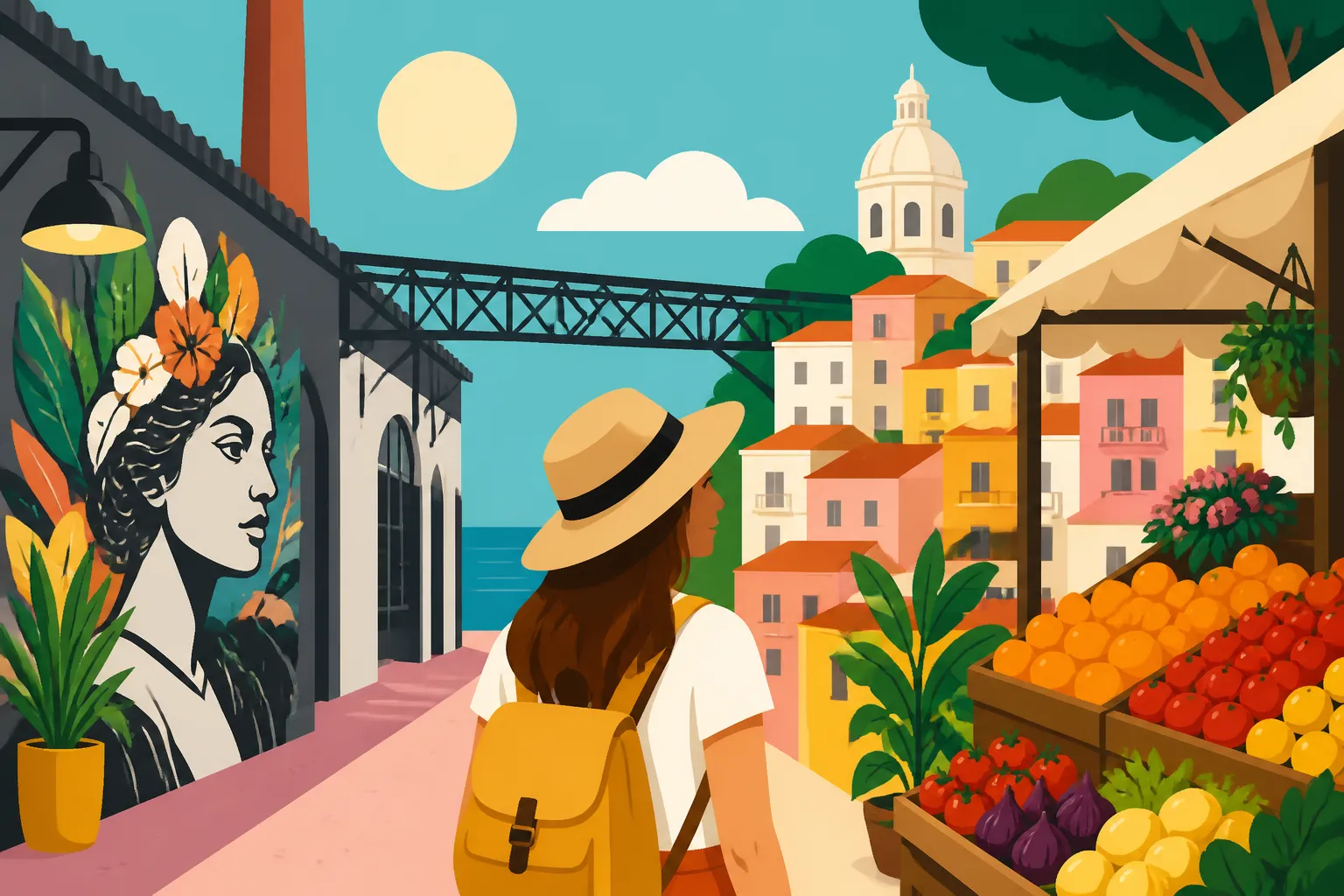
How to Visit the LX Factory and Lisbon’s Markets
Disclosure: This article contains affiliate links. If you buy through them, we may earn a commission at no extra cost to you. Read our full disclosure.
Stepping into Lisbon, you quickly realize it's a city of layers, where ancient traditions blend seamlessly with a vibrant, modern pulse. For many of us expats and even keen tourists, the challenge isn't finding things to do, but rather sifting through the guidebooks to unearth those truly authentic, off-the-beaten-path experiences that reveal the city's true soul. This guide is your personal walkthrough to two of Lisbon's most captivating, yet distinctly different, hubs of local life and creative energy: the dynamic LX Factory and the wonderfully diverse array of Lisbon's markets.
Discovering LX Factory: Lisbon's Creative Industrial Wonderland
Oh, LX Factory. Just hearing the name brings back memories of discovery, of stumbling upon a buzzing mini-city nestled beneath the iconic 25 de Abril Bridge. It's truly a place where Lisbon sheds its old skin and embraces something entirely new, yet deeply rooted in its industrial past. If you're tired of the usual souvenir shops and want to see where Lisbon's creative spirit truly thrives, this is your spot.
The Genesis of LX Factory: From Fabric to Flair
Before it was the trendy cultural hotspot we know today, LX Factory was a sprawling industrial complex, home to one of Lisbon's most important textile factories, Companhia de Fiação e Tecidos Lisbonense, dating back to 1846. Can you imagine the clatter of looms and the smell of cotton that once filled these vast warehouses? For years, this area in Alcântara hummed with the rhythm of manufacturing, playing a crucial role in Lisbon's economy. But like many industrial zones, it eventually fell silent, becoming a forgotten relic under the monumental bridge.
Fast forward to the early 2000s, and a vision emerged to breathe new life into these decaying structures. Instead of demolishing them, developers saw potential in the raw, gritty aesthetic – the exposed brick, the towering iron girders, the soaring ceilings. They recognized that this was the perfect canvas for Lisbon's burgeoning creative class. Slowly but surely, artists, designers, restaurateurs, and entrepreneurs began to move in, drawn by the affordable rent and the unique, bohemian vibe. What transpired was a remarkable transformation from a derelict factory into a dynamic, open-air gallery and marketplace. Today, LX Factory stands as a testament to urban renewal, a place where history meets innovation, and every corner tells a story of reinvention. It's got this incredible, almost Brooklyn-esque, industrial chic aesthetic, adorned with vibrant street art and quirky installations that make it feel like an outdoor museum. It’s gritty, it’s charming, and it’s unapologetically Lisbon.
A Deep Dive into What Awaits You at LX Factory
Once you step through the main archway, prepare to be completely absorbed. LX Factory is a labyrinth of creativity, where every alley and every building houses something unique. It's not just a collection of shops; it's an experience. You'll find a delightful array of independent boutiques showcasing everything from sustainable fashion and handmade jewelry to unique home decor and Portuguese crafts. Forget mass-produced souvenirs; here, you're likely to pick up a truly original piece directly from its maker. Many local designers and artisans have their studios here, and you can often peek into their workspaces, watching them create.
Beyond shopping, LX Factory is a cultural incubator. There are art galleries featuring contemporary Portuguese artists, co-working spaces bustling with digital nomads, and even tattoo parlors if you're feeling adventurous! But for many, the true heart of LX Factory lies in its culinary offerings. From trendy brunch spots serving up avocado toast and artisanal coffee to cozy restaurants dishing out modern interpretations of Portuguese classics, your taste buds are in for a treat. One absolute must-visit is the famous Ler Devagar bookstore, consistently ranked among the most beautiful bookstores in the world. Housed in an old printing press, it's a cathedral of books, with towering shelves and a captivating flying bicycle suspended from the ceiling. Grab a coffee, find a quiet corner, and let yourself get lost among the pages. During weekends, especially Sundays, the place truly comes alive with various markets – from organic produce to vintage clothing and craft fairs – adding an extra layer of buzz and discovery. It's the kind of place where you can easily spend an entire afternoon, just wandering, eating, and soaking in the atmosphere. You might find a vintage scarf, a unique piece of art, or just enjoy a craft beer while listening to live music.
Navigating Your Visit: Logistics and Local Secrets
Getting to LX Factory is relatively straightforward, which is always a relief in a city built on seven hills! It's located in the Alcântara neighborhood, just west of the city center.
- By Tram: The historic Tram 15E is a great option. It runs along the riverside from Praça da Figueira (near Rossio) and passes through Cais do Sodré before reaching Alcântara. Look for the "Calvário" stop, which is right outside LX Factory. This is a wonderfully scenic way to see parts of Lisbon that many tourists miss.
- By Bus: Several bus lines stop near LX Factory, including 712, 713, 714, 720, 727, 728, 732, 738, 742, 751, 756, and 760. Just ask for "Calvário" or "Alcântara."
- By Train: If you're coming from Cascais or Estoril, the Cais do Sodré line stops at "Alcântara-Mar" or "Alcântara-Terra." From there, it's a short walk.
- Taxi/Ride-share: Of course, an Uber or Bolt will get you there directly from anywhere in the city. It’s convenient, especially if you’re tired after a long day of exploring.
- Walking: If you're feeling energetic and staying anywhere near Belém or Alcântara, it's a pleasant walk along the riverfront, offering fantastic views of the Tagus and the bridge. For more general guidance on getting around, check out our guide on Public Transport and Driving in Portugal: Trains, Tolls, and Licenses.
When to visit? Weekdays tend to be calmer, making it ideal for browsing the shops and enjoying a leisurely meal without the crowds. However, the weekends, particularly Sundays, are when LX Factory truly comes alive with various pop-up markets and live music. It’s a completely different vibe, much more bustling and social, but also more crowded. If you want to experience both sides, aim for a late afternoon weekday visit, and then perhaps return for a few hours on a Sunday morning. After your visit, you might consider hopping on a train from Alcântara-Mar towards Cascais to explore more of Lisbon's stunning coastline. If you're planning on staying a few days in Lisbon, you might want to consult our Lisbon Neighborhood Guide: Best Areas for Expats and Digital Nomads to find accommodation that suits your style.
Lisbon's Market Scene: A Feast for the Senses
Beyond the trendy confines of LX Factory, Lisbon boasts a vibrant, multifaceted market scene that offers everything from gourmet meals to antique treasures. These markets are not just places to shop; they're cultural experiences, living breathing reflections of Portuguese daily life and history. For an expat, navigating them is a rite of passage, an opportunity to truly immerse yourself in the local rhythm.
Mercado da Ribeira (Time Out Market): The Polished Palate Pleaser
The Mercado da Ribeira, also famously known as Time Out Market, is probably the most well-known market among visitors, and for good reason. It's a culinary spectacle, a dazzling display of Portugal's gastronomic prowess under one roof. Originally, this was Lisbon's main municipal market, a bustling hub for fresh produce and fish since 1892. While the traditional "wet market" section still operates with its fishmongers and florists, the majority of the expansive building was brilliantly reimagined and reopened in 2014 as the Time Out Market.
This transformation was nothing short of revolutionary. It brought together some of Portugal's most celebrated chefs and restaurateurs, offering their signature dishes in a casual, food-hall setting. You'll find everything from traditional bacalhau à brás (shredded cod with onions, scrambled eggs, and potatoes) to Michelin-starred creations, fresh seafood, succulent leitão (roast suckling pig), and incredible pastries. There are dozens of stalls, each specializing in something different, alongside several bars serving up local wines, craft beers, and cocktails. The atmosphere is undeniably lively, often loud, and almost always packed.
For expats, the Time Out Market is a double-edged sword. On one hand, it's an unparalleled opportunity to sample a huge variety of Portuguese cuisine in one go, making it fantastic for entertaining guests or when you simply can't decide what you're craving. It’s a great place to understand Portuguese Coffee Culture and Restaurant Etiquette: Ordering Like a Local in a less formal setting. On the other hand, it caters heavily to tourists, which means prices are generally higher than what you'd find in a traditional Portuguese restaurant or a local market. The crowds can be overwhelming, especially during peak lunch and dinner hours, and finding a seat can feel like a competitive sport. Still, it's a must-visit at least once for the sheer quality and variety. The traditional market section, which remains vibrant on the western side of the building, is still where locals buy their fresh fish, fruits, and vegetables – a delightful contrast to the gourmet frenzy.
Feira da Ladra: Hunting for Treasures at Lisbon's Flea Market
Now, if you want a taste of old-school Lisbon, head to the Feira da Ladra. This isn't just a market; it's a weekly institution, a vibrant, chaotic, and utterly charming flea market that has been around since the 12th century. The name "Feira da Ladra" literally translates to "Thieves' Market," though its origins are more likely tied to the eclectic mix of second-hand goods that could be "stolen" bargains rather than actual stolen items.
Held every Tuesday and Saturday in Campo de Santa Clara, right behind the beautiful National Pantheon, this market is a treasure hunter's paradise and a hoarder's dream. You'll find an astonishing array of items: antique furniture, vintage clothes, old records, books, coins, ceramics, military memorabilia, and a delightful amount of absolute junk. It’s a place where you might stumble upon a priceless relic or just a quirky souvenir, often for a ridiculously low price. The beauty is in the hunt.
Navigating Feira da Ladra requires patience, a keen eye, and a willingness to haggle. Vendors are often gruff but friendly, and a little Portuguese goes a long way. Don't be afraid to offer a lower price, especially for items without a tag; it's part of the game. For first-timers, it can feel a bit overwhelming, but embrace the chaos. Start early in the morning for the best finds and to avoid the midday sun and crowds. Wear comfortable shoes, keep an eye on your belongings (as with any crowded tourist spot, pickpockets can be an issue, so be aware of Common tourist scams in Lisbon: Pickpockets on Tram 28 and fake hash sellers), and bring plenty of small change. You won’t find a credit card machine here, folks! It's a genuine glimpse into Portuguese life, offering not just goods but stories and characters.
Authentic Local Markets: Where Lisboners Shop
While Time Out Market and Feira da Ladra offer unique experiences, to truly understand Lisbon's daily rhythm and get the best deals on fresh produce, you need to visit the local, traditional food markets. These are where Portuguese families have done their Grocery Shopping in Portugal: Continente, Pingo Doce, Auchan, and Mercados for generations, and they remain vital community hubs.
Take, for example, the Mercado de Campo de Ourique. Tucked away in the charming Campo de Ourique neighborhood, this market offers a blend of tradition and modernity. While it has a smaller gourmet food court section akin to Time Out Market, its core remains a vibrant traditional market with stalls overflowing with fresh fish, meat, vibrant fruits, vegetables, and flowers. The quality is exceptional, and the prices are typically much more local-friendly. You can chat with the vendors, many of whom have been there for decades, and get recommendations on the freshest catches or seasonal produce.
Another fantastic option is Mercado 31 de Janeiro, located near the Saldanha metro station. This is a no-frills, authentic market experience. The ground floor is dedicated to fish – and if you want to see the incredible variety of seafood available in Portugal, this is the place. The upper floor houses butchers, fruit and vegetable stalls, and even a small eatery or two. The smells, the sounds, the sheer abundance – it’s a sensory overload in the best possible way. The vendors here often only speak Portuguese, so it's a perfect opportunity to practice your basic phrases and truly immerse yourself. You’ll leave not only with bags full of fresh ingredients but also with a deeper appreciation for Portuguese culture.
These local markets are where you'll find the freshest ingredients to whip up your own Portuguese feasts at home, often at a fraction of supermarket prices. From ripe, juicy tomatoes to aromatic herbs, exotic fruits, and the catch of the day, the quality and variety are superb. They represent the true culinary heart of Lisbon, a place where food is not just sustenance but a way of life, celebrated and savored.
Insider Tips for an Enjoyable Lisbon Market and LX Factory Adventure
Venturing into Lisbon's dynamic markets and the creative haven of LX Factory is one of the most rewarding experiences you can have as an expat or visitor. But like any adventure in a foreign city, a little preparation and insider knowledge can make all the difference.
Essential Planning and Practicalities
First things first: wear comfortable shoes. You'll be doing a lot of walking, standing, and potentially navigating cobblestone streets at LX Factory and especially at Feira da Ladra. Lisbon is hilly, so practical footwear is a must. Also, consider the weather. Lisbon can get surprisingly warm, even outside of summer, so dress in layers that you can easily add or remove. A small, reusable shopping bag is also a lifesaver, particularly if you plan on picking up groceries at a local market or treasures at the flea market. You’ll thank yourself when you’re not juggling multiple plastic bags.
Before you head out, do a quick check online for opening hours. While LX Factory and Time Out Market generally have consistent hours, local food markets might close earlier or have specific days of operation. Feira da Ladra, for instance, is strictly Tuesday and Saturday. Also, keep an eye out for any special events or pop-up markets. LX Factory frequently hosts themed markets, art exhibitions, or live music performances that can enhance your visit. Sometimes, just checking a local event listing or the GetYourGuide app can reveal specific food tours or cultural experiences that incorporate these locations.
Money Matters and Communication Cues
This is crucial, especially for the more traditional markets. While larger establishments at LX Factory and Time Out Market readily accept card payments, cash is king at Feira da Ladra and many smaller stalls in local food markets. Always carry a good amount of small bills and coins. It makes transactions smoother and is often appreciated by vendors. If you need to withdraw cash, keep an eye out for Multibanco ATMs, which are ubiquitous and generally safer than independent ATMs you might find in heavily touristed areas. Portugal also has a fantastic payment system called MB Way, which allows you to pay directly from your phone. Many small shops and stalls are adopting it, and it can be a great alternative if you’re short on cash, but check out our guide on Using the MB Way app: Why it’s better than carrying cash in Portugal for details on setting it up, as it sometimes requires a Portuguese bank account.
Don't be shy about trying a few basic Portuguese phrases. Even a simple "Olá" (Hello), "Obrigado/a" (Thank you – -o for male, -a for female), and "Quanto custa?" (How much does it cost?) can go a long way in breaking the ice and showing respect. Many vendors, especially in tourist-heavy areas, speak some English, but making the effort in Portuguese is always appreciated. It's part of immersing yourself in the culture and makes the experience far more authentic.
Finally, while Lisbon is generally a safe city, crowded places like markets are often targets for petty theft. Always be mindful of your belongings. Keep wallets in front pockets, secure your bag, and avoid flashing large amounts of cash. This isn't unique to Lisbon, but good practice everywhere.
Getting Around and Beyond Your Destinations
Lisbon's public transport system is excellent and often the most efficient way to get around. Invest in a Viva Viagem card (the rechargeable card used for metro, bus, and tram) and load it with zapping credit, which offers discounted fares. Both LX Factory and Time Out Market are well-connected by public transport. You can also hail a taxi or use ride-sharing apps like Uber and Bolt, which are plentiful and reasonably priced. For more in-depth information on navigating the city, our guide on Using Comboios de Portugal (CP) Trains and the Navegante Pass will be very helpful.
If you’re traveling to Lisbon from another city in Portugal, or planning day trips from Lisbon, services like Omio can be incredibly useful for comparing and booking train or bus tickets, saving you time and hassle. After exploring LX Factory, you might want to venture further west along the Tagus to Belém, with its iconic tower and Jerónimos Monastery. From Feira da Ladra, the Alfama district is just a short walk away, offering a labyrinth of ancient streets and Fado houses. And after indulging at Time Out Market, you’re perfectly situated to explore the Cais do Sodré area with its vibrant nightlife and riverside promenade.
Exploring LX Factory and Lisbon's markets offers an unparalleled glimpse into the city's heart and soul. These places are where history, culture, and daily life converge, promising experiences far richer than any postcard could convey. So, get out there, explore, taste, and connect – that's what living in (or visiting) Portugal is all about!
Disclaimer
The information provided in this guide is for general informational purposes only and is subject to change. While we strive to provide accurate and up-to-date content, administrative processes, market conditions, and local regulations in Portugal can evolve. We recommend verifying specific details, such as opening hours, prices, and transport routes, with official sources or local authorities before making any decisions. This guide does not constitute professional advice, and readers should consult with relevant experts for personalized guidance.