How to Travel Portugal Slowly Over a Month
Disclosure: This article contains affiliate links. If you buy through them, we may earn a commission at no extra cost to you. Read our full disclosure.
Oh, the classic expat lament! How many times have I watched wide-eyed tourists try to "do" Portugal in five days, frantically rushing from Lisbon to Porto and back, only to leave exhausted and feeling like they missed the real essence of the country? Portugal isn't meant to be rushed; it's a place to savour, to let unfold before you like a slow-cooked stew. A month in Portugal isn't just a trip; it's an immersion, a chance to truly live here, even if only for a short while. This guide is all about embracing that unhurried pace, helping you design an itinerary that allows for genuine connection, not just quick snapshots.
Crafting Your Month-Long Itinerary: The Art of Less is More
When you have a whole month to explore Portugal, the biggest mistake you can make is trying to see absolutely everything. Trust me, I've seen it time and again. People pack their schedules so tight they spend more time in transit than actually enjoying the destination. Slow travel, especially for a month-long adventure, is about intentionally choosing fewer places and digging deeper into them. Instead of a frantic whistle-stop tour, you're looking to establish temporary roots, even if just for a week at a time.
Think of Portugal not as a checklist, but as a series of vibrant, interconnected experiences. You could spend a week in Lisbon and its immediate surroundings, another week exploring Porto and the North, then perhaps a generous ten days meandering through the Alentejo or the Algarve, leaving a few days for travel or spontaneous discoveries. This approach allows for true integration, letting you discover those hidden local spots that never make it into the glossy guidebooks.
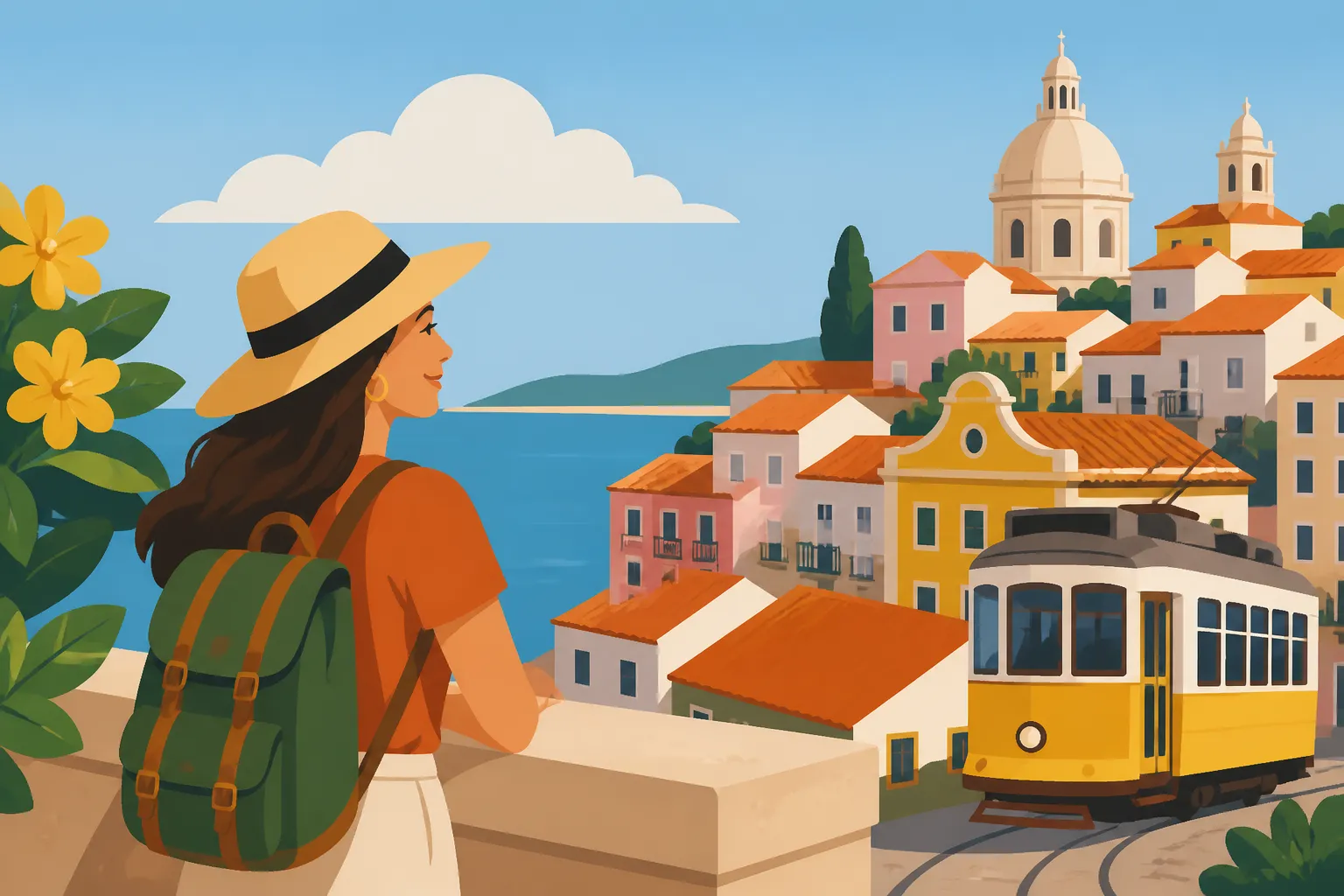
Let's consider the diverse tapestry of regions. Lisbon, our bustling capital, offers an incredible array of history, culture, and fantastic food. But beyond the obvious sights, a week here gives you time to wander the less-trodden alleys of Alfama, catch a tram purely for the scenic ride, or spend an entire afternoon in a tiny tasca just soaking in the local chatter. From Lisbon, you can easily take day trips to Sintra's fairy-tale palaces, the charming seaside town of Cascais, or even the spiritual sanctuary of Fátima. Many expats will tell you that a big part of the magic of Lisbon is just living in it, and a week-long stay lets you do just that.
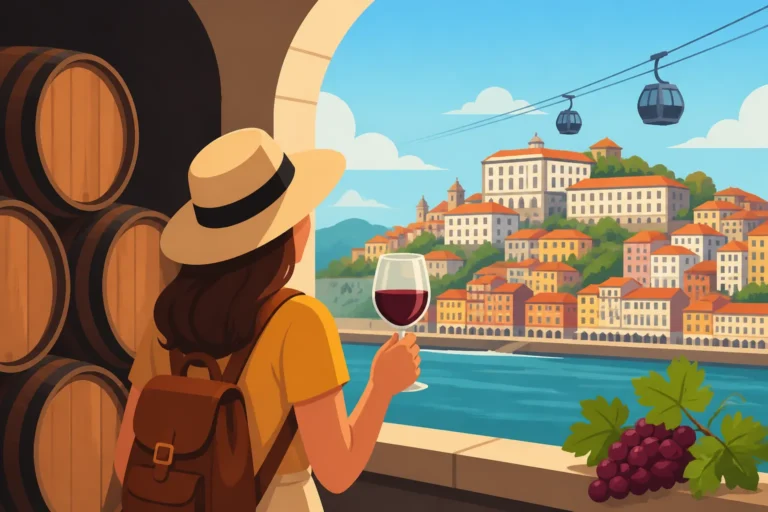
Further north, Porto presents a different charm – grittier, perhaps, but equally captivating with its majestic Douro River, historic Ribeira district, and world-renowned port wine cellars. Instead of a quick photo op at the Luís I Bridge, imagine spending a few days exploring the burgeoning art scene, discovering independent bookstores, and really getting to know the distinct Northern Portuguese cuisine. From Porto, you're perfectly positioned to explore the Douro Valley with its stunning vineyards, or delve into the historical cities of Braga and Guimarães. If you're pondering Where to Live in Portugal: Lisbon, Porto, Algarve, and Silver Coast Compared, you'll see how each region truly offers a unique flavour, and a month allows you to sample a few without feeling rushed.
Then there's the sun-drenched south, the Algarve, often typecast as purely a beach destination. While its golden beaches and dramatic cliffs are undeniably glorious, a slower pace reveals charming fishing villages, bustling markets, and a slower way of life away from the resort towns. Or consider the vast, sun-baked plains of the Alentejo, a region known for its medieval towns, cork oak forests, and incredible food and wine. Here, time seems to stretch, inviting you to linger over long lunches and stare at star-filled skies. And let's not forget the more serene Silver Coast (Costa de Prata): Affordable Expat Living Outside the Cities, offering a beautiful blend of coastline and traditional villages, perfect for a slower pace of life.
Sample Itinerary Breakdown for a Month of Slow Travel
To give you a clearer picture, here’s a hypothetical but highly recommended way to structure your month. Remember, this is just a starting point, and the beauty of slow travel is that it allows for flexibility and spontaneity.
| Region | Recommended Stay Duration | Focus | Key Experiences |
|---|---|---|---|
| Lisbon & Central | 7-10 days | Urban exploration, history, culture, day trips | Wander Alfama, discover Bairro Alto nightlife, visit Belém Tower & Jerónimos Monastery, day trip to Sintra/Cascais, explore LX Factory. |
| Porto & North | 7-10 days | Riverside charm, wine culture, gastronomy, historical cities | Explore Ribeira, port wine tastings in Gaia, admire Livraria Lello, day trip to Douro Valley, visit Braga/Guimarães. |
| Alentejo or Silver Coast | 7-10 days | Rural tranquility, authentic Portuguese life, nature | Enjoy Evora's Roman Temple, explore medieval castles, sample regional wines/food, relax on quiet beaches, discover traditional villages. |
| Algarve | 5-7 days | Coastal beauty, beaches, water activities, charming towns | Explore Lagos caves, relax on Praia da Marinha, visit Faro Old Town, discover Sagres' dramatic cliffs, enjoy fresh seafood. |
This breakdown still involves moving around a bit, but each segment gives you enough time to unpack, settle in, and truly get a feel for the place before heading to your next temporary home. It prevents that constant feeling of rushing and ensures you're not just skimming the surface.
Getting Around and Settling In: The Practicalities of Leisurely Exploration
Now that you've got a sense of where you might go, let's talk about the how. When you're traveling slowly for a month, your approach to transport and accommodation needs to shift from a typical two-week vacation. This isn't about jumping on the cheapest flight or staying in a different hotel every other night. It's about comfort, immersion, and enjoying the journey.
For intercity travel, Portugal's public transport system is remarkably efficient and pleasant. Forget internal flights unless you're trying to save a day getting to Madeira or the Azores. The trains, especially between major cities like Lisbon and Porto, are excellent. You can book tickets easily through platforms like Omio, which allows you to compare train and bus options. Taking the train isn't just about getting from A to B; it's a chance to watch the landscape unfurl, from the green fields of the north to the more arid plains further south. It’s a moment to relax, read, and truly appreciate the journey. For shorter distances or exploring more rural areas, long-distance buses (like Rede Expressos or FlixBus) are widely available and comfortable. Our guide on Public Transport and Driving in Portugal: Trains, Tolls, and Licenses has all the detailed info you could ever need.
When it comes to where you'll lay your head, for a month-long stay, hotels become less practical and often more expensive. This is where embracing apartment rentals truly shines. Platforms like Booking.com offer a plethora of options, from cozy studios to spacious multi-bedroom apartments, often with discounts for longer stays. Imagine having your own kitchen, doing your laundry, and living like a local. It’s a game-changer for slow travel. You get to wake up, grab a coffee from the local pastelaria, and truly feel like you belong. Look for apartments that offer flexible check-in and check-out times, and don't be afraid to reach out to hosts directly to discuss your month-long plans; you might even negotiate a better rate. Navigating rental agreements can be tricky, so make sure to read up on Renting an Apartment in Portugal: Contracts, Fees, and Tenant Rights to understand the nuances of Portuguese leases, even for short-term stays.
Once you’re settled into your temporary home, the rhythm of daily life becomes your guide. Head to the local supermarket – Continente, Pingo Doce, or Auchan are staples – and stock your fridge with fresh produce, local cheeses, and delicious bread. This is where you really start saving money compared to constantly eating out, and it’s a wonderful way to discover local ingredients. Engaging with local shopkeepers, even with a few basic Portuguese phrases, can be incredibly rewarding. Our Daily Life in Portugal: Supermarkets, Language, and Cultural Etiquette guide is full of tips for these everyday interactions.
Embracing the Rhythm: Beyond the Tourist Checklists
This is the heart of slow travel in Portugal: moving beyond the "must-see, must-do" lists and truly allowing yourself to be present. It's about savoring the small moments, the unexpected encounters, and letting Portugal work its magic on you. Forget about hitting every museum or monument. Instead, dedicate entire afternoons to just being.
What does that look like? It means spending a couple of hours nursing a galão (a milky coffee) at a cafe terrace, simply watching the world go by. It means getting lost in a labyrinthine old town, deliberately taking wrong turns just to see what you discover. It means allowing yourself the luxury of a long, unhurried meal, indulging in multiple courses and enjoying the conversation. This isn't just relaxing; it's an active form of engagement, where you're observing, absorbing, and participating in the local pace of life.
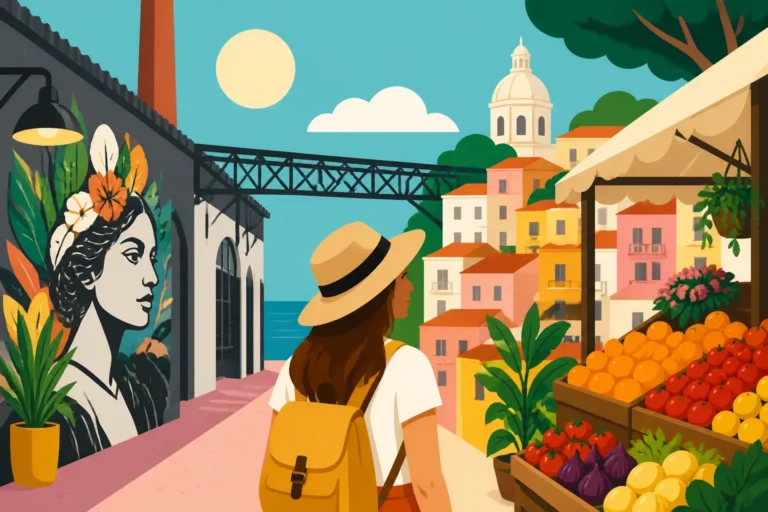
Engaging with local culture can also be incredibly enriching. Look for local markets – mercados – where you can not only buy fresh produce but also witness the lively banter and genuine interactions that define Portuguese community life. Perhaps sign up for a Portuguese cooking class, learning to make traditional dishes like bacalhau à brás or pastéis de nata. Sites like GetYourGuide offer a range of unique local experiences, from guided walking tours that delve into specific historical periods to fado show with dinner, giving you structured ways to explore culture at a relaxed pace.
Don't underestimate the power of language, even a little bit. Learning a few basic phrases—"Bom dia" (good morning), "Obrigado/a" (thank you), "Por favor" (please), "Desculpe" (excuse me)—can open doors and genuinely enhance your interactions. Portuguese people are incredibly appreciative when foreigners make an effort, and these small gestures can lead to unexpected conversations and genuine connections. Our guide on Learning European Portuguese: Top Apps, Tutors, and Free Government Classes can give you a head start.
Portuguese coffee culture, for instance, is a world unto itself. It's not just about the coffee; it's about the ritual, the brief escape, the social connection. Instead of grabbing a coffee to go, sit down, order your bica (espresso), and take a moment. Learn the different types of coffee and how to order them correctly. Our deep dive into Portuguese Coffee Culture and Restaurant Etiquette: Ordering Like a Local will prepare you perfectly. The same goes for meal times – dinners often start later, and they are social events meant to be lingered over, not rushed.
Making Your Month Sustainable: Budgeting and Logistics for Long-Term Stays
A month-long trip might sound expensive, but paradoxically, slow travel can often be more cost-effective per day than a whirlwind week-long vacation. When you're not constantly paying for flights, new hotels, and tourist traps, your daily expenses can actually decrease significantly.
Budgeting for a month in Portugal involves a few key considerations. Accommodation will likely be your biggest expense, but as we discussed, apartment rentals for longer durations often come with better rates than nightly hotel stays. For food, embrace cooking some of your meals and exploring local tascas and prato do dia (dish of the day) specials for incredible value. Public transport is generally affordable, especially with monthly passes if you stay in one city for a longer period. Our comprehensive Cost of Living in Portugal 2026: Detailed Budgets for Singles and Families provides a realistic breakdown of expenses to help you plan.
When it comes to managing your money, having a multi-currency account with services like Wise or Revolut can be invaluable. These allow you to convert your home currency to Euros at competitive rates, use a debit card without excessive foreign transaction fees, and easily transfer money. While credit cards are accepted in many places, Portugal is still largely a debit card (Multibanco) and cash society, especially in smaller establishments. You’ll find that using an ATM or paying with your debit card (or MB Way via a Portuguese bank account) is often the preferred method. Learn more about Transferring Money to Portugal: Saving on Exchange Rates and Fees before you arrive.
Staying connected for a month is also crucial. Upon arrival, grab a local SIM card from one of the major providers like Vodafone, MEO, or NOS. They offer various prepaid plans with ample data that are far more cost-effective than relying on international roaming. Many expat bloggers, myself included, will recommend getting a local number as soon as you can. If your phone supports it, an eSIM from providers like Airalo can also be a convenient option. Dive into Home Internet and Mobile Plans: Vodafone, MEO, and NOS Compared to pick the best option for your needs.
Finally, while we hope your month is completely smooth, it's always wise to be prepared for any health hiccups. For a month-long stay, ensure you have robust travel insurance. While public healthcare in Portugal is generally excellent, navigating it without an SNS number can be tricky. For minor ailments, local pharmacies (identifiable by their green cross) are often your first port of call, with pharmacists able to offer advice and some over-the-counter medications. In case of an emergency, remember that 112 is the number to call. Having a basic understanding of Emergency Medical Care in Portugal: Calling 112 and Going to the Hospital and knowing how to find an Finding an English-Speaking General Practitioner (Médico de Família) can provide peace of mind.
Traveling Portugal slowly over a month isn't just a vacation; it's an education, a rejuvenation, and an unforgettable journey into the heart of a truly special country. Let go of the rush, embrace the pause, and let Portugal truly move you.
Disclaimer
The information provided in this guide is for general informational purposes only and does not constitute legal, financial, or medical advice. While we strive to keep the information accurate and up-to-date, rules and regulations in Portugal, especially those concerning immigration, taxes, and healthcare, can change rapidly. Always consult with qualified professionals for advice tailored to your specific situation. We are not responsible for any actions taken based on the information presented herein.