Staying Safe in Portugal: Common-Sense Tips for Travelers
Disclosure: This article contains affiliate links. If you buy through them, we may earn a commission at no extra cost to you. Read our full disclosure.
One of the biggest worries many people have when they first arrive in a new country, especially Portugal with its charming but sometimes bustling cities, is whether they'll be truly safe. While Portugal is generally considered a very safe destination, specific nuisances and local quirks can catch new arrivals off guard. This guide will walk you through common-sense tips, demystify emergency services, and arm you with the knowledge to navigate Portugal securely and confidently.
Understanding General Safety in Portugal
Portugal often ranks among the safest countries in the world, and for good reason. Violent crime is genuinely rare, particularly against tourists and expats. However, "safe" doesn't mean "risk-free," and it certainly doesn't mean you can leave your wallet unattended on a cafe table in Lisbon's Baixa district. The challenges you'll face are usually minor, but they can still ruin a day if you're not prepared.
It’s about understanding the types of risks you might encounter, rather than fearing for your personal safety in a broader sense. Most of the safety advice here boils down to good old-fashioned common sense, but with a Portuguese twist. Knowing what to watch out for means you can relax and truly enjoy the beauty and warmth of this incredible country without unnecessary stress.
Low Crime, High Vigilance: Petty Theft and Pickpocketing
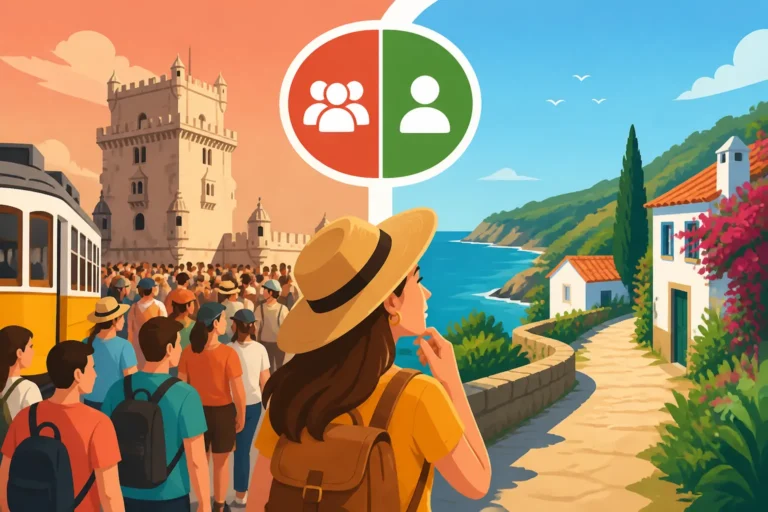
While serious crime is infrequent, petty theft, particularly pickpocketing, is an unfortunate reality in Portugal's busiest tourist areas. Lisbon and Porto, especially around major attractions, crowded public transport, and popular nightlife spots, are prime targets. These aren't usually violent encounters; instead, they rely on distraction and sleight of hand. You might not even realize something's missing until hours later, which can be incredibly frustrating.
Imagine you're admiring the view from Miradouro de Santa Luzia, captivated by the Tagus River, or squeezed onto the iconic Tram 28 rattling through Alfama. These are precisely the moments when skilled pickpockets operate. They work in teams, often using a distraction technique – perhaps someone bumping into you, or asking for directions – while another member relieves you of your phone or wallet. It’s not about being paranoid, but about being aware of your surroundings, especially when you're caught up in the magic of the moment.
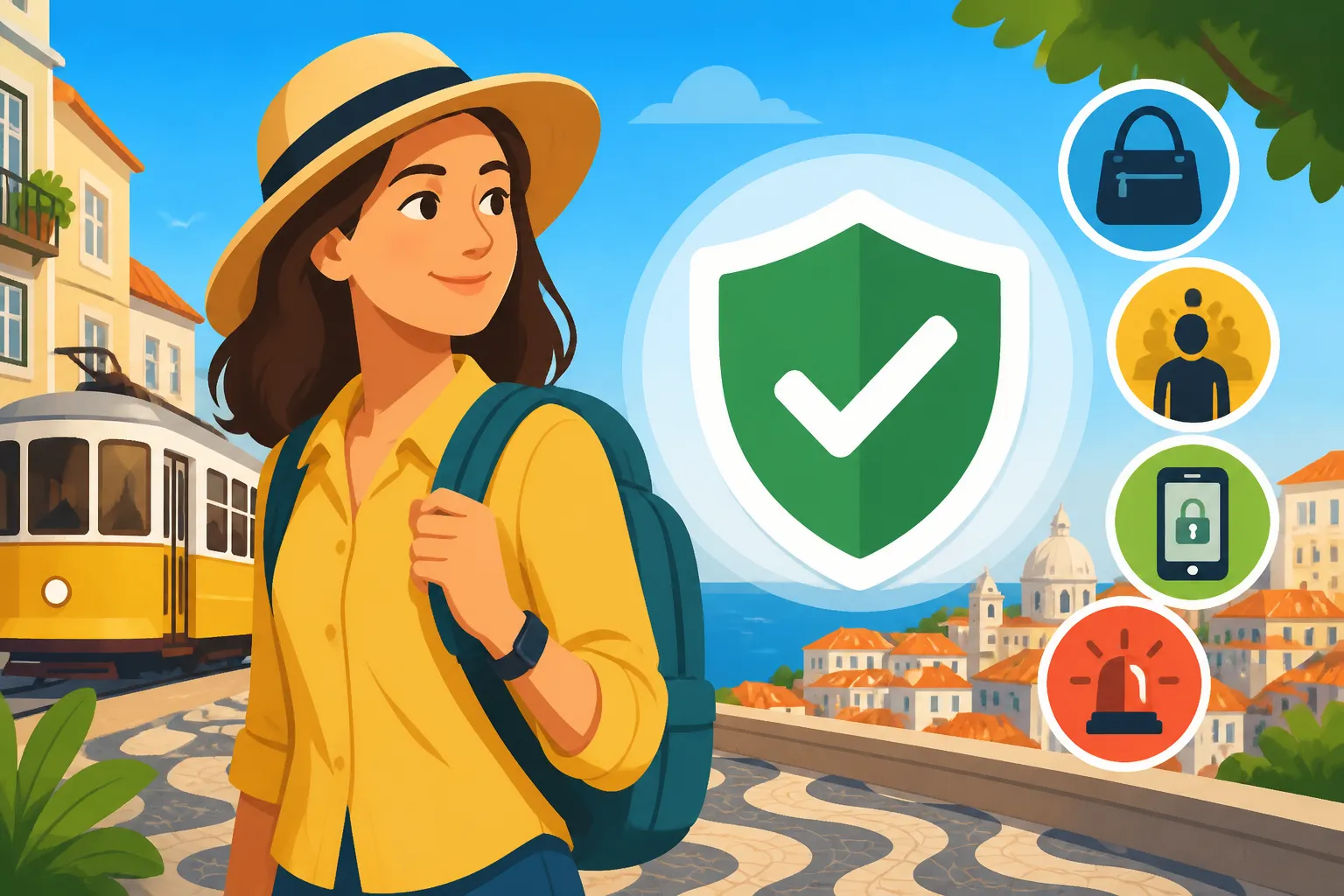
To combat this, adopt a few simple habits. Keep your wallet in a front pocket, or better yet, use a money belt or a cross-body bag worn in front of you with a secure zipper. Avoid carrying large sums of cash, and only take out the cards you need for the day. If you use a backpack, consider wearing it on your front in very crowded areas. These small adjustments can make a huge difference in deterring opportunistic thieves who are looking for the easiest target. Remember, the goal isn't to look like a tourist (most of us do!), but to look like a prepared tourist.
Navigating Crowds and Public Transport Safely
Public transport in Portugal, especially in cities like Lisbon and Porto, is generally efficient and widely used by locals and tourists alike. However, just like any major city, crowded buses, metro lines, and trams can be hotspots for petty crime. The tight spaces and frequent stops create ideal conditions for pickpockets who can easily slip away into the crowd after taking your belongings.
Take the metro during rush hour, for instance. It's packed, everyone is jostling, and it’s easy for someone to bump into you and discreetly unzipper your bag without you noticing. Similarly, on popular routes like the Tram 28 in Lisbon, which is often standing-room only, tourists are literally a captive audience. Keeping your wits about you, being mindful of your bag, and having your phone secured (not just loosely in your back pocket) can save you a lot of grief.
Beyond petty crime, general awareness on public transport also extends to personal space and belongings. Avoid placing bags on empty seats next to you if the transport is busy; keep them on your lap or between your feet where they are always in your sight. When waiting at a station, don't stand too close to the edge of the platform. While rare, incidents can occur, and it's always best to maintain a safe distance. Apps like Omio can help you plan your journeys and potentially avoid the busiest times, giving you more peace of mind.
Emergency Situations and Medical Assistance
Even in the safest of countries, emergencies can happen. Whether it's a sudden illness, an accident, or an unexpected safety concern, knowing who to call and what to do can make all the difference. Portugal has a well-established emergency response system, and while it might operate differently than what you're used to, it's designed to help. The language barrier can be a source of anxiety, but it shouldn't deter you from seeking help.
The key is not to panic and to have the essential information at hand. This includes knowing your location, a basic understanding of what's happening, and, if possible, someone who can help translate. Most major tourist areas will have staff who can assist, but knowing the basics yourself is empowering.
The 112 Emergency Number: What to Expect
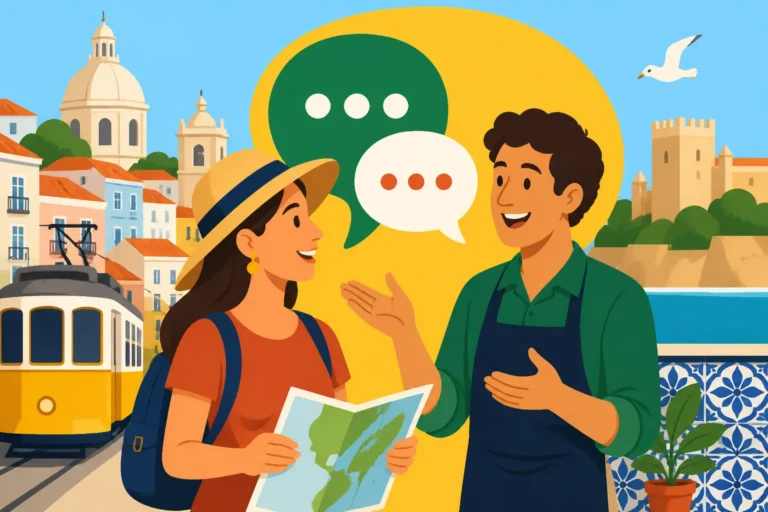
The universal emergency number in Portugal, just like across the EU, is 112. This single number connects you to all emergency services: police (Polícia), fire brigade (Bombeiros), and medical emergencies (Emergência Médica). When you call, an operator will typically answer in Portuguese. However, in major tourist regions and cities, many operators will also speak English, or they will quickly transfer you to someone who does. Don't let the potential language barrier stop you from calling if you truly need help.
When you call 112, try to stay calm and clearly state your location (street address, landmarks, or GPS coordinates if possible) and the nature of the emergency. They'll ask for your name and contact number. Be prepared to answer questions about what happened, how many people are involved, and if anyone is injured. The more precise information you can provide, the faster and more effective the response will be. Remember, this isn't a conversational chat; it's about getting critical information quickly. If you're struggling with Portuguese, simply start with "English, please" (Inglês, por favor) and they will do their best to assist. For minor health concerns that aren't life-threatening, the SNS 24 Helpline (808 24 24 24) is another excellent resource for medical advice and triage, often with English-speaking staff.
Accessing Medical Care as a Visitor
If you find yourself needing medical attention while in Portugal, you have a few options depending on the severity and your insurance situation. For serious emergencies, dial 112 immediately. You'll be directed to a public hospital's emergency room (Urgências). For less urgent issues, you can visit a Centro de Saúde (public health center) during working hours or a private clinic or hospital. If you're an EU citizen, your European Health Insurance Card (EHIC) will cover you for necessary medical treatment in the public system, essentially putting you on the same footing as a Portuguese citizen, meaning you'll pay the same 'taxas moderadoras' (co-payments).
For non-EU citizens, travel insurance or private health insurance is absolutely essential. While public emergency services won't turn you away in a true emergency, you will be expected to pay for services received, and costs can accumulate quickly. Having robust travel insurance is a non-negotiable part of your travel plan. Many international private health insurance providers like Cigna Global offer excellent coverage for expats and long-term visitors, but for shorter tourist stays, make sure your travel insurance explicitly covers medical emergencies and, ideally, repatriation. Always keep your insurance details readily accessible.
If you need a doctor for a non-emergency, like a sudden fever or a sprained ankle, a private clinic is often the quickest route. Major private hospital groups like Hospital da Luz or CUF are known for having English-speaking staff and shorter wait times, although consultations will naturally be more expensive without insurance. Pharmacies (Farmácias) are also incredibly helpful for minor ailments; Portuguese pharmacists are highly trained and can offer advice and over-the-counter remedies for many common issues, and often speak English quite well. You can even get certain mild antibiotics or prescription refills for specific conditions with a consultation on site.
Avoiding Common Tourist Scams and Annoyances
Portugal, like any popular tourist destination, has its share of opportunists looking to take advantage of unsuspecting visitors. These aren't usually threatening situations, but they can be frustrating, costly, and leave you feeling foolish. Being aware of the most common schemes can help you stay one step ahead and ensure your trip remains positive. Remember, if something feels too good to be true, it probably is.
A good rule of thumb is to always politely decline unsolicited offers or attention, especially in very crowded tourist areas. Most genuine interactions in Portugal start more subtly. While the vast majority of Portuguese people are incredibly kind and welcoming, a small minority target tourists specifically.
Spotting Common Scams: From "Hashish" to "Lost Wallet"
One of the most persistent and visible scams, especially in Lisbon, involves individuals (often men) quietly approaching tourists in busy squares like Rossio or Praça do Comércio, or in the Bairro Alto and Cais do Sodré at night, whispering "hashish" or "coke." These individuals are usually selling fake drugs or low-quality substances. Engaging with them is risky for multiple reasons: you might be ripped off, the "drugs" could be dangerous, or you could attract unwanted attention from plainclothes police. The best advice is to ignore them completely and walk away. Don't make eye contact, don't engage in conversation. They are harmless if you don't engage.
Another classic is the "lost wallet" or "petition" scam. Someone will approach you, often with a sad story about losing their wallet or needing help for a charity, asking you to sign a petition or contribute money. While you're distracted and focused on their story, an accomplice pickpockets you. Again, a polite but firm "no, obrigado/a" (no, thank you) and walking away is your best defense. Be wary of anyone creating a sudden distraction, such as bumping into you or spilling something on you. This is often a coordinated effort to pickpocket you while you're flustered. Keep an eye on your bags and pockets, especially after such an incident.
Protecting Your Valuables and Personal Information
Beyond the direct scams, proactive measures to protect your valuables are crucial. Never leave your phone or wallet unattended on a table, even if you’re just turning your head for a second. In crowded markets or cafes, keep bags on your lap or between your feet, never dangling from a chair where they can be easily snatched. When using an ATM, be aware of your surroundings, cover the keypad as you enter your PIN, and check for any suspicious devices attached to the machine. The Multibanco network is generally secure, but vigilance is always wise.
Carrying copies of important documents – passport, visa, insurance – separately from the originals is a smart move. Store the originals securely in your accommodation, and only carry photocopies or digital versions on your phone. If your phone is stolen, having your information backed up or accessible elsewhere is vital. Consider using secure password managers and two-factor authentication for all your online accounts. When booking accommodation, stick to reputable sites like Booking.com, and for tours and experiences, platforms like GetYourGuide often work with vetted local operators, adding an extra layer of security and accountability.
Practical Safety Tips for Exploring Portugal
Portugal offers an incredible variety of landscapes and experiences, from bustling city centers to serene beaches and rugged natural parks. Each environment comes with its own set of safety considerations. Being prepared for different situations, whether you’re driving along the coast or hiking in the mountains, will enhance your enjoyment and keep you safe.
General situational awareness is your best friend. Look up from your phone occasionally, observe what’s happening around you, and trust your gut feeling. If a street feels too quiet or an area seems off, it’s usually best to turn back and find an alternative route.
Road Safety and Driving Precautions
If you plan to drive in Portugal, be prepared for a different driving culture than you might be used to. Roads are generally well-maintained, especially the main motorways (autoestradas), but city driving can be challenging with narrow streets, aggressive parking, and sometimes unpredictable maneuvers from other drivers. Roundabouts are everywhere, and understanding how to navigate them correctly is key. Portuguese drivers can be impatient, so defensive driving is highly recommended.
Speed limits are strictly enforced, especially with automated cameras (radars). Pay attention to signs for speed limits and tolls. Portugal has an extensive electronic toll system (SCUTs), and if you're renting a car, ensure you have a Via Verde transponder or understand how to pay tolls to avoid hefty fines. It's also important to remember that Portugal has a zero-tolerance policy for driving under the influence of alcohol. Never drink and drive, as penalties are severe. Always ensure your rental car is in good condition, and that you have valid insurance and your Driving in Portugal: Exchanging Your Foreign License to a Portuguese One documentation.
Beach, Water, and Nature Safety
Portugal boasts stunning coastlines, and beach safety is paramount. Always swim at beaches with lifeguards (nadadores salvadores) and pay attention to the flag system: green for safe, yellow for caution (swim with care), and red for no swimming. The Atlantic coast can have strong currents and powerful waves, so never underestimate the ocean. If you’re not a strong swimmer, stick to calmer waters or monitored areas. It's also wise to check the tides, as some coves can become cut off at high tide.
When exploring natural parks or going hiking, especially in more remote areas like the Serra da Estrela or the Algarve's coastal trails, inform someone of your plans and expected return time. Carry plenty of water, sunscreen, a fully charged phone, and wear appropriate footwear. The climate can change rapidly, and even a sunny day can turn chilly or windy, especially at higher altitudes. In the summer, be acutely aware of wildfire risks, particularly in forested areas. Never discard cigarette butts carelessly, and adhere to any fire warnings or restrictions. For any outdoor emergencies, 112 is the number to call.
Cultural Awareness and Personal Boundaries
Beyond the overt safety concerns, sometimes the biggest "danger" for expats and tourists in Portugal can be misunderstandings arising from cultural differences. Portugal is a wonderfully traditional country with strong social norms, and while locals are generally very forgiving of foreigners, a little effort to understand and respect their customs goes a long way. It helps prevent awkward situations and fosters more positive interactions.
This is less about physical safety and more about social and emotional well-being. Feeling comfortable and respected in your new environment is a huge part of being "safe" in a holistic sense. Embracing the local way of life, even in small ways, can prevent unnecessary friction.
Respecting Local Customs and Avoiding Misunderstandings
Portuguese culture is generally conservative, polite, and values personal relationships. While greetings are warm (often two kisses on the cheek between women, or a handshake between men and women), they are usually initiated by the Portuguese person. Loud behavior, excessive public displays of affection, or overt drunkenness, especially outside of designated nightlife areas, can be seen as disrespectful. When entering shops or cafes, a polite "bom dia" (good morning), "boa tarde" (good afternoon), or "boa noite" (good evening) is always appreciated. Similarly, "obrigado" (thank you, if you're male) or "obrigada" (if you're female) goes a long way.
Meal times are a communal affair, often leisurely. Don't expect speedy service in restaurants; it's considered rude to rush. Tipping culture in Portugal is more modest than in some other countries; rounding up the bill or leaving a few euros for good service is common, but 10% isn't strictly expected unless the service was exceptional. Understand that conversations can be quite direct, but rarely with malice. If you're unsure about something, it's always better to ask politely than to assume or offend. Small gestures of respect, like learning a few phrases of Portuguese, will open doors and hearts.
Solo Travel and Female Safety Considerations
Portugal is widely regarded as a safe destination for solo travelers, including women. However, common sense and a heightened sense of awareness are always advisable, especially when exploring alone at night. In well-lit, populated areas of major cities, you'll generally feel quite safe. That said, certain areas, especially very quiet or poorly lit streets in less touristy neighborhoods, might feel less comfortable after dark. It's always best to stick to main thoroughfares and, if possible, take a Bolt or Uber back to your accommodation if you're out late.
When heading out, inform someone of your plans, and share your live location with a trusted contact if you feel the need. Avoid walking alone down deserted streets, especially late at night. Trust your intuition; if a situation or a person makes you feel uneasy, remove yourself from it. While catcalling or unwanted attention is rare and not aggressive in Portugal, it can happen, particularly in areas frequented by nightlife. A firm "Não, obrigado/a" (No, thank you) and walking away confidently is usually enough. Portugal, on the whole, offers a wonderfully welcoming environment for solo adventurers, but being smart and prepared makes the experience even better.
Disclaimer
The information provided in this guide is for general informational purposes only and does not constitute professional advice. While every effort has been made to ensure accuracy and provide up-to-date information regarding safety in Portugal for travelers and expats, situations can change rapidly. Always consult official government resources, local authorities, and professional advisors for specific, personalized guidance. The author and publisher assume no responsibility for any loss, injury, or inconvenience sustained by any person using this information.