What National Parks Are Easy to Visit in Portugal?
Disclosure: This article contains affiliate links. If you buy through them, we may earn a commission at no extra cost to you. Read our full disclosure.
As expats, we often arrive in Portugal dreaming of pristine beaches and charming cityscapes, but soon the allure of its wild, natural beauty calls to us. While the idea of exploring national parks sounds incredible, the reality of navigating vast, sometimes remote landscapes can feel overwhelming, especially if you don't have a car or speak fluent Portuguese. This guide is here to cut through the confusion and highlight the truly easy-to-visit national and natural parks across Portugal, so you can reconnect with nature without the headache.
Deconstructing Portugal's Protected Natural Areas
When you start looking into Portugal's natural landscapes, you'll quickly realize that the terminology can be a bit confusing. Unlike many other countries that boast numerous "National Parks," Portugal actually has only one official Parque Nacional. The rest, though equally stunning and protected, fall under different classifications like Parques Naturais (Natural Parks) or Reservas Naturais (Natural Reserves). Understanding this distinction is key to managing your expectations and planning your adventures, especially when "easy to visit" is your main goal.
The Singular National Park: Peneda-Gerês
Let's start with the big one: the Peneda-Gerês National Park (Parque Nacional da Peneda-Gerês). This is Portugal's only designated national park, a UNESCO Biosphere Reserve, and an absolutely breathtaking expanse of mountains, forests, rivers, and traditional villages nestled in the far north of the country, bordering Spain. It's truly wild, rugged, and magnificent. You'll find ancient Roman roads, waterfalls, and even wild garranos (small horses).
However, its very wildness and size—it spans several municipalities—mean that calling it "easy to visit" without proper planning or a car is a stretch for most expats. Getting deep into Gerês requires a vehicle, comfortable shoes, and often a good map or GPS, as cellular service can be spotty. While specific entry points like Lindoso or Soajo are accessible, exploring the true heart of the park isn't a casual day trip via public transport for most people. It's a journey best reserved for those with a strong sense of adventure and a bit more logistical preparation.
The Accessible Gems: Portugal's Natural Parks
This is where the magic happens for those seeking easier access to nature. Portugal boasts a rich network of Parques Naturais and other protected areas that are generally smaller, often closer to major cities or tourist hubs, and much more manageable for a day trip or a weekend getaway. These natural parks offer incredible biodiversity, stunning scenery, and well-maintained trails, often with better infrastructure and public transport options than their national park counterpart. They are, without a doubt, the answer to "easy to visit."
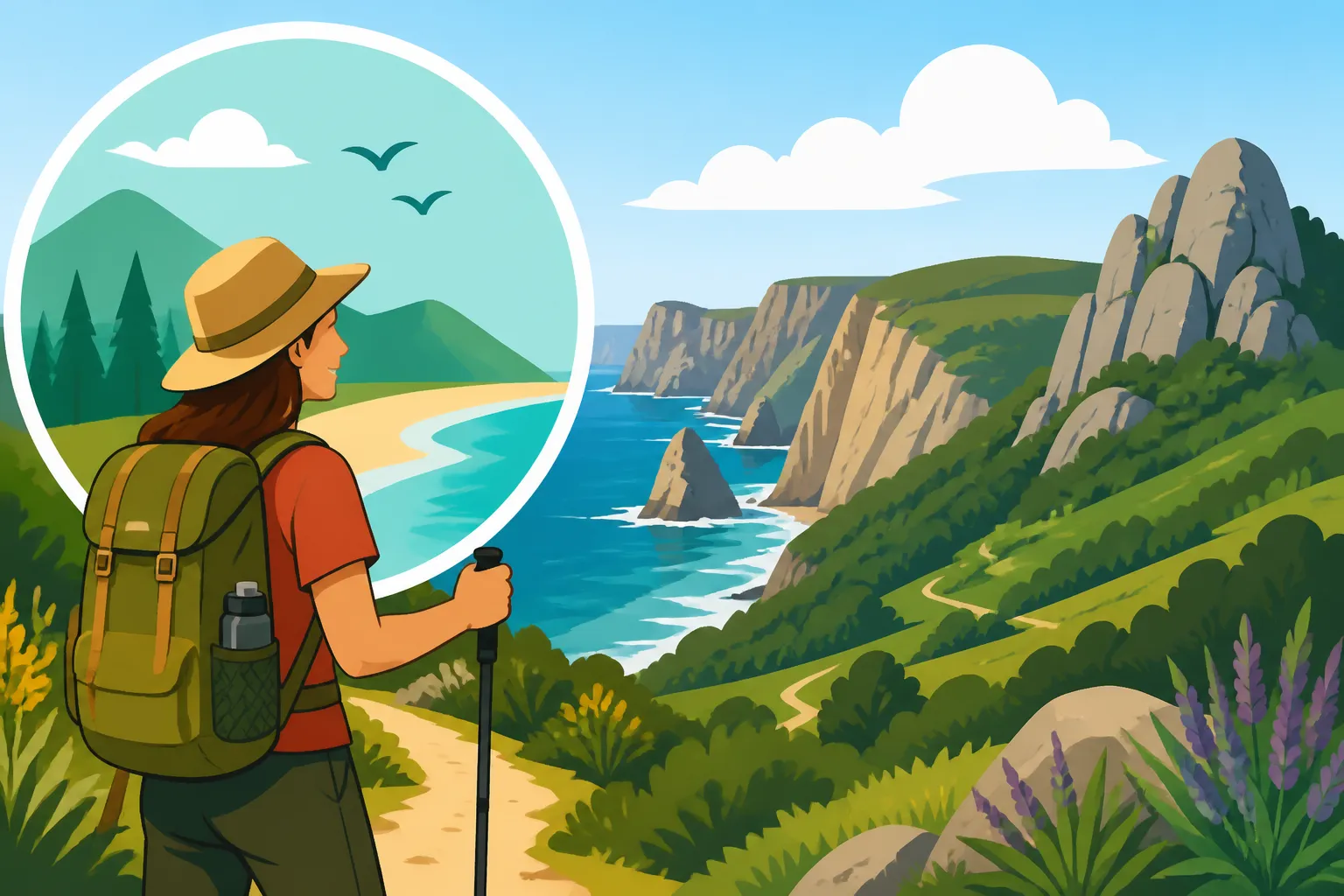
These parks are diverse, ranging from coastal stretches with dramatic cliffs and golden beaches to serene estuaries teeming with birdlife, and rolling hills with cork oak forests. Many have visitor centers, marked hiking paths, and opportunities for various outdoor activities. They truly allow you to immerse yourself in Portugal's natural beauty without feeling like you're embarking on a full-blown expedition.
Top Picks for Easily Accessible Natural Parks
Now that we understand the difference, let's dive into the natural parks that truly shine for their accessibility and beauty. These are the places where you can reasonably get to, explore, and enjoy without needing to charter a private helicopter or have a degree in Portuguese geography.
Parque Natural da Arrábida: Lisbon's Coastal Escape
Just a short drive or bus ride south of Lisbon, the Parque Natural da Arrábida is a spectacular coastal mountain range that plunges directly into the Atlantic. This park is a true marvel, boasting crystal-clear turquoise waters, pristine white-sand beaches like Portinho da Arrábida and Praia da Figueirinha, and lush green hills covered in Mediterranean vegetation. It’s a stark contrast to the city bustle and feels a world away.
Getting there is surprisingly straightforward. If you have a car, it's about a 40-minute to an hour's drive from Lisbon. You can easily spend a day driving the scenic roads, stopping at viewpoints, and relaxing on one of the many coves. For those relying on public transport, buses run from Lisbon (e.g., from Praça de Espanha) to Setúbal, from where local buses can take you to some of the main beaches and attractions within the park. While having a car offers the most freedom, a bus trip combined with a short taxi or ride-share can still get you to key spots for a fantastic day out. It's an ideal choice for a quick, impactful nature fix.
Parque Natural do Litoral Norte: A Breath of Fresh Air Near Porto
If you're based in the North, particularly around Porto, the Parque Natural do Litoral Norte offers a different kind of coastal beauty. Stretching along the coastline from the mouth of the Neiva River to Apúlia, this park is known for its extensive sandy beaches, dramatic dunes, and significant bird populations. It's a flatter, wilder coastal landscape compared to Arrábida, perfect for long walks, cycling, and birdwatching.
Many parts of this park are incredibly easy to access. Towns like Esposende and Viana do Castelo, which are either within or very close to the park, are well-connected by train and bus from Porto. Once there, you can rent a bicycle, walk along the ecovia (coastal pathways), or simply find a quiet spot on the beach. It’s far less mountainous and more forgiving for those looking for gentle exploration. The blend of sea, river, and agricultural landscapes creates a unique and calming environment, proving that you don't need a rugged mountain to experience authentic Portuguese nature.
Parque Natural da Ria Formosa: Algarve's Lagoon Wonderland
Heading south to the Algarve, the Parque Natural da Ria Formosa is an absolute must-visit and undeniably one of Portugal's most accessible natural treasures. This stunning coastal lagoon system is protected by a string of barrier islands and peninsulas, creating a unique habitat for migratory birds, chameleons, and diverse marine life. It's a Ramsar site of international importance and a birdwatcher's paradise.
The beauty of Ria Formosa is its sheer accessibility from major Algarve towns like Faro, Olhão, and Tavira. You don't need a car to experience it. From any of these towns, you can easily hop on a ferry or book a boat tour to explore the labyrinthine waterways and visit the barrier islands like Ilha Deserta, Ilha da Culatra, or Ilha do Farol. Companies found on platforms like GetYourGuide offer numerous tours daily, from birdwatching excursions to island-hopping adventures, making it incredibly simple to experience this natural wonder. Just show up, buy your ticket, and let the boat take you away. This makes it an ideal spot for expats exploring The Algarve for Expats: Lagos, Faro, and Tavira Compared.
Parque Natural do Sudoeste Alentejano e Costa Vicentina: Wild Coastline for All
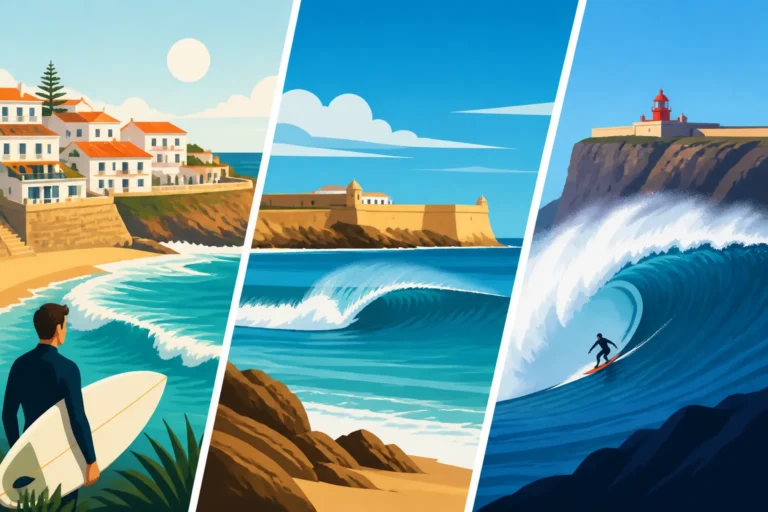
Don't let the long name scare you; this extensive natural park, stretching from the Algarve's western coast up into the Alentejo, is surprisingly accessible in key areas. Known for its dramatic, untamed cliffs, vast sandy beaches, and powerful Atlantic waves, it's a surfer's haven and a hiker's dream, particularly along the Rota Vicentina long-distance trail. While the park itself is huge, specific towns within it serve as fantastic, easy-to-reach bases for exploration.
Towns like Odeceixe, Zambujeira do Mar, and Vila Nova de Milfontes are charming and well-equipped, offering accommodation options (which you can find on Booking.com) and local amenities. Buses connect these towns, though less frequently than in more urban areas, meaning a car will give you more flexibility to explore hidden coves and trailheads. However, you can certainly base yourself in one of these towns and enjoy the stunning beaches and coastal walks directly from there. The wild beauty here is raw and powerful, and a visit to any part of this park will leave you feeling completely rejuvenated and connected to nature.
Planning Your Accessible Park Adventure
Even the "easy to visit" parks require a little bit of planning to ensure a smooth and enjoyable experience. As veteran expats, we know that Portuguese bureaucracy and logistics can sometimes throw a curveball, so let's prepare you for a seamless natural escape.
Transportation: Getting There and Around
For maximum flexibility, especially if you're keen to explore multiple viewpoints or lesser-known trails, renting a car is often the best option. Car rental agencies are widely available in major cities and airports. Keep in mind that driving in Portugal involves navigating sometimes narrow roads, especially in older villages or coastal areas, and a toll system that can be confusing for newcomers. For more on this, you might want to read Driving in Portugal: Exchanging Your Foreign License to a Portuguese One or Public Transport and Driving in Portugal: Trains, Tolls, and Licenses.
However, as mentioned, public transport is a viable option for several parks. For instance, you can use Omio to check bus and train schedules and book tickets to towns adjacent to parks like Arrábida or Litoral Norte. Once you arrive in a town, local buses, taxis, or even ride-sharing apps (though less prevalent in truly rural areas) can help you cover shorter distances. For coastal parks like Ria Formosa, the primary mode of transport within the park is often a ferry or a tour boat, making it incredibly hassle-free.
Accommodation, Tours, and Local Services
When planning your stay, especially if you want to extend your visit beyond a single day, platforms like Booking.com are invaluable. You can find everything from quaint guesthouses in park-adjacent villages to larger hotels in nearby towns. Staying close means you can often walk directly into the park or easily access trailheads.
For those who prefer a more structured experience or want to learn from local experts, guided tours are a fantastic option. Websites like GetYourGuide list a variety of excursions, from kayaking in Arrábida to birdwatching tours in Ria Formosa. These tours often include transportation from a central meeting point, removing the hassle of self-navigation. This can be especially helpful if your Portuguese isn't quite fluent yet, as many guides offer tours in English, breaking down language barriers that might otherwise deter you from interacting with locals or fully understanding the ecosystem.
Essential Packing and Respecting Local Etiquette
Regardless of which park you choose, a few staples for your day pack will make your trip more comfortable. Always bring plenty of water, especially during the warmer months, as finding shops or fountains within the parks can be challenging. Sunscreen, a hat, and comfortable walking shoes are non-negotiable. If you plan on hiking, consider packing a light snack or even a picnic, as dining options might be limited once you're deep into nature. A small first-aid kit is also a wise addition, just in case of minor scrapes or blisters.
Remember, these are protected natural areas, so respecting the environment is paramount. Stick to marked trails, do not disturb wildlife, and always take all your rubbish with you. Leave no trace, as the saying goes. When interacting with locals in smaller villages, a few basic Portuguese phrases, even a simple "Bom dia" (Good day) or "Obrigado/a" (Thank you), will go a long way. This shows respect for the local culture, which is an important part of Daily Life in Portugal: Supermarkets, Language, and Cultural Etiquette.
| Park Name | Region | Main Attraction | Best Transport | Key Activities |
|---|---|---|---|---|
| Parque Natural da Arrábida | Lisbon Coast | Stunning coastal cliffs, clear waters, hidden beaches | Car (recommended), Bus | Beach lounging, swimming, kayaking, scenic drives |
| Parque Natural do Litoral Norte | Northern Coast | Sandy beaches, dunes, birdwatching, coastal trails | Car, Train/Bus to nearby towns | Walking, cycling, birdwatching, beach exploration |
| Parque Natural da Ria Formosa | Algarve | Lagoon system, barrier islands, diverse birdlife | Ferry/Boat Tour from Faro/Olhão/Tavira | Boat trips, island hopping, birdwatching, clam picking |
| Parque Natural do Sudoeste Alentejano e Costa Vicentina | Alentejo/Algarve Coast | Wild Atlantic beaches, dramatic cliffs, Rota Vicentina | Car (recommended), Intercity Bus | Surfing, hiking, beach walks, photography |
Finding Tranquility Without the Treck
Portugal offers an incredible diversity of natural landscapes, and while the majestic Peneda-Gerês National Park stands as a testament to its wild heart, you don't need to embark on an epic journey to experience profound natural beauty. The numerous Parques Naturais provide accessible, stunning, and deeply rewarding opportunities to immerse yourself in the country's breathtaking ecosystems. Whether you're chasing the sun on an Algarve island, hiking coastal paths near Porto, or discovering hidden coves near Lisbon, these parks prove that getting back to nature in Portugal can indeed be an easy, enjoyable, and enriching experience for any expat. So pack your bags, choose your destination, and go explore the natural wonders that await just beyond the city limits!
Disclaimer
The information provided in this guide is intended for general informational purposes only and may not constitute the most up-to-date legal or factual information. While we strive to keep this content current and accurate, regulations and conditions, especially those related to public access, transportation, and natural park rules, can change. Always verify details with official sources, local authorities, or park management before making travel plans.