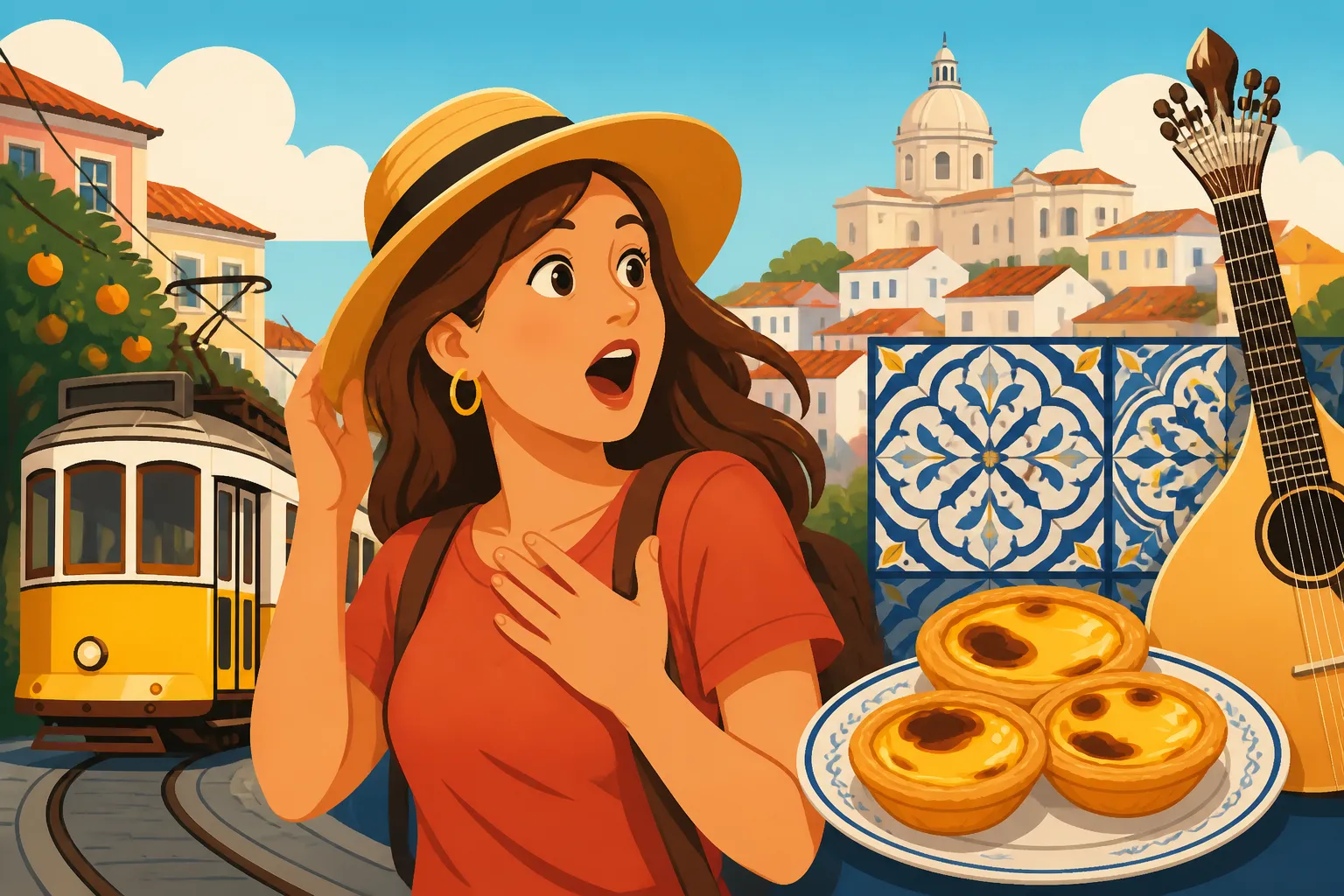
What Cultural Surprises Await First-Time Visitors to Portugal?
Disclosure: This article contains affiliate links. If you buy through them, we may earn a commission at no extra cost to you. Read our full disclosure.
Moving to a new country like Portugal often feels like stepping into a romanticized dream – sun-drenched beaches, historic castles, and endless plates of pastéis de nata. But for many first-time visitors and hopeful expats, the initial charm can quickly give way to a series of cultural head-scratchers and unexpected realities. This guide is here to shed light on those common cultural surprises, helping you understand the rhythm, nuances, and unwritten rules that make Portugal so unique, ensuring your transition is smoother than you might expect.
The Pace of Life and Bureaucracy: Patience is Your New Virtue
One of the biggest cultural shifts you’ll encounter in Portugal, especially if you’re coming from a fast-paced North American or Northern European country, is the decidedly unhurried pace of life. This isn't just a quaint observation; it’s a fundamental aspect of daily existence that permeates everything from service interactions to administrative processes. You might arrive with a go-getter attitude, ready to check things off a list, only to find yourself consistently needing to take a deep breath and surrender to the flow.
Imagine walking into a local pastelaria for a quick coffee and pastry. You might expect a speedy transaction, but here, it’s a moment to pause, chat with the barista, and maybe even strike up a conversation with the person next to you. No one is rushing. The same goes for retail therapy; don't expect the hyper-efficient, "the customer is always right" service often found elsewhere. Service is generally polite and professional, but it operates on its own timeline, and a little patience and a friendly demeanor go a very long way. What might seem like inefficiency is often just a different cultural priority, one that values human connection and a less stressed existence over ruthless speed.
This slower pace extends dramatically into the realm of bureaucracy, which can be a real test of endurance for any newcomer. Portugal is, by many accounts, a country that loves its paperwork, stamps, and signatures. Digital solutions are certainly on the rise, and improvements are happening, but many essential processes still require multiple visits to various offices, a sheaf of documents, and an almost zen-like acceptance of waiting times. For instance, something as seemingly straightforward as getting your initial tax identification number (NIF) or navigating the new immigration agency, AIMA, can involve unexpected delays, missing documents you swore you had, or a general feeling of being caught in an administrative labyrinth. You’ll hear tales from fellow expats about waiting hours for an appointment, only to be told they’re missing a specific, unmentioned document. It's a rite of passage, really. This is where your newly acquired virtue of patience truly shines. When dealing with official matters, always over-prepare your documents, make multiple copies, and mentally allocate a generous buffer of time. Expecting delays won't make them disappear, but it will certainly reduce your stress levels. It's not personal; it's just how things operate here, and understanding this can prevent a lot of frustration.
Food, Drink, and Dining Etiquette: More Than Just Pastel de Nata
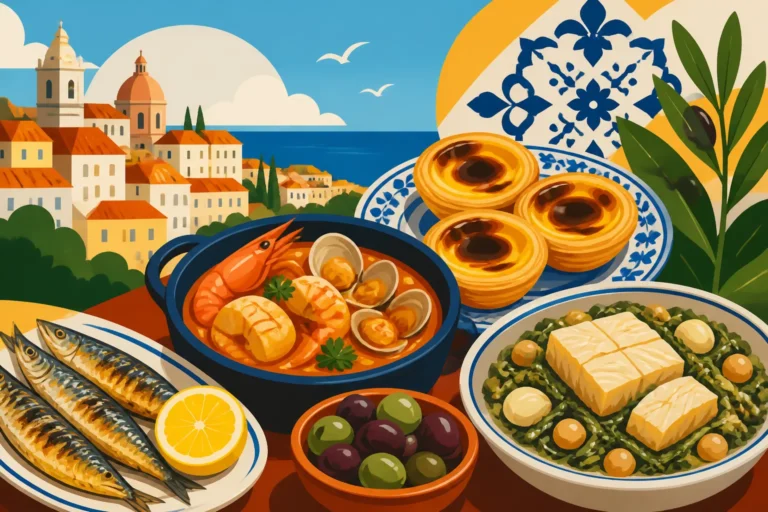
Portuguese cuisine is far more diverse and nuanced than the ubiquitous pastel de nata might suggest, and dining here comes with its own set of delightful (and sometimes surprising) cultural norms. Your culinary journey will undoubtedly be a highlight, but be prepared for a few twists.
Unexpected Food Quirks and the Art of the "Couvert"
One of the first things many visitors notice at a traditional Portuguese restaurant is the couvert. Before you've even ordered, a basket of bread, olives, sardine paste, or a small portion of cheese might appear on your table. It looks inviting, but don't be mistaken – this isn't a complimentary appetizer. These items are placed there for you to enjoy, but they will be added to your bill if you touch them. If you don't want them, simply say "não, obrigado/a" (no, thank you) and the server will usually whisk them away without fuss. It’s a common practice that can catch first-timers off guard, so it’s good to be aware.
Beyond the couvert, prepare for a palate cleanse if you're used to heavier, meat-centric diets. Portugal, with its vast coastline, embraces fish with a passion. You'll find cod (bacalhau) prepared in hundreds of ways, grilled sardines, octopus, and countless other seafood dishes. While pork and beef are certainly popular, especially in the interior, seafood often takes center stage. Another surprising element for some is the prevalence of cilantro, or coentros, which is liberally used in many traditional dishes, especially in the Alentejo region. If you're one of those people who finds cilantro tastes like soap, always ask "tem coentros?" (does it have cilantro?) before ordering. Meal timings also lean later than in many other countries; lunch typically runs from 1 PM to 3 PM, and dinner often doesn't start until 7:30 PM or 8 PM, with many locals eating much later, especially in the cities. Trying to grab dinner at 6 PM outside of a major tourist trap might leave you with limited options.
Coffee Culture and the Social Scene
The Portuguese take their coffee very seriously, but in a completely unpretentious way. Forget your venti caramel lattes; here, it's all about the strong, simple espresso. If you simply ask for "um café," you'll receive a bica (espresso) in a small cup. It's meant to be drunk quickly, often standing at the counter, a moment of strong flavor and social interaction. There are numerous variations: a galão is a larger cup with milk, similar to a latte; a meia de leite is half coffee, half milk, served in a medium cup; and a pingado is an espresso with a drop of milk. Understanding these simple terms will make your daily coffee ritual much more enjoyable and less confusing. For a deeper dive into this essential part of daily life, check out our guide on How to order coffee in Portugal: Bica, Meia de Leite, Pingado, and Galão.
Coffee is more than just a drink; it's a social glue. Many cafes serve as community hubs where people gather throughout the day to chat, read the newspaper, or simply watch the world go by. You won't often see people rushing out with a disposable cup. Instead, it’s a moment to linger, even if just for five minutes. This relaxed approach to coffee reflects the overall relaxed social rhythm. Don't be surprised if your barista remembers your order after just a couple of visits – it's part of that friendly, community-focused service that defines Portugal.
Tipping and Service Expectations
Tipping culture in Portugal is also a bit different from, say, North America. It's generally less prescriptive and not as high-stakes. While tips are always appreciated, they are not usually expected to be a percentage of the total bill. A common practice is to round up the bill, leave a few euros for good service, or perhaps 5-10% in more upscale establishments or if you've had truly exceptional service. Don’t feel pressured to leave a hefty tip for every interaction. It's more about acknowledging good service rather than calculating a strict percentage. For a full breakdown, our article on Tipping culture in Portugal: Do you leave 10% or just round up the bill? can help.
Service itself might also surprise you. While generally polite, servers in Portugal are often more direct and less effusive than what some cultures might be accustomed to. They aren’t typically hovering, asking "Is everything alright?" every five minutes. This isn’t a sign of indifference; it’s simply a different style of service that respects your space. If you need something, simply make eye contact and signal or politely call them over. This directness, once understood, is quite refreshing and efficient. You can easily book restaurants on platforms like Booking.com and observe this in practice across various establishments.
| Cultural Expectation in Portugal | Common Foreigner Surprise | How to Navigate It |
|---|---|---|
| Pace of Life | Everything takes longer than expected | Build extra time into your schedule; practice patience. |
| Bureaucracy | Heavy paperwork, multiple visits to offices | Prepare all documents in multiple copies; embrace persistence. |
| Couvert (bread, olives etc. on table) | Assumed to be free, then charged | Politely decline ("não, obrigado/a") if you don't want it. |
| Coffee Order | Ordering "coffee" gets you an espresso | Learn specific terms (bica, galão, meia de leite). |
| Tipping | Not a strict %; more casual rounding up | Round up or leave a few euros for good service (5-10% max). |
| English Language | Not always widely spoken outside tourist areas | Learn basic Portuguese phrases; use translation apps. |
| Personal Space | People stand closer, two kisses for greeting | Be prepared for closer interactions; embrace the beijinhos. |
| Shop Hours | Many small shops close for lunch; August shutdown | Plan errands around mid-day closures and summer holidays. |
| Indoor Heating | Homes often lack central heating in winter | Invest in warm clothing, good slippers, and a small space heater. |
Communication, Language, and Personal Space: Beyond "Obrigado"
Navigating social interactions in Portugal goes far beyond mastering "olá" and "obrigado." There's a rich tapestry of non-verbal cues, communication styles, and personal space norms that can be quite revealing once you learn to read them.
The Nuances of Portuguese Communication
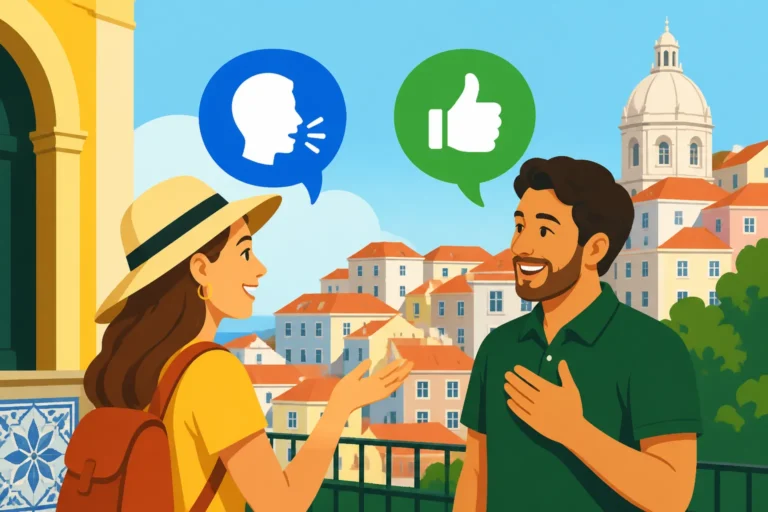
Portuguese communication can often be more indirect than in some other cultures. While the language itself can sound quite direct, especially to Spanish speakers, the underlying cultural communication can involve a degree of ambiguity. For example, a "sim" (yes) might sometimes mean "maybe," or "I'll try," rather than a firm commitment. Similarly, a gentle shrug or a polite deflection might be used instead of a blunt "no." This isn't intended to mislead; it’s often a way to maintain harmony and avoid direct confrontation. Understanding this can save you from misinterpreting a friendly agreement as a definite plan.
The use of formal and informal "you" (tu vs. você or o senhor/a senhora) is also crucial. Generally, "tu" is used with friends, family, and younger people, while "você" or the more formal "o senhor/a senhora" is reserved for elders, superiors, or strangers. Getting this wrong can sometimes lead to awkwardness, although most Portuguese are very understanding of foreigners still learning. Pay attention to how locals address each other, and when in doubt, start with the more formal address. Hand gestures and body language also play a significant role. A slight tilt of the head, a raised eyebrow, or a particular hand movement can convey as much as a spoken sentence. It's a subtle but expressive culture, and observing these nuances will greatly enhance your ability to connect.
The Sound of Portuguese and English Proficiency
Prepare for a beautiful but challenging language. Many non-native speakers, particularly those familiar with Spanish or Brazilian Portuguese, often express surprise at how distinct European Portuguese sounds. It's often described as having a more "closed" and "sibilant" sound, with swallowed vowels and rapid speech that can make it difficult to parse. Don't be discouraged if you struggle initially; it's a common experience. Even after learning some phrases, understanding fluent native speakers can feel like a high-speed chase.
While English proficiency is generally high in major tourist areas like Lisbon, Porto, and the Algarve, venture outside these bubbles, and you'll quickly find that many locals, especially older generations, speak little to no English. This is where those basic Portuguese phrases become invaluable. Even a simple "bom dia" (good morning), "por favor" (please), and "obrigado/a" (thank you) will be genuinely appreciated and can bridge many communication gaps. Learning more extensive phrases or taking language classes is highly recommended if you plan a longer stay or wish to integrate more deeply. Our guide on Learning European Portuguese: Top Apps, Tutors, and Free Government Classes can provide excellent resources to get you started. Don't shy away from using translation apps when needed, but always try to initiate with a Portuguese greeting – it shows respect and effort.
Personal Space and Public Displays of Affection
If you're from a culture that values a significant personal bubble, Portugal might feel a little cozy. People tend to stand closer during conversations than in some Northern European or North American countries. This closeness is not meant to be intrusive but rather reflects a more tactile and communal culture. You'll often see friends and family walking arm-in-arm, and physical touch is a natural part of interaction.
One of the most notable cultural greetings is the beijinhos, or two kisses on the cheek. This is a standard greeting between women, and between a man and a woman, even if you’ve just met. It usually starts with the right cheek first, then the left. For men, a handshake is typical, but close male friends or relatives might also embrace. Don’t be startled if a new acquaintance leans in for these kisses; it's a sign of warmth and welcome. For a comprehensive overview of how to navigate these greetings, read our article on Portuguese greeting etiquette: When to use Beijinhos vs Handshakes. Embrace the closeness, as it's a beautiful expression of Portuguese warmth and hospitality.
Practicalities and Daily Life: Adjusting to the Rhythm
Beyond the grand cultural gestures, the small, everyday practicalities can also present delightful surprises or slight adjustments for first-time visitors. These are the things that shape daily life and can take a little getting used to.
Shopping Hours and the "August Shutdown"
Forget 24/7 convenience stores and late-night shopping sprees outside of major city centers. While larger supermarkets and shopping malls generally have extended hours, smaller, independent shops often adhere to traditional schedules, including closing for a few hours in the middle of the day for lunch, typically from 1 PM to 3 PM. This is a chance for shop owners to enjoy a leisurely meal, and it’s a cultural rhythm you quickly learn to adapt to. Plan your errands accordingly to avoid disappointment.
Perhaps the most significant surprise for many is the "August Shutdown." During August, it's common for many businesses, especially smaller, family-run establishments, to close entirely for a few weeks as everyone heads off on vacation. This can impact everything from getting a specific repair done to finding your favorite local cafe open. While major cities and tourist zones are less affected, you'll still feel a general slowdown. If you're planning any administrative tasks or non-urgent services, August is generally not the time to tackle them. Our detailed guide on The "August Shutdown": Why getting things done in summer is impossible can help you prepare for this annual phenomenon.
Heating, Insulation, and Indoor Temperatures
Visitors often associate Portugal with sunshine and warmth, and while that's true for much of the year, winter can bring a surprising challenge: cold interiors. Many traditional Portuguese homes and apartments, particularly older buildings, are not built with central heating or robust insulation in mind. While the outdoor temperatures might not dip as low as in more northern climates, the lack of proper heating can make indoors feel colder than outdoors, especially in damp coastal areas.
You’ll quickly learn the art of layering inside the house. Expats joke about wearing sweaters, scarves, and even woolly hats indoors during winter. Common solutions include electric space heaters (radiadores), gas heaters (aquecedores a gás), and, in newer constructions, air conditioning units with heating functions. Good quality slippers become an essential fashion accessory. This is a common cultural surprise that many foreigners experience, and it's something to consider when choosing accommodation, especially if you're sensitive to the cold. For practical tips on staying warm, our article Why do Portuguese houses lack central heating? Practical winter solutions offers great advice.
Public Transport and Driving Quirks
In major cities like Lisbon and Porto, public transport is generally excellent, efficient, and affordable, encompassing metros, buses, trams, and trains. It's often the best way to get around, especially with the challenge of navigating narrow, historic streets and finding parking. Platforms like Omio can be useful for booking intercity train and bus tickets, making travel across Portugal seamless. For local tours and activities, GetYourGuide provides numerous options to experience the culture without needing to drive yourself.
However, if you venture onto the roads in your own car or a rental, prepare for a different driving culture. Portuguese drivers can be quite assertive, and defensive driving is a must. Tailgating is common, and indicating turns might be seen as an optional extra by some. Roundabouts, or rotundas, are prevalent and require understanding the right-of-way rules. Toll roads are also extensive, and many are electronic-only (SCUTs), requiring a transponder or specific payment methods. Understanding the system, perhaps by using a Via Verde device, is essential to avoid fines. Our guide Driving in Portugal: Exchanging Your Foreign License to a Portuguese One delves into the specifics of driving, and The Multibanco System and MB Way: Portugal's Unique Payment Network explains how to handle payments, including tolls, using Portugal’s unique ATM network.
Ultimately, Portugal is a country that rewards those who approach it with an open mind, a sense of humor, and a willingness to embrace its unique rhythms. These cultural surprises, once understood, become part of the charm and the rich experience of living in or visiting this wonderful land.
Disclaimer
The information provided in this guide is for general informational purposes only and does not constitute professional advice. While we strive to keep the information up-to-date and correct, cultural norms and administrative processes in Portugal can change. Always consult with relevant local authorities, legal professionals, or official sources for the most current and accurate information pertaining to your specific situation.