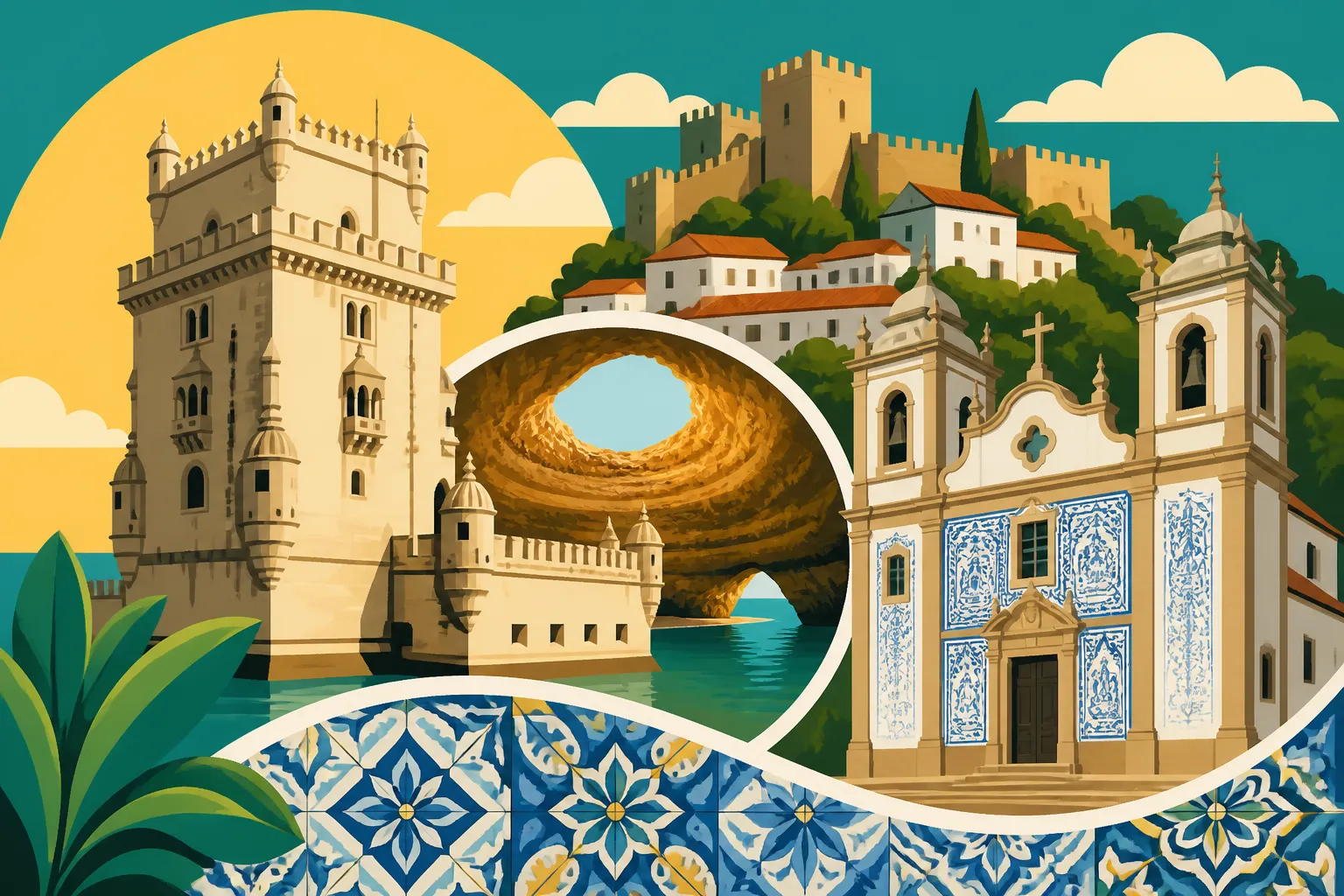
Portugal’s UNESCO World Heritage Sites: A Visitor’s Guide
Disclosure: This article contains affiliate links. If you buy through them, we may earn a commission at no extra cost to you. Read our full disclosure.
When most people first land in Lisbon, they get swept up in the pastel-colored tiles and the uphill tram rides, often missing the deeper historical layers that make this country so unique. The sheer volume of Portugal's UNESCO World Heritage sites can be overwhelming, leading to "monument fatigue" and logistical headaches. This guide breaks down every site with veteran expat wisdom, showing you how to navigate the history without the stress.
The Cultural Soul of Portugal: Why UNESCO Sites Matter
Stepping into a UNESCO World Heritage site in Portugal isn't just about taking a photo of an old building; it is about understanding the very DNA of the Lusitanian spirit. After living here for years, I’ve realized that these sites are the anchors of Portuguese identity. From the Age of Discovery to the intricate Manueline architecture that looks like stone turned into lace, these locations tell the story of a small nation that once reached the corners of the globe. However, for a newcomer, trying to navigate these historical gems can feel like a full-time administrative job.
The Difficulty of Seeing It All
One of the biggest frustrations for expats and long-term tourists is the geographic spread of these sites. You might think Portugal is small—and it is—but the infrastructure doesn't always favor the "quick hop." Getting from the prehistoric carvings of the Côa Valley in the northeast to the Garrison Border Town of Elvas in the southeast requires more than just a GPS; it requires patience and a solid understanding of Public Transport and Driving in Portugal: Trains, Tolls, and Licenses. The regional trains are charming but slow, and the highways, while excellent, come with a toll system that confuses even the locals.
Visitors often try to cram three UNESCO sites into a single weekend. Take it from someone who has been there: you will end up exhausted and only remembering the parking struggles rather than the architecture. The sites are dense with detail. If you are using platforms like Omio to book your bus or train tickets, give yourself a buffer. The "Portuguese pace" applies to everything, including the time it takes to truly absorb a 14th-century monastery.
Strategic Planning for the Heritage Trail
The secret to enjoying these sites is thematic grouping. Don't try to cross the country; instead, focus on a region. For example, the "Central Monastery Triangle" of Batalha, Alcobaça, and Tomar is easily doable if you are based in a central hub. If you are coming from Lisbon, you can use Using Comboios de Portugal (CP) Trains and the Navegante Pass to get to some of these areas, though a car often becomes necessary for the more rural spots.
When planning, check for Portuguese public holidays 2026: When supermarkets and banks are closed, as many national monuments have specific closing times on these days. Always check the official "Direção-Geral do Património Cultural" website or use GetYourGuide to find tours that include guaranteed entry times, especially during the high season when lines can stretch for blocks.
How to Respect These Living Monuments
Many of these sites are not just museums; they are living parts of the community. The University of Coimbra, for instance, is a functioning school. Seeing students in their traditional black capes (the traje) walking through a UNESCO site is a reminder that history here is continuous. Many expats find that the best way to respect these sites is to slow down. Don't rush through with a selfie stick.
Stop at a nearby cafe and practice your skills in Portuguese Coffee Culture and Restaurant Etiquette: Ordering Like a Local. The locals living near these sites have seen thousands of tourists; being the one who stops for a bica and says bom dia makes a world of difference in how you are treated. Also, be mindful of the "Livro Amarelo" or Yellow Book if you encounter issues, but usually, a little bit of Learning European Portuguese: Top Apps, Tutors, and Free Government Classes goes a long way in navigating any cultural friction.
The Icons of Lisbon and Sintra
Lisbon and its neighbor Sintra hold the highest concentration of "must-see" sites, but they are also the most prone to overcrowding. Most expats I know avoid these areas in August, but if you're visiting or showing family around, you need a tactical approach. You aren't just visiting a building; you are navigating a micro-climate and a massive tourist ecosystem.
Mosteiro dos Jerónimos and Torre de Belém
These two sites in Belém are the quintessential symbols of the Manueline style. The Monastery of the Hieronymites is breathtaking, but the ticket line is legendary for being a nightmare. Pro tip: do not buy your ticket at the monastery. Walk down to the National Museum of Archaeology or buy them online in advance. Most people don't realize that the Torre de Belém has a strict capacity limit. Some visitors wait two hours only to be told they can't go up because of the tide or the crowd limit.
When you are in Belém, you'll be tempted by the Pastéis de Belém. Yes, they are the original, but the line is often an hour long. Here is the expat secret: the line for "takeaway" moves five times faster than the line for a table. Grab your tarts, walk over to the gardens in front of the monastery, and enjoy the view for free. If you are staying in the city center, use Booking.com to find a place in the Ajuda neighborhood nearby; it’s much quieter than the tourist hub of Belém but still within walking distance of the history.
The Cultural Landscape of Sintra
Sintra is not just the Pena Palace. The entire "Cultural Landscape" is a UNESCO site, including the Quinta da Regaleira, the Moorish Castle, and the Monserrate Palace. The frustration here is the transport. Do not drive to Sintra. The roads are narrow, parking is non-existent, and the local police frequently close the mountain to private cars. Use the train from Rossio or Oriente. You can book these via the Buying train tickets online with Comboios de Portugal (CP) app for a seamless experience.
Once in Sintra, use the 434 tourist bus, but be prepared for a wait. My favorite site is actually the Convento dos Capuchos—it’s a tiny, humble cork-lined convent that offers a stark contrast to the flamboyant Pena Palace. It’s harder to get to, but GetYourGuide often has private jeep tours that will take you to these hidden spots. It's the best way to escape the "Disney-fication" of the main palaces.
Avoiding the Crowds in the Capital Region
The best way to see Lisbon’s UNESCO heritage is at sunrise. Walking past the Torre de Belém at 7:30 AM when the Tagus river is misting is a spiritual experience. By 10:00 AM, the tour buses arrive, and the magic evaporates. For Sintra, try to go on a weekday and head straight for the furthest site first (like Monserrate) then work your way back.
Remember that these areas are hilly and the cobblestones (calçada) are slippery when wet or even just worn down by millions of feet. Wear shoes with grip. If you are planning a meal after your hike through history, keep in mind the Tipping culture in Portugal: Do you leave 10% or just round up the bill?—rounding up is usually sufficient, but in high-end Sintra restaurants, a little extra is appreciated for the grueling service they provide during peak season.
Central Portugal’s Architectural Marvels
Central Portugal is the heartland of the country’s history. This is where the big battles were won and the great dynasties were buried. The "Big Three" monasteries here are world-class, yet they feel much more authentic than the sites in Lisbon because they are integrated into real, working Portuguese towns.
Mosteiro de Alcobaça and Batalha
The Monastery of Alcobaça is home to Portugal’s own "Romeo and Juliet"—Pedro and Inês de Castro. Their tombs are masterpieces of Gothic art. The scale of the church is immense; it was the first Gothic building in Portugal. Living here, you realize that the Portuguese value these stories of tragic love as much as their history books. Just down the road is the Monastery of Batalha, built to commemorate the victory at the Battle of Aljubarrota.
The "Unfinished Chapels" (Capelas Imperfeitas) at Batalha are, in my opinion, the most beautiful structures in the country. They are open to the sky because they were never completed, and the intricate stone carvings are mind-blowing. To visit both in one day, you really need a car. Make sure you understand Navigating the Portuguese Toll System: Via Verde and Electronic Tolls before you hit the A8 highway, or you might find a nasty surprise in your mailbox three months later.
Convento de Cristo in Tomar
Tomar is the city of the Knights Templar. The Convento de Cristo is a massive complex that served as their headquarters. The famous "Chapter House Window" is the pinnacle of Manueline decoration, featuring maritime motifs like ropes, corals, and seaweed. Walking through the cloisters, you can almost hear the echoes of the knights.
Tomar itself is a wonderful town to stay in. Use Booking.com to find a guesthouse in the old center. The town holds the "Festa dos Tabuleiros" every four years, which is a sight to behold, but even on a regular Tuesday, the park (Mata Nacional dos Sete Montes) leading up to the convent is perfect for a quiet walk. It’s one of those places where you really feel the weight of the centuries without the frantic energy of Lisbon.
University of Coimbra – Alta and Sofia
The University of Coimbra is one of the oldest in continuous operation in the world. The UNESCO site includes the stunning Joanina Library, which is so protected that they have a colony of bats living there to eat the insects that might damage the books. Yes, really.
Visiting Coimbra requires some stamina. The "Alta" (high part) is a steep climb from the river. If you are a resident, you might have the Navegante pass for Lisbon, but here you’ll be buying individual tickets for the SMTUC buses or just walking. The Fado of Coimbra is different from Lisbon’s—it’s sung only by men and is deeply tied to academic life. After a day of exploring the university, find a small tasca and listen to the haunting sounds of the Coimbra guitar. It’s an essential expat experience that moves beyond the typical tourist itinerary.
The North and the Douro Valley: Liquid History
The north of Portugal is where the country was born. Guimarães is known as the "Cradle City," and Porto is the powerhouse that gave the nation its name. The UNESCO sites here are rugged, granite-heavy, and deeply connected to the land and the river.
Historic Centres of Porto and Guimarães
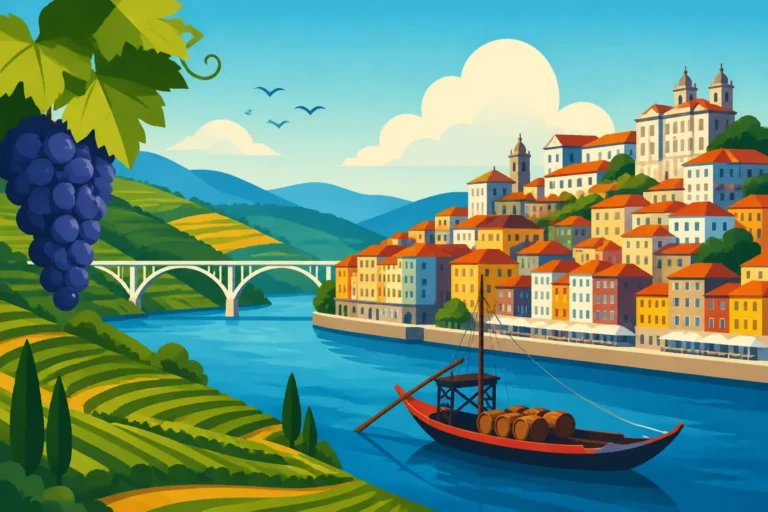
Porto’s Ribeira district is a UNESCO site that looks like a painting. It’s a labyrinth of narrow streets that spill down to the Douro river. The challenge here is the sheer verticality. You will be walking up and down stairs all day. Many expats choose to use the funicular or the historic trams to save their knees. For a deeper look at the city, Guimarães is a short train ride away. Its medieval center is perfectly preserved, and the castle is where the first King of Portugal was likely born.
When in Porto, don't just stay on the Ribeira side. Cross the Luis I Bridge to Gaia to see the Port wine cellars. While Gaia itself isn't the UNESCO site, the view of the UNESCO site from Gaia is the best one you’ll get. You can book cellar tours and river cruises through GetYourGuide, which often package these historical explanations with a much-needed glass of wine.
Prehistoric Rock Art Site of the Côa Valley
This is the outlier of Portugal’s UNESCO sites. Located in the remote northeast, the Côa Valley contains thousands of engravings of horses, cattle, and goats dating back 22,000 years. It’s a stark, beautiful landscape. This site was almost lost to a dam project in the 1990s, but public outcry saved it.
Visiting here requires a guide and a 4×4 vehicle, which you can arrange at the museum in Vila Nova de Foz Côa. It is a long trek from Porto, but it's worth it for the sense of deep time. If you are driving up there, be aware of the Earthquake and wildfire risks in Portugal: How to stay informed via Prociv, as this region can get incredibly hot and dry in the summer months.
Alto Douro Wine Region
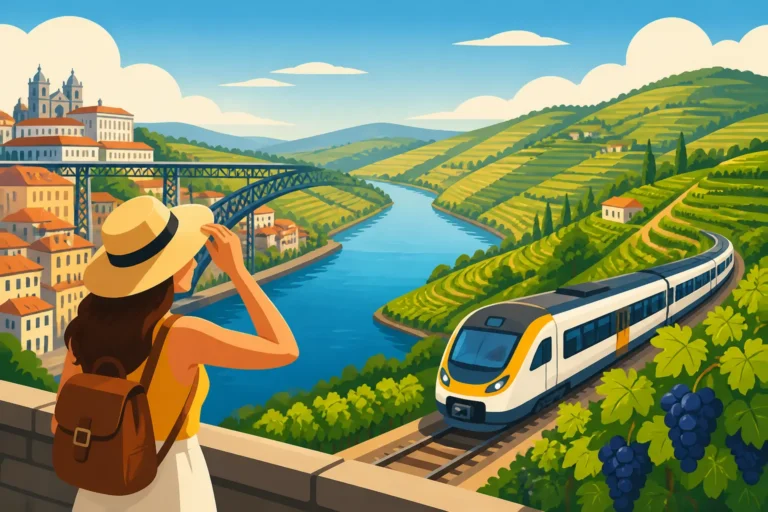
The Douro Valley is the oldest demarcated wine region in the world. The UNESCO status doesn't just cover the wine, but the "cultural landscape" created by centuries of terracing the hillsides. The best way to see it is by train on the Linha do Douro. You can use Omio to check the schedules from Porto’s São Bento station to Pinhão.
The scenery is jaw-dropping. The train hugs the river, passing through tunnels and over bridges that feel like they belong in a movie. If you stay overnight—which I highly recommend—check Booking.com for a "Quinta" (wine estate). Waking up to the fog lifting off the Douro river is one of those moments where you realize why people never want to leave Portugal.
Southern Heritage and the Islands
The south and the Atlantic islands offer a different flavor of heritage. Here, the influence of the Moors and the military history of the border with Spain take center stage, alongside the unique natural history of the islands.
Historic Centre of Évora and Elvas
Évora is the capital of the Alentejo and is essentially an open-air museum. It has a Roman temple, a Gothic cathedral, and the famous (or macabre) Chapel of Bones. The pace of life in Évora is slow. In the summer, the heat is intense, so do as the locals do: sightsee in the early morning, and retreat to a cool restaurant for a long lunch of secretos de porco preto.
Elvas, located right on the Spanish border, is the world's largest system of bulwark fortifications. From the air, the forts look like giant stars. It’s a fascinating look at military engineering. Because it's further from the coast, Elvas doesn't get the same crowds as Évora, making it a peaceful place to explore. Just keep in mind that the Cost of living in the Algarve: Winter vs Summer price differences for expats doesn't really apply here; the Alentejo is generally more affordable but has fewer "tourist-ready" amenities.
UNESCO Sites in Madeira and the Azores
Portugal’s heritage extends into the Atlantic. Madeira is home to the Laurisilva Forest, a subtropical forest that dates back millions of years. It’s a hiker’s paradise. In the Azores, the center of Angra do Heroísmo on Terceira island and the Vineyard Culture of Pico Island are both UNESCO sites.
Pico is particularly interesting because the vineyards are protected by thousands of small dry-stone walls (currais) that shelter the vines from the wind and salt spray. It looks like a giant black-and-green chessboard. Reaching these sites involves flights (TAP or SATA) and inter-island ferries. It takes more planning than the mainland, but the payoff is a unique blend of Portuguese culture and wild Atlantic nature.
Planning Logistics Across the Regions
To see these southern and island sites, you need to be strategic. Use Omio to compare flights to the islands versus the long bus rides to the Alentejo. If you’re heading to Évora from Lisbon, the bus is often easier and more frequent than the train.
| UNESCO Site | Region | Best Way to Visit | Top Tip |
|---|---|---|---|
| Jerónimos Monastery | Lisbon | Tram/Foot | Buy tickets at the Archaeology Museum next door. |
| Pena Palace | Sintra | Train + Bus 434 | Go at 9:00 AM or after 4:00 PM to avoid the worst crowds. |
| Convento de Cristo | Tomar | Car/Train | Explore the surrounding Seven Hills forest park. |
| University of Coimbra | Center | Walk (Upstairs!) | Visit the Joanina Library early; it has strict time slots. |
| Ribeira District | Porto | Foot/Funicular | Wear shoes with excellent grip for the steep hills. |
| Alto Douro Valley | North | Train/Boat | Take the train to Pinhão for the most scenic views. |
| Historic Évora | Alentejo | Bus/Car | Stay overnight to see the Roman Temple lit up at night. |
Practical Tips for Navigating Portuguese Heritage
After living here as an expat, I’ve realized that the "technical" side of visiting these sites is what usually trips people up. It's not just about showing up; it's about the small details of Portuguese life that make the trip smooth or stressful.
Transport and Connectivity Between Sites
The backbone of Portuguese travel is the Comboios de Portugal (CP) network. For the UNESCO sites, the "Alfa Pendular" (high-speed) and "Intercidades" (inter-city) trains are your best friends. Always book your seats at least 5-8 days in advance on the CP website or app to get "Promo" tickets, which can save you up to 50%.
If you are going to more remote areas like the Côa Valley or the monasteries of central Portugal, a car is non-negotiable. Renting a car is easy, but the tolls are electronic. Make sure your rental car has a "Via Verde" transponder. If you don't have one, you have to wait 48 hours and then pay the tolls at a CTT post office or a Payshop, which is a major administrative headache you want to avoid.
Booking Accommodations Near Historical Centres
When looking for a place to stay, Booking.com is the standard here. However, look for "Pousadas de Portugal." These are often historical buildings—monasteries, castles, or palaces—that have been converted into luxury hotels. Staying in a Pousada in Évora or Guimarães allows you to live inside the history.
If you prefer apartments, look for the "Alojamento Local" (AL) sign. This means the property is registered and meets safety standards. Try to stay within walking distance of the historic centers, but check the noise reviews. Living in a UNESCO center sounds romantic until you realize the bells of the cathedral ring every 15 minutes, or the garbage trucks on the cobblestones sound like an earthquake at 2:00 AM.
Cultural Etiquette and Best Visiting Hours
The Portuguese are generally formal and polite. When entering a church or monastery, even if it's a "tourist site," remember that many are still active places of worship. Dress modestly and keep your voice down. Many expats can get "the look" from local grandmothers for being too loud in the Jerónimos Monastery.
The best visiting hours are almost always lunch (13:00 to 15:00). While the Portuguese are enjoying their heavy midday meal, the monuments often empty out. Conversely, the worst time is between 10:00 and 12:00 when the cruise ship groups and tour buses arrive. Use that time to sit in a park, enjoy a galão, and watch the world go by. That is the true Portuguese way of experiencing life—with history all around you, but never in a rush.
Disclaimer
The information provided in this guide is for informational purposes only. While I strive to provide accurate and up-to-date details regarding Portugal's UNESCO sites, regulations, opening hours, and transport rules are subject to change by the Portuguese government and cultural authorities. Always verify specific details with official sources before planning your trip. I am an expat sharing personal experiences, not an official representative of the Portuguese tourism board.