How to Visit the Douro Valley From Porto
Disclosure: This article contains affiliate links. If you buy through them, we may earn a commission at no extra cost to you. Read our full disclosure.
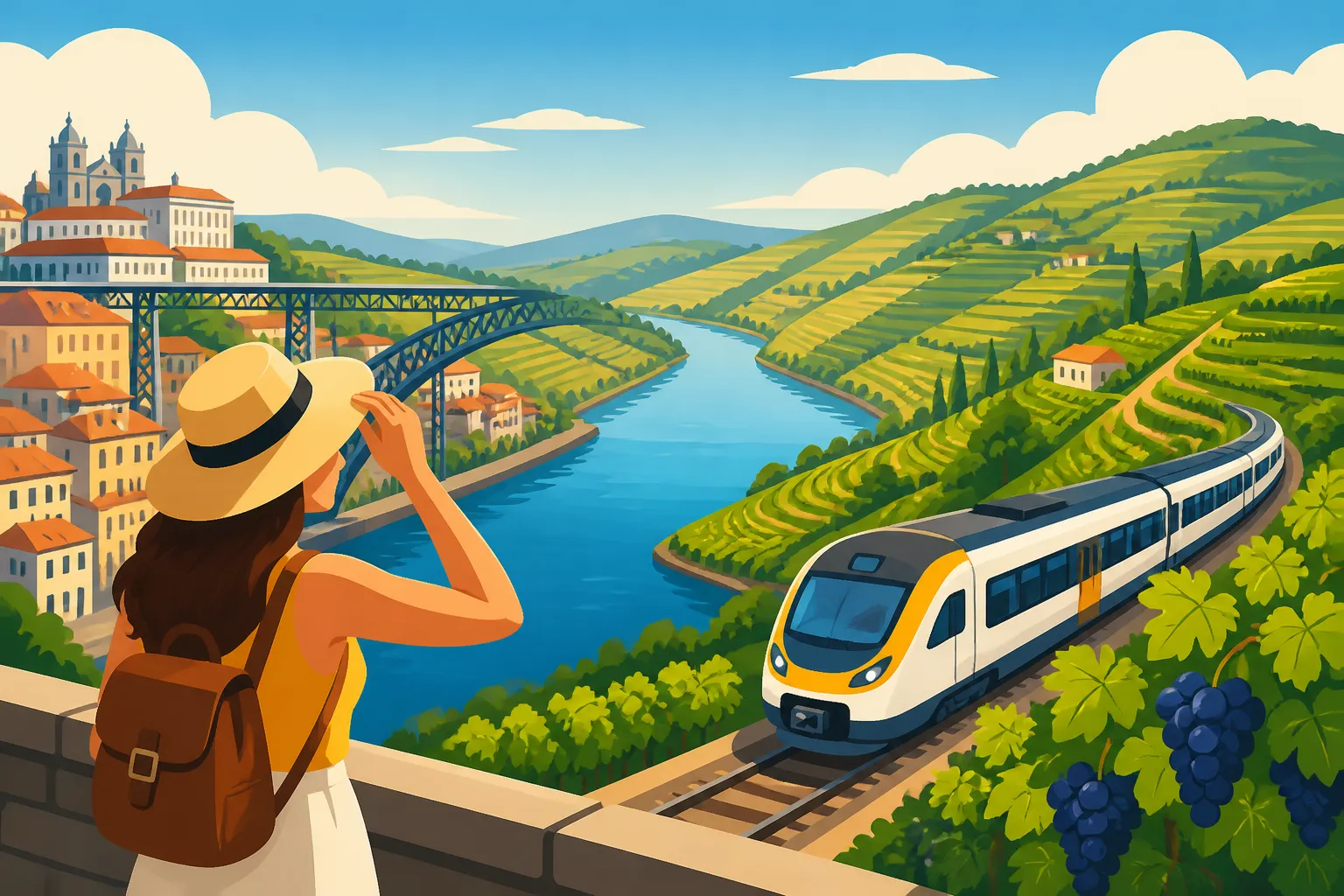
Oh, the Douro Valley! If you're currently in Porto, gazing out at the magnificent D. Luís I bridge and dreaming of those terraced vineyards, you're not alone. Many of us expats, and pretty much every visitor, arrive here with the same yearning: how on earth do I get myself into that stunning wine region without a car? Trust me, I’ve been there, staring at train schedules and trying to figure out which river cruise offers the best bacalhau. This guide is here to untangle all that for you, offering a comprehensive walkthrough on experiencing the Douro Valley directly from Porto, no rental car keys required.
Understanding Your Douro Valley Experience from Porto
First things first, let's set the stage. The Douro Valley is more than just a destination; it's an experience, a journey back in time, and a sensory feast. It’s also a place that requires a little bit of planning, especially when you’re relying on public transport or tours.
What to Expect in the Douro Valley
When you picture the Douro, what comes to mind? For most, it's those iconic, impossibly steep terraced vineyards, carved into the hillsides like ancient stairways leading up to the sky. And that's exactly what you'll find. This UNESCO World Heritage site is the oldest demarcated wine region in the world, famous, of course, for its Port wine, but also for its increasingly excellent table wines.
Expect breathtaking panoramic views at every turn, particularly as you wind alongside the Douro River. The pace here is inherently slower, a refreshing change from the urban hustle of Porto. You’ll be surrounded by nature, historical quintas (wine estates), and charming riverside villages. This isn’t a bustling city trip where you run from museum to monument. Instead, it’s about savoring the moments: the taste of a fine Tawny Port, the gentle sway of a boat on the river, the quiet beauty of a sun-drenched vineyard. It's a place to unwind, appreciate the rich history of winemaking, and simply breathe in the spectacular scenery.
The Best Time to Visit
Timing your visit can significantly impact your experience. Portugal, like any country, has its seasonal charms, and the Douro is no exception.
- Spring (April-May): This is a truly magical time. The valley bursts into life with vibrant green foliage, almond blossoms, and a comfortable warmth that isn't yet stifling. The crowds are thinner than in summer, making for a more serene experience at the quintas and on the river. It’s ideal for leisurely walks and enjoying the budding vineyards.
- Summer (June-August): Predictably, this is peak season. The weather is hot and sunny, perfect for river activities and soaking up vitamin D. However, be prepared for more tourists, higher prices, and the need to book everything well in advance. The energy is lively, but it can feel a bit crowded, especially in popular towns like Pinhão.
- Autumn (September-October): Ah, vindima – harvest season! This is often cited as the quintessential Douro experience. The vineyards transform into a riot of reds, oranges, and golds, and you might even catch sight of grapes being picked or traditionally trodden. Many quintas offer special harvest experiences, which are incredibly popular. It’s a fantastic time for photography and wine lovers, but again, expect significant crowds and book everything months ahead.
- Winter (November-March): The valley is quieter, often shrouded in a mystical fog, or crisp and clear. While not as vibrant as other seasons, it offers a peaceful, almost contemplative beauty. Many quintas still offer tastings, and you'll find better deals on accommodation. Just be aware that some smaller operations might have reduced hours or close for the season, and river cruises might be less frequent due to weather.
Key Towns and Regions to Consider
The Douro Valley is vast, so narrowing down your focus is key, especially for a day trip without a car.
- Peso da Régua: Often considered the gateway to the Douro, Régua is a larger town and a major hub for transport. You'll find the excellent Museu do Douro here, which provides a deep dive into the region's history and wine production. It’s a practical starting point if you want to catch local boats or connect to other areas, and it has more amenities like restaurants and shops.
- Pinhão: If you're looking for postcard-perfect beauty, Pinhão is likely your best bet. Nestled amidst dramatic hills right on the river, it's widely regarded as the heart of the Port wine region. Its charming train station is adorned with traditional azulejo tiles depicting scenes of the Douro harvest, making it a destination in itself. From Pinhão, many renowned quintas are within walking distance or a short taxi ride, and it's a popular spot for short river boat trips. If you only have time for one main stop, Pinhão offers a truly immersive experience.
- Tua: A bit further upriver from Pinhão, Tua is a smaller, more remote village where the Tua River meets the Douro. It’s even more tranquil, but transport options become scarcer. For a first-timer without a car, Régua or Pinhão offer a better balance of accessibility and activities.
While towns like Lamego or Vila Real offer different cultural attractions (like the stunning Sanctuary of Nossa Senhora dos Remédios in Lamego), they are typically easier to reach by car and fall outside the direct river valley experience that most people seek when visiting from Porto by public transport. For this guide, we'll focus on the magic of the river itself, primarily around Régua and Pinhão. If you’re considering staying longer and exploring more of the country, you might find our guide on Where to Live in Portugal: Lisbon, Porto, Algarve, and Silver Coast Compared helpful for future planning.
Navigating from Porto to the Douro Valley Without a Car
Alright, let's talk logistics. Ditching the car means embracing a different kind of adventure, one that often involves stunning scenery from a train window or the gentle rhythm of a boat. You have a few excellent options, each with its own charm.
The Scenic Train Journey: Porto to Régua or Pinhão
For many, the train is the quintessential way to reach the Douro Valley from Porto. It's not just transport; it's an experience in itself, offering unparalleled views that you simply can't get from the road.
Your journey will typically start from Porto's São Bento station, famous for its incredible azulejo artwork, or from Campanhã, which is the larger intercity hub just a short metro ride away. All Douro line trains will pass through Campanhã, so it’s often easier to just board there. The train line follows the Douro River for a significant portion of the journey, especially after you pass through places like Livração. To truly appreciate the views – those terraced vineyards, tiny villages, and the shimmering river – make sure to snag a seat on the right-hand side of the train when departing from Porto. You won't regret it!
Tickets are purchased through CP (Comboios de Portugal). You can buy them at the station, but especially during peak season or for specific times, booking in advance is highly recommended. Online booking is straightforward, and you can even use platforms like Omio to compare times and secure your tickets ahead of time, which can be a lifesaver when trying to coordinate travel plans. The journey to Régua takes roughly 1.5 to 2 hours, and to Pinhão, about 2.5 to 3 hours, depending on the number of stops. Trains are generally frequent, but always check the latest schedules on the CP website or app. For more insights into national rail travel, check out our piece on Using Comboios de Portugal (CP) Trains and the Navegante Pass or even Buying train tickets online with Comboios de Portugal (CP) app for practical tips.
Tips for a smooth train journey:
- Book ahead: Especially on weekends or during harvest season, trains can fill up.
- Go early: Arriving at the station with ample time allows you to find your platform and secure those coveted right-side window seats.
- Pack snacks and water: While there might be some small cafes at stations, don't rely on onboard service.
- Enjoy the ride: Resist the urge to stare at your phone. The scenery is the show!
Organized Bus Tours: Convenience and Coverage
If the thought of navigating train schedules, finding quintas, and coordinating tastings feels like too much work on your holiday, an organized bus tour might be exactly what you need. These tours offer a hassle-free way to see the highlights of the Douro Valley.
The primary advantage is convenience. You're typically picked up from a central location in Porto, transported directly to the valley, and everything – from quinta visits and wine tastings to lunch and often a short river cruise – is pre-arranged. This means less stress about logistics and more time to simply enjoy the scenery and the wine. Companies like GetYourGuide offer a wide array of Douro Valley tours, from small group intimate experiences to larger coach trips.
However, bus tours do come with trade-offs. You sacrifice flexibility; the itinerary is set, and you might feel a bit rushed at each stop. You also don't get the unique, close-up perspective of the river that the train offers for such an extended period. When choosing a tour, look for:
- Small group sizes: These often provide a more personal experience.
- Specific quintas mentioned: If you have a particular interest in certain wine estates, ensure they are on the itinerary.
- Good reviews: Check what other travelers say about the pace and quality of the guides.
- Inclusions: Does it include all tastings, lunch, and a boat trip? Make sure you know what you're paying for.
While less adventurous, a well-chosen bus tour can offer a comprehensive and relaxing day, especially if you're keen to maximize sightseeing and minimize planning effort.
River Cruises: A Unique Perspective
For many, the Douro River itself is the main attraction, and experiencing it from the water is truly special. You have a couple of options here for river cruises.
-
Full-day cruises from Porto: These are grand affairs, usually departing from Porto’s Ribeira quay. They typically include breakfast and lunch on board, and they sail all the way upriver to Peso da Régua or Pinhão. The return journey is often by train or bus, making it a combined land and water experience. This is a fantastic way to truly appreciate the scale of the valley and see it from a different vantage point. It’s a long day, often 8-10 hours, but incredibly rewarding. Booking these in advance, especially during warmer months, is crucial. Again, platforms like GetYourGuide or directly with major cruise operators in Porto are your best bet.
-
Shorter cruises within the Douro Valley: If you decide to take the train to Pinhão or Régua, you can easily hop on a shorter river cruise there. From Pinhão, numerous operators offer one-hour or two-hour tours on traditional rabelo boats (the traditional boats used to transport Port wine barrels). These cruises give you a lovely taste of the river without committing to a full-day excursion from Porto, and they are perfect for complementing a train trip and a quinta visit. You can often book these on the spot in Pinhão, but again, advance booking for popular times is recommended.
Choosing a river cruise means prioritizing the panoramic watery views and a relaxed pace. It's a truly immersive way to connect with the landscape that has shaped Portugal's wine industry for centuries.
Here’s a quick comparison of your main non-car options:
| Feature | Train Journey (to Régua/Pinhão) | Organized Bus Tour (from Porto) | Full-Day River Cruise (from Porto) |
|---|---|---|---|
| Flexibility | High (control your time in Douro) | Low (set itinerary) | Low (set itinerary & boat schedule) |
| Scenic Views | Excellent (river views from window) | Good (roadside & hilltop views) | Exceptional (river-level perspective) |
| Comfort | Standard train seating | Comfortable coach | Varies (boat type, seating) |
| Cost | Mid-range (train + activities) | High (all-inclusive) | High (all-inclusive) |
| Effort/Planning | Moderate (plan quintas, local transport) | Low (everything handled) | Low (everything handled) |
| Duration (Total Day) | Flexible (can be 6-10 hours) | Typically 8-10 hours | Typically 8-10 hours |
| Highlights | Iconic train ride, self-paced exploration | Multiple stops, no stress | Unique river views, on-board experience |
Making the Most of Your Day Trip or Overnight Stay
Whether you're dedicating a single day or luxuriating with an overnight stay, getting the most out of your Douro Valley visit requires a bit of strategic thinking. It's a place best enjoyed without rushing.
Planning a Day Trip: What to Prioritize
A day trip to the Douro Valley from Porto is absolutely doable and incredibly rewarding, but it means you'll have to make some choices. You simply can't see everything, and trying to will only lead to exhaustion and a feeling of being rushed. The key is to focus on quality over quantity.
My advice for a day trip, especially using the train to Pinhão, would be to prioritize one, maybe two, quintas for a tasting and tour, enjoy a traditional Portuguese lunch, and ideally, take a short river cruise.
Example Itinerary for a Pinhão Day Trip:
- Morning (8:00 AM – 11:00 AM): Catch an early train from Porto (Campanhã or São Bento) to Pinhão. Remember to sit on the right side for the best river views. This scenic journey is part of the experience!
- Late Morning (11:00 AM – 1:00 PM): Arrive in Pinhão. Take a moment to admire the azulejo tiles at the station. Depending on your chosen quinta, you might walk to a nearby one (like Quinta do Bomfim, which is very close to the station) or grab a taxi for a slightly further one (e.g., Quinta do Crasto or Quinta da Roêda, though check walking distances/availability beforehand). Enjoy a guided tour of the vineyards and cellar, followed by a delicious Port wine tasting.
- Lunch (1:00 PM – 2:30 PM): Settle down for lunch at a local restaurant in Pinhão. Many offer traditional Douro cuisine, often paired with the region's excellent table wines.
- Afternoon (2:30 PM – 4:00 PM): Embark on a one-hour rabelo boat trip from Pinhão quay. These short cruises offer stunning river views and a different perspective of the terraced hillsides. It’s wonderfully relaxing.
- Late Afternoon (4:00 PM – 5:00 PM): Explore Pinhão a bit more, perhaps browse local craft shops, or simply sit by the river with an espresso (a bica as they say in Porto) and soak in the atmosphere.
- Evening (5:00 PM onwards): Catch a train back to Porto, reflecting on the beauty you've witnessed.
This itinerary allows for a focused, enjoyable day without feeling like you're constantly rushing from one place to the next.
Staying Overnight: Deeper Immersion
If your schedule allows, consider staying overnight in the Douro Valley. This choice truly transforms your visit from a whirlwind tour into a deeply immersive and relaxing experience. The valley, after all, is not just about the daytime hustle; its sunsets and tranquil evenings are just as captivating.
Staying overnight offers several advantages:
- Relaxed Pace: You can spread out your quinta visits, enjoy longer meals, and truly unwind without constantly checking your watch for the last train.
- Evening Ambiance: The Douro takes on a magical glow at dusk. Enjoying a glass of wine on a terrace overlooking the river as the stars appear is an unforgettable experience.
- More Exploration: With more time, you can venture to multiple quintas, explore a charming village in more depth, or even indulge in some hiking.
When it comes to accommodation, the Douro Valley offers a range of options. You'll find charming boutique hotels, cozy rural tourism houses, and, perhaps most authentically, stays directly on a working quinta. Many quintas have converted parts of their estates into guest accommodations, offering an unparalleled opportunity to live the wine country lifestyle. Imagine waking up surrounded by vineyards, enjoying a homemade breakfast with local produce, and perhaps even participating in a cooking class or a private tasting. Platforms like Booking.com are invaluable for finding and reserving these unique stays, from luxurious wine hotels to rustic guesthouses.
The sheer variety of experiences and the slower pace make an overnight stay a strong recommendation for anyone wanting to truly connect with the heart of Portugal’s wine country.
Activities Once You Arrive
Once you've arrived in the Douro Valley, whether by train or tour bus, a world of activities awaits.
- Quinta Visits and Wine Tastings: This is, of course, non-negotiable! Some highly-regarded quintas include Quinta do Crasto, known for its exceptional wines and breathtaking views, or Quinta da Pacheca, which even offers unique wine barrel rooms for overnight stays. Near Pinhão, Quinta do Bomfim (Symington Family Estates) is easily accessible from the train station and offers informative tours and tastings. Quinta do Seixo (Sandeman) also has incredible views and a great visitor center. Each quinta has its own history, approach to winemaking, and tasting profiles, so choosing one or two that resonate with your interests is a good idea. Always try to book these in advance, especially for tours that include a meal or specific experiences.
- Rabelo Boat Trips from Pinhão: As mentioned, these shorter cruises (often 1-2 hours) are fantastic for seeing the valley from the water. They depart frequently from Pinhão and are a relaxing way to take in the landscape without the commitment of a full-day cruise from Porto.
- Walking and Hiking Trails: For the more active traveler, several trails weave through the vineyards and along the river. A gentle stroll along the riverfront in Pinhão or a more challenging hike up through a quinta's terraces offers incredible photo opportunities and a chance to truly immerse yourself in the natural beauty.
- Museu do Douro in Peso da Régua: If you're interested in the history, geology, and culture of the Douro Valley, this museum is a must-visit. It offers insightful exhibits on the region's demarcated status, the challenges of winemaking, and the lives of the people who shaped this unique landscape.
- Local Cuisine Experience: Don't forget to indulge in the local gastronomy! Douro cuisine is hearty and flavorful, often featuring roasted meats (like cabrito – roasted kid goat), river fish, and delicious local cheeses. Pair it with a local Douro DOC table wine, and you're in for a treat. This is part of the true cultural experience here, much like understanding Portuguese Coffee Culture and Restaurant Etiquette: Ordering Like a Local is in urban centers.
Practical Tips for a Smooth Douro Adventure
Even with all the planning, a little insider knowledge can go a long way in ensuring your trip to the Douro Valley is as smooth and enjoyable as possible.
Essential Packing and Preparation
Packing smart can make a world of difference when exploring the Douro.
- Comfortable Shoes: This is paramount. Whether you're navigating cobbled streets, strolling through vineyards, or walking between tasting rooms, uneven terrain is common. Leave the fancy heels at home.
- Sun Protection: Even on what seems like a mild day, the sun in the Douro Valley can be intense, especially during spring, summer, and early autumn. A wide-brimmed hat, sunglasses, and high-SPF sunscreen are non-negotiable.
- Layers of Clothing: The weather can be fickle. Mornings might be cool and misty, especially by the river, while afternoons can be hot. Dressing in layers allows you to adjust comfortably throughout the day.
- Camera and Power Bank: You’ll want to capture the stunning vistas! Make sure your camera and phone are fully charged, and consider bringing a power bank so you don't miss a shot.
- Reusable Water Bottle: Stay hydrated, especially if you're tasting wine! You'll often find places to refill, which is good for your wallet and the environment.
- Book in Advance: I can't stress this enough. Train tickets, popular quinta tours, organized bus trips, and especially overnight accommodation (which you can secure easily on Booking.com) should all be booked well in advance, particularly during peak seasons (summer, harvest, and even long weekends).
Getting Around Within the Valley
Once you've reached your chosen Douro Valley town (like Régua or Pinhão), you'll need to think about how to get around locally.
- Taxis: These are generally available at the train stations in Régua and Pinhão. They can be a convenient option for getting from the station to a quinta that's a bit too far to walk, or for connecting between different points of interest. However, they can add up in cost, so factor this into your budget. If you're staying at a quinta, ask if they offer transfer services.
- Walking: For those based in Pinhão, several quintas (like Quinta do Bomfim) are within a reasonable walking distance from the train station. This allows for a leisurely pace and the chance to appreciate the immediate surroundings. Always check the distance and elevation before setting out on foot.
- Limited Local Buses: While some local bus services exist, they are often infrequent and not geared towards tourist routes or schedules. It's generally not a reliable option for sightseeing.
- Pre-arranged Transfers: If you've booked an organized tour through a company like GetYourGuide, your transport within the valley will be included. If you're staying at a quinta, they might offer pick-up and drop-off services or recommendations for local drivers.
Language and Communication
While Portuguese is, of course, the official language, you'll find that many people working in the tourism industry in the Douro Valley, especially at quintas, hotels, and tour operators, speak English to varying degrees of fluency. However, making an effort to learn a few basic Portuguese phrases will always be appreciated and can significantly enhance your interactions with locals. Even a simple "Olá" (hello), "Obrigado/a" (thank you), and "Por favor" (please) can go a long way. If you’re truly looking to immerse yourself in the culture, you might consider brushing up on your skills with our guide to Learning European Portuguese: Top Apps, Tutors, and Free Government Classes.
Don't be afraid to use translation apps on your phone for more complex conversations. Portuguese people are generally very patient and friendly, especially when they see you making an effort. Remember, a smile and some gestures often bridge any language gaps!
Ultimately, visiting the Douro Valley from Porto without a car is not just possible, it's often preferred for the unique experiences it offers. By choosing the right mode of transport and planning your activities thoughtfully, you’re in for an unforgettable journey into the heart of Portugal’s wine country. Enjoy the vinho and the views!
Disclaimer
Please remember that travel information, particularly regarding schedules, pricing, and specific quinta offerings, can change. While I've done my best to provide accurate and up-to-date details, it's always wise to double-check directly with transport providers (like Comboios de Portugal), tour operators (like GetYourGuide), or accommodation providers (like Booking.com) before finalizing your plans. Enjoy your journey to the Douro!