How to Plan a Multi-City Trip Across Portugal
Disclosure: This article contains affiliate links. If you buy through them, we may earn a commission at no extra cost to you. Read our full disclosure.
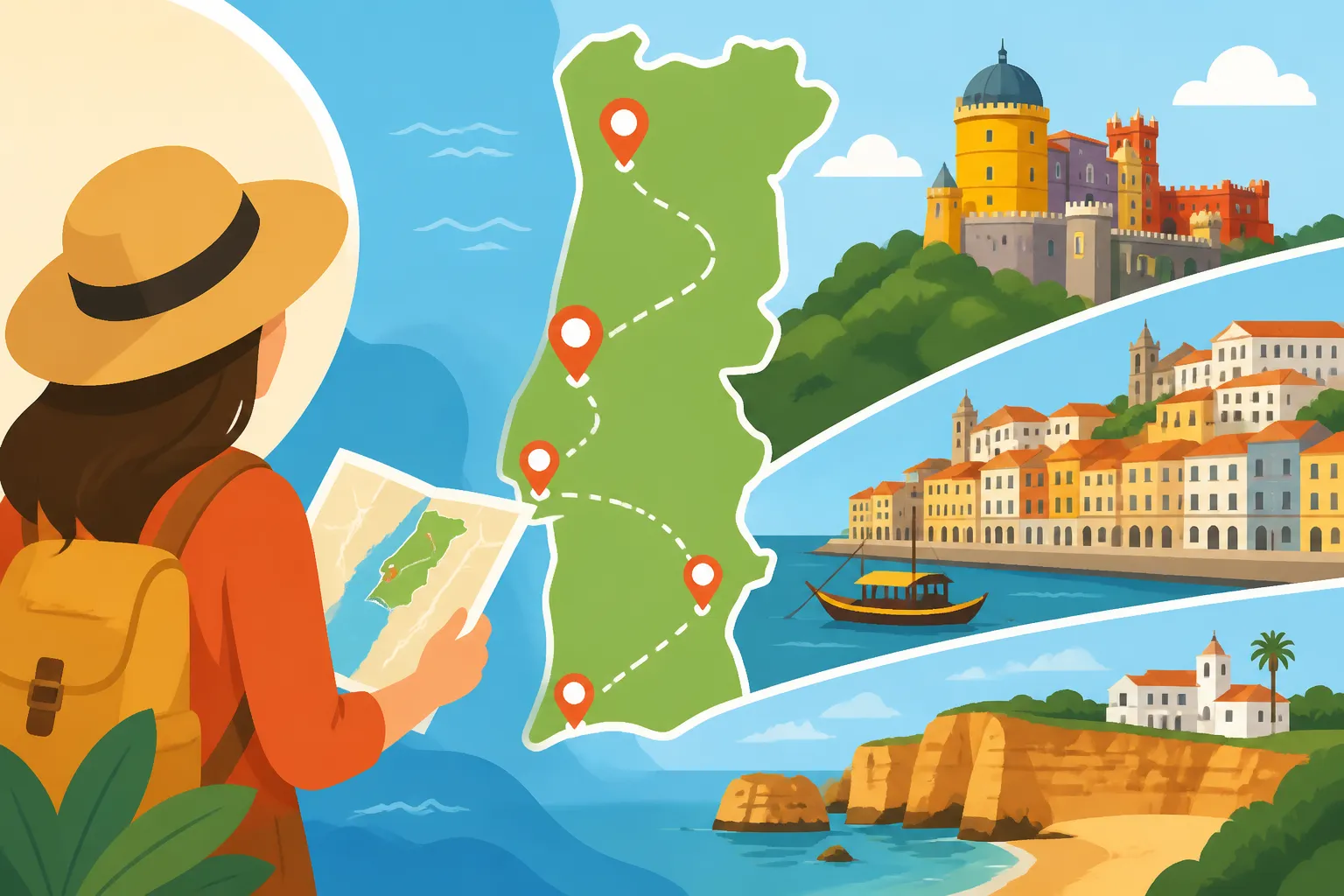
Oh, the quintessential dream of hopping from city to city in Portugal! It sounds absolutely idyllic in theory, doesn't it? The reality, however, can often feel like trying to untangle a bowl of spaghetti – delightful, but messy if you don't know where to start. Many new arrivals and visitors get completely overwhelmed trying to figure out how to see everything from the historic North to the sunny South, all while maximizing their time and minimizing stress. This guide is here to walk you through the practical steps, hidden pitfalls, and local wisdom you'll need to plan a multi-city trip across Portugal that's actually enjoyable, not just a blur of train stations and hotel check-ins.
Deciding on Your Route: North, Central, or South?
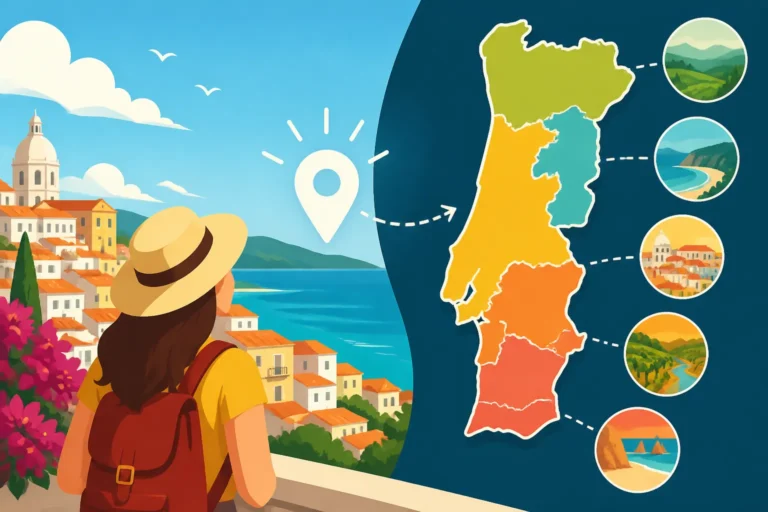
Portugal, while seemingly compact on a map, offers vastly different experiences from one region to the next. Trying to cram every single iconic spot into a single week or even two weeks will leave you exhausted and feeling like you barely scratched the surface. My advice, as someone who's lived through that FOMO: pick a focus. Do you want history and culture, natural beauty, or beach relaxation? This choice will dictate your entire itinerary.
The Allure of Northern Portugal
If medieval charm, grand architecture, and rich gastronomy are calling your name, the North is where your journey should begin. Porto, the undisputed capital of the North, is a natural starting point. From its iconic Ribeira district along the Douro River to its historic Port wine cellars, it's a city that begs to be explored on foot, and often uphill! Don't let the hills deter you; the views are always worth it.
Once you've had your fill of Porto's vibrant energy, the northern region offers fantastic day trips or short stays. Braga, often called the "Rome of Portugal" due to its numerous churches and religious heritage, is a quick train ride away. It has a more stately, devout feel than Porto but still boasts a lively university scene. Then there's Guimarães, the birthplace of Portugal, with its stunning castle and well-preserved medieval center – it's a UNESCO World Heritage site for good reason. For those who love nature and hiking, the Peneda-Gerês National Park, Portugal's only national park, is an absolute gem, though it's best accessed by car. You could easily spend a week or more exploring just this part of the country, savoring the robust local wines and hearty cuisine.
Exploring Central Portugal and Lisbon
Central Portugal is arguably the most common entry point for visitors, primarily because of Lisbon. This city is a whirlwind of seven hills, yellow trams, Fado music, and incredible viewpoints. It's easy to get lost in its labyrinthine streets, but that's part of its charm. Give Lisbon at least 3-4 full days; trying to rush it is a mistake. Beyond the obvious attractions, delve into neighborhoods like Graça for local life or Príncipe Real for boutique shopping and trendy eateries.
From Lisbon, the central region opens up a treasure trove of experiences. Sintra, with its fairytale palaces and mystical forests, is an absolute must-do, though it can get incredibly crowded. Coimbra, home to one of Europe's oldest universities, offers a deep dive into academic history and impressive architecture. Évora, in the Alentejo region, brings you a taste of Roman history and delicious Alentejan food and wine, surrounded by vast plains and cork forests. Even the coastal towns like Nazaré, famous for its giant waves, or Peniche offer a different vibe. Remember, the goal isn't to see everything, but to experience a few places deeply. If you're a history buff and enjoy city life with easy access to charming towns, central Portugal is your sweet spot.
The Charms of Southern Portugal and the Algarve
When visions of golden beaches, dramatic cliffs, and turquoise waters fill your mind, you're thinking of the Algarve. This southern region is Portugal's prime holiday destination, especially for those seeking sun and sea. Faro, with its international airport, often serves as the gateway. However, many expats find Faro itself isn't the highlight, rather it's the beautiful towns dotted along the coast.
Lagos is a perennial favorite, known for its stunning rock formations like Ponta da Piedade and vibrant nightlife. Further west, Sagres offers a more rugged, windswept feel, steeped in maritime history at "the end of the world." To the east, Tavira provides a calmer, more traditional Portuguese experience with its Roman bridge and charming riverfront. The Algarve truly shines during the shoulder seasons (spring and autumn) when the weather is still glorious, but the crowds have thinned. If your multi-city trip involves relaxation by the sea and exploring picturesque coastal towns, dedicate a solid chunk of time to the south. You can explore The Algarve for Expats: Lagos, Faro, and Tavira Compared to get a better idea of what each town offers.
Navigating Portugal: Best Transport Options for Multi-City Travel
Once you have a rough idea of your desired route, the next big hurdle is figuring out how to get from point A to point B. Portugal offers several excellent transport options, each with its pros and cons depending on your budget, time constraints, and desired level of flexibility.
Traveling by Train: Comfort and Convenience
Portugal's national train company, Comboios de Portugal (CP), offers a surprisingly efficient and comfortable way to travel between major cities. The Alfa Pendular (AP) is the high-speed option, connecting Lisbon to Porto in about 2.5-3 hours, with stops in Coimbra along the way. Intercidades (IC) trains are slightly slower but still very good, serving more destinations.
The beauty of train travel here is that stations are usually centrally located, so you step off the train right into the heart of the city, avoiding the hassle of airport transfers. Seats are generally comfortable, and you can relax and watch the beautiful Portuguese countryside roll by. Prices are reasonable, especially if you book in advance (sometimes up to 60 days before travel), and you can often find discounts. For comparing routes and booking tickets, platforms like Omio can be incredibly helpful, showing you all the train options side-by-side. Just be aware that some smaller towns aren't served by train, or the local train lines might be much slower. If you're planning on relying on rail, check out Using Comboios de Portugal (CP) Trains and the Navegante Pass for detailed tips.
Intercity Buses: The Extensive Network
For destinations not covered by trains, or if you're looking for a more budget-friendly option, Portugal's intercity bus network is extensive and reliable. Rede Expressos is the main national operator, but you'll also find international companies like FlixBus serving popular routes at very competitive prices. Buses can reach almost every corner of the country, from small villages to bustling cities.
While generally slower than the high-speed trains, buses are a fantastic way to reach places like Évora in the Alentejo or many towns within the Algarve that don't have direct train connections. They offer a great view of the landscape and often come with amenities like Wi-Fi and power outlets, though this can vary. Again, booking in advance, especially during peak season, is always a good idea. You can easily compare and book bus tickets through Omio as well, making it a one-stop shop for your land transport needs. Just pack some snacks and a good book for those longer journeys!
Renting a Car: Freedom to Explore
For ultimate flexibility, especially if you plan to visit rural areas, wine regions, or charming villages off the beaten path, renting a car is king. It allows you to create your own schedule, stop whenever a scenic viewpoint calls your name, and access places public transport simply doesn't reach efficiently. For example, exploring the Douro Valley or the Alentejo truly comes alive with a car.
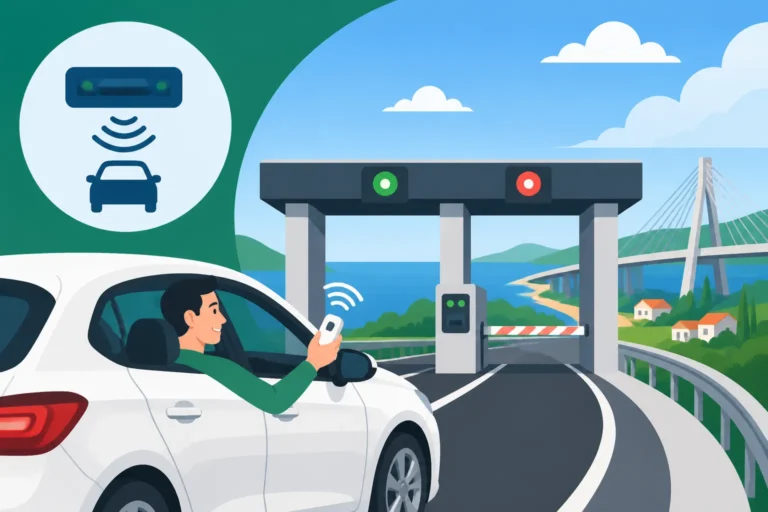
However, driving in Portugal comes with its own set of challenges. City driving, particularly in Lisbon and Porto, can be stressful with narrow streets, aggressive drivers, and limited, expensive parking. The toll roads, while efficient, can be confusing for foreigners to navigate payment-wise without a Via Verde transponder (which most rental cars come with, but double-check). Fuel costs can add up, and Buying a Car in Portugal: IUC Tax, Inspections (IPO), and High Vehicle Costs covers why car ownership itself is pricey. Make sure you're comfortable with manual transmission, as automatics are less common and more expensive to rent. If you do opt for a car, definitely get a Via Verde device from the rental company – it'll save you a lot of headaches with the electronic tolls. For more on this, check out Navigating the Portuguese Toll System: Via Verde and Electronic Tolls.
Domestic Flights: For Island Hopping or Long Distances
While not typically necessary for mainland multi-city trips due to the compact nature of the country, domestic flights become crucial if you're venturing to the islands of Madeira or the Azores. TAP Air Portugal and Ryanair offer regular flights between Lisbon/Porto and the archipelagos. Within the Azores, SATA Air Açores operates inter-island flights, which are essential for exploring multiple islands.
For mainland travel, flying isn't usually cost or time-effective. By the time you get to and from the airports, go through security, and wait for your flight, you've often spent more time than if you'd taken a high-speed train, and certainly more money. So, save the flights for when you're dreaming of volcanic landscapes or flower-filled islands.
Here's a quick comparison of the main transport methods for multi-city travel:
| Transport Method | Cost (approx.) | Speed (Lisbon-Porto) | Flexibility | Coverage | Best For |
|---|---|---|---|---|---|
| High-Speed Train (AP) | Moderate-High | Fast (2.5-3 hrs) | Low-Moderate | Major cities | Speed, comfort, city-center access |
| Intercity Bus | Low-Moderate | Moderate (3.5-4 hrs) | Low-Moderate | Extensive | Budget, smaller towns, rural areas |
| Rental Car | High (fuel, tolls, rental) | Moderate (variable) | High | Unlimited | Rural exploration, scenic drives |
| Domestic Flight | High | Very fast (1 hr air) | Low | Islands, long distances | Island hopping, saving time on very long hauls |
Crafting Your Itinerary: Pacing and Practicalities
Now that you've got a handle on the "where" and "how," let's talk about the "when" and "how much." Pacing is absolutely critical for a multi-city trip to feel like a vacation, not a forced march.
Realistic Pacing: Don't Rush Portugal
My biggest piece of advice: slow down. I've seen countless itineraries where people try to hit a new city every single day, and trust me, they end up utterly exhausted and barely remember what they saw. Portugal deserves more than just a drive-by glance. For a truly immersive experience, aim for a minimum of 2-3 nights in each major city. This gives you one full day to explore upon arrival and another full day to dive deeper or take a day trip without feeling rushed.
For example, if you land in Lisbon and want to see Sintra, you need at least three nights in Lisbon. That gives you a full day for Lisbon itself, a full day for Sintra, and then your travel day to the next location. If you want to experience the nightlife or really soak in the atmosphere of a place like Porto, four nights isn't overkill. When you factor in travel time between cities, packing, unpacking, and navigating new surroundings, anything less than two nights per stop often feels like a waste. Remember, you're not just ticking boxes; you're creating memories.
Accommodation and Activity Bookings
Once your route and pacing are sorted, it's time to lock down your accommodation and plan your activities. Portugal is a hugely popular destination, especially from spring through autumn, so booking well in advance is essential. I'm talking months in advance for peak season, particularly for unique boutique hotels or popular apartments. Using a reliable platform like Booking.com is usually the go-to for many expats and tourists, offering a wide range of options from hostels to luxury hotels, often with free cancellation policies that give you flexibility.
For activities, while some spontaneity is great, having a few key things pre-booked can save you a lot of time and frustration. Think about guided tours in Lisbon, wine tastings in Porto or the Douro, or specific museum visits. Websites like GetYourGuide are fantastic for finding and booking these experiences, often with reviews from other travelers to help you decide. This is particularly true for popular attractions like Pena Palace in Sintra or certain Port wine cellars, where tickets can sell out or queues can be excessively long. Having a few anchors in your itinerary allows for discovery around them.
Essential Practicalities for a Smooth Trip
Beyond the big bookings, there are a few practical elements that can make or break your multi-city adventure.
First up, language. While English is widely spoken in tourist areas and among younger generations, especially in Lisbon and Porto, venturing into smaller towns will quickly remind you that you're in a non-English-speaking country. Even learning a few basic Portuguese phrases like "Olá" (hello), "Obrigado/a" (thank you), "Por favor" (please), and "Desculpe" (excuse me/sorry) will go a long way. Locals truly appreciate the effort, and it can unlock warmer interactions. If you're staying for longer, it’s worth thinking about Learning European Portuguese: Top Apps, Tutors, and Free Government Classes.
Next, cash vs. card. While credit and debit cards are widely accepted, especially in cities, it's always a good idea to carry some cash, particularly for smaller cafes, local markets, or when you’re out in a more rural setting. Portugal's Multibanco system is incredibly efficient, and ATMs are everywhere, but many smaller businesses might prefer cash or only accept local debit cards.
Finally, consider a travel eSIM from a brand like Airalo. Staying connected is invaluable for navigation, checking bus schedules, or quickly looking up a restaurant. A local eSIM saves you from expensive roaming charges and the hassle of swapping physical SIM cards. It's a small detail that makes a huge difference to your peace of mind.
By thoughtfully planning your route, choosing the right transport, and giving yourself enough time to truly savor each destination, your multi-city trip across Portugal won't just be a vacation – it will be an unforgettable adventure. Don't forget to use resources like Booking.com for stays, GetYourGuide for experiences, and Omio for transport comparisons to streamline your planning!
Disclaimer
The information provided in this guide is for general informational purposes only and does not constitute professional advice. While we strive to keep the information up-to-date and correct, rules, regulations, and services in Portugal can change rapidly. Always verify current requirements, prices, and availability with official sources or relevant service providers before making any travel decisions. Travel involves inherent risks, and personal circumstances may vary.