How to Visit Coimbra’s University and Library
Disclosure: This article contains affiliate links. If you buy through them, we may earn a commission at no extra cost to you. Read our full disclosure.
Visiting Coimbra, with its ancient university and the world-renowned Biblioteca Joanina, is a highlight for many expats and tourists in Portugal. However, trying to figure out the best way to see it all – from understanding ticket options to navigating the often-confusing timed entry system for the library – can feel like solving a complex puzzle. This comprehensive guide will walk you through everything you need to know to ensure your visit to this magnificent UNESCO World Heritage site is as seamless and enjoyable as possible.
Understanding the University of Coimbra – Alta & Sofia and its Historical Significance
Stepping onto the grounds of the University of Coimbra is like stepping back in time. This isn't just any university; it's one of the oldest continually operating universities in the world, with roots stretching back to 1290. For centuries, it was the only university in Portugal, deeply shaping the nation's intellectual, political, and cultural landscape. You'll quickly notice that Coimbra itself is profoundly intertwined with its academic institution, a vibrant student city brimming with history and tradition.
The university is broadly divided into two main areas: the "Alta" (Upper Town) and the "Sofia" (Lower Town). The Alta, perched high on the hill, is home to the most iconic and historically significant buildings, including the Joanina Library and the Royal Palace. This is where the solemn ceremonies and academic traditions have unfolded for centuries. The Sofia area, down in the flatter part of the city, encompasses newer faculties and student residences, reflecting the university's continued growth and modernization. Many expats find navigating such a historically dense and geographically challenging city a bit daunting, but with a little planning, it’s entirely manageable.
A UNESCO World Heritage Site with Deep Roots
The University of Coimbra – Alta & Sofia has been recognized as a UNESCO World Heritage site since 2013, a testament to its exceptional cultural and historical value. Its status reflects not only its architectural grandeur but also its pivotal role in European higher education and its profound impact on Portuguese language and culture. The university was originally founded in Lisbon but moved to Coimbra permanently in 1537, bringing with it a rich legacy of learning that has continued uninterrupted.
Walking through its ancient courtyards, you can almost hear the echoes of generations of students and scholars who have passed through these halls. From influential poets and philosophers to key political figures, the university has educated many of Portugal's most prominent personalities. It truly embodies the spirit of intellectual pursuit and resilience, having adapted and thrived through centuries of change. The profound sense of history here is palpable, offering a unique opportunity to immerse yourself in a living piece of Portugal's heritage.
Key Attractions Beyond the Library
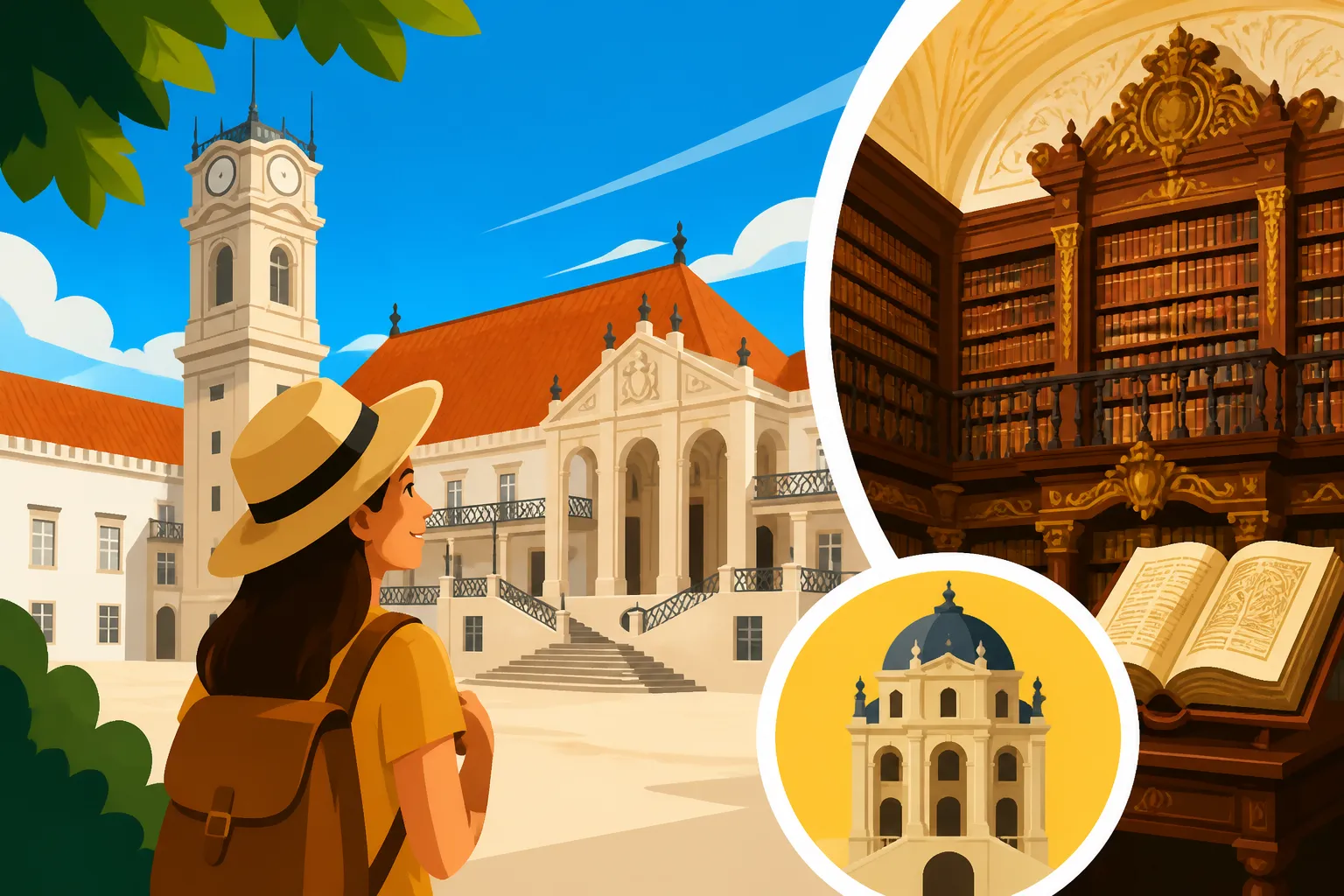
While the Biblioteca Joanina often steals the show, there are numerous other fascinating sites within the university complex that are absolutely worth your time. The Paço das Escolas, or Royal Palace, is the central square from which you can admire the main university tower, which famously chimes to mark the academic day. This vibrant hub, often bustling with students, offers breathtaking panoramic views over the city of Coimbra and the Mondego River.
Adjacent to the square is the magnificent Capela de São Miguel, a Baroque chapel adorned with an intricate, gilded altarpiece and beautiful azulejo tiles. The chapel's organ, still played on special occasions, is a work of art in itself. Don't miss the Academic Prison, a chilling glimpse into the disciplinary methods of old, where students and professors who broke academic rules were once held. Finally, the Sala dos Capelos, the Grand Hall where doctoral degrees are still conferred, showcases stunning portraits of former rectors and elaborate ceiling paintings, offering a profound sense of the university's solemn academic traditions.
Navigating the Joanina Library: The Crown Jewel
The Biblioteca Joanina is not just any old library; it’s a living testament to Baroque artistry and intellectual pursuit. Named after King John V, who commissioned its construction in the early 18th century, it truly stands as a monument to knowledge and opulence. For many, this is the main reason to visit Coimbra, and rightly so, but it requires a bit of planning to ensure you don't miss out.
From the moment you step inside, you're enveloped in an atmosphere of reverence and awe. The interior is a symphony of exotic wood, intricate carvings, and breathtaking trompe l'oeil frescoes that trick the eye into seeing grander, more expansive spaces. The shelves, filled with thousands of ancient tomes, stretch from floor to ceiling, hinting at the vast knowledge contained within. It's a place where you can almost feel the weight of history and the countless stories held within its gilded pages.
Why the Biblioteca Joanina is So Special
What makes the Biblioteca Joanina truly unique, beyond its stunning visual appeal, is its ingenious design and fascinating inhabitants. The library's structure was built to withstand time, with thick walls and robust materials, creating a microclimate that preserves the delicate manuscripts and books. The exotic woods, such as Brazilian rosewood, used throughout the library not only add to its grandeur but also deter wood-eating insects.
Perhaps the most charming and unusual aspect of the library is its colony of bats. Yes, you read that right – bats! These nocturnal residents emerge after closing hours to feast on insects that could harm the precious collection, acting as a natural, albeit unconventional, pest control system. This bizarre yet effective ecological solution is a unique detail that underscores the library's commitment to preservation, often surprising visitors who learn about it. It’s a remarkable fusion of natural history and human ingenuity, making the Biblioteca Joanina an unforgettable experience.
The Timed Entry System and How to Secure Your Slot
Due to its immense popularity and the delicate nature of its contents, the Biblioteca Joanina operates on a strict timed entry system. This isn't like a regular museum where you can just walk in whenever you please. They limit the number of visitors inside at any given moment to protect the environment and minimize wear and tear, which means if you just show up hoping to enter, you'll likely be disappointed or face a very long wait.
The absolute best way to guarantee your entry and avoid frustration is to purchase your tickets online in advance. Seriously, this is non-negotiable, especially during peak tourist season (think summer months and school holidays). When you buy online, you select a specific 15-minute entry window for the library itself. This doesn't mean your entire visit is 15 minutes, but rather that you must enter the library within that allotted time. Many visitors find it helpful to book a guided tour via platforms like GetYourGuide, which can often streamline the entry process and provide invaluable historical context, making the strict timings less stressful. These pre-booked options usually come with a combined ticket for the Royal Palace and the Capela de São Miguel, allowing you to explore these other areas before or after your library slot.
Inside the Biblioteca Joanina: What to Expect
Once your timed slot arrives, you’ll be ushered into the library, typically in small groups. The library itself comprises three main floors or "rooms," though you mainly experience the grand main hall. Each room is more spectacular than the last, with walls lined with books and incredible painted ceilings that draw your eye upwards. You'll likely spend about 10-15 minutes in each of the primary chambers before being gently moved along.
It’s important to manage your expectations: photography is strictly forbidden inside the Biblioteca Joanina to protect the delicate artifacts and to ensure a respectful atmosphere. While this might be a little frustrating for those eager to capture its beauty, it truly allows you to immerse yourself in the moment and appreciate the craftsmanship without distractions. The guides are usually quick to enforce this rule, so put your phone away and just take it all in. After passing through the main library, you’ll often proceed to the Academic Prison and the Capela de São Miguel, which are usually included in the same ticket, allowing for a more complete and unhurried exploration of these additional university treasures.
Planning Your Visit: Tickets, Hours, and Practical Tips
Planning your visit to the University of Coimbra effectively can make all the difference between a rushed, confusing experience and a truly memorable one. While the library is the star, understanding the different ticket types, the best times to go, and how to get around will ensure you soak up all the history and grandeur this magnificent site has to offer. Don't underestimate the hills of Coimbra; comfortable shoes are your best friend here!
Ticket Options and Pricing
When it comes to tickets for the University of Coimbra and its famed library, you'll generally find a few options. Prices are subject to change, but here’s a general idea for 2026:
| Ticket Type | What's Included | Approx. Adult Price (EUR) | Notes |
|---|---|---|---|
| University Standard Tour | Biblioteca Joanina (timed entry), Academic Prison, Capela de São Miguel, Royal Palace (Paço das Escolas), University Tower | €13.50 – €15.00 | This is the most popular option and highly recommended. Must book library entry time. |
| Biblioteca Joanina Only | No, this is rarely offered as a standalone ticket. | Not Applicable | The library is almost always part of a combined ticket. |
| University & Science Museum | University Standard Tour + Science Museum | €18.00 – €20.00 | Good for those with extra time or an interest in the university's scientific contributions. |
| Student/Senior Discount | Available on all tickets | 50% off adult price | Valid student ID or proof of age (e.g., 65+) required. |
| Children (under 12) | Free or reduced | Free – €5.00 | Policies vary; always check current rules. |
It's paramount to purchase your tickets in advance online, particularly if you want to ensure your entry into the Biblioteca Joanina. During peak season, walk-up tickets, if available at all, might mean waiting for hours for a slot that day, or worse, finding that all slots are sold out. Many official university tours or guided experiences also bundle these entries, which can be a convenient way to navigate the site.
Best Time to Visit and Avoiding Crowds
Portugal is known for its beautiful weather, but visiting Coimbra, especially the university, has its strategic timing. The absolute best time to visit is during the shoulder seasons—spring (April-May) or early autumn (September-October). The weather is usually pleasant, not too hot, and the crowds are noticeably thinner than in the summer months. You'll have an easier time securing your preferred library slot and navigating the historic streets.
Summer (June-August) brings significantly larger crowds, higher temperatures, and a greater chance of sell-outs for the Biblioteca Joanina. If summer is your only option, aim for the earliest possible entry time in the morning, right when they open. This gives you a slight edge before the tour buses and larger groups descend. Weekdays are generally less crowded than weekends, and avoiding Portuguese public holidays or school breaks is always a good idea. Consider checking the university's official website for any special closures or events that might impact visitor access.
Getting There and Around Coimbra
Coimbra is well-connected to major Portuguese cities like Lisbon and Porto, making it an easy day trip or overnight stay. If you're coming from afar, trains are often the most comfortable and scenic option. The national rail service, Comboios de Portugal (CP), offers frequent connections. You can easily book your train tickets through platforms like Omio, which can compare different routes and prices. For those looking to optimize their travel around the country, understanding options like the Using Comboios de Portugal (CP) Trains and the Navegante Pass can be very helpful.
Once you arrive at Coimbra-A train station (or Coimbra-B, which connects to A via a short local train), the university is a bit of a hike uphill. While it's walkable, be prepared for some steep climbs and cobblestone streets – wear comfortable shoes! Taxis or ride-sharing apps are readily available from the station if you prefer to save your energy. If you've chosen to drive to Coimbra, parking near the university can be a challenge. There are paid underground parking garages, but they fill up quickly. For those who frequently drive in Portugal, knowing about Public Transport and Driving in Portugal: Trains, Tolls, and Licenses and the process for Driving in Portugal: Exchanging Your Foreign License to a Portuguese One is invaluable.
Accessibility and Other Considerations
As a historic site built centuries ago, the University of Coimbra complex, particularly the Alta area, presents significant accessibility challenges. The cobblestone streets, steep inclines, and numerous stairs can be difficult for individuals with mobility issues, those using wheelchairs, or even parents pushing strollers. While efforts are often made to improve accessibility where possible, it’s not always feasible in such ancient structures.
If you have specific accessibility needs, it's highly recommended to contact the university's visitor services in advance to inquire about routes, elevator access (where available), and any special assistance they might offer. Don't expect smooth, flat paths throughout. Restroom facilities are available, but they might not be located directly within every attraction. There are also several cafes and small eateries within walking distance of the main university square where you can grab a coffee and a pastry, perhaps reflecting on Portuguese Coffee Culture and Restaurant Etiquette: Ordering Like a Local.
Making the Most of Your Coimbra Experience
Coimbra is more than just its famous library; it's a city with a unique student soul, vibrant traditions, and a charm all its own. To truly appreciate your visit, step beyond the main attractions and delve into the local rhythms and flavors. This is where you'll find the authentic heart of this historic Portuguese city.
Beyond the Books: Exploring the University City
After you've had your fill of ancient books and academic grandeur, take some time to simply wander. The narrow, winding streets of Coimbra's old town are a delight to explore, revealing hidden staircases, quaint shops, and lively squares. The student quarter, particularly around República square, buzzes with a youthful energy that contrasts beautifully with the solemnity of the university's upper grounds. This is a university town through and through, where the presence of students, clad in their traditional black capes (the capa e batina), is a constant reminder of its academic heritage.
Coimbra is also famous for its unique style of Fado, distinct from Lisbon or Porto Fado. Traditionally sung by male students, it often features guitars played with a specific, melancholic tuning and reflects themes of student life, love, and longing for Coimbra. Catching a live Fado performance in a local tavern can be a deeply moving and authentic cultural experience. For those comparing different Portuguese cities for living or visiting, Coimbra offers a distinct blend of history, youth, and traditional culture that sets it apart from larger metropolises like Lisbon or Porto, as discussed in guides like Where to Live in Portugal: Lisbon, Porto, Algarve, and Silver Coast Compared.
Where to Stay and Eat
To truly experience Coimbra, consider staying overnight. This allows you to explore at a more relaxed pace and enjoy the city's ambiance after the day-trippers have departed. You'll find a range of accommodation options, from charming boutique hotels nestled in the old town to modern guesthouses and even university-style dorms. Booking.com offers a wide selection, so you can easily find something that fits your budget and style. Early booking is always recommended, especially if you're traveling during peak season.
When it comes to food, Coimbra has some regional specialties you absolutely must try. The most famous is probably leitão assado à Bairrada, succulent roast suckling pig, often served with crispy skin and thinly sliced orange. It’s a rich, flavorful dish that’s a highlight of the local cuisine. Beyond that, you'll find plenty of traditional Portuguese restaurants (known as tascas or restaurantes) serving fresh seafood, hearty stews, and delicious pastries. Don't forget to practice some of the tips from Tipping culture in Portugal: Do you leave 10% or just round up the bill? or explore local markets for fresh produce, as outlined in Grocery Shopping in Portugal: Continente, Pingo Doce, Auchan, and Mercados.
Essential Portuguese Phrases for Your Visit
While many people in tourist areas of Coimbra speak English, especially younger generations and those working in tourism, knowing a few basic Portuguese phrases will go a long way. It shows respect for the local culture and can often lead to warmer interactions. Even a simple "Olá" (hello) or "Obrigado/a" (thank you – 'o' for male, 'a' for female) is appreciated.
Here are a few useful phrases:
- Olá! – Hello!
- Bom dia! / Boa tarde! / Boa noite! – Good morning! / Good afternoon! / Good evening!
- Por favor – Please
- Obrigado/Obrigada – Thank you
- Desculpe – Excuse me / Sorry
- Quanto custa? – How much does it cost?
- Um bilhete, por favor – One ticket, please
- Fala inglês? – Do you speak English?
- Adeus – Goodbye
Don't be shy to try them out! The Portuguese are generally very patient and encouraging when foreigners attempt their language. If you’re feeling ambitious about improving your Portuguese, resources like Learning European Portuguese: Top Apps, Tutors, and Free Government Classes can be a great starting point, whether you're a long-term expat or just a dedicated traveler. Keep in mind that even small efforts to communicate in the local language can enhance your entire travel experience and provide insights into Daily Life in Portugal: Supermarkets, Language, and Cultural Etiquette. And always remember to factor in the general Cost of Living in Portugal 2026: Detailed Budgets for Singles and Families when planning your travel expenses.
Disclaimer
Please note that while every effort has been made to provide accurate and up-to-date information, rules, prices, and procedures in Portugal can change rapidly. Always cross-reference details with official sources, such as the University of Coimbra's official website or local government advisories, before making any definitive plans. This guide is for informational purposes only and does not constitute official advice.