Portugal’s Regions and Where to Go: A Traveler’s Overview
Disclosure: This article contains affiliate links. If you buy through them, we may earn a commission at no extra cost to you. Read our full disclosure.
Oh, Portugal! It's a country that captures hearts, but when you're first dreaming of visiting or even moving here, the sheer variety can be utterly overwhelming. You scroll through beautiful photos, see mention of Lisbon, then Porto, then the Algarve, and suddenly you're wondering if you’re missing out on some hidden gem. This guide is here to untangle that beautiful mess, helping you understand the distinct flavors of Portugal's regions so you can choose the perfect places to explore, or even call home.
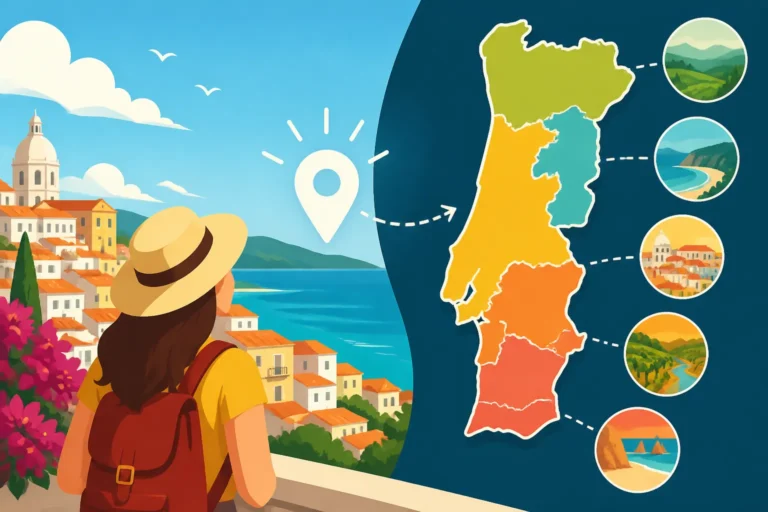
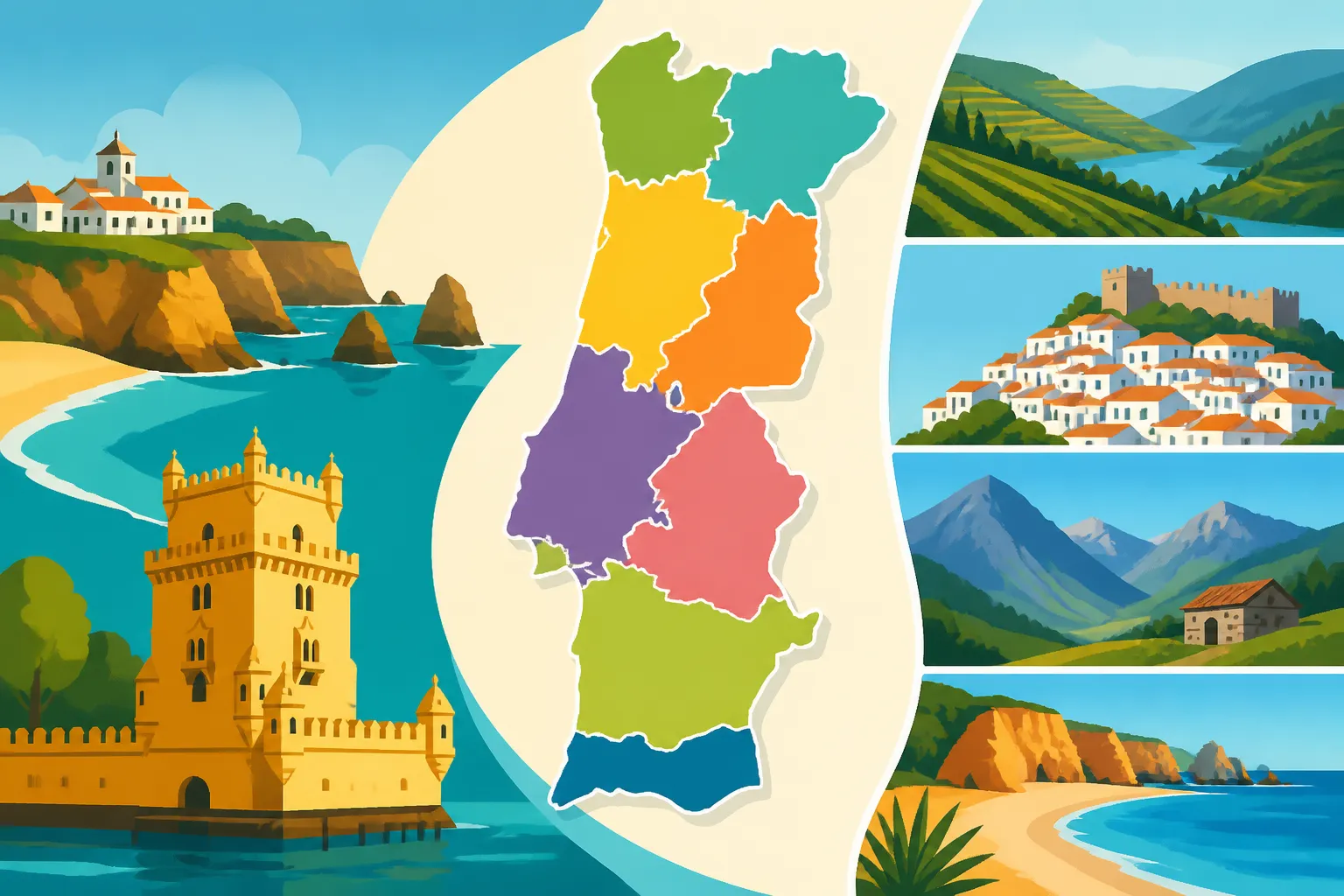
Understanding Portugal's Diverse Regions
When people think of Portugal, they often picture Lisbon, Porto, and maybe the sunny beaches of the Algarve. While these spots are undeniably iconic, Portugal is a tapestry woven with incredibly diverse landscapes, traditions, and micro-climates. It's truly astonishing how much variety you can find in such a relatively small country, from lush green mountains in the north to the arid plains of the Alentejo, and the volcanic drama of the islands. Each region has its own rhythm, its own culinary delights, and its own way of welcoming you. You really do yourself a disservice by sticking to just the major cities; the magic of Portugal often lies in its less-trodden paths.
The North: Culture, Mountains, and Wine
The north of Portugal is where the country’s very soul feels most palpable. It’s a region of deep-rooted traditions, stunning natural beauty, and, of course, the birthplace of Vinho Verde and Port wine. This area offers a refreshing contrast to the capital, with a more rugged charm and often a slightly cooler, wetter climate that contributes to its verdant landscapes. Don't let the weather put you off though; the cozy taverns, hearty food, and genuine warmth of the locals are all the sunshine you'll need.
Porto and Douro Valley
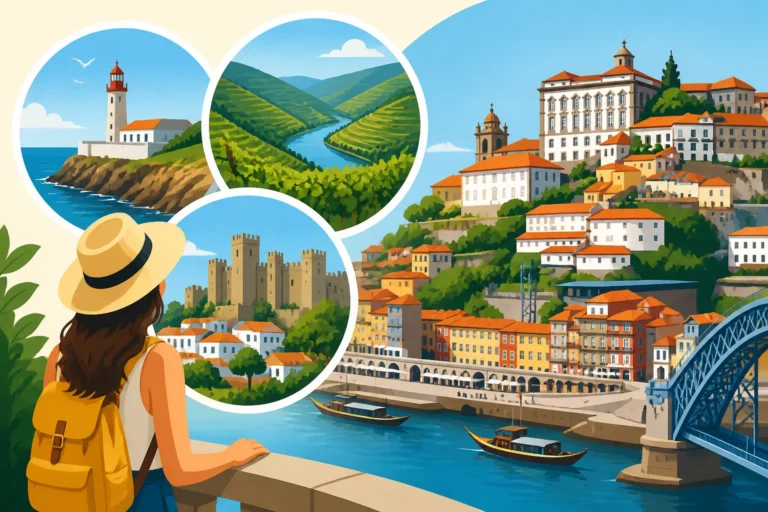
Porto, the second-largest city, is a gritty, vibrant, and utterly charming metropolis spread across hills overlooking the Douro River. It’s famous for its historic Ribeira district, colorful houses, and port wine cellars that line the Vila Nova de Gaia riverfront. Beyond the port tastings, Porto offers incredible architecture, a thriving food scene, and a lively cultural calendar. It feels lived-in, authentic, and wonderfully unpretentious compared to Lisbon. From Porto, you’re on the doorstep of the majestic Douro Valley, a UNESCO World Heritage site where vineyards cling to impossibly steep terraces. A trip up the Douro, whether by scenic train, car, or a river cruise, is an absolute must-do. It's a place of breathtaking beauty, where you can visit quintas (wine estates), sample exquisite wines, and simply soak in the tranquility. You can even find tours that handle all the logistics, often including wine tastings and lunch, which is a fantastic way to experience it without worrying about driving after sampling the goods. Consider looking into options on GetYourGuide to plan your vineyard hopping adventure.
Minho Braga, Guimarães, and the Green North
Head further north into the Minho region, and you’ll find yourself in the "green heart" of Portugal. This is where you’ll discover Braga, often called the "Rome of Portugal" due to its numerous churches and religious festivals, most notably the stunning Bom Jesus do Monte sanctuary. Braga is a city of elegant plazas, ancient university vibes, and a slower pace of life than Porto. Just a short hop away is Guimarães, the birthplace of Portugal as a nation. With its medieval castle and historic center, also a UNESCO World Heritage site, Guimarães feels like stepping back in time. It's smaller, quieter, and deeply steeped in history, offering a truly authentic glimpse into Portugal's past. The Minho is also famous for its refreshing Vinho Verde wine, which pairs perfectly with the region's rich seafood and traditional dishes.
Trás-os-Montes
Often overlooked by first-time visitors, the Trás-os-Montes region, meaning "behind the mountains," is one of Portugal's most remote and least populated areas. This rugged, wild landscape is characterized by ancient granite villages, vast natural parks, and a strong sense of local identity. Cities like Bragança and Chaves offer historical castles, Roman bridges, and thermal baths, but the real draw here is the untouched nature and the genuine warmth of its people. It’s a place to slow down, hike, discover traditional farming practices, and savor robust, flavorful cuisine often featuring local smoked meats and sausages. If you’re looking for genuine escapism and a deep dive into an older, more traditional Portugal, Trás-os-Montes is your spot.
Central Portugal: History, Nature, and Academia
Moving south from the North, Central Portugal offers a rich tapestry of historical cities, dramatic mountain ranges, and a beautiful coastline. It’s a region where ancient traditions blend with academic fervor and exhilarating natural beauty.
Coimbra and Aveiro
Coimbra is Portugal's historic university city, home to one of the oldest universities in Europe, perched majestically on a hill overlooking the Mondego River. The university's Baroque library, the Biblioteca Joanina, is a sight to behold, and the city itself buzzes with student life, fado music (Coimbra has its own distinct, male-dominated style), and a charming medieval center. It’s a city that feels alive with history and intellectual curiosity. Not too far, you'll find Aveiro, often dubbed the "Venice of Portugal" thanks to its charming canals plied by colorful moliceiro boats. This coastal city is known for its art nouveau architecture, delicious ovos moles (sweet egg yolk confections), and beautiful sandy beaches just a short bus ride away. It’s a lighter, breezier experience compared to Coimbra's academic gravitas.
Serra da Estrela
For nature lovers and adventurers, the Serra da Estrela mountain range is an absolute gem. This is mainland Portugal's highest mountain range, and in winter, it's actually where you can find the country's only ski resort. Beyond the snow, the Serra da Estrela offers stunning hiking trails, crystal-clear lakes, and picturesque mountain villages year-round. It's also famous for its delicious Serra da Estrela cheese, a creamy, intensely flavored sheep's milk cheese that is a true culinary delight. The air here is crisp, the landscapes are dramatic, and it’s a wonderful escape from the heat of the cities in summer.
Coastal Central: Nazaré, Peniche, and Beyond
The central coast is a dynamic stretch known for its powerful Atlantic waves and charming fishing villages. Nazaré, in particular, has gained international fame for its monstrous waves, attracting big-wave surfers from around the globe. Even if you're not a surfer, watching these colossal waves from the cliffs of Sítio is an awe-inspiring experience, especially during the winter months. Peniche, another prominent coastal town, is a hub for surfing and a great base for exploring the nearby Berlengas Islands, a protected nature reserve with stunning turquoise waters. This region offers a rugged beauty, fresh seafood at every turn, and a more laid-back, beach-centric lifestyle.
Lisbon Metropolitan Area: Urban Buzz and Coastal Charm
Ah, Lisbon! It's usually the first stop for most visitors, and for good reason. The capital is a captivating blend of old-world charm and modern vibrancy, but the surrounding areas offer equally enticing experiences, from opulent palaces to serene beaches.
Lisbon City
Lisbon itself is a city of seven hills, where historic trams rattle through narrow, winding streets, and miradouros (viewpoints) offer breathtaking vistas over terracotta rooftops and the Tagus River. Each neighborhood has its own distinct personality: the historic Alfama with its fado houses, the bohemian Bairro Alto, the elegant Chiado, and the grand avenues of Baixa. The city's energy is infectious, with a fantastic food scene, lively nightlife, and a growing international community. However, it can also be incredibly crowded, especially in peak tourist season, and the hills are no joke! For those considering a longer stay, diving into the various neighborhoods is essential. Check out our guide on the Lisbon Neighborhood Guide: Best Areas for Expats and Digital Nomads to get a better feel for where to settle.
Cascais and Sintra
Just a short, scenic train ride from Lisbon, you'll find the elegant coastal town of Cascais. Once a fishing village, it transformed into a favored retreat for Portuguese royalty and now attracts expats and tourists alike with its charming old town, beautiful beaches, and a relaxed, upscale vibe. It's perfect for a day trip or a longer, quieter stay away from the city bustle. Inland from Cascais, nestled in the Sintra mountains, lies the fantastical town of Sintra, another UNESCO World Heritage site. This magical place is straight out of a fairy tale, with whimsical palaces like the colorful Pena Palace, the mysterious Quinta da Regaleira with its initiation well, and the ancient Moorish Castle. Sintra is breathtaking but also incredibly popular, so plan your visit strategically, perhaps with a GetYourGuide tour to maximize your time and avoid queues.
Setúbal Peninsula
South of Lisbon, across the 25 de Abril Bridge, the Setúbal Peninsula offers a different kind of charm. This region is known for its stunning natural park, Serra da Arrábida, with its pristine white-sand beaches and clear turquoise waters – a truly unexpected slice of paradise so close to the capital. The city of Setúbal itself is a bustling port city famous for its fresh seafood, especially choco frito (fried cuttlefish). The region is also home to excellent wineries, particularly known for their Moscatel wines. It’s a fantastic area for those who appreciate nature, good food, and a slightly more authentic, less tourist-driven experience. You can easily reach Setúbal from Lisbon via train or bus, and if you rent a car, the scenic drives through Arrábida are unforgettable.
The Allure of the Alentejo: Plains, Cork, and Gastronomy
The Alentejo is often described as the "breadbasket of Portugal," a vast, sun-baked region characterized by rolling plains, ancient cork oak forests, olive groves, and whitewashed towns. It’s a place where time seems to slow down, and the rhythm of life is dictated by the sun and the seasons. The Alentejo offers a deep dive into Portugal's rural heart, a striking contrast to the coastal bustle. The region is particularly renowned for its robust, flavorful cuisine and its award-winning wines.
Inland Alentejo: Evora, Marvão, and the Great Outdoors
Evora, the capital of the Alentejo and a UNESCO World Heritage site, is a historical gem. Its well-preserved Roman Temple, chilling Chapel of Bones, and charming old town make it a captivating destination. Walking through Evora's streets feels like a journey through different eras of Portuguese history. Beyond Evora, the Alentejo is dotted with enchanting hilltop fortified towns like Marvão and Monsaraz, offering incredible panoramic views and a sense of timelessness. These are places where you can truly unplug, enjoy the silence, and gaze at starry night skies that are free from light pollution. The region is also perfect for outdoor activities, from hiking and cycling through nature reserves to exploring megalithic sites that predate the Romans.
Alentejo Coast: Wild Beaches and Seafood
While the inland Alentejo is all about golden plains, the Alentejo coast presents a dramatic, wild, and incredibly beautiful shoreline. Stretching from the Setúbal Peninsula southwards, this coast is less developed than the Algarve, with expansive, unspoiled beaches backed by cliffs and dunes. Towns like Sines, Vila Nova de Milfontes, and Zambujeira do Mar offer a laid-back atmosphere and fantastic seafood restaurants. It's a paradise for surfers, nature lovers, and anyone seeking pristine beaches without the crowds. The Rota Vicentina, a network of hiking trails along this stunning coastline, is a particular highlight, offering some of the most spectacular coastal walks in Europe. You can find everything from cozy guesthouses to boutique hotels along this stretch, making it ideal for a quiet getaway. To check out options for accommodation, Booking.com is a good place to start.
The Sunny South: Algarve's Beaches and Beyond
The Algarve is probably Portugal's most famous region, synonymous with golden beaches, dramatic cliffs, and endless sunshine. While it sometimes gets a bad rap for being overly touristy, it's a large region with many different facets, offering everything from bustling resorts to serene nature parks and authentic fishing villages. Don't dismiss it entirely, even if you're not a fan of crowds; there are still plenty of hidden corners to discover.
Western Algarve: Surfing, Cliffs, and Nature Parks
The western Algarve, particularly the area around Sagres and Lagos, is a rugged and beautiful part of the coast. Sagres, the "End of the World," is famous for its powerful waves, making it a mecca for surfers. It also boasts a dramatic fort and lighthouse at Cabo de São Vicente, the southwesternmost point of mainland Europe, where you can watch incredible sunsets. Lagos offers a lively historic town, stunning rock formations and grottoes (like Ponta da Piedade), and beautiful smaller beaches. Further west, the Costa Vicentina Natural Park preserves a wilder, less developed coastline, ideal for hiking, birdwatching, and finding secluded coves. This area generally appeals to a younger, more adventurous crowd, or those looking for more active holidays.
Central Algarve: Resorts, Golf, and Family Fun
This is the Algarve that most people envision: a stretch of coast dotted with large resorts, golf courses, and family-friendly beaches. Towns like Albufeira, Vilamoura, and Quarteira offer a plethora of amenities, from water parks and nightlife to marinas and international restaurants. While it can be busy, especially in summer, it's perfectly suited for families or travelers who want convenience, a wide choice of activities, and reliable sunshine. The beaches here are generally wide, sandy, and well-equipped with facilities. If you're looking for an easy, comfortable beach holiday with plenty to do, this part of the Algarve delivers. For a more detailed comparison of specific towns, our guide to The Algarve for Expats: Lagos, Faro, and Tavira Compared can offer some insights.
Eastern Algarve: Authentic Villages and Ria Formosa
The eastern Algarve, stretching from Faro towards the Spanish border, offers a distinctly different, more tranquil experience. This area is characterized by the stunning Ria Formosa Natural Park, a labyrinth of canals, islands, and sandbanks that is a haven for migratory birds and marine life. Charming, authentic fishing towns like Tavira, Olhão, and Cabanas de Tavira offer a glimpse into traditional Portuguese life, with cobbled streets, historic churches, and delicious fresh seafood. The beaches here are often reached by short ferry rides to barrier islands, providing a sense of seclusion and untouched beauty. This part of the Algarve is ideal for those seeking a more relaxed pace, cultural immersion, and incredible natural landscapes.
Island Paradises: Madeira and the Azores
Beyond the mainland, Portugal boasts two stunning archipelagos in the Atlantic Ocean, each offering its own unique natural wonders and appeal. While they are part of Portugal, they have a distinct culture and environment, making them feel like entirely different countries. For a broader overview of island life, consider our comprehensive article on Madeira and Azores: Island Living, Costs, and Expat Communities.
Madeira: The Garden Island
Madeira, often called the "Garden Island" or "Pearl of the Atlantic," is an incredibly lush and mountainous volcanic island known for its dramatic cliffs, exotic flora, and subtropical climate. Its capital, Funchal, is a charming city with a beautiful harbor, historic market, and vibrant Fado music scene. Madeira is a paradise for hikers, with its famous levada walks – irrigation channels that crisscross the island, offering relatively flat trails through stunning landscapes. Beyond hiking, you can explore charming villages, sample the famous Madeira wine, and enjoy a unique blend of adventure and relaxation. The island feels like a giant botanical garden, with vibrant flowers blooming year-round.
The Azores: Nature's Untamed Beauty
Further out in the Atlantic, the nine islands of the Azores archipelago are a true natural wonder. These volcanic islands are characterized by dramatic landscapes, emerald-green pastures, shimmering crater lakes, hot springs, and abundant marine life. Each island has its own unique character, from the vibrant capital of Ponta Delgada on São Miguel (the largest island), with its bustling city life and hot springs, to the rugged, wild beauty of Flores or the volcanic vineyards of Pico. The Azores are an eco-tourism dream, offering incredible opportunities for hiking, whale watching, diving, and simply immersing yourself in pristine nature. If you're looking for an escape into raw, untamed beauty, far from the madding crowds, the Azores are an unparalleled choice.
Navigating Your Portuguese Adventure: Practical Tips
Now that you have a mental map of Portugal's diverse regions, let's talk about the practicalities of getting around and making the most of your trip. Portugal is generally a very easy country to travel in, but a little planning goes a long way, especially if you want to avoid common expat frustrations.
Getting Around: Trains, Buses, and Cars
Portugal has a surprisingly efficient public transport network, especially between major cities. The national train service, Comboios de Portugal (CP), connects Lisbon with Porto, Coimbra, and the Algarve, offering comfortable and reasonably priced travel. For more remote areas, or to reach towns not on the main rail lines, long-distance buses (Rede Expressos and FlixBus are popular) are an excellent option. For ultimate flexibility, especially if you plan to explore the Alentejo, Serra da Estrela, or the wilder parts of the coast, renting a car is highly recommended. Portugal's roads are generally well-maintained, but be prepared for narrow, winding streets in historic centers and the infamous toll roads. For comparing travel options and booking tickets, Omio can be a handy tool, allowing you to see train, bus, and even flight options in one place. We've got a detailed guide to Public Transport and Driving in Portugal: Trains, Tolls, and Licenses that can help you navigate these choices.
Accommodation Choices: From Guesthouses to Resorts
Portugal offers a vast array of accommodation options to suit every budget and travel style. In cities, you'll find everything from charming boutique hotels and guesthouses (alojamento local) to modern international chains. For a more local experience, consider staying in a historic pousada (often converted monasteries or castles) or a rural tourism farmhouse (turismo rural) in the Alentejo or the North. The Algarve, of course, has a huge selection of resorts, apartments, and villas, especially in the central areas. Booking.com is a popular platform for finding accommodations across all regions, from budget-friendly hostels to luxury stays. If you’re planning a longer stay or seeking temporary accommodation, remember that landlords might ask for a guarantor, a common hurdle for new expats. Our guide to Renting an Apartment in Portugal: Contracts, Fees, and Tenant Rights dives deep into what you need to know.
Planning Your Itinerary: Pacing and Priorities
Portugal might look small on a map, but trying to cram too much into one trip is a common mistake. Each region deserves time to be properly explored. Instead of trying to see the entire country in a week, consider focusing on one or two regions to truly savor the experience. For instance, combine Lisbon with the Alentejo, or Porto with the Douro Valley and Minho. Travel days, even short ones, can eat into your precious vacation time. Think about what truly draws you to Portugal – is it the history, the beaches, the wine, the food, or the hiking? Prioritize those interests, and allow yourself to wander a bit. Remember, the beauty of Portugal is often found in the unplanned detours, the casual conversations, and the unexpected moments of discovery.
Cultural Nuances and Local Experiences
Part of the joy of traveling or moving to Portugal is immersing yourself in its rich culture. Beyond the sightseeing, it's the daily interactions, the culinary delights, and understanding the local way of life that truly enriches the experience.
Food and Drink: A Regional Journey for Your Palate
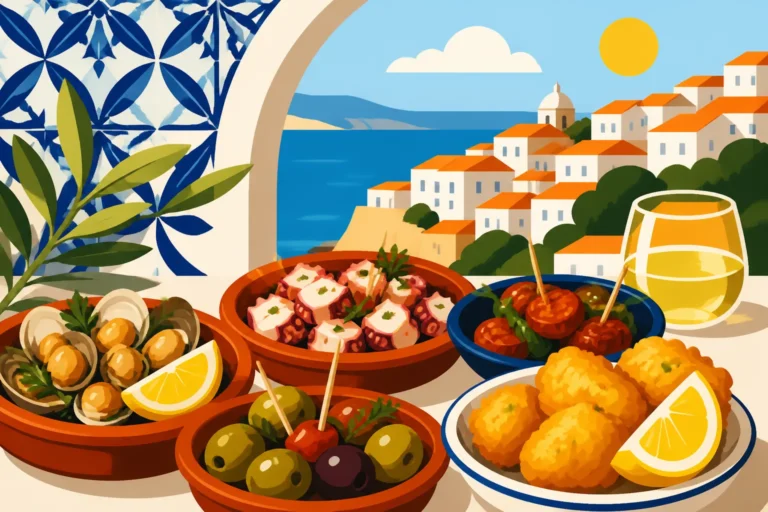
Portuguese cuisine is a journey in itself, deeply rooted in fresh, local ingredients and a history of exploration. Seafood is paramount along the coast, with bacalhau (codfish) appearing in hundreds of variations. In the north, you'll find heartier dishes, often featuring robust meats and rich stews, accompanied by crisp Vinho Verde. The Alentejo is famous for its slow-cooked pork, lamb, and a bread-based soup called açorda. And let's not forget the pastries – pastel de nata is just the beginning! Each region boasts its own specialty wines, cheeses, and charcuterie. Don't be afraid to try everything, even if you don't recognize the name. Head to local tascas (traditional taverns) for the most authentic and often incredibly affordable meals.
Language and Communication: Beyond "Olá" and "Obrigado"
While many Portuguese, especially in tourist areas and major cities, speak excellent English, making an effort to learn a few basic Portuguese phrases goes a long way. Locals truly appreciate it, and it can open doors to more genuine interactions. Even a simple "Olá" (hello), "Obrigado/a" (thank you), and "Por favor" (please) can make a huge difference. Don't be surprised if the pronunciation feels tricky at first; European Portuguese has unique sounds that can be a challenge. But keep practicing! If you're considering a longer stay, diving into the language is almost essential. Our guide to Learning European Portuguese: Top Apps, Tutors, and Free Government Classes can help you get started on that journey.
Connecting with Locals: Embracing the Portuguese Way of Life
Portuguese people are generally warm, hospitable, and family-oriented. They value politeness and respect. Don't be surprised if conversations are more direct than you might be used to, but it's rarely meant aggressively. Embrace the slower pace of life, especially outside the bustling cities. Lunch can be a long, leisurely affair, and punctuality, while appreciated, isn't always as rigid as in some other cultures. Take the time to observe, listen, and engage. Portuguese café culture is a cornerstone of daily life – grab a bica (espresso) and observe the world go by. These small moments are where the true magic of Portugal reveals itself.
Making Your Move: Short-Term Visits vs. Long-Term Stays
Many visitors fall so deeply in love with Portugal that they start dreaming of making it their home. While a short vacation offers a taste, living here is a whole different ballgame. Understanding the distinctions and what a longer commitment entails is crucial.
Temporary Visitor Considerations
As a temporary visitor, whether you're here for a week or a couple of months, your focus is primarily on experiencing the culture, sightseeing, and enjoying the relaxed lifestyle. You'll rely heavily on tourist infrastructure, and while you might encounter minor bureaucratic quirks, they typically won't impact your stay significantly. You can use your foreign driver's license, your international phone plan, and easily book tours and activities. Transport is fairly easy to figure out, and short-term rentals are plentiful. However, even as a visitor, understanding the local etiquette and trying to speak a little Portuguese will enhance your experience immensely.
Life as an Expat: What to Expect
If you're considering a more permanent move, the landscape shifts dramatically. Suddenly, you're not just a visitor; you're navigating the residency process, the tax system, finding long-term accommodation, and integrating into daily life. This is where the real adventure – and sometimes frustration – begins. You'll need to obtain a NIF (tax number), open a bank account, and potentially get a visa like the D7 Passive Income Visa Portugal: 2026 Requirements and Step-by-Step Process or the D8 Digital Nomad Visa. You'll also need to understand the Portuguese Taxes for Expats: IRS, Tax Residency, and Filing Deadlines and how your income will be treated. The healthcare system, while excellent, requires registration. Our comprehensive Portugal's National Health Service (SNS): How the Public System Works guide can illuminate this often-complex area.
The Cost of Living in Portugal 2026: Detailed Budgets for Singles and Families is generally lower than in many Western European or North American countries, but salaries also tend to be lower if you plan to work locally. Finding a job, unless you’re in a highly specialized field or work remotely, can be challenging without fluent Portuguese. Our guide to Working in Portugal as an Expat: Job Market, Culture, and Hiring in 2027 can provide invaluable insights. Building a life here means embracing the local pace, which can sometimes feel slow or inefficient when dealing with bureaucracy, but it also means enjoying a rich cultural experience, wonderful food, and a fantastic quality of life. The vibrant expat communities in places like Lisbon, Porto, and the Algarve can be a great source of support and information.
| Region | Best For | Typical Vibe | Notable Attractions |
|---|---|---|---|
| North (Porto) | Culture, wine, history, gastronomy | Authentic, historic, bustling, green | Porto's Ribeira, Douro Valley, Braga, Guimarães |
| Central (Coimbra) | History, academia, nature, surf | Academic, historical, rural, dramatic coastline | Coimbra University, Serra da Estrela, Nazaré, Aveiro |
| Lisbon & surrounds | City breaks, culture, urban life, day trips | Cosmopolitan, lively, charming, varied | Lisbon's historic districts, Sintra palaces, Cascais beaches |
| Alentejo | Rural escape, food & wine, history, wild beaches | Tranquil, traditional, spacious, hot in summer | Evora, fortified villages, Alentejo coast, dark skies |
| Algarve | Beaches, golf, sunshine, family holidays | Sunny, resort-focused (central), wilder (west/east) | Golden beaches, Ponta da Piedade, Ria Formosa, Sagres |
| Madeira | Hiking, nature, botanical gardens, relaxation | Lush, volcanic, subtropical, dramatic | Levada walks, Funchal, Pico Ruivo, exotic flora |
| Azores | Eco-tourism, adventure, wild nature, hot springs | Untamed, volcanic, green, rugged | Crater lakes, whale watching, hot springs, pristine landscapes |
Disclaimer
The information provided in this guide is intended for general informational purposes only and does not constitute legal, financial, or immigration advice. While we strive to keep the information up-to-date and accurate, regulations and conditions in Portugal can change rapidly. It is highly recommended to consult with qualified professionals, such as immigration lawyers, financial advisors, or tax consultants, for advice tailored to your specific situation before making any decisions related to travel, residency, or financial matters in Portugal.