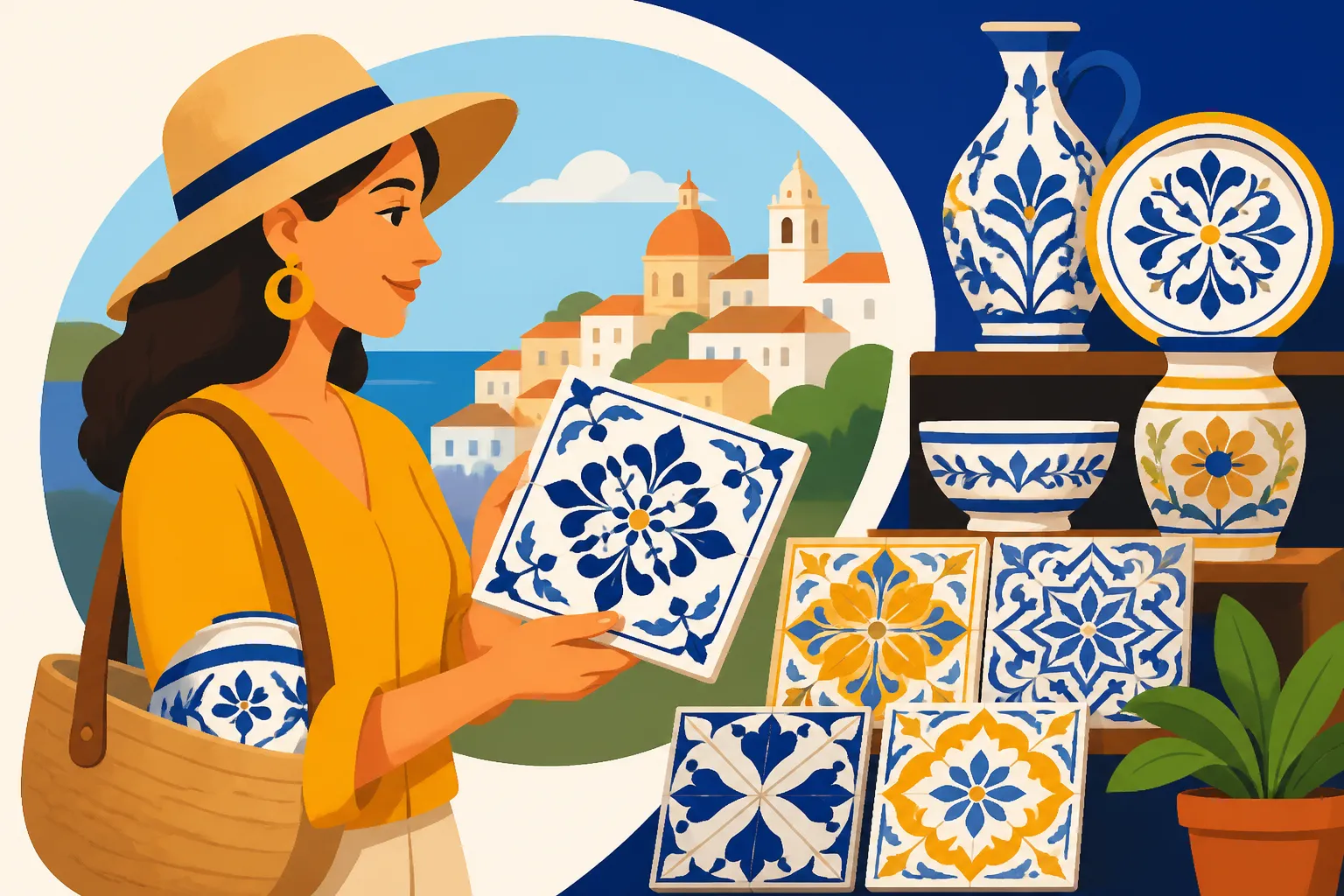
How to Shop for Portuguese Ceramics and Tiles
Disclosure: This article contains affiliate links. If you buy through them, we may earn a commission at no extra cost to you. Read our full disclosure.
Stepping into Portugal, one of the first things that truly captivates your eye, beyond the stunning landscapes and historic architecture, is the sheer explosion of color and pattern found in its ceramics and tiles. From the intricate blue-and-white azulejos adorning centuries-old churches to the vibrant, modern pottery gracing a contemporary restaurant, these aren't just decorative items; they are the very soul of Portuguese artistry. But for many of us expats and visitors, the journey to finding that perfect, authentic piece can feel like navigating a beautiful, yet bewildering, labyrinth. How do you tell a mass-produced souvenir from a true artisan creation? How do you avoid the overpriced tourist traps and instead bring home a genuine slice of Portugal? This guide is here to cut through the confusion and empower you to shop for Portuguese ceramics and tiles like a seasoned local.
Understanding Portuguese Ceramics and Tiles: Beyond the Souvenir Shop
When you first arrive in Portugal, it's easy to be swept away by the beauty of the tiles and pottery everywhere you look. You see them on buildings, inside homes, in museums, and of course, in every gift shop. But truly appreciating and, more importantly, buying these pieces requires a little understanding of their rich history and the craftsmanship that goes into them. You don't want to get home only to realize that stunning "hand-painted" plate was actually churned out by a machine a thousand miles away.
A Brief History of Azulejos and Traditional Pottery
The story of Portuguese tiles, or azulejos, is a fascinating journey that begins with the Moors. When they brought their intricate, geometric ceramic traditions to the Iberian Peninsula, they laid the foundation for what would become one of Portugal's most distinctive art forms. The word "azulejo" itself is believed to derive from the Arabic az-zulayj, meaning "polished stone." Initially, these tiles were purely decorative, often in shades of blue and white, depicting geometric patterns and nature scenes. Over centuries, they evolved, influenced by various European trends, eventually becoming narrative tools, illustrating historical events, religious stories, and everyday life.
It's truly something to behold, isn't it? Walking through an old Lisbon neighborhood, you'll stumble upon entire facades covered in these shimmering storybooks. You might see a church with biblical scenes depicted in thousands of tiles, or a humble residence with a simple yet elegant floral motif that has graced its walls for a hundred years. This deep integration into the urban and cultural fabric is what makes finding an authentic azulejo so special. Beyond the tiles, traditional Portuguese pottery has its own distinct regional flavors, from the black pottery of Bisalhães to the vibrant, often animal-themed ceramics from Caldas da Rainha, popularized by the iconic Bordallo Pinheiro. Each piece carries a legacy, a narrative that deserves to be understood. It can be easy to get lost in the sheer beauty and exoticness without truly knowing the story behind what you're seeing, but a little background will make your purchases far more meaningful.
Key Characteristics of Quality Ceramics
Now, how do you differentiate between that mass-produced tourist trap and a genuine work of art? It comes down to a few key characteristics. Firstly, hand-painted versus printed is the most crucial distinction for tiles. Real hand-painted azulejos will have subtle imperfections, slight variations in color intensity, and visible brushstrokes. Hold it up to the light, feel the surface—it won't be perfectly smooth like a decal. Printed tiles, while still potentially beautiful, will have a flawless, uniform pattern and texture. For pottery, look for consistent glazing and clear, vibrant colors that haven't bled.
Secondly, consider the materials and firing process. High-quality Portuguese ceramics are typically made from durable clay, properly fired to ensure longevity. A reputable artisan or shop will often be able to tell you about the clay source, the glazes used, and the firing temperature. You might even hear about the number of firings—some pieces go through multiple stages to achieve complex colors or textures. Cheaply made items often feel lighter, less substantial, and may have a slightly chalky or uneven glaze. Check the back of tiles; authentic ones might have marks from the firing process or the artisan's signature. This knowledge isn't just for showing off; it's about making an informed purchase that brings lasting joy, rather than a fleeting souvenir that chips or fades easily. It saves you from that all-too-common buyer's remorse when you discover your "antique" tile is actually a week old and mass-produced.
Where to Find Authentic Portuguese Tiles and Pottery
Finding the right place to buy ceramics and tiles in Portugal is half the battle. You want to avoid the generic souvenir shops that dot the most tourist-heavy areas, where quality can be questionable and prices inflated. Instead, seek out places that celebrate craftsmanship and heritage.
Dedicated Ceramic and Tile Shops in Major Cities
In cities like Lisbon and Porto, you'll find a fantastic selection of dedicated shops that specialize in high-quality ceramics and tiles. These places often have decades, if not centuries, of history, and their staff are usually passionate experts.
In Lisbon, one legendary name is Fábrica Sant'Anna. Established in 1741, this place is not just a shop but a working factory where you can often see artisans painting tiles by hand. It's an immersive experience and guarantees authenticity. You'll find everything from traditional blue-and-white panels to intricate custom designs. Another must-visit is Cortiço & Netos, which specializes in salvaged and discontinued azulejos. If you're looking for unique, historical single tiles to create a mosaic or simply for display, this is your treasure trove. Their collection is curated, ensuring you're getting genuine antique or vintage pieces. For more contemporary designs, but still rooted in tradition, places like Cerâmica Constância offer beautiful, hand-painted items. When navigating these cities, public transport is excellent, but if you're planning a serious shopping spree, consider a taxi or ride-share to get your haul back to your accommodation without too much fuss. For broader exploration of the city to discover these hidden gems, having a good plan, perhaps through Omio for travel details, can really enhance your experience. You can also look into neighborhoods like Alfama or Campo de Ourique in Lisbon, which tend to have smaller, independent ceramic studios. Don't be shy about popping into smaller, unassuming shops tucked away on a side street; sometimes, those are where the real gems are found. If you're exploring the charming streets, check out our guide on Lisbon Neighborhood Guide: Best Areas for Expats and Digital Nomads to get a better sense of where you might stumble upon these fantastic finds.
Over in Porto, Cerâmica Carvalhinho is a respected name, known for its quality and range. Similar to Lisbon, Porto's historic center and districts like Cedofeita also host numerous smaller artisan studios and boutiques. These shops often provide a more personal shopping experience; the owners are usually the artists themselves or deeply involved in the craft, and they can answer all your questions about the provenance and process of each piece. Prices tend to be transparent, and you’re supporting local artisans directly. If you’re making a day trip to explore the North, our Porto Neighborhood Guide: Where to Live for Culture, Tech, and Family might help you plan your route to include some authentic shopping spots. And if your travels take you further south, the Algarve region, particularly towns like Porches, is famous for its vibrant hand-painted pottery. Visiting one of the many local potteries there allows you to see the vibrant colors and traditional designs being brought to life right before your eyes.
Artisan Markets and Fairs
For a truly authentic, grassroots shopping experience, you absolutely must delve into Portugal's artisan markets and local fairs. This is where you connect directly with the creators and often find pieces that haven't been filtered through retail markups.
The Feira da Ladra in Lisbon, Portugal's most famous flea market, held every Tuesday and Saturday, is a vibrant, chaotic, and utterly thrilling place to hunt for treasures. You can find everything from antique azulejos that have been salvaged from old buildings to vintage ceramic pieces. Be prepared to rummage, haggle a little, and keep an eye out for quality—it's a mix of genuine finds and mass-produced items. You'll need your wits about you, but the rewards can be incredible. Similarly, in Porto, while there isn't one singular market quite like Feira da Ladra for tiles, many smaller craft markets pop up, especially during weekends and holidays. The Mercado da Ribeira (often more touristy now, but still has vendors) and various pop-up craft fairs, or Feiras de Artesanato, in smaller towns across the country are fantastic places. These fairs often travel, so check local listings or ask around in the town you’re visiting.
The benefits of buying from markets are huge: you're often buying directly from the artists, which means better prices and the chance to hear the story behind the piece straight from the source. You might even be able to negotiate a little, especially if you're buying multiple items. The drawback, of course, is that selection can be less consistent, and it might be a seasonal affair. You might not find a sprawling display of matching dinnerware, but you'll certainly discover unique, one-of-a-kind items that truly reflect individual craftsmanship. A trip to these markets is also a fantastic way to experience Daily Life in Portugal: Supermarkets, Language, and Cultural Etiquette, giving you a taste of local interactions beyond just shopping.
Factory Stores and Workshops
If you're serious about seeing the creation process firsthand and ensuring you get a piece straight from the source, seeking out factory stores and workshops is an excellent strategy. These locations are often outside the immediate city centers but are well worth the trip.
A prime example is the region around Caldas da Rainha, famously home to Bordallo Pinheiro ceramics. Visiting their factory store and museum is an absolute delight. You can see the whimsical cabbage leaf plates, swallows (and many other animal forms), and vibrant tableware that have become iconic. You can often watch artisans at various stages of production, from molding to painting, which truly highlights the skill and dedication involved. These visits provide an invaluable perspective on the scale and artistry of traditional Portuguese ceramics. Other smaller workshops exist in towns renowned for pottery, like Óbidos or even deeper in the Alentejo region, though these might require a bit more research and potentially a car to reach. Booking a car through platforms like Booking.com (many offer car rental alongside accommodation) could be useful for these excursions. There’s something incredibly satisfying about buying a piece directly from the hands that shaped it, especially after seeing the raw materials transform into finished art.
Practical Tips for Shopping and Transporting Your Treasures
Once you’ve identified where to shop, the next steps involve making informed decisions and safely getting your beautiful purchases home.
Assessing Quality and Price
When you're face-to-face with a potential purchase, take a moment to really examine it. For tiles, look for uniformity in thickness and size if you're buying multiple for an installation, but expect slight variations in color and pattern if they're hand-painted. Check the glaze for cracks, chips, or imperfections that aren't part of the design. Turn the tile over; the back can often reveal its age and authenticity. An artificially aged tile might look convincing from the front but will have a suspiciously new-looking back. For pottery, gently tap it – a dull thud might indicate a crack, whereas a clear ringing sound usually means it’s solid.
Price ranges vary wildly. A single, small, mass-produced souvenir tile might cost a few euros, while a genuine antique hand-painted azulejo could easily fetch hundreds. A handmade ceramic plate from a respected artisan might be €30-€80, whereas a factory-produced one could be €10-€20. Don’t be afraid to ask questions about the artist, the materials, and the process, even if there's a slight language barrier. Most vendors are proud of their craft and happy to explain, and even a simple "É pintado à mão?" (Is it hand-painted?) can go a long way. Understanding the actual cost of living in Portugal can also give you a better gauge on whether a price is fair or inflated.
Packing and Shipping Your Purchases
This is where the excitement can quickly turn to anxiety. Fragile ceramics and tiles need careful handling. For smaller, more robust items, hand-carrying is often the safest bet. Wrap them in clothes or extra padding in your carry-on luggage. For larger or more delicate pieces, checked luggage is an option, but invest in serious padding—bubble wrap, clothing, and even a dedicated hard-shell case. Many larger shops, especially those catering to tourists, offer professional shipping services. This is often the best option for significant purchases, as they know how to pack items to withstand international travel and can arrange insurance. Be sure to clarify shipping costs, timelines, and any customs duties that might apply in your home country.
Before you buy, especially if shipping, research your home country's customs regulations regarding ceramics or antique items. Some countries have restrictions on importing certain materials or require specific declarations. No one wants their treasured Portuguese tile stuck in customs limbo! Always, always factor in potential breakage. While reputable shippers will insure items, the emotional value of a broken souvenir is harder to quantify.
Avoiding Common Tourist Traps
The sad truth is that not everything marketed as "authentic" truly is. Near major tourist attractions like Castelo de São Jorge in Lisbon or Livraria Lello in Porto, you'll find countless shops selling what looks like Portuguese ceramics and tiles. However, many of these are mass-produced imports, sometimes even labeled "Made in China," cleverly disguised with Portuguese motifs. The prices are often significantly inflated for the quality you're receiving.
Look for consistency. If every shop on a bustling street has the exact same selection of tiles, alarm bells should ring. Genuine artisans and specialized shops will have unique collections and individual styles. Be wary of overly pushy sales tactics; a truly quality product often speaks for itself. Trust your gut. If a deal seems too good to be true for an antique piece, it probably is. A little research beforehand, perhaps even checking online reviews of specific shops, can save you a lot of disappointment. If you encounter any issues with a purchase, remember that Portugal has a fantastic consumer protection system, and you can always request a Livro de Reclamações or complaints book, which can be a powerful tool, as detailed in our guide on What is the 'Livro de Reclamações' and how does it solve consumer disputes?. This is a government-mandated physical book (and now online version) that every business must provide, and complaints filed within it are taken seriously.
Caring for Your Portuguese Ceramics and Tiles
Bringing these beautiful pieces home is just the beginning. Proper care ensures they remain vibrant and intact for years to come.
Maintenance for Indoor and Outdoor Azulejos
For tiles, whether they are adorning a wall indoors or a garden bench outdoors, routine cleaning is key. For most glazed tiles, a simple wipe-down with a damp cloth and mild soap is sufficient. Avoid harsh abrasive cleaners or scouring pads, as these can scratch the glaze and dull the colors over time, especially on older, more delicate pieces. For outdoor tiles, they are generally quite resilient to the Portuguese climate, but direct, prolonged sun exposure can, over many decades, cause some fading on certain pigments. If you notice any signs of mold or mildew, a gentle scrub with a soft brush and a diluted bleach solution (ensure it doesn't harm surrounding materials like grout) can help.
For very old or antique tiles that may have cracks or loose grout, it's best to consult a professional restorer. Attempting DIY repairs on historical pieces can sometimes do more harm than good. These aren't just decorative elements; they're pieces of history, and treating them with respect ensures their legacy continues.
Displaying Pottery and Tableware
When it comes to pottery and tableware, how you display and use them can significantly impact their longevity. For hand-painted plates or bowls, if you intend to use them for food, double-check that the glazes are food-safe, especially for older or traditionally made items. Some older glazes, particularly those with vibrant reds or oranges, might contain lead and aren't safe for direct contact with food. Many modern Portuguese ceramic companies, like those available at shops like Vista Alegre or Bordallo Pinheiro, produce dinnerware that is explicitly labeled as food, microwave, and dishwasher safe. When in doubt, display them as art!
To protect hand-painted items, avoid putting them in the dishwasher, as the harsh detergents and high temperatures can gradually chip away at the delicate artistry. Hand-washing with warm, soapy water is always the safest bet. When displaying pottery, ensure it’s on a stable surface where it won’t easily be knocked over. Integrate these pieces into your home decor in a way that celebrates their beauty, whether it's a collection of colorful swallows perched on a shelf, a striking azulejo panel serving as a backsplash, or a set of traditional ceramic dishes that bring a touch of Portuguese sunshine to your dining table. These aren't just souvenirs; they're an extension of your memories and experiences in this beautiful country.
| Feature / Location Type | Authenticity Level | Price Range | Variety of Styles | Best For | Considerations |
|---|---|---|---|---|---|
| Dedicated Shops (e.g., Fábrica Sant'Anna) | High (often guaranteed) | Mid to High | Excellent (curated) | Investment pieces, specific designs, quality | Less room for haggling, may feel formal |
| Artisan Markets (e.g., Feira da Ladra) | Varies (requires discernment) | Low to Mid (negotiable) | Eclectic, unique | One-of-a-kind finds, direct from artists | Quality control, crowded, seasonal |
| Factory Stores (e.g., Bordallo Pinheiro) | High (brand specific) | Mid (often better value) | Specific brand style | Brand recognition, consistent quality, seeing process | May require travel, less "local artisan" feel |
| General Tourist Shops | Low to Mid (often mass-produced) | Low to Mid (often inflated for quality) | Broad but generic | Quick souvenirs, convenience | Risk of low quality, not authentic |
Disclaimer
The information provided in this guide is intended for general informational purposes only and represents my personal experiences and insights as an expat in Portugal. While I strive to offer accurate and up-to-date advice, regulations, prices, and available services in Portugal can change rapidly. Always verify current details with official sources, local authorities, specific vendors, or legal professionals before making any significant decisions or purchases. I am not a financial, legal, or immigration advisor, and this content should not be considered professional advice.