How to Ride Tram 28 in Lisbon Without the Crowds
Disclosure: This article contains affiliate links. If you buy through them, we may earn a commission at no extra cost to you. Read our full disclosure.
Ah, the iconic Tram 28 in Lisbon. It's one of those quintessential experiences you see plastered all over Instagram and travel guides, painting a picture of charming yellow trams winding through ancient streets. But if you’ve tried to hop on it lately, especially during peak tourist season, you know the dream can quickly turn into a sweaty, sardine-can reality, often accompanied by frustrating queues and the ever-present worry about pickpockets. This guide is here to save your Lisbon experience, offering hard-won expat wisdom to help you truly enjoy the magic of Tram 28, crowds be damned.
The Allure and the Reality of Lisbon's Tram 28
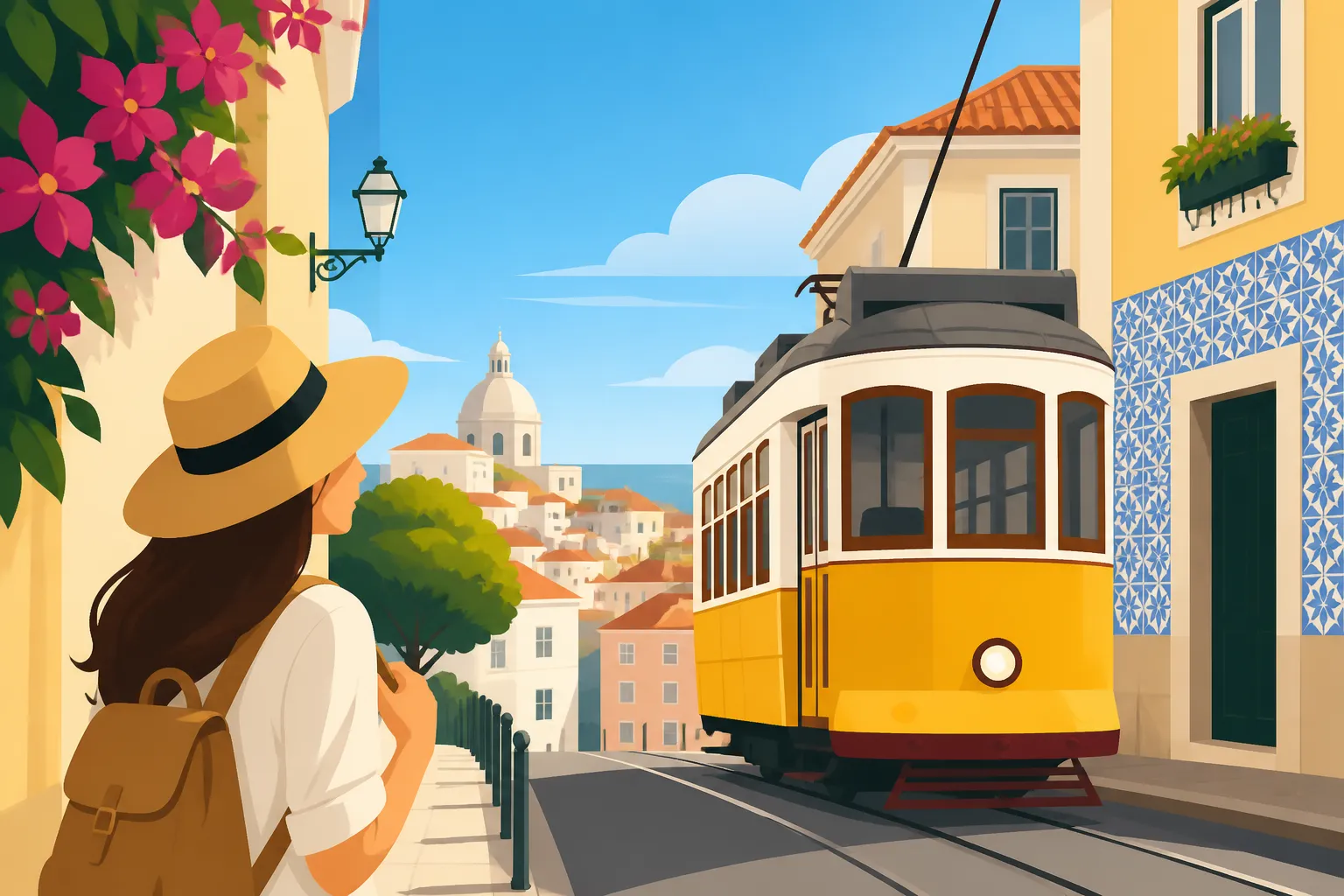
We all arrive in Lisbon with this romantic image: a sunny afternoon, gliding through historic neighborhoods on a classic yellow tram, snapping photos of quaint buildings and breathtaking vistas. It's a powerful draw, and for good reason. But the reality can often be a jarring contrast to that picture-perfect postcard.
Why Everyone Wants to Ride Tram 28
The allure of Tram 28 is undeniable. These delightful, canary-yellow vintage trams are practically a symbol of Lisbon, rumbling along a serpentine route that feels like a curated sightseeing tour on rails. It takes you through some of the city's most historically rich and visually stunning districts: the labyrinthine alleys of Alfama, the bohemian charm of Graça, the elegant squares of Estrela, and the bustling heart of Chiado and Baixa. Each turn offers a new vista, a glimpse into local life, and countless Instagrammable moments. It's not just a tourist attraction; it’s a living piece of history, a crucial part of Lisbon's public transportation system that locals have relied on for decades. For many, riding it is almost a rite of passage, a way to truly immerse yourself in the city's unique atmosphere and soak in its soulful essence without having to trek up and down Lisbon's infamous seven hills.
The Harsh Truth: Crowds, Queues, and Pickpockets
Now, let's get real. While the idea of the Tram 28 is enchanting, the execution, especially if you're not savvy, can be a nightmare. During peak tourist hours, particularly from late morning until early evening, and throughout the high season (which, let's be honest, feels like most of the year these days), the queues at major starting points like Martim Moniz can stretch for an hour or more under the hot Portuguese sun. When a tram finally arrives, it's often already packed, leaving you to either squeeze in like a Tetris piece or wait for the next one, perpetuating the cycle of frustration.
But the crowds aren't just an inconvenience; they're also a magnet for opportunist pickpockets. This isn't to scare you, but to make you aware. The Tram 28 route, especially the sections through Alfama and Baixa, is notorious for petty theft. Wallets from back pockets, phones from loose bags, even small cameras have been known to vanish without a trace in the jostle of a full tram. It's a sad reality that something so charming can be tainted by this, but being informed is being prepared. So, while you dream of capturing that perfect shot, don't let your guard down and assume your belongings are safe. The contrast between the romantic expectation and the cramped, hot, and potentially risky reality can quickly deflate your Lisbon adventure. You might want to brush up on Crime Rates and Neighborhood Safety in Portugal's Major Cities for a broader context on safety.
Strategies for a Serene Tram 28 Experience
Navigating the Tram 28 without losing your cool (or your wallet) requires a bit of strategy. Think like an expat who knows the city's rhythms, not just a tourist following the herd. It's all about timing and choosing your battleground.
Timing is Everything: Beat the Rush
This is arguably the most crucial piece of advice for a pleasant Tram 28 journey. If you want to experience the true charm, you absolutely must avoid the middle of the day.
- Early Mornings: Your best bet, hands down, is to get on the tram before 8:00 AM. Seriously. If you can manage to drag yourself out of bed and be at a starting point by 7:00 AM or 7:30 AM, you'll be treated to a completely different experience. Imagine: the city is just waking up, the light is soft, the air is cool, and the tram cars are relatively empty. You'll actually get a seat, maybe even a window seat, and you can truly enjoy the ride as Lisbon slowly stirs to life. You'll see locals heading to work, shopkeepers opening their doors, and the city's gentle pace before the tourist onslaught. It’s when the city feels most authentic.
- Late Evenings: Another excellent window is after 7:00 PM, when most tourists are heading to dinner or calling it a day. While not as empty as the early mornings, the crowds thin out considerably. You can catch the beautiful evening light, see the city sparkle as lights come on, and still enjoy a more relaxed journey. It has a different kind of magic, perhaps a more romantic, mellow vibe.
- Mid-day during Lunch: There can be a slight lull around lunchtime (1:00 PM – 2:00 PM) as some locals and tourists stop for their midday meal. However, this is less reliable than early mornings or late evenings and can still be quite busy, so proceed with caution if this is your only option. Trying to grab a quick bite might also be an issue if you don't know the Portuguese Coffee Culture and Restaurant Etiquette: Ordering Like a Local.
Outsmarting the Starting Points
Everyone flocks to Martim Moniz, the official start of the Tram 28 route. It’s like a tourist trap in itself, with queues that can easily snake around the block. Don't be that person!
- Martim Moniz: The Tourist Trap: Yes, it’s the beginning, but it’s where everyone else starts too. You'll likely face the longest wait here. Unless you're there at the crack of dawn, consider this a no-go zone if you want a serene experience.
- Campo Ourique (Prazeres Cemetery): Your Secret Weapon: This is the other end of the line, located in the charming, residential neighborhood of Campo Ourique, right next to the beautiful Prazeres Cemetery. Few tourists make it this far, meaning you can often walk right onto an empty, or nearly empty, tram. You’ll have your pick of seats, including those coveted window spots. Before you hop on, you can grab a delicious pastry and coffee at a local pastelaria and enjoy the peaceful vibe of a less-touristy Lisbon. From here, you’ll ride the entire scenic route towards Martim Moniz, soaking it all in from the comfort of your chosen seat.
- Mid-Route Boarding: While possible, boarding mid-route is a gamble. Trams that are already full won't stop, or if they do, you'll be standing in a crush of people. If you do try this, aim for stops further from major tourist hubs, like those near the Estrela Basilica or São Bento, where fewer people might be waiting, and the tram might have emptied out a bit after dropping off passengers. The key is to be flexible and ready to hop off and walk if it’s too crowded.
Ticketing and Safety on Board
Getting your ticket sorted and staying safe are crucial for a stress-free ride.
-
Viva Viagem Card is Essential: Do not pay cash on board unless you absolutely have to. A single ride bought directly from the driver costs €3.00, which adds up quickly. Instead, purchase a rechargeable Viva Viagem card (a green paper card) at any metro station. The card itself costs €0.50. Load it with money in "zapping" mode, which allows you to pay for various public transport options. A single tram ride with zapping costs just €1.65. You can also load it with a 24-hour pass (€6.80) if you plan on using public transport extensively that day. You can load these cards at any metro station ticket machine or counter, and at some papelarias (newsstands). For more on getting around, check out Public Transport and Driving in Portugal: Trains, Tolls, and Licenses.
-
Staying Safe: As mentioned, pickpockets are a real concern on crowded trams. Here’s how to protect yourself:
- Keep Valuables Secure: Use zipped inner pockets, or wear a money belt.
- Wear Backpacks in Front: Never wear a backpack on your back in a crowded space. Turn it around and wear it on your chest.
- Front Pockets Only: If you must keep your wallet or phone in a pocket, make it a front pocket that you can feel. Avoid back pockets at all costs.
- Be Aware: Stay vigilant, especially when people are getting on or off, as this is when distractions are highest. If someone bumps into you, immediately check your pockets.
- It’s a good idea to read up on Safety and Emergency Preparedness in Portugal for Foreign Residents to understand common risks and how to mitigate them.
Alternatives and Enhancements to the Tram 28 Route
While Tram 28 is famous, it's not the only way to see Lisbon's charm. In fact, sometimes the best way to experience it is to combine it with other options or ditch it entirely for something more unique.
Other Historic Tram Lines and Funiculars
Lisbon boasts a fantastic network of other trams and funiculars that offer similar experiences without the tourist frenzy of Tram 28.
- Tram 12E: This often-overlooked tram is a fantastic alternative. It’s a shorter, circular route that covers some of the same ground as the 28 in Baixa and Alfama, often with significantly fewer crowds. You still get the charming vintage tram experience, the steep climbs, and the stunning views, but you can actually enjoy them. It's perfect if you're staying in the Baixa area and want a quick scenic loop without committing to the full 28 route.
- Tram 15E: If you're heading to Belém to see the Jerónimos Monastery or the Belém Tower, this modern tram is your workhorse. It's a completely different vibe – sleek, modern, and air-conditioned – but it's efficient and gets you to major sights. While it doesn't offer the same nostalgic charm as the vintage trams, it's a practical option for covering longer distances to specific destinations.
- Elevadores (Funiculars): These aren't trams, but they are an integral part of Lisbon's hilly public transport and offer equally thrilling rides. The Bica, Glória, and Lavra funiculars are essentially miniature trams that ascend steep hills, providing fantastic views and a fun, unique experience. The Bica Funicular, with its iconic street and river views, is particularly popular for photos and often less crowded than the 28. Using your Viva Viagem card, these rides are also very affordable. They're a brilliant way to get a taste of Lisbon's unique transport engineering without the chaos.
Curated Tours and Private Experiences
Sometimes, you just want the magic without the logistical headaches. Several tour operators offer specialized experiences that can either complement or replace the traditional Tram 28 ride.
- Private Tours: If you're travelling with a group or prefer a more exclusive experience, consider booking a private tour that includes segments of the tram route or uses alternative charming vehicles. Many local guides offer bespoke tours that can take you to the best viewpoints and hidden gems, sometimes even dropping you off near a less crowded Tram 28 stop for a quick, intentional ride. You can often find such unique experiences on platforms like GetYourGuide, which list a variety of Lisbon tours from tuk-tuks to private walking tours that focus on specific neighborhoods like Alfama or Graça, often intersecting with the Tram 28 route. While these are typically more expensive, they offer comfort, convenience, and expert local insight.
- Hop-on Hop-off Buses: While not trams, these open-top buses offer a fantastic way to see the city's highlights. They follow comprehensive routes that cover many of the same areas as Tram 28 (Alfama, Graça, Estrela, Baixa, Chiado, etc.), allowing you to hop off at leisure and explore specific sights. They provide commentary in multiple languages and are far less susceptible to pickpockets than the crowded trams. You can often find good deals on tickets, sometimes even combined transport passes, through sites like Omio. This offers a different perspective and the flexibility to explore at your own pace without fighting for a tram seat.
- Walking Tours: Seriously, some of the best parts of the Tram 28 route are best explored on foot. Consider taking the tram for a few stops and then hopping off to wander through the alleys of Alfama, explore the viewpoints (miradouros) of Graça, or soak in the history of Baixa. A good walking tour, whether self-guided or with a local, can provide a more intimate experience of these neighborhoods. For more on how to explore these areas, check out our Lisbon Neighborhood Guide: Best Areas for Expats and Digital Nomads.
Making a Day of It: Explore the Neighborhoods
Don't treat Tram 28 as merely a mode of transport. It's a gateway to some of Lisbon's most fascinating neighborhoods. The real magic happens when you alight and explore.
- Alfama's Soul: Jump off in Alfama and get lost (in a good way!) in its ancient, winding streets. Discover hidden Fado houses, climb up to São Jorge Castle, or simply enjoy the panoramic views from Miradouro das Portas do Sol or Miradouro de Santa Luzia.
- Graça's Vistas: In Graça, don't miss the Miradouro da Senhora do Monte, offering one of Lisbon's most spectacular and less-crowded viewpoints, especially at sunset. The neighborhood itself has a wonderful local feel, with traditional shops and cafes.
- Estrela's Grandeur: The Estrela stop brings you to the magnificent Basílica da Estrela and the tranquil Jardim da Estrela, a beautiful park perfect for a leisurely stroll or a picnic.
- Chiado and Baixa's Buzz: These areas are perfect for a shopping spree, enjoying a coffee at a historic cafe, or simply soaking in the vibrant city atmosphere around Rossio Square.
Planning your day around these stops, rather than just riding the entire loop, can greatly enhance your experience. Consider using Booking.com if you're looking for accommodations that strategically place you near specific tram stops or neighborhoods you want to explore in depth, making those early morning tram rides much more accessible. This way, the tram becomes part of a larger, richer exploration, rather than just the main event.
Practical Tips for a Smooth Journey
Even with the best planning, a few practical tips can make your Tram 28 adventure truly smooth and enjoyable. It's about being prepared for Lisbon's unique quirks.
Essential Items to Bring
Lisbon is a city of hills and uneven cobblestones, and the trams, while charming, are not always the most comfortable vehicles.
- Water: Stay hydrated, especially if you're waiting in line or riding in a crowded tram during warmer months. Lisbon sun can be intense.
- Comfortable Shoes: This is non-negotiable for Lisbon, whether you're taking the tram or walking. You'll be doing a lot of walking, climbing, and standing. Forget the heels and opt for sturdy, comfortable footwear.
- Light Jacket or Scarf: Even on a sunny day, early mornings or evenings can be cool, especially if there's a breeze. A light layer is always a good idea.
- Camera: Of course! But keep it secure. A camera strap around your neck or wrist is essential.
- Small Backpack (worn in front): As mentioned, for safety and comfort in crowded spaces. Keep your essentials here.
- Charged Phone: For maps, photos, and checking local transport schedules. Reliable mobile data is key here, so ensure you have a good plan or an eSIM from providers like Airalo if you're just visiting. If you're an expat, understanding Home Internet and Mobile Plans: Vodafone, MEO, and NOS Compared can help you pick the best local provider.
Respecting Local Life and Etiquette
Remember, while it's a tourist attraction, Tram 28 is also a vital piece of public transportation for Lisbon residents. Be mindful and respectful.
- Don't Block Entrances/Exits: If you're standing, move into the tram to allow others to board and exit easily.
- Offer Seats: If you're lucky enough to get a seat, offer it to elderly passengers or those who look like they need it more. It's common courtesy.
- Keep Noise Down: While it's exciting, keep your conversations at a reasonable volume. Locals are commuting, and a loud group of tourists can be disruptive.
- Be Mindful of Photos: While capturing the moment is great, don't stick your camera into people's faces or into private windows. Be respectful of personal space and privacy. You'll find that locals appreciate it when you engage with their city respectfully. Even something as simple as using Portuguese greeting etiquette: When to use Beijinhos vs Handshakes can go a long way. This ties into the broader concept of Daily Life in Portugal: Supermarkets, Language, and Cultural Etiquette that expats quickly learn to navigate.
Leveraging Technology
In a city as old as Lisbon, technology can still be your friend, even on a vintage tram.
- Google Maps: A lifesaver for navigating the tram route, finding stops, and estimating arrival times (though tram schedules can be a bit fluid, so take them with a grain of salt).
- Metro Lisboa App: Useful for checking your Viva Viagem card balance and planning journeys on the metro system, which often connects to tram stops.
- Booking.com App: Handy if you're trying to find a last-minute hotel or hostel near an early-morning tram stop, or want to explore accommodation options in the various neighborhoods the tram traverses.
- Omio / GetYourGuide: These apps can be great for pre-booking other tours or transport options that might complement or replace your tram ride, ensuring you have a spot and saving time.
By keeping these practical tips in mind, you'll be well-equipped to turn what could be a frustrating experience into one of your most cherished Lisbon memories. It's all about being prepared and approaching it with a flexible, expat-like mindset!
Here’s a quick overview to help you plan your strategy:
| Feature / Time | Peak Hours (9 AM – 6 PM) | Off-Peak (Before 8 AM / After 7 PM) |
|---|---|---|
| Crowd Level | Very High, often standing room only | Low to Moderate, usually seats available |
| Queue Length | 30-60+ minutes at main stops | 0-15 minutes at main stops, often none at ends |
| Pickpocket Risk | High, especially at busy stops | Lower, but always be vigilant |
| Photography | Challenging, blocked views | Excellent, clear views |
| Overall Experience | Stressful, rushed, uncomfortable | Relaxing, authentic, enjoyable |
| Likelihood of a Seat | Very Low | High |
| Recommended Starting Point | Avoid | Campo Ourique / Mid-route quiet stops |
Disclaimer
Please remember that while I strive to provide accurate and up-to-date information, the world of travel and local public transport can change rapidly. Routes, schedules, and crowd levels are subject to variations based on season, public holidays, and unforeseen events. Always double-check current information from official Lisbon transport sources (Carris, Metro Lisboa) before planning your journey. My advice is based on general trends and expat experiences, but individual outcomes may vary.