How to Visit Funchal in Madeira
Disclosure: This article contains affiliate links. If you buy through them, we may earn a commission at no extra cost to you. Read our full disclosure.
Planning a trip to Funchal, Madeira, can feel like you're entering a beautiful, verdant dream, but the practicalities of getting there and navigating the island's charming complexities can sometimes feel less dreamy and more like a puzzle. From deciphering flight options to understanding local transport and finding those authentic, off-the-beaten-path experiences, it's easy to get caught up in the details. This guide is here to simplify your journey, offering an expat's firsthand, realistic advice on how to visit Funchal and truly immerse yourself in the capital of this breathtaking Portuguese island.
Getting to Funchal: Your Gateway to Madeira
Madeira might be an island in the Atlantic, but don't let that fool you into thinking it's hard to reach. In fact, flying into Funchal is surprisingly straightforward, with a good number of direct connections from mainland Portugal and various European cities. For us expats living on the mainland, a trip to Madeira often feels like a mini-international getaway, even though it's still very much Portugal!
Flying to Cristiano Ronaldo Madeira International Airport (FNC)
The vast majority of visitors, myself included, arrive in Funchal via its international airport, officially named Cristiano Ronaldo Madeira International Airport (FNC). Yes, that Cristiano Ronaldo – he's a local hero, and the airport entrance even boasts a rather unique bust of him. This airport is remarkably modern and well-connected.
You'll find regular flights from Lisbon and Porto on the mainland, typically operated by TAP Air Portugal, easyJet, and Ryanair. For those coming from further afield in Europe, carriers like Lufthansa, British Airways, Transavia, and Wizz Air offer seasonal or year-round direct routes from major hubs like London, Paris, Frankfurt, and Amsterdam. The flight itself is usually scenic, especially on approach, as you descend towards the island’s dramatic coastline. I remember my first time landing, looking out at the turquoise waters and the green mountains, thinking it was the perfect welcome.
When searching for flights, it is wise to check comparison sites. You can often find decent deals, especially if you're flexible with your dates. Sometimes, a flight that seems expensive initially becomes more manageable when you factor in the convenience of a direct route. Don't forget that if you're flying from the mainland, these are domestic flights, so while passport checks are minimal, arriving early for security is always a good idea, just like any other flight. Using platforms like Omio can help you compare different airlines and routes efficiently, making sure you snag the best connection for your travel plans.
Ferry Connections and Cruise Ships
While flying is definitely the most popular and practical way to reach Funchal, it's worth noting that there are ferry services, though not from mainland Portugal. The primary ferry connection is between Funchal and Porto Santo, Madeira's smaller, flatter sister island, famous for its golden sand beach. The Porto Santo Line operates this route, and it’s a lovely way to spend a day trip or even a few nights exploring Porto Santo. The journey takes about 2.5 hours and offers stunning views of both islands as you approach or depart. I've taken this ferry a few times, and it's a wonderfully relaxing experience, offering a completely different perspective than flying.
Funchal is also a very popular port of call for cruise ships. If you're arriving by cruise, you'll dock right in the heart of the city, which is incredibly convenient. The Funchal port is just a short walk from the city center, allowing cruise passengers easy access to all the main attractions, restaurants, and shops without needing immediate transport. It’s always a lively atmosphere when a cruise ship pulls in, bringing a buzz of international visitors to the waterfront.
Navigating Funchal: From Cable Cars to Cabs
Once you've arrived in Funchal, getting around is part of the adventure. The city itself is quite walkable in its lower sections, but the dramatic topography of Madeira means you’ll quickly encounter steep hills. This is where Funchal’s diverse transport options truly shine, helping you explore everything from the bustling Mercado dos Lavradores to the serene heights of Monte.
Public Transport: Buses and the Cable Car
Funchal boasts a reliable public bus system, primarily operated by Horários do Funchal. These distinctive yellow buses can take you pretty much anywhere within the city and to many surrounding areas. Buying tickets is easy – you can pay the driver directly (exact change is appreciated!), or you can purchase a rechargeable 'Giro' card from kiosks or dedicated sales points, which usually offers a slightly cheaper fare per ride. Knowing a few key bus routes to places like Monte or the Botanical Garden will make your life much easier. While the bus drivers might not always speak fluent English, pointing to your destination on a map or having it written down usually does the trick. It's an efficient and budget-friendly way to get around, though navigating the winding, narrow streets can sometimes feel like an amusement park ride!
One of Funchal's most iconic and enjoyable modes of transport is the Funchal Cable Car (Teleférico do Funchal). Starting from the old town, it glides gracefully up to Monte, offering breathtaking panoramic views of the city, the harbor, and the deep blue Atlantic. It’s not just a means of getting from A to B; it’s an experience in itself. From Monte, you can then visit the Monte Palace Tropical Garden or the Monte Church. For a truly unique and exhilarating descent, you can take the famous Monte Toboggan rides – wicker basket sleds steered by two 'Carreiros' down a two-kilometer road. It’s a bit touristy, yes, but an absolute must-do for the sheer thrill and tradition.
Taxis, Ride-Sharing, and Rental Cars
Taxis are readily available throughout Funchal, particularly around hotels, the port, and major attractions. They are metered, but it's always wise to confirm the approximate fare for longer journeys before setting off, especially if you're heading outside the city limits or to the airport. Most drivers are friendly and knowledgeable, and many speak enough English to communicate basic directions.
While traditional taxis are prevalent, ride-sharing apps like Uber and Bolt are also operational in Funchal. They offer a convenient alternative, allowing you to hail a car via your smartphone and often providing transparent pricing upfront. This can be a great option for late-night returns or when you prefer not to haggle over fares.
For those who want to truly explore the rugged beauty of Madeira beyond Funchal, renting a car is almost essential. The island is compact, but its stunning landscapes, charming villages, and famous levada walks are best accessed with your own wheels. Be warned: Madeira's roads are incredibly steep, winding, and sometimes narrow, with tunnels cutting through mountains. Driving here is not for the faint of heart, especially if you're not used to manual transmissions on hills. An automatic car, if you can get one, will make your life much easier. Always ensure you have good insurance, and check out our guide on Driving in Portugal: Exchanging Your Foreign License to a Portuguese One if you're planning an extended stay and need to consider licensing. I've often seen tourists white-knuckling it up some of the steeper inclines, but the freedom to stop at breathtaking viewpoints whenever you please is worth it. Many rental car companies operate directly from Funchal airport, and booking in advance, especially during peak season, is highly recommended.
Transportation Options in Funchal: A Quick Glance
| Mode of Transport | Best For | Pros | Cons | Typical Cost (approx.) |
|---|---|---|---|---|
| Walking | City center, Old Town, waterfront | Free, immersive, great exercise | Very hilly in places, can be tiring | Free |
| Public Buses | City & immediate surroundings, budget travel | Affordable, extensive routes, authentic local experience | Can be slow, drivers may have limited English, sometimes crowded | €1.95 – €4.00 per ride |
| Funchal Cable Car | Scenic route to Monte, tourist attraction | Stunning views, unique experience, direct to Monte attractions | Can be pricey, popular so queues can be long | €12.50 one way, €18 return |
| Monte Toboggan | Thrilling descent from Monte | Unique, fun, traditional | Short ride, only one direction (downhill), can be pricey | €25 for 1 person, €35 for 2 |
| Taxis | Convenience, direct routes, airport transfers | Readily available, comfortable, door-to-door | More expensive, potential for language barrier | Variable (metered) |
| Ride-sharing (Uber/Bolt) | Convenience, transparent pricing, easy booking | App-based, often cheaper than taxis for short rides | Availability can vary at peak times or remote areas | Variable |
| Rental Car | Island exploration, flexibility, off-the-beaten-path | Ultimate freedom, access to remote areas, schedule control | Steep & winding roads, challenging driving, parking can be difficult | €30-€70+ per day |
Experiencing Funchal: Beyond the Tourist Traps
Funchal is more than just a transit hub; it's a vibrant city brimming with history, culture, and natural beauty. While there are plenty of well-known attractions, there are also ways to dive deeper and experience the city like a local.
Iconic Sights and Unique Experiences
No visit to Funchal is complete without a stroll through the Mercado dos Lavradores, the Farmers' Market. This bustling market is a feast for the senses, overflowing with exotic fruits (many grown only on Madeira!), vibrant flowers, fresh fish, and local crafts. Be prepared for enthusiastic vendors, especially in the fruit section; they'll often offer you samples, but it's wise to know prices before you buy, as tourists can sometimes be charged a premium. Still, the atmosphere is electric, and it’s a fantastic place to soak up local life.
The Old Town (Zona Velha) is another highlight, with its charming cobblestone streets and the "Art of Open Doors" project, where local artists have painted murals on the doors of old buildings, transforming the area into an open-air gallery. It’s a wonderful spot for an evening stroll, to discover hidden restaurants, and to experience the city's artistic pulse. You'll find countless cozy spots for a traditional Madeiran meal here, often with live music.
Speaking of Monte, after your cable car ride, besides the Monte Palace Tropical Garden – a stunning oasis with incredible plants, art, and Asian-inspired gardens – you can visit the Church of Nossa Senhora do Monte, which houses the tomb of Emperor Charles I of Austria. The views from up here are phenomenal, providing a different perspective of Funchal.
And for the football (soccer) fans, a visit to the CR7 Museum is a must. It's a tribute to Cristiano Ronaldo, displaying his trophies, jerseys, and career highlights. Even if you're not a huge football fan, it's an interesting insight into the pride and passion the island has for its most famous son.
For those eager to get out on the water, Funchal offers numerous boat trips. You can go dolphin and whale watching – a truly magical experience if you're lucky enough to spot them – or take a catamaran cruise along the coast to see the majestic cliffs of Cabo Girão from a different angle. Booking these excursions through reputable providers like GetYourGuide or directly from the marina in advance is always a good idea, especially during peak tourist season.
Culinary Delights: What to Eat and Drink
Madeiran cuisine is hearty, flavorful, and distinctly island-inspired. You absolutely must try Espetada, succulent chunks of beef skewered on a laurel stick and grilled over an open flame, often served with Bolo do Caco. Bolo do Caco is a warm, flatbread baked on a hot stone, usually slathered with garlic butter – it’s dangerously addictive. Forget everything you know about bread; this is in a league of its own!
Seafood is also a huge part of the diet here. Don't be shy about trying Espada com Banana (black scabbard fish with banana). It sounds strange, I know, but the sweet and savory combination is surprisingly delicious and a Madeiran specialty. Another classic is Lapas (limpets), usually grilled in garlic butter and served sizzling in a pan. They are a beloved local delicacy, perfect with a cold beer.
And of course, there's the famous Madeira Wine. This fortified wine comes in various styles, from dry to sweet, and has a fascinating history. You can visit one of the wine lodges, like Blandy's Wine Lodge, for a tasting and learn about its production. For a local tipple, try a Poncha, a potent cocktail made with aguardente (sugarcane rum), honey, and lemon juice (or other fruit juices). Just be careful – they go down very easily!
When it comes to dining, Funchal has everything from upscale restaurants to charming family-run tascas. For authentic experiences, try to venture a little off the main tourist streets. You might stumble upon a hidden gem with incredible food and a fantastic atmosphere. If you're wondering about general dining norms, our guide on Portuguese Coffee Culture and Restaurant Etiquette: Ordering Like a Local might give you some useful tips that apply here too!
Planning Your Funchal Stay: Practicalities and Pointers
A little bit of planning goes a long way when visiting Funchal, ensuring your trip is smooth and enjoyable. From where you lay your head at night to how you manage your daily budget, these practical tips will help you make the most of your Madeiran adventure.
Accommodation Options and Booking Tips
Funchal offers a wide range of accommodation to suit every budget and preference. You'll find luxurious five-star resorts clinging to the hillsides with incredible ocean views, charming boutique hotels nestled in the historic center, and plenty of self-catering apartments and guesthouses. I've stayed in everything from a grand hotel overlooking the bay to a cozy Airbnb in the old town, and each offered a unique slice of Funchal life.
When choosing where to stay, consider what kind of experience you're after. If you prefer easy access to restaurants, shops, and the marina, staying in the city center or the Old Town is ideal. If you're looking for resort amenities, pools, and perhaps a quieter atmosphere with stunning views, the hotel zone to the west of the city (e.g., Lido area) is a popular choice. Just remember that many of these areas are uphill from the main promenade, so expect a good walk or rely on taxis/buses.
Booking your accommodation well in advance, especially during peak season (summer, Christmas, New Year's, and Carnival), is crucial. Madeira is a popular destination, and the best places tend to fill up quickly. Using platforms like Booking.com allows you to compare prices, read reviews, and find exactly what you're looking for, often with flexible cancellation policies. While not explicitly about tourist rentals, our general guide on Renting an Apartment in Portugal: Contracts, Fees, and Tenant Rights can offer some contextual insight into rental expectations, even for shorter stays.
Best Time to Visit and What to Pack
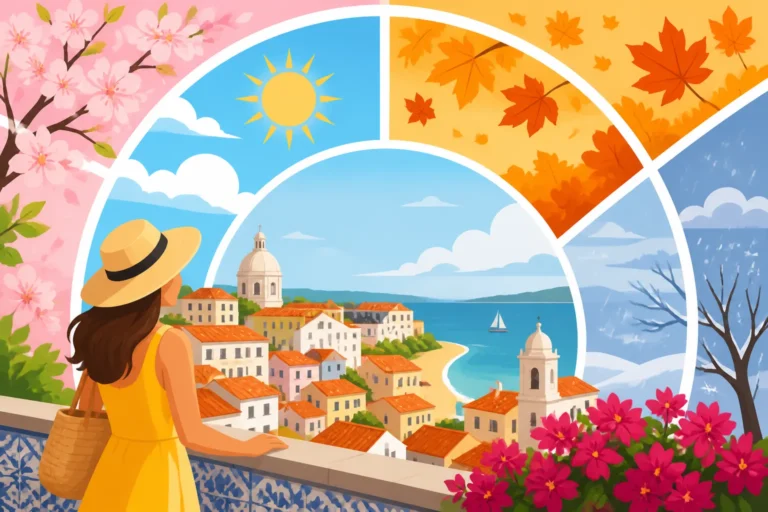
Madeira enjoys a subtropical climate, often called the "island of eternal spring," which means it's a fantastic destination year-round. However, there are nuances to consider:
- Spring (March-May): Generally considered one of the best times to visit. The weather is mild and pleasant, flowers are in full bloom (especially for the famous Flower Festival in April/May), and it's less crowded than summer.
- Summer (June-August): Warmest months, perfect for swimming and sunbathing. Expect more crowds and higher prices.
- Autumn (September-November): Still very pleasant, with warm sea temperatures. The Wine Festival in September is a major draw.
- Winter (December-February): Mild, but can be wetter and windier, especially in the mountains. Funchal's Christmas and New Year's Eve fireworks display is world-renowned and draws huge crowds.
What to pack depends on your activities. Even in summer, evenings can be cool, especially if you head up into the mountains, so layers are always a good idea. Comfortable walking shoes are non-negotiable – seriously, you'll thank me later for this advice! If you plan to do any hiking or levada walks, bring proper hiking boots and waterproof gear, as mountain weather can change rapidly. Don't forget your swimwear, sunscreen, and a hat, regardless of the season, as the Madeiran sun can be deceiving.
Language and Local Customs
While many people in Funchal's tourist areas speak English, especially in hotels, restaurants, and shops, making an effort to learn a few basic Portuguese phrases will go a long way. Locals genuinely appreciate it when you try. A simple "Olá" (hello), "Obrigado/a" (thank you – 'o' for male, 'a' for female), "Por favor" (please), and "Bom dia/Boa tarde/Boa noite" (good morning/afternoon/evening) will open doors. If you're interested in really diving into the language, our article on Learning European Portuguese: Top Apps, Tutors, and Free Government Classes has some great resources.
Madeirans are generally warm, friendly, and proud of their island. Be polite, patient, and respect local customs. Mealtimes tend to be a bit later than in some other European countries, with dinner often starting around 7:30 PM or 8:00 PM. A slower pace of life is embraced here, so don't be surprised if things don't always happen at lightning speed. It's part of the island charm – learning to relax and go with the flow is one of the best lessons Madeira can teach you.
Comparing Funchal to other parts of Portugal, like the mainland cities, you might find a slightly different vibe. While Lisbon and Porto bustle with urban energy, Funchal feels more relaxed, deeply connected to its natural surroundings. It’s a wonderful contrast and a testament to the diverse experiences Portugal offers. If you've been pondering Where to Live in Portugal: Lisbon, Porto, Algarve, and Silver Coast Compared, Funchal offers yet another unique lifestyle choice. For those contemplating a longer stay or even relocation, our guide on Moving to Madeira or Azores: Island Living, Costs, and Expat Communities provides a deeper dive into what it's like to live on this magnificent island.
Ultimately, Funchal is a destination that truly captures the heart. It’s a place where stunning natural beauty meets vibrant urban life, all wrapped up in a welcoming, laid-back atmosphere. With a little planning and an open mind, your visit to Madeira's capital will be an unforgettable experience.
Disclaimer
The information provided in this guide is intended for general informational purposes only and is based on typical expat experiences and publicly available data as of the last update. While we strive to ensure accuracy, regulations, services, and local conditions in Portugal can change rapidly. It is always advisable to verify critical information with official government sources, local authorities, or relevant service providers before making any travel or relocation decisions. This guide does not constitute legal, financial, or medical advice.