How to Learn to Surf in Portugal as a Beginner
Disclosure: This article contains affiliate links. If you buy through them, we may earn a commission at no extra cost to you. Read our full disclosure.
Thinking about learning to surf in Portugal can feel like staring at a giant wave – exhilarating, but a little terrifying. You've heard the whispers about incredible beaches and a relaxed lifestyle, but how does a complete novice actually get from dreaming to dropping in? Well, my friend, you've come to the right place. As someone who's navigated the beautiful chaos of Portuguese life for years, and seen countless people catch their first wave here, I’m here to tell you it's absolutely doable, and spectacularly rewarding. This guide is your no-nonsense breakdown of how to paddle out and conquer those first frothy rollers, even if you’ve never touched a board before.
Why Portugal is a Surfer's Paradise, Even for Absolute Beginners
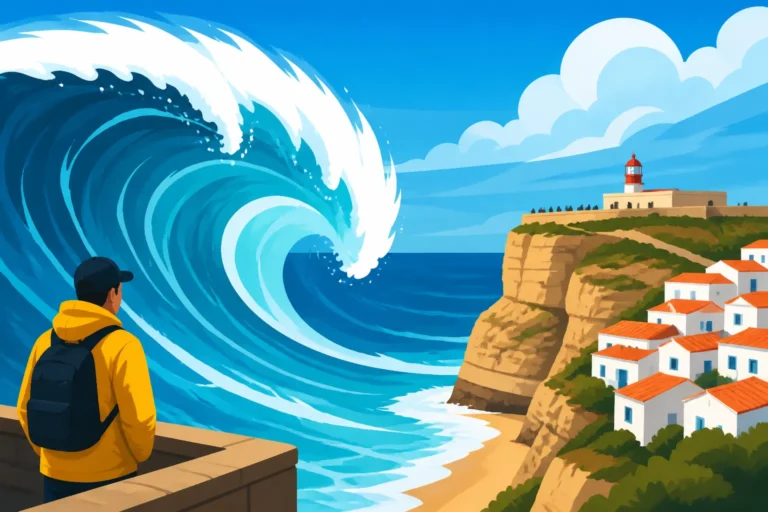
You might hear about Nazaré and its monstrous waves and think, "Nope, surfing here is not for me!" But let me tell you, Portugal is not just for the pros. This country is a genuine treasure trove for surfers of all levels, and especially for beginners. It’s got a coastline that stretches for hundreds of kilometers, exposed to the Atlantic, meaning consistent swell, but also countless sheltered bays and gentle beach breaks perfect for learning.
The Gentle Atlantic Swell and Varied Coastline
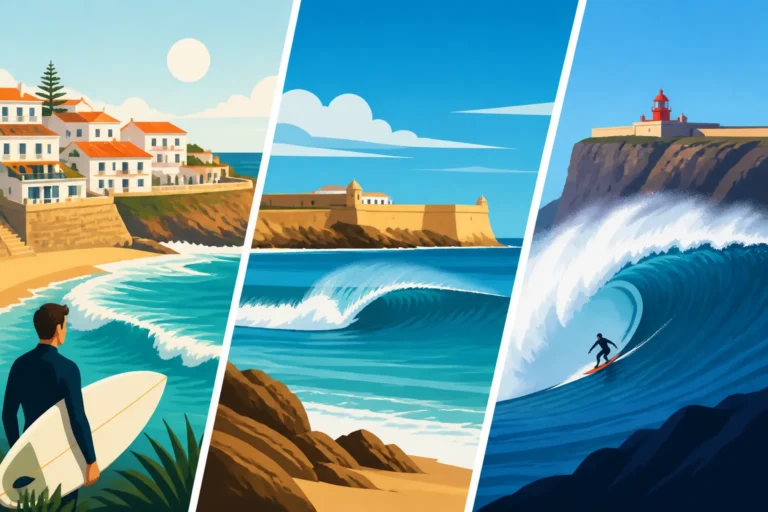
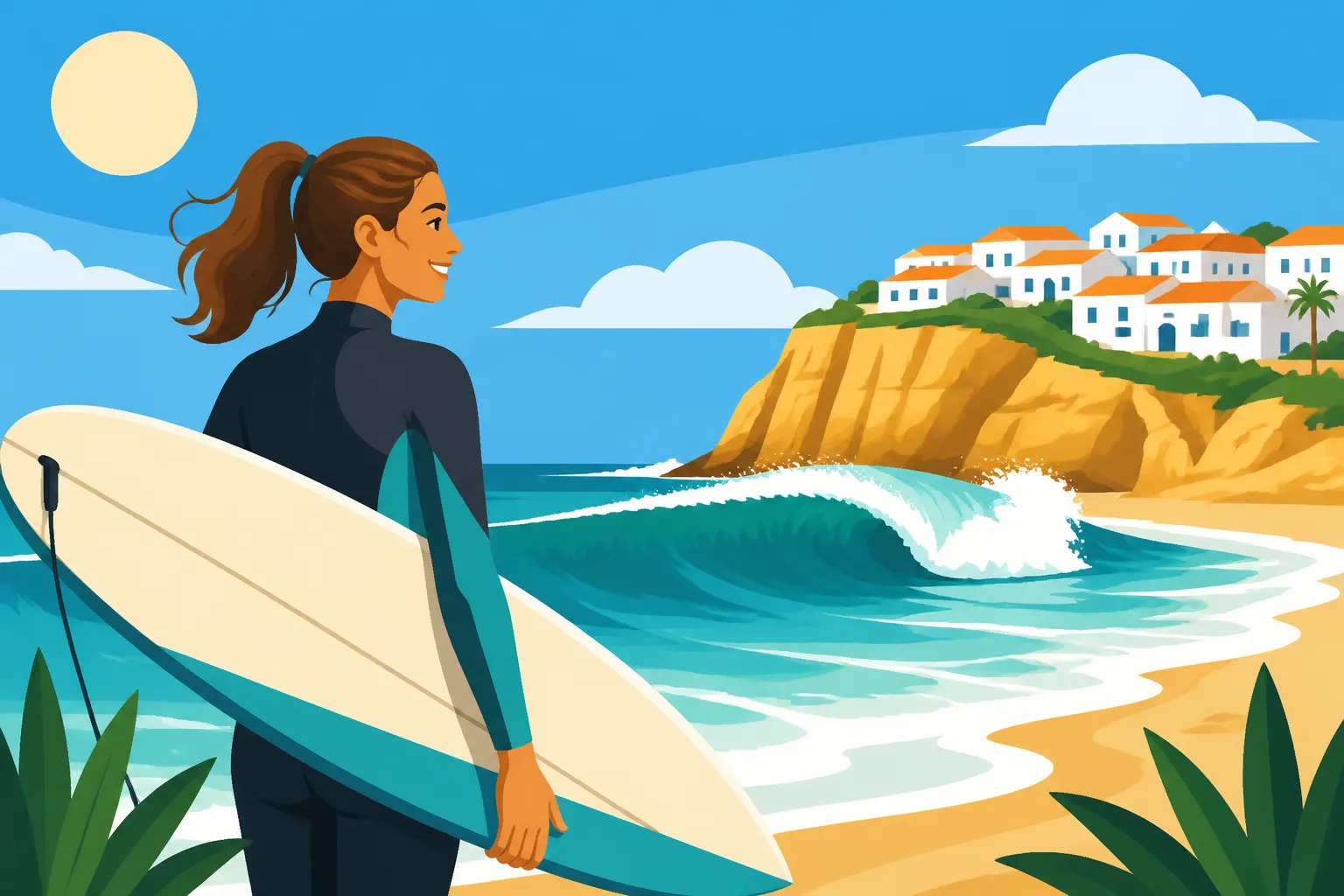
What makes Portugal so unique is its incredibly diverse coastline. You have massive, powerful waves further north or in specific spots like Nazaré during winter, yes, but then you also have countless sandy beaches with much gentler, rolling waves. These are what we call "beach breaks," where the waves break over a sand bottom, which is exactly what you want as a beginner. Falling feels a lot less intimidating when you know it's just sand beneath you, not jagged rocks or a reef.
The Atlantic swell provides a consistent stream of waves throughout the year, meaning you don't have to wait for a specific season to find good conditions. While summer offers smaller, more manageable waves – perfect for building confidence – autumn and spring still bring plenty of beginner-friendly days, often with fewer crowds. The sheer variety means that even if one spot is too big, a short drive along the coast will usually reveal a more sheltered, mellow alternative. It's truly a choose-your-own-adventure kind of surfing destination.
World-Class Surf Schools and Instructors
Portugal is dotted with an incredible number of surf schools, especially in the more popular coastal towns. These aren't just fly-by-night operations; many are run by passionate, experienced local surfers who genuinely love teaching. They understand the beginner's fear and excitement, and they're incredibly adept at making the learning process fun, safe, and effective.
These schools often employ certified instructors who speak multiple languages, including excellent English, which is a huge relief when you’re trying to understand complex instructions while battling waves. They provide all the necessary equipment, from soft-top boards that are perfect for novices to wetsuits that keep you warm even in cooler waters. Crucially, they know the local conditions like the back of their hand, taking you to the most appropriate beach on any given day, often avoiding the crowds that can make a beginner feel overwhelmed. Many also offer multi-day surf camps, where lessons are combined with accommodation and other activities, creating an immersive experience that really accelerates your learning. You can find some fantastic options and book these experiences through platforms like GetYourGuide, which often feature reviews from other beginners just like you.
Affordable Costs and Vibrant Surf Culture
Compared to many other established surf destinations around the world, learning to surf in Portugal is remarkably affordable. Group lessons, board rentals, and even multi-day camps tend to be much more budget-friendly, making it accessible to more people. This means you can get more time in the water without breaking the bank, which is essential for improving quickly.
Beyond the economics, Portugal also boasts a wonderfully vibrant and welcoming surf culture. It's laid-back, inclusive, and deeply integrated into many coastal communities. You’ll find surf shops, beach bars, and cafes where the conversation naturally revolves around waves, tides, and epic sessions. This isn't just about catching waves; it's about embracing a lifestyle. Many expats and digital nomads have found their tribe within these communities, and it’s a fantastic way to meet people and immerse yourself in the local scene. It's not uncommon to grab a bica (espresso) with your instructor after a session or share a laugh with fellow beginners as you recount your wipeouts. It’s a culture that truly celebrates the ocean and the joy of riding its waves.
Picking Your Perfect Beginner Surf Spot in Portugal
Choosing the right beach for your first surf experience is paramount. You don't want to be thrown into powerful waves that will knock your confidence or, worse, put you in danger. Portugal has several regions that are particularly well-suited for beginners, each with its own charm and particularities.
Lisbon Coast and Ericeira World Surf Reserve
The area around Lisbon is surprisingly excellent for beginners, given its proximity to the capital. Beaches like Praia de Carcavelos and Praia da Conceição in Cascais are popular choices. Carcavelos, especially, is a vast sandy beach with consistent, mellow waves that are perfect for learning to stand up. It's easily accessible by train from Lisbon, making it a favorite for weekend learners. Many surf schools operate directly on the sand, offering lessons and rentals year-round. These spots tend to get crowded on sunny weekends, but the sheer size of the beach means there’s usually enough space for everyone.
Just a bit further north, about 45 minutes to an hour from Lisbon, lies Ericeira, Europe's only World Surfing Reserve. While Ericeira is famous for its advanced reef breaks, it also boasts several beginner-friendly beaches. Foz do Lizandro is a fantastic river mouth beach with gentle, rolling waves, especially on a mid-tide, and several surf schools set up right there. Another great option is São Julião, a wide-open beach with plenty of space and consistent white water. The vibe in Ericeira is truly surf-centric, with a fantastic array of surf camps, shops, and restaurants. If you're looking to dive deep into the surf lifestyle, and maybe even find a community, exploring a Lisbon Neighborhood Guide: Best Areas for Expats and Digital Nomads that includes coastal towns could be a smart move.
The Algarve's South and West Coasts
The Algarve, known for its stunning cliffs and golden beaches, is another prime destination for beginners, offering options on both its south and west coasts. The south coast, facing the Mediterranean, generally has calmer waters, but when a good swell comes in, beaches like Praia da Luz or Praia da Rocha can offer gentle waves suitable for learning. These tend to be more inconsistent for surfing, though.
However, the real gems for beginners in the Algarve are on its west coast, facing the raw Atlantic. While a bit wilder, places like Arrifana (near Aljezur), Monte Clérigo, and Praia da Bordeira are absolutely stunning and consistently deliver ideal beginner waves. Arrifana, in particular, is a picturesque cove with a consistent wave that peels nicely into the bay, making it perfect for long rides. Many surf schools have set up shop here, taking advantage of the reliable conditions. The towns in this area, like Sagres and Aljezur, have a distinctly relaxed, bohemian surf vibe, far removed from the bustling tourist resorts further east. If you're considering a move down south, reading about The Algarve for Expats: Lagos, Faro, and Tavira Compared might help you find the perfect blend of surf and lifestyle.
The Silver Coast and Alentejo
Beyond Lisbon and the Algarve, the Silver Coast (Costa de Prata), stretching north from Lisbon, and the Alentejo coast to the south, offer more uncrowded options. For instance, Praia do Baleal near Peniche is famous for its long, mellow waves, protected by a peninsula that creates diverse conditions depending on the swell and wind. It's a fantastic spot for progressive learning, with plenty of sandbars offering perfect white water and small green waves. Peniche itself is a major surf hub, hosting international competitions, but Baleal remains a welcoming spot for beginners.
Further south in the Alentejo, you’ll find expansive, often deserted beaches that are incredibly beautiful and offer consistent waves without the crowds. Zambujeira do Mar or Praia de Odeceixe are examples of stunning natural environments where you can truly connect with the ocean. These spots might require a car to access, and perhaps a bit more self-sufficiency, but the reward is pristine nature and uncrowded waves. Keep in mind that transport to these more remote spots might be less frequent, so planning your journey with services like Omio could be helpful. If you prefer a quieter, more authentic Portuguese experience, exploring the Silver Coast (Costa de Prata): Affordable Expat Living Outside the Cities could lead you to your ideal surf haven.
| Region | Beginner-Friendly Beaches | Wave Type | Best Season for Beginners | Vibe & Accessibility |
|---|---|---|---|---|
| Lisbon Coast | Carcavelos, Conceição (Cascais) | Beach break, mellow | Summer, Autumn, Spring | Crowded, easy public transport from Lisbon |
| Ericeira | Foz do Lizandro, São Julião | Beach break, consistent | Summer, Autumn, Spring | Surf-centric, good facilities, easy drive from Lisbon |
| Silver Coast | Baleal (Peniche), Nazaré (South Bay) | Beach break, long | Summer, Autumn | Less crowded, surf town feel, car recommended |
| Alentejo | Odeceixe, Zambujeira do Mar | Beach break, uncrowded | Summer, Autumn | Wild, natural, remote, car essential |
| Algarve West | Arrifana, Monte Clérigo | Beach break, reliable | Summer, Autumn, Spring | Bohemian surf vibe, stunning nature, car recommended |
Getting Started: Lessons, Gear, and Safety
Alright, you've picked your spot, you're buzzing with excitement – now what? This is where the practicalities kick in. Don't just grab a board and paddle out; a structured approach is key to a safe and enjoyable first experience.
Booking Your First Surf Lessons
For absolute beginners, taking lessons is non-negotiable. Seriously, do not try to teach yourself. You'll spend more time flailing than surfing, you'll pick up bad habits, and frankly, you could put yourself and others in danger. A good surf instructor will teach you the fundamentals on the sand first – how to paddle, how to pop up, where to position yourself on the board, and crucially, how to read the waves. Then, they'll guide you in the water, giving you personalized feedback.
You have a couple of options: group lessons or private lessons. Group lessons are often more affordable and can be a lot of fun, as you're learning alongside other beginners and sharing the laughs (and wipeouts!). Private lessons, while pricier, offer undivided attention from your instructor, which can accelerate your progress significantly. Many surf schools offer packages that include several lessons over a few days, which is ideal for building muscle memory and confidence. You can usually find and book these lessons directly through the surf school's website, or use platforms like GetYourGuide to compare options and read reviews. When booking, always ensure the school is certified and the instructors are qualified.
A typical beginner lesson usually lasts around 1.5 to 2 hours. It starts with a warm-up, then some essential theory and safety on the beach, followed by practical time in the white water (the foamy part of the wave closest to shore). You'll learn the crucial "pop-up" – getting from lying on your stomach to standing on the board – and practice riding the white water straight to shore. It’s exhausting but incredibly exhilarating when you catch that first wave!
Essential Gear You'll Need (and Where to Get It)
For your first few lessons, your surf school will provide all the necessary gear. This typically includes a soft-top surfboard and a wetsuit.
- Soft-top surfboard: These are larger, wider, and thicker than traditional boards, making them very stable and easy to paddle. They also have a soft, foam deck, which is much kinder when you inevitably fall on it (and you will!).
- Wetsuit: Even in summer, the Atlantic waters off Portugal can be cool, especially in the mornings or evenings. A wetsuit will keep you warm, comfortable, and also offers a bit of padding and sun protection. Your instructor will help you choose the right thickness, usually a 3/2mm in summer or 4/3mm in winter.
Once you decide surfing is for you and you want to continue, you might consider buying your own wetsuit. You can find good quality entry-level wetsuits at surf shops in coastal towns like Ericeira, Peniche, or Lagos, or even at larger sports stores like Decathlon. Don't worry about buying your own board until you've had quite a few lessons and know what kind of waves you prefer and what feels comfortable. Renting boards from surf schools or local shops for a few euros an hour is a great way to try different types before committing.
Crucial Safety Tips and Surf Etiquette
Safety is paramount in surfing, especially as a beginner. The ocean is powerful, and it demands respect. Your instructor will cover all of this, but it’s good to have it top of mind:
- Always surf in designated beginner areas: Your instructor will take you to safe spots. Avoid surfing near rocks, piers, or crowded areas with experienced surfers.
- Understand rip currents: These are channels of water moving away from the shore and can be dangerous. Learn how to spot them and, if caught in one, stay calm and paddle parallel to the shore until you're out of it.
- Stay within your limits: Don't try to paddle out into waves that are too big for your skill level. There’s no shame in sticking to the white water until you’re ready for green waves.
- Protect your head: When falling, try to fall flat to avoid hitting the board, and always protect your head with your arms.
- Surf etiquette: This is crucial to avoid collisions and maintain harmony in the water. The most important rule is "right of way" – the surfer closest to the peak of the wave (the breaking part) and going down the line has priority. Don't "drop in" (take off on a wave that someone else is already riding). Always look before you paddle for a wave to ensure you won't collide with anyone. Be mindful of others and keep a safe distance.
Knowing these rules not only keeps you safe but also earns you respect from other surfers. It's part of becoming a true member of the surf community here. For general safety when traveling around Portugal, consider reviewing a guide on Safety and Emergency Preparedness in Portugal for Foreign Residents.
Riding the Wave of Progress: What Comes After Your First Board
So you’ve caught your first few waves, the stoke is real, and now you’re hooked! The journey of learning to surf doesn't end after your first lesson; it’s a lifelong adventure of discovery and improvement.
Continuing Your Practice and Progression
Consistency is key when you’re learning to surf. Try to get into the water as often as you can, even if it’s just for an hour. The more time you spend paddling, feeling the ocean, and attempting to pop up, the faster your body will develop the necessary muscle memory and balance. Don't be discouraged by wipeouts – they are an inevitable and even fun part of the process! Every time you fall, you learn something new.
Once you're comfortable consistently catching white water waves and standing up, your instructors will start guiding you towards catching "green waves" – the unbroken waves before they crash into foam. This is a significant step and requires a better understanding of wave selection and positioning. You'll learn to paddle out beyond the breaking waves (the "lineup"), turn to catch an incoming wave, and then ride it down the line, instead of just straight to shore. This is where the real magic of surfing begins, and trust me, the feeling is indescribable. Many surf camps offer intermediate lessons or coaching clinics specifically designed to help you make this transition.
Finding Your Tribe: Local Surf Shops and Communities
One of the most rewarding aspects of learning to surf in Portugal is becoming part of the local surf community. These communities are incredibly welcoming, and you’ll find that a shared love for the ocean transcends language barriers. Head to local surf shops not just for gear, but also for advice on local conditions, ding repairs, or simply to chat about the waves. The staff are usually passionate surfers themselves and a wealth of local knowledge.
Many coastal towns, especially those with strong surf scenes like Ericeira, Peniche, and Sagres, have vibrant expat and local surf groups on social media. These are excellent places to find surf buddies, organize carpools to different spots, or get recommendations for surf-friendly accommodations. Making friends who also surf is a fantastic motivator to keep going and explore new spots. If you're staying for a while, integrating into these communities can be a great way to make friends, which is something commonly recommended for newcomers, as outlined in guides like Making Friends and Networking in Portugal: Expat Groups and Meetups. For longer stays, Booking.com is great for finding surf hostels or guesthouses known for their social atmosphere.
Staying Fit for the Waves: Beyond the Beach
Surfing is a full-body workout, and staying fit outside of the water will significantly enhance your progress and endurance in the waves. Paddling requires strong shoulders and back muscles, while popping up demands core strength and explosive power in your legs. Incorporating exercises like swimming, yoga, Pilates, or even just regular runs can make a huge difference.
Yoga, in particular, is a favorite among surfers for improving flexibility, balance, and core strength – all vital components of good surfing. You'll find many surf camps and towns offer surf-specific yoga classes. Maintaining a healthy lifestyle, with good nutrition and plenty of rest, will also help your body recover faster from those intense sessions and prepare you for the next set of waves. Remember, surfing isn’t just about being strong; it’s about being agile, balanced, and having the stamina to enjoy those long sessions in the water.
Disclaimer
The information provided in this article is for general guidance only and is based on personal experiences and general knowledge of Portugal. While we strive to provide accurate and up-to-date information, local regulations, prices, and conditions can change rapidly. Always verify information with official sources or qualified professionals before making any decisions related to travel, accommodation, or activities. Surfing carries inherent risks, and personal safety should always be your top priority. Always seek professional instruction and adhere to local safety guidelines.