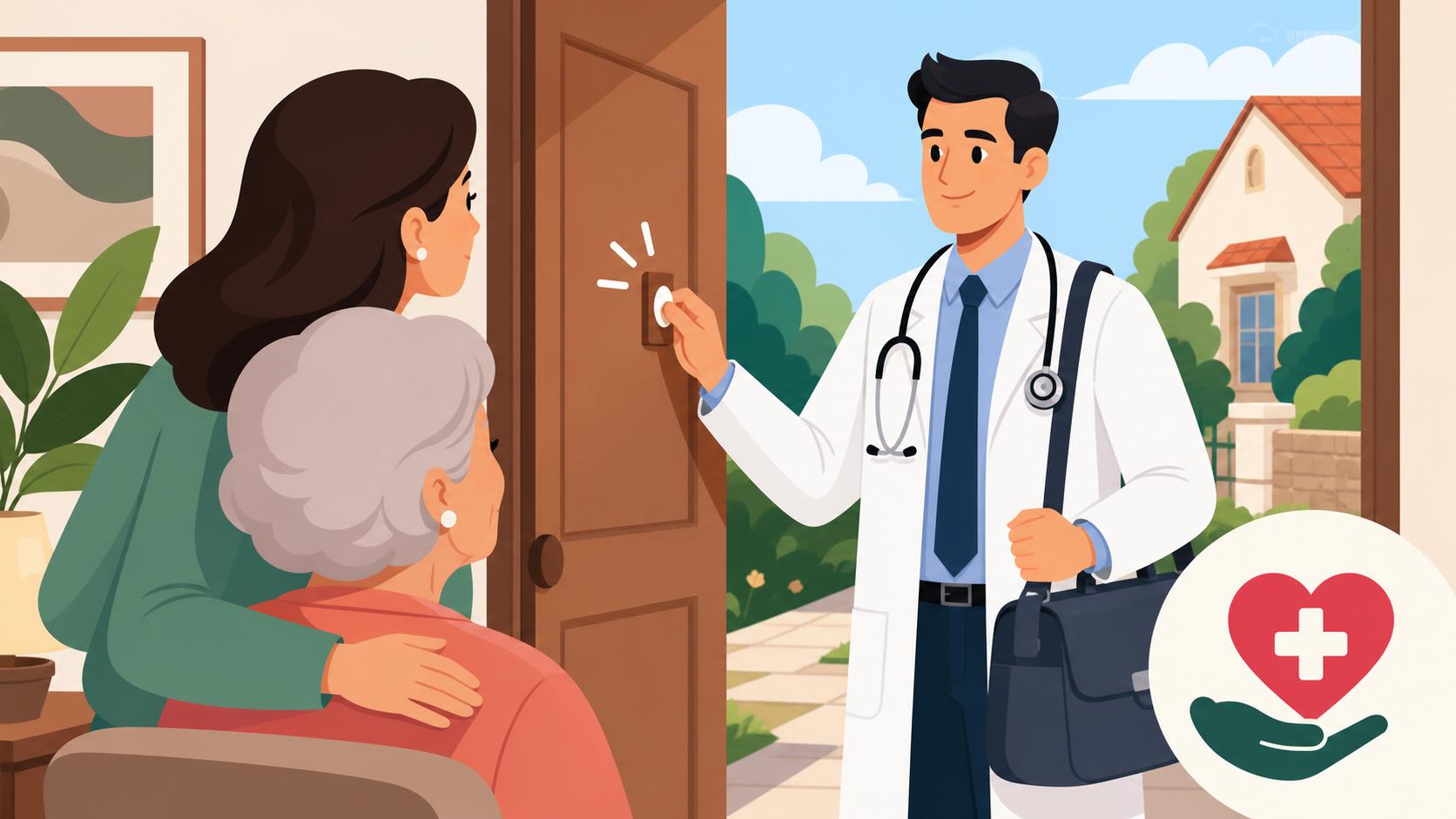
Do Portuguese doctors make house calls (Médico ao Domicílio)?
Waking up with a sudden, debilitating fever or a back injury that prevents you from even standing is a nightmare when you are in a foreign country. I remember my first winter in Porto, huddled under three blankets, terrified of the eight-hour wait at the local public hospital's emergency room. This guide explains exactly how to bring the doctor to your doorstep through the Portuguese system of Médico ao Domicílio.
Understanding the Concept of Médico ao Domicílio in Portugal
The term Médico ao Domicílio literally translates to doctor at home, and in Portugal, it is a well-established service that bridges the gap between a standard clinic visit and a frantic trip to the emergency room. For many expats, the default reaction to a sudden illness is to head straight to the "Urgências." However, the Portuguese healthcare culture actually encourages home-based care for non-life-threatening issues to prevent the overcrowding of hospitals.
In the public sector, the Portugal's National Health Service (SNS): How the Public System Works does technically offer home visits, but these are almost exclusively reserved for the elderly, bedbound patients, or those receiving palliative care. If you are a mobile adult, your local Centro de Saúde is unlikely to send a doctor to your house just because you have the flu. Instead, the public system relies heavily on the SNS 24 Helpline (808 24 24 24): Triage, Advice, and Sick Notes to determine if you need to be seen in person.
The private sector is where the Médico ao Domicílio service truly shines for the expat community. Private health providers understand that convenience is a major selling point. Whether you have a sick child at 2 AM or you are a digital nomad who cannot afford to waste a whole day in a waiting room, private home visits offer a dignified and efficient alternative. Companies like Cigna Global often provide the financial backing needed to access these premium services without worrying about the out-of-pocket sting that usually follows a private medical bill.
When to Call for a Home Visit vs When to Go to the Hospital
Determining the severity of your symptoms is the first step. A home visit is ideal for "acute but stable" conditions. This includes high fevers, severe migraines, minor respiratory infections, urinary tract infections, or localized muscle pain. The doctor arrives with a basic medical kit, can perform a physical examination, and, crucially, can issue the necessary prescriptions on the spot. This saves you the physical toll of traveling when your body is demanding rest.
However, you must recognize the limitations of a home visit. A doctor coming to your house cannot perform an X-ray, an ultrasound, or complex blood work. If you suspect a bone fracture, chest pain that could indicate a cardiac event, or severe abdominal pain that might be appendicitis, you should skip the home visit and seek Emergency Medical Care in Portugal: Calling 112 and Going to the Hospital immediately. Home visits are for comfort and diagnosis of common ailments, not for trauma or life-critical stabilization.
The psychological relief of having a professional sit on the edge of your sofa and explain your condition cannot be overstated. In a busy hospital, you are a number in a triage system; at home, you are the sole priority. To make the recovery even smoother, many expats keep their medicine cabinets stocked with high-quality supplements and recovery aids from iHerb, which can be a lifesaver when the doctor recommends specific vitamins or minerals to boost your immune system after the initial viral hit.
Cultural Nuances of Medical Visits in Portugal
Portuguese doctors are generally very thorough, but they may not always speak fluent English in the public sector. In the private home-call circuit, however, the likelihood of finding an English-speaking practitioner is significantly higher. When you book the service, it is perfectly acceptable—and highly recommended—to request a doctor who can communicate clearly in English to avoid any dangerous misunderstandings regarding dosages or symptoms.
You should also be aware that the "waiting window" for a home visit can be unpredictable. While some services promise a doctor within two to four hours, peak flu season or rainy winter weeks in Lisbon and Porto can stretch that time. It is a game of patience, but it is still far more comfortable to wait in your own bed than on a hard plastic chair in a public waiting room where Taxas Moderadoras: Co-payments and Costs in the Public Health System still apply for every interaction.
How to Arrange a House Call in the Private System
The most efficient way to secure a Médico ao Domicílio is through a private healthcare network or your insurance provider's dedicated app. Large hospital groups such as Hospital da Luz and CUF: Navigating Portugal's Biggest Private Hospitals have their own home-call branches. You typically call a dedicated hotline, provide your NIF and insurance details, and describe your symptoms to a nurse who performs a preliminary over-the-phone triage.
If you have a comprehensive international plan like those offered by Cigna Global, you may even have access to a 24/7 concierge service that coordinates the visit for you. This is particularly helpful for those who are still struggling with the language barrier. The insurance company acts as the intermediary, ensuring that the doctor dispatched to your home is within their network, which simplifies the billing process later on.
Insurance-Based Home Visits and Specialized Apps
Many Portuguese private insurers, such as Médis or Multicare, have integrated home-visit requests into their mobile apps. With a few taps, you can request a "Médico em Casa." In many cases, the co-payment for this service is surprisingly low—sometimes as little as €15 to €30—if you have the right policy. Without insurance, a private home visit can cost anywhere from €80 to €150, depending on the time of day and the provider’s location.
Using an app also allows you to track the doctor’s arrival, much like a ride-sharing service. This transparency reduces the anxiety of the "will they, won't they" show up. While waiting, it is a good idea to prepare a list of your current medications and any allergies. If you are taking specific herbal supplements or foreign-branded medications you ordered from iHerb, have the bottles ready so the doctor can check for potential drug interactions with the Portuguese equivalents they might prescribe.
For those without local insurance, there are independent platforms like Knok or Doctorino that specialize in connecting patients with available doctors for home visits or Telehealth and Online Doctors: Using TravelDoctores and Doctorsa. These platforms are often the fastest way to get a doctor to your door if you are a tourist or a brand-new expat who hasn't yet finalized their Private Health Insurance in Portugal: Costs, Coverage, and Best Providers.
Logistics of the Doctor's Arrival
When the doctor arrives, they will usually be carrying a signature black medical bag and wearing professional but practical attire. They will need a well-lit area to examine you—usually a living room or a clear bedroom space. In Portugal, it is customary to offer a glass of water, though it isn't required. The doctor will perform the exam, check your vitals, and then use a portable tablet or laptop to log the visit into the national health database.
Because the Portuguese system is highly digitized, the doctor can issue "Receitas Sem Papel" (paperless prescriptions). You will receive an SMS or an email with a code that you can take to any Pharmacies and Medication in Portugal: Green Crosses and After-Hours Service. This integration is one of the best features of the Portuguese medical system, as it eliminates the risk of losing a handwritten slip of paper or having a pharmacist misread the doctor's handwriting.
Costs, Logistics, and What to Expect During the Visit
One of the biggest shocks for expats moving from North America or the UK is how affordable private home care can be in Portugal when structured correctly. However, you must be clear on the "hidden" costs. For instance, while the consultation fee might be covered by Cigna Global, the cost of any injectable medication the doctor administers on-site might be extra. Always ask for a summary of charges before the doctor leaves.
| Service Type | Estimated Cost (No Insurance) | Estimated Cost (With Private Insurance) | Typical Wait Time |
|---|---|---|---|
| Public House Call (SNS) | €0 – €10 | N/A | Variable (Days) |
| Private House Call (Day) | €80 – €120 | €15 – €40 (Co-pay) | 2 – 5 Hours |
| Private House Call (Night/Weekend) | €120 – €180 | €25 – €60 (Co-pay) | 3 – 6 Hours |
| Private Emergency Room | €100+ (Base fee) | €40 – €70 (Co-pay) | 1 – 4 Hours |
Prescriptions and Sick Notes
A major reason expats request a Médico ao Domicílio is to obtain a "Baixa Médica" or sick note. If you are employed by a Portuguese company, you cannot simply call in sick; you need a formal document signed by a doctor to justify your absence to the Social Security system. A private doctor visiting your home can provide a temporary justification, but be aware that for long-term disability or extended sick leave, you may still need to follow up with your Finding an English-Speaking General Practitioner (Médico de Família).
The doctor will also provide you with a "Guia de Tratamento," which outlines exactly how and when to take your medications. If you find that the local Portuguese medication brands are different from what you are used to, don't worry. Most active ingredients are the same across Europe. For recovery essentials that are sometimes harder to find in local shops—like specific electrolyte powders or high-dose Vitamin C—ordering via iHerb remains a reliable way to supplement what the local pharmacy provides.
Follow-up Care and Coordination
The doctor who visits you at home is rarely your permanent primary care physician. They are part of a mobile "urgency" team. This means that if your condition doesn't improve within 48 to 72 hours, the responsibility for follow-up care lies with you. You should take the digital summary of the home visit to your regular doctor for a more permanent record.
If you are using a premium international policy from Cigna Global, you should keep all digital receipts and medical reports. Even if the service was "direct-pay" by the insurer, having your own copy of the clinical notes is vital for any future claims or for coordinating care if you travel back to your home country. This is especially true for chronic issues that might have been triggered by an acute illness, such as asthma flare-ups after a cold.
Alternatives to House Calls for Expats
Sometimes, a house call isn't actually the fastest way to get help. If you find yourself in a situation where the wait time for a home doctor is exceeding six hours, you have other high-tech and traditional options. The SNS 24 App: Getting an English-speaking nurse for minor medical issues is a fantastic first step. The nurses on this line use the same clinical algorithms as the hospitals and can often solve your problem by telling you exactly which over-the-counter medications to buy.
Another often-overlooked resource is the local pharmacy. In Portugal, pharmacists have a high degree of clinical training and can provide advice on minor ailments that might not even require a doctor's visit. If it is the middle of the night, you can look for the What is a Farmácia de Serviço and how to find one open at 2 AM. They operate through a small window after hours and can provide essentials like ibuprofen, paracetamol, or basic wound care supplies.
Telehealth: The Middle Ground
In the last few years, telehealth has exploded in Portugal. Many private hospitals and insurance platforms now offer video consultations within minutes. If your illness doesn't require a physical exam (like listening to your lungs or checking your ears), a video call is much cheaper and faster than a house call. You can get your "Receita Sem Papel" sent to your phone immediately after the call ends.
Telehealth is perfect for things like renewing a prescription for Pharmacies and Medication in Portugal: Prescriptions and OTC Drugs or getting advice on a skin rash. It’s also an excellent way to get a second opinion on supplements or wellness routines you’ve started with products from iHerb. However, if you are physically unable to sit at a computer or hold a phone, the Médico ao Domicílio remains the gold standard for home-based care.
When to Just Go to the Urgências
Finally, there is the reality of the Portuguese private hospital emergency rooms. If you live in a major city, Hospital da Luz and CUF: Navigating Portugal's Biggest Private Hospitals often have ER wait times for non-urgent cases that are shorter than the wait for a doctor to drive to your house. If you can safely get into an Uber or have a friend drive you, going to a private ER might result in you being seen, tested, and sent home with medication in less time than it takes for a mobile doctor to navigate Lisbon traffic.
Always weigh the "comfort of home" against the "speed of the clinic." For a flu that has you pinned to the bed, the home visit is a miracle. For a mysterious pain that might need a blood test, the clinic is the smarter choice. No matter which path you choose, having your Registering with the Centro de Saúde: Getting Your SNS Número de Utente completed before you get sick is the single best way to ensure the whole process goes smoothly.
Disclaimer
This guide is for informational purposes only and does not constitute professional medical or legal advice. Healthcare regulations and service availability in Portugal can change rapidly. Always consult with a qualified medical professional or your insurance provider regarding your specific health needs. In the event of a life-threatening emergency, always dial 112 immediately.