How to Refill Long-Term Medication in Portugal
Disclosure: This article contains affiliate links. If you buy through them, we may earn a commission at no extra cost to you. Read our full disclosure.
Moving to a new country involves a mountain of paperwork, but nothing feels more urgent than realizing your prescription bottle is nearly empty. When I first moved to Lisbon, I spent three weeks frantically calling clinics because my thyroid medication was down to its last five pills and I didn't have a local doctor. This guide solves that panic, explaining exactly how to secure refills through both the public and private systems in Portugal.
Understanding the Portuguese Prescription System
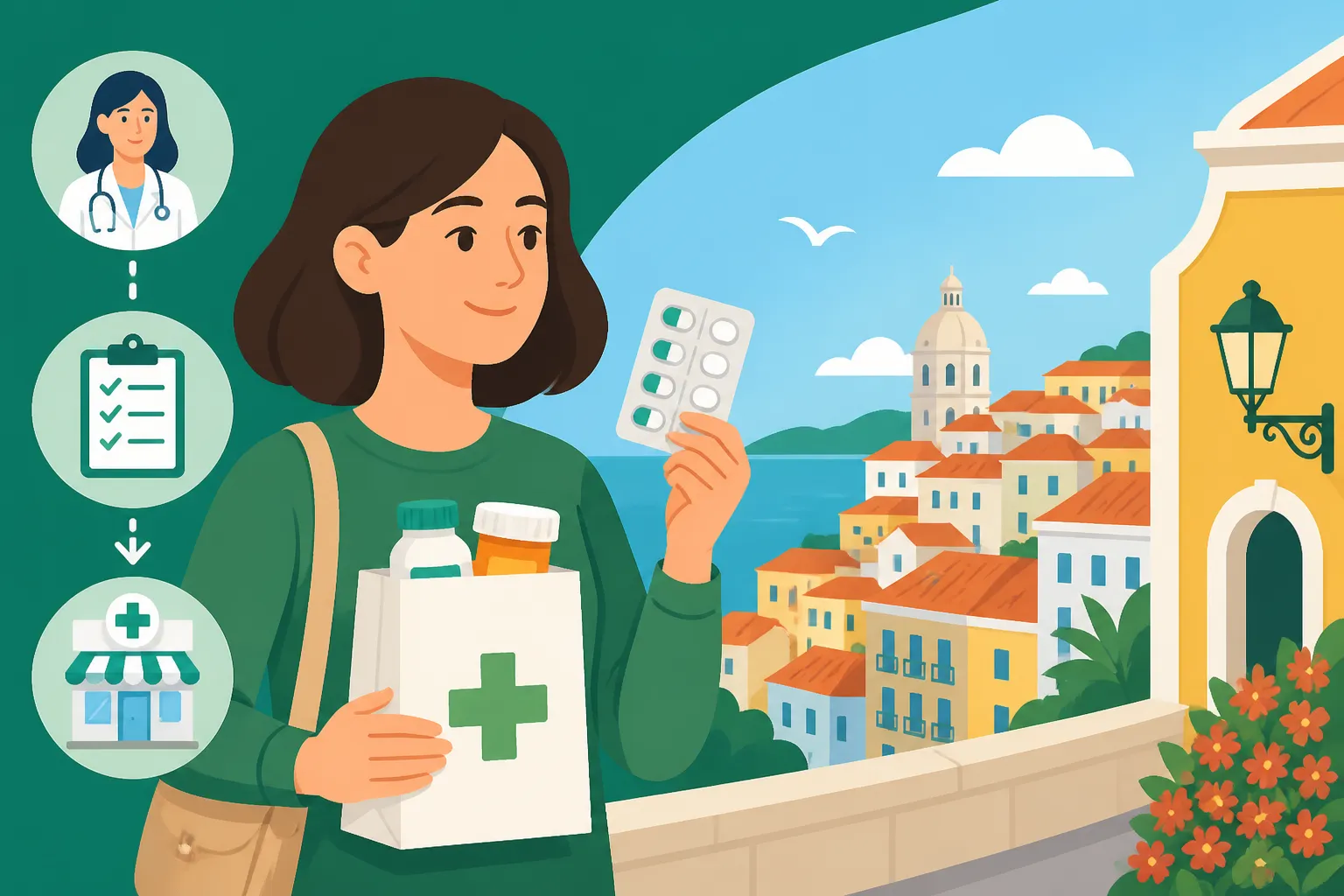
The first thing you need to realize is that Portugal has moved almost entirely to a digital system called the receita eletrónica. Gone are the days of trying to decipher a doctor’s illegible scrawl on a notepad. Today, when a doctor prescribes medication, the system generates a digital file with a unique code. You will typically receive this via an SMS on your Portuguese phone or a PDF sent to your email. This digital code is your golden ticket; you simply show it to the pharmacist on your phone, they scan it, and you get your meds.
There are different types of prescriptions, and understanding them helps you navigate Pharmacies and Medication in Portugal: Prescriptions and OTC Drugs more effectively. Most long-term medications for chronic conditions like hypertension or diabetes are partially subsidized by the state. This means the price you pay at the counter is often significantly lower than the market price, provided the prescription comes from the National Health Service (SNS). However, even if you go through a private doctor, you can still get your medication; you might just pay a higher percentage of the cost depending on your insurance coverage.
One nuance that catches many expats off guard is the distinction between the "brand name" and the "active ingredient." In Portugal, pharmacists are legally required to offer you the generic version if it is cheaper. Many expats are fiercely loyal to the brands they used back home, but I’ve found that the generics here are high-quality and strictly regulated. If you are using international coverage like Cigna Global, your out-of-pocket costs for brand names might be covered, but it is always worth checking your policy details first.
The Public Route: Using the SNS for Refills
If you are looking for the most cost-effective way to manage long-term health, the public system is the way to go. To start, you must be Registering with the Centro de Saúde: Getting Your SNS Número de Utente. Without this health number, you essentially don't exist in the eyes of the public medical system. Once you have your number, the standard procedure for a refill is to book a consultation with your médico de família (family doctor).
The reality, as any veteran expat will tell you, is that many health centers are over capacity. You might find yourself asking, Why does my Centro de Saúde say they have no Médico de Família available? This is a common frustration. If you don't have an assigned doctor, you can still request a refill through the "consulta de recurso" (sporadic consultation) or by leaving a request at the administrative desk. Some centers allow you to drop off a list of your current medications and your número de utente, and a doctor will sign off on the electronic renewal within 48 to 72 hours.
When you use the public system, you benefit from the Taxas Moderadoras: Co-payments and Costs in the Public Health System. For many chronic illnesses, the medication is heavily "comparticipada" (subsidized). Prescriptions that would cost $200 in the US sell for €5 here. However, be prepared for a bit of a wait and a lot of patience. The administrative staff at the health centers are often overworked, and a smile and a few words of Portuguese go a long way in getting your request moved to the top of the pile.
The Private Route: Speed and Convenience
If you are in a rush or simply value your time more than a few euros in subsidies, the private system is significantly more streamlined. If you have Private Health Insurance in Portugal: Costs, Coverage, and Best Providers, you can simply book an appointment at a hospital like CUF or Luz. You can often get an appointment within the same week, or even the same day for a general practitioner.
During your appointment, bring your old prescription bottles or a letter from your previous doctor. Portuguese private doctors are generally very accommodating to expats, but they do need to verify what you are taking. Once they are satisfied, they will issue a private electronic prescription. If you are using the Hospital da Luz app: How to book a specialist appointment on your phone, your prescriptions will often appear directly in the app’s "wallet" section, making it impossible to lose them.
For those who are just passing through or are in the middle of a move, Telehealth and Online Doctors: Using TravelDoctores and Doctorsa can be a lifesaver. These services allow you to have a video call with a licensed Portuguese doctor who can issue a digital prescription valid at any local pharmacy. This is particularly useful for simple refills of non-controlled substances. If you are a digital nomad covered by SafetyWing, utilizing these telehealth options is often the fastest way to bridge the gap until you find a permanent local doctor.
| Feature | Public SNS (Centro de Saúde) | Private Clinics (CUF/Luz) | Telehealth Services |
|---|---|---|---|
| Cost of Consultation | Low (€0 – €5) | High (€40 – €100+) | Moderate (€25 – €60) |
| Medication Subsidy | Maximum (State-funded) | Limited (Depends on Insurance) | Usually None |
| Waiting Time | Weeks to Months | Days | Minutes to Hours |
| Language | Mostly Portuguese | English widely spoken | English-focused |
| Ease of Access | Difficult (Requires Registration) | Easy (Walk-in/App) | Very Easy (Online) |
Navigating the Portuguese Pharmacy (Farmácia)
When you walk into a Portuguese pharmacy, the first thing you should do is look for a ticket machine near the door. It will usually have letters like "A" for general service or "R" for prescriptions. Take your ticket and wait for your number to appear on the screen. This is a non-negotiable part of the culture; "cutting in line" by just walking up to the counter is a major faux pas.
Once it’s your turn, show your digital prescription code to the pharmacist. They will scan it and check their stock. If they don’t have your specific medication, don’t panic. Most pharmacies in urban areas receive deliveries two or three times a day. If you order it at 10 AM, it is often ready for pickup by 4 PM. This level of efficiency is something I truly appreciate about living here. You can also use the Pharmacies (Farmácias) in Portugal: Green Crosses and After-Hours Service system to find a pharmacy that is open in the middle of the night if you’ve had a true medication emergency.
Keep in mind that some medications require a "visto" or a special authorization if they are high-cost or specialized. Also, if you are Managing Chronic Illnesses: Diabetes and Hypertension Care in Portugal, you should establish a relationship with one specific local pharmacist. They can be incredibly helpful in tracking your refill history and even reminding you when your current prescription is about to expire. They are highly trained medical professionals here, not just retail workers, so don't hesitate to ask them for advice on side effects or local equivalents.
Special Cases: Controlled Substances and Foreign Prescriptions
If your long-term medication involves controlled substances—such as those for ADHD, strong painkillers, or certain psychiatric drugs—the process is much more rigid. For these, you must follow the rules for Getting ADHD medication in Portugal: Diagnosis and prescription rules. These require a "receita amarela" (yellow prescription) or a specific type of digital tracking that regular medications do not. You cannot get these through a simple telehealth call; you will almost certainly need to see a specialist in person, and they may require new blood tests or a formal diagnosis report from your home country.
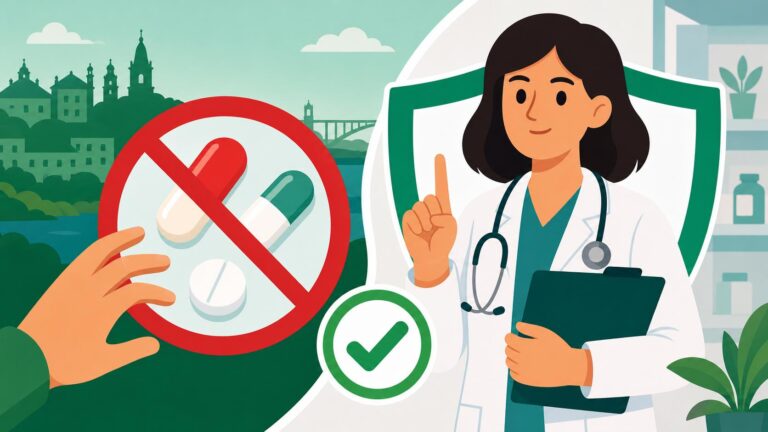
A common question is: Can I use a US or UK medical prescription at a Portuguese pharmacy? The short answer is usually no. While EU prescriptions are technically valid across borders under certain conditions, non-EU prescriptions are not recognized. A Portuguese pharmacist cannot legally dispense medication based on a piece of paper from a doctor in New York or London. You must take that foreign prescription to a Portuguese doctor and have them "convert" it into a Portuguese electronic prescription.
If you are moving here, I highly recommend Bringing Prescription Drugs to Portugal: Customs and Import Rules to heart. Carry at least a three-month supply with you, along with a signed letter from your doctor and a copy of the original prescription. This gives you a buffer to navigate the bureaucracy of the SNS or find a private doctor who makes you feel comfortable. Using an international plan like Cigna Global can help facilitate this transition by giving you access to premium specialists who are used to dealing with international medical records and translating them into the local system.
Tips for Managing Long-Term Refills
To avoid the stress I faced during my first month, there are a few "pro-tips" you should follow. First, always keep a photo of your Número de Utente and your NIF on your phone. You will be asked for these constantly at both the doctor’s office and the pharmacy. Second, learn the Portuguese names for your active ingredients. For example, if you take Tylenol, you need to ask for Paracetamol. If you take Advil, ask for Ibuprofeno.
Another great tool is the SNS 24 app. Once you have your health number, you can log in and see all your active prescriptions, their expiration dates, and even book appointments at your local health center. It is a surprisingly robust piece of technology for a government app. If you are struggling with the language, check out our tips on Navigating the public health system if you only speak English (Translation tips) to make the process smoother.
Finally, remember that the "August Shutdown" is real. If your medication is due for a refill in August, try to get it done in June or July. Many doctors take their holidays during this month, and the administrative staff at health centers are at a skeleton crew. Plan ahead, stay organized, and you’ll find that once you are "in the system," managing your health in Portugal is actually quite simple and incredibly affordable compared to many other Western countries.
Disclaimer
This guide is for informational purposes only and is based on personal experience and local regulations as of 2026. Medical laws and pharmacy protocols in Portugal can change. Always consult with a licensed medical professional or a legal expert regarding your specific healthcare needs and the legality of importing or dispensing particular medications. The author is a lifestyle blogger, not a doctor or a pharmacist.