How to find an English-speaking pediatrician (Pediatra) for your baby
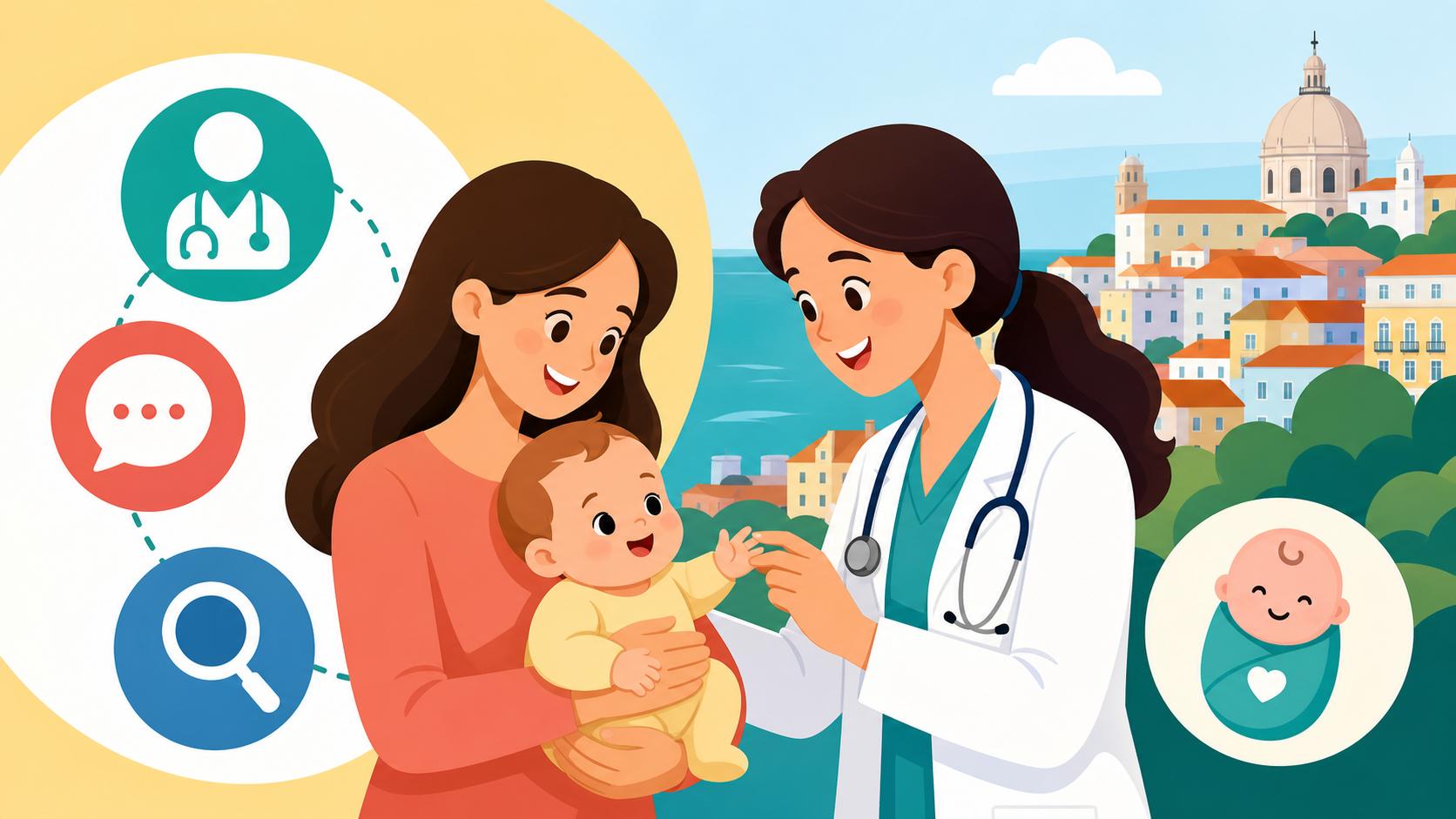
Standing in a dark living room at 3 AM with a feverish newborn is terrifying enough without the added fear of a language barrier. I remember my first week in Lisbon, clutching a Portuguese dictionary while my daughter cried, feeling completely helpless and invisible to the local system. This guide simplifies finding an English-speaking pediatrician (Pediatra) so you can focus on your baby's health, not translation.
Navigating the Portuguese Pediatric Landscape
Portugal offers a dual-track healthcare system, and understanding where a pediatrician fits into each is your first step. On one hand, you have the Servico Nacional de Saude (SNS), which is the taxpayer-funded public system. On the other, there is a robust private sector filled with modern hospitals and clinics. As an expat, your experience in finding an English-speaking doctor will differ wildly depending on which path you take.
In the public system, pediatric care is usually managed through your local health center. While the quality of care is world-class, you often don't get to "choose" your doctor. You are assigned to the team available at your Registering with the Centro de Saúde: Getting Your SNS Número de Utente. Many of these doctors do speak English, especially the younger generation, but it is never guaranteed. If your Portuguese is still in the "bom dia" phase, this can lead to significant stress during a consultation.
Conversely, the private sector is where the majority of expats find their comfort zone. Hospitals like CUF, Hospital da Luz, and Lusíadas allow you to browse doctor profiles online, specifically looking for those who list English (and often French or German) as a spoken language. Because many Portuguese doctors train or specialize abroad, the level of English proficiency in private pediatrics is exceptionally high. If you are using a premium international provider like Cigna Global, you will find that most top-tier private pediatricians are well within their network, making the administrative side of the visit much smoother.
Using Private Hospital Apps to Filter for English Speakers
The most efficient way to find an English-speaking pediatrician is through the dedicated apps of the major private hospital groups. Portugal has embraced digital health more than many other European nations, and these platforms are a godsend for parents.
The CUF and Hospital da Luz Digital Portals
When you download the MyCUF or MyLuz apps, you aren't just booking a slot; you are accessing a database of specialists. When searching for "Pediatria," you can filter by location and, crucially, view the CV of each doctor. Look for doctors who mention international residencies or memberships in international pediatric societies. These are the clinicians who will be most comfortable explaining complex medical nuances in English.
For many expats, Hospital da Luz and CUF: Navigating Portugal's Biggest Private Hospitals is the preferred route because these facilities function like "one-stop shops." You can see your pediatrician, get blood tests done at the lab downstairs, and pick up prescriptions at the on-site pharmacy. When navigating these private costs, having comprehensive Private Health Insurance in Portugal: Costs, Coverage, and Best Providers ensures you aren't paying the full "out-of-pocket" rate, which can range from €80 to €120 per consultation.
The Importance of the "Médico de Família" vs. Specialist
In Portugal, the pediatrician is often seen as a specialist rather than a primary care provider for older children, but for babies (under 2 years), they are the central point of contact. However, if you are using the public system, your "Médico de Família" (Family Doctor) might handle routine issues while referring you to a pediatrician for specialized concerns. If you want a dedicated pediatrician for every minor sniffle, the private system is your only realistic path. During these early months, you might also find yourself looking for specific supplements or organic care products that are hard to find in local pharmacies; many expats rely on iHerb to source international baby brands that aren't yet common on Portuguese shelves.
The Public System and the SNS 24 Shortcut
Don't let the "private is easier" narrative scare you away from the public system entirely. The SNS is phenomenal for vaccinations and emergency care. If your baby is sick and it isn't a life-threatening emergency, your first call should always be the SNS 24 Helpline (808 24 24 24): Triage, Advice, and Sick Notes.
When you call SNS 24, you can request an English-speaking nurse. They will ask a series of diagnostic questions to determine the severity of your baby's condition. They use the Manchester Triage System to decide if you should stay at home, visit your local Centro de Saúde, or head immediately to the "Urgências" (Emergency Room). If they tell you to go to the hospital, they will send a referral directly to the clinical system, which often lowers your waiting time and alerts the hospital that an English-speaker is arriving.
Understanding the Triage Colors
When you arrive at a public pediatric ER, your baby will be triaged and given a color-coded wristband. This determines the order in which patients are seen, regardless of arrival time.
- Red: Immediate (Life-threatening)
- Orange: Very Urgent (Wait time ~10-15 mins)
- Yellow: Urgent (Wait time ~60 mins)
- Green/Blue: Non-urgent (Expect long waits, sometimes 4-8 hours)
For non-urgent issues, going to a private hospital's pediatric permanent care (Atendimento Permanente) is much faster, provided your insurance, such as Cigna Global, covers the visit. You can check Emergency Rooms (Urgências) in Portugal: Triage Colors and Wait Times for a deeper dive into how this system functions across different regions.
Routine Checkups and the Yellow Book
In Portugal, every child is issued a "Boletim de Saúde Infantil e Juvenil," commonly known as the "Yellow Book." This is a vital document that tracks your baby’s growth, developmental milestones, and vaccination history.
Managing the Vaccination Schedule
Portugal has one of the highest vaccination rates in the world, and the National Vaccination Plan (PNV) is free for all residents, including expats with a Número de Utente. Even if you see a private pediatrician for your routine monthly wellness checks, they will likely advise you to go to your local public Centro de Saúde for the actual injections. This ensures the data is recorded in the national database.
If you have moved to Portugal from the US, UK, or elsewhere, you must get your child's previous records integrated. This is a common pain point. You may need to learn How to get your child's Boletim de Vacinas (Vaccination book) translated to ensure the local nurses know exactly which doses your baby has already received. The nurses at the public centers are the gatekeepers of this book, and while they are incredibly skilled, their English can be hit-or-miss. Bringing a printed translation of your home country’s vaccination schedule can save hours of confusion.
Developmental Milestones (Consultas de Vigilância)
Standard Pediatric Care in Portugal: Vaccinations and Child Health Checks follow a strict schedule: 1 week, 1 month, 2 months, 4 months, 6 months, 9 months, and 12 months. During these visits, the doctor will check the baby's fontanelle, hip dysplasia, and weight/height percentiles. If you prefer a more holistic approach or specific vitamins, you might find that the local selection is limited; using iHerb to order specific vitamin D drops or probiotics can be a helpful way to maintain the routine your baby had before moving.
Comparison of Pediatric Care Options in Portugal
| Feature | Public (SNS) | Private (CUF/Luz/HPA) |
|---|---|---|
| Cost | Free (or very low co-pay) | €80-€120 (without insurance) |
| Doctor Choice | Assigned by Health Center | You choose via App/Website |
| English Levels | Variable (often hit-or-miss) | Very High (standard for specialists) |
| Wait Times | Can be weeks for non-urgent | Usually 1-3 days |
| Emergency Care | High-quality but long waits | Fast but expensive |
| Vaccinations | Included and prioritized | May require buying at pharmacy |
Practical Tips for Your First Appointment
When you finally secure that first appointment with an English-speaking pediatrician, come prepared. The Portuguese medical culture is very thorough, and doctors appreciate parents who have their documentation in order.
- Bring the NIF and NISS: Even in private clinics, they will ask for your tax number (NIF) and social security number (NISS) to link your records.
- Request a "Relatório": If your baby has a chronic condition, always ask for a written report (relatório) in English or Portuguese. This is essential if you ever need to visit a different specialist or a public hospital in an emergency.
- Ask about "Médico ao Domicílio": Some private insurance plans and clinics offer home visits. It is worth asking your doctor, "Do Portuguese doctors make house calls (Médico ao Domicílio)?" as this can be a lifesaver when your baby is too sick to travel across town.
- Insurance Cards: Always have your digital or physical insurance card ready. If you are using Cigna Global, ensure you have the app downloaded so you can show proof of coverage for direct billing, which many large private hospitals in Lisbon and Porto accept.
- Pharmacy Apps: Most prescriptions in Portugal are electronic. They will send a code to your phone. You take this code to any "Farmácia." If you are looking for specific international brands of diaper cream or organic snacks, remember that iHerb ships to Portugal quite efficiently, often arriving within a week.
Finding the right doctor takes a bit of legwork, but the peace of mind that comes from being able to explain your baby’s symptoms—and understand the doctor’s advice—is worth every Euro of a private consultation. Portugal is an incredibly child-friendly country, and once you are in the system, you will find the level of warmth and care from "pediatras" to be among the best in the world.
Disclaimer
This article is for informational purposes only and does not constitute professional medical advice, diagnosis, or treatment. Always seek the advice of a qualified healthcare provider in Portugal with any questions you may have regarding a medical condition or the health of your child. Reliance on any information provided in this guide is solely at your own risk.