How to Cycle the Ecovia do Litoral in the Algarve
Disclosure: This article contains affiliate links. If you buy through them, we may earn a commission at no extra cost to you. Read our full disclosure.
Navigating Portugal can be an absolute dream, but trying to figure out the nitty-gritty details, like planning a multi-day cycling trip, often feels like trying to herd cats – especially when you're dealing with a new country's unique quirks. For anyone dreaming of exploring the stunning Algarve coastline on two wheels, the Ecovia do Litoral offers an incredible journey, but getting from dream to reality requires a good bit of planning. This comprehensive guide will meticulously break down everything you need to know, from the moment you consider renting a bike to the last pedal stroke, ensuring your Algarve cycling adventure is as smooth and breathtaking as the coastal views themselves.
Understanding the Ecovia do Litoral: What You Need to Know
The Ecovia do Litoral is a jewel in the Algarve's crown, a dedicated cycling and walking path that hugs the southern coast of Portugal. It’s an adventure that promises diverse landscapes, from golden beaches and dramatic cliffs to charming fishing villages and bustling towns. But before you saddle up, it's crucial to understand the route's characteristics to prepare effectively and ensure an enjoyable experience.
Route Overview and Key Sections
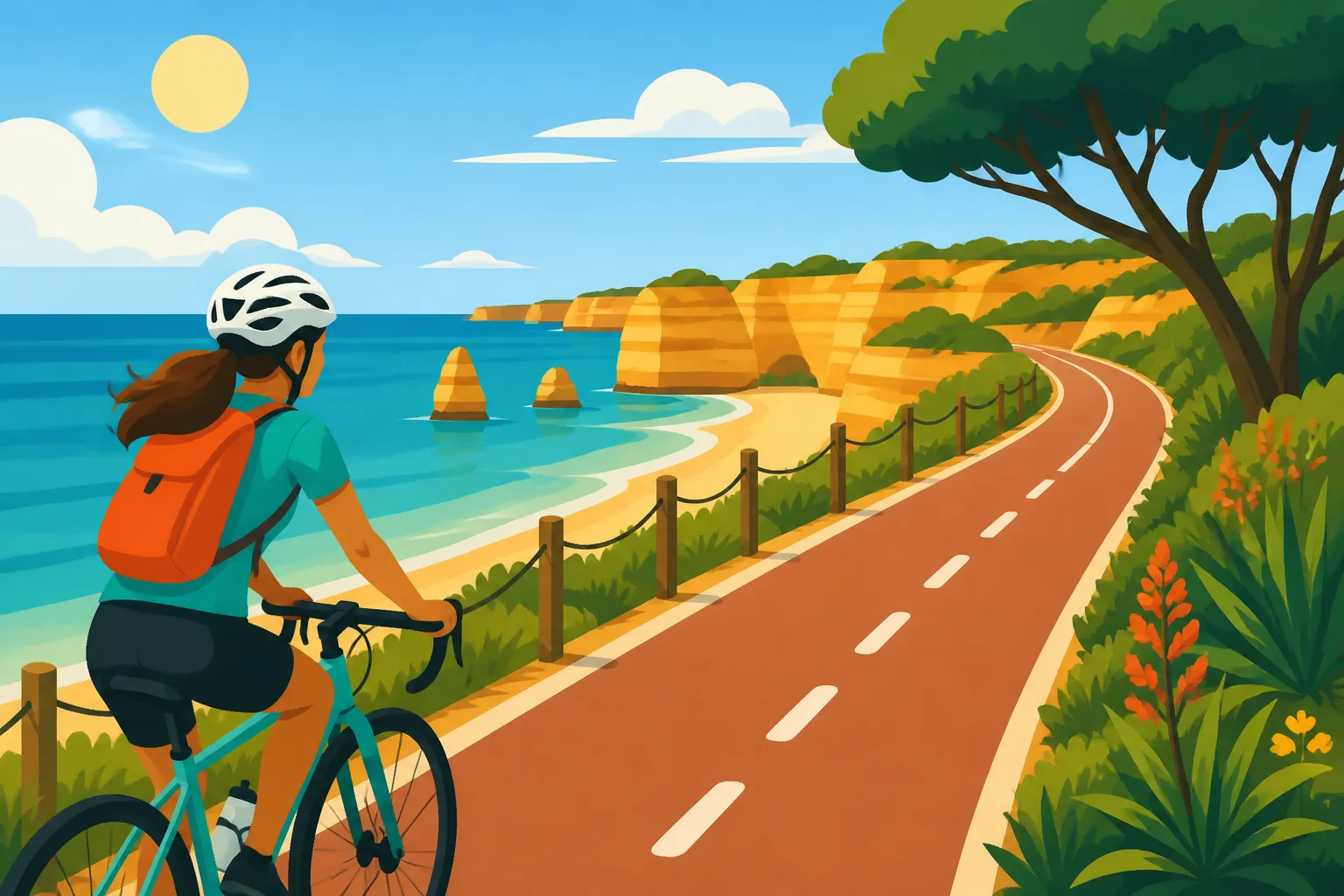
Stretching approximately 214 kilometers (about 133 miles) from Vila Real de Santo António on the Spanish border all the way to Sagres on the western tip, the Ecovia do Litoral traverses the entire Algarve coastline. It’s designed to connect various points of interest, allowing you to immerse yourself in the region's natural beauty and culture. You’ll find yourself cycling through protected natural parks like the Ria Formosa, past ancient Roman ruins, and right by some of the most beautiful beaches in Europe.
While the entire route can be completed in several days (typically 3 to 5 for an active cyclist), it's also perfectly suited for shorter, segmented rides. Many expats and tourists choose to tackle sections based on their starting point or areas of interest. For example, the eastern section, from Vila Real de Santo António to Faro, is generally flatter and takes you through saltpans, lagoons, and towns like Tavira and Olhão. This area is fantastic for birdwatching and exploring barrier islands. The central section, around Faro, Loulé, and Albufeira, can be a bit more urban and populated, offering vibrant city life and tourist amenities. As you head west towards Lagos and Sagres, the landscape becomes more dramatic, with rolling hills, towering cliffs, and hidden coves, making for a more challenging but incredibly rewarding ride. When considering where to base yourself, our guide on The Algarve for Expats: Lagos, Faro, and Tavira Compared offers a great overview of these different areas.
Terrain, Difficulty, and What to Expect
Let's be real: "Ecovia" might sound like a perfectly paved, flat pathway, but this is Portugal, and the reality is a charming mix of everything. The Ecovia do Litoral primarily consists of paved roads, dedicated cycle paths, and sometimes stretches of compacted dirt or gravel tracks. It's not always a smooth, uninterrupted ride, and that's part of its charm – you'll encounter a real cross-section of the Algarve. While much of the route is relatively flat, particularly in the eastern part, there are definitely undulating sections, especially as you move west towards Lagos and Sagres. You'll encounter some moderate climbs and descents that will get your heart rate up, but nothing too extreme for a reasonably fit cyclist.
The difficulty level is generally considered moderate. It’s accessible for casual cyclists who are comfortable with longer distances, but it's not a mountain biking trail. A hybrid bike or a comfortable touring bike is usually ideal. If you're not used to cycling for extended periods or prefer an easier ride, an electric bike (e-bike) can be a fantastic option, especially for tackling those western hills with a bit more ease. Expect to share some sections with cars, particularly on smaller municipal roads, so awareness and good road etiquette are essential.
Best Times to Cycle and Weather Considerations
Choosing the right time of year can make or break your Ecovia experience. The Algarve is famous for its sunshine, but extreme heat can be a real issue. The shoulder seasons – spring (April to May) and early autumn (September to October) – are hands down the best times to cycle. During these months, the temperatures are pleasant, typically ranging from 18°C to 25°C (64°F to 77°F), with less rain and lighter winds than in winter. The countryside is also at its most beautiful, with spring flowers blooming or the autumn light casting a warm glow over the landscape. Plus, tourist crowds are thinner, making for a more peaceful ride and easier access to accommodations.
Summer (June to August) is generally too hot for comfortable long-distance cycling, with temperatures often soaring above 30°C (86°F). The sheer volume of tourists also means busier roads and paths, particularly around popular resort towns. If you must cycle in summer, aim for early morning or late afternoon rides, and stay vigilant about hydration. Winter (November to March) offers cooler temperatures, which can be lovely, but it also brings a higher chance of rain and stronger winds, especially near the coast. Some days will be crisp and sunny, perfect for cycling, while others might be a complete washout. Always check the local forecast meticulously if planning a winter trip.
Logistics: Bike Rental, Gear, and Accommodation
Once you've wrapped your head around the route itself, it's time to get down to the practicalities. The success of any cycling tour hinges on good logistics, from having the right bike to knowing where you'll lay your head at night.
Where to Rent a Bike in the Algarve
Unless you’re a serious cycling enthusiast who ships their own ride, renting a bike locally is the most convenient option. The Algarve has a thriving cycling tourism industry, meaning there are plenty of rental shops, especially in major towns. You'll find a good selection of bikes, from standard mountain bikes and hybrids to road bikes and electric bikes.
- Major Hubs: Look for reputable rental companies in places like Faro, Lagos, Albufeira, and Tavira. Companies like MegaSport or Abilio Bikes often have multiple locations and can sometimes arrange one-way rentals, which is incredibly useful if you plan to cycle the entire route without backtracking.
- Booking in Advance: Especially during peak shoulder seasons (April-May, Sept-Oct), it's highly advisable to book your bike well in advance. This ensures you get the right size and type of bike, as well as any specific accessories you might need.
- What to Look For: When renting, ensure the bike is well-maintained and comes with essential accessories like a helmet (mandatory in Portugal if cycling outside of urban areas), a repair kit (patch kit, tire levers, pump), and a lock. Ask about insurance options and what to do in case of a breakdown or accident. Some companies even offer delivery and collection services, which can simplify your start and end points significantly. Expect rental prices to vary based on the bike type and duration, but typically range from €20-€40 per day for a hybrid, with e-bikes usually at the higher end.
Essential Gear and Packing Tips
Packing smart is key for a multi-day cycling trip. You want to be prepared without being burdened by unnecessary weight.
- Cycling Essentials:
- Helmet: Non-negotiable for safety, and legally required in many situations.
- Padded Cycling Shorts: Your derrière will thank you. Trust me on this one.
- Moisture-Wicking Layers: Portugal's weather can change. Layers help manage temperature.
- Gloves: Protect your hands and reduce vibration.
- Sunglasses: Essential for sun protection and keeping dust out of your eyes.
- Sunscreen and Lip Balm: The Algarve sun is intense, even in cooler months.
- Water Bottles: Carry at least two large ones, especially on longer stretches between towns.
- Basic First-Aid Kit: Blister plasters, antiseptic wipes, pain relievers. Our guide on Pharmacies and Medication in Portugal: Prescriptions and OTC Drugs can help you restock along the way if needed.
- Navigation:
- GPS Device/Smartphone with GPS: Pre-load the Ecovia do Litoral route (GPX files are usually available online). A power bank is crucial.
- Physical Map: A backup, just in case technology fails.
- Repair Kit: Even if your rental comes with one, know how to use it. A spare inner tube is a lifesaver.
- Clothing: Pack light. Quick-dry fabrics are your best friend. One or two changes of casual clothes for evenings are sufficient.
- Small Backpack or Panniers: To carry your essentials.
- Identification and Money: Keep your passport, NIF (if you have one), a debit/credit card, and some cash handy. The Multibanco System and MB Way: Portugal's Unique Payment Network is prevalent, but smaller cafes in remote villages might be cash-only.
Planning Overnight Stays and Rest Stops
Unless you're planning an epic single-day dash (which I don't recommend for enjoyment!), you'll need places to stay along the way. The good news is the Algarve is well-equipped with accommodation options for every budget.
- Strategic Planning: Divide the route into manageable daily distances. For instance, if you're aiming for 50-70 km per day, you'll need 3-4 overnight stops. Popular towns like Tavira, Olhão, Faro, Albufeira, Portimão, Lagos, and Sagres are excellent choices for overnight stays. They offer a range of hotels, guesthouses, and hostels.
- Booking Ahead: During shoulder seasons, it’s wise to book your accommodation a few weeks in advance, especially if you have specific preferences or are traveling with a group. Using platforms like Booking.com is incredibly helpful for finding options and comparing prices. Many places are also quite welcoming to cyclists, often offering secure bike storage.
- Mid-Day Breaks: Don't forget to factor in leisurely breaks. Portugal's charm lies in its cafes, pastelarias, and small restaurants. Stop for an espresso and a pastel de nata, or a longer lunch featuring fresh seafood. Our article on Portuguese Coffee Culture and Restaurant Etiquette: Ordering Like a Local might give you some useful tips on how to fit right in. These breaks are not just for refueling; they're for soaking up the local atmosphere and resting your legs. Many towns along the route have excellent spots for this.
Navigating the Route: Signage, Maps, and Safety
So, you've got your bike, your gear, and your accommodation sorted. Now, how do you actually stay on track and, more importantly, stay safe on the Ecovia do Litoral?
Following the Ecovia: Signage and GPS Navigation
While Portugal has made significant strides in developing its cycling infrastructure, relying solely on physical signage can sometimes lead to minor detours or confusion. The Ecovia do Litoral is marked with specific signs – typically green and white, often featuring a bicycle symbol and "Ecovia do Litoral" text. These signs are generally good in towns and popular areas but can become sparse in more rural stretches or at complex junctions.
Therefore, GPS navigation is highly recommended, if not essential.
- Pre-Load GPX Files: Before you even leave home, download GPX (GPS Exchange Format) files of the entire Ecovia do Litoral route. Websites dedicated to cycling in Portugal or local tourism boards often provide these. Upload them to your dedicated GPS device (like a Garmin or Wahoo) or a reliable smartphone app (e.g., Komoot, RideWithGPS, Strava).
- Mount Your Device: Use a sturdy phone mount or bike computer mount on your handlebars for easy visibility.
- Battery Life: Navigation apps can drain your phone battery quickly. A power bank is not just an accessory; it's a necessity.
- Checkpoints: Even with GPS, keep an eye out for the physical signs, especially when entering or leaving towns. They can serve as reassuring checkpoints.
Safety Tips for Cyclists in Portugal
Cycling in a foreign country always comes with its own set of safety considerations. While Portugal is generally safe, it's vital to be aware of your surroundings and local road etiquette.
- Road Awareness: While dedicated cycle paths exist, you will inevitably share roads with vehicles. Portuguese drivers are generally respectful, but vigilance is key. Assume drivers don't see you.
- Visibility: Wear bright clothing, especially if you anticipate cycling near dusk or dawn. Use front and rear lights, even during the day, for enhanced visibility.
- Traffic Laws: Familiarize yourself with basic Portuguese road rules for cyclists. For example, cyclists must use a helmet when cycling outside of urban areas, and riding two abreast is generally permitted only if it doesn't impede traffic. In towns, you might find yourself navigating narrow, cobblestone streets, so take it slow.
- Potholes and Uneven Surfaces: Some rural roads or older urban streets might have uneven surfaces or potholes. Keep your eyes on the road, especially after rain.
- Hydration and Sun Protection: Portugal’s sun is glorious but can be a health hazard if underestimated. Drink water frequently, even if you don't feel thirsty, and reapply sunscreen regularly.
- Emergencies: In case of a serious accident or medical emergency, dial 112, Portugal's emergency number. While dispatchers might not always speak fluent English, they will connect you to the appropriate services. Our guide on Emergency Medical Care in Portugal: Calling 112 and Going to the Hospital provides more detail on this. For less urgent situations, having a local SIM card from providers like Vodafone, MEO, or NOS, or an eSIM from Airalo (if you're just visiting), ensures you can always call for assistance.
What to Do in Case of an Emergency
Even the best-planned trips can have unexpected bumps (sometimes literally!). Knowing what to do can reduce stress significantly.
- Mechanical Breakdown: For minor issues, your rental bike's repair kit should suffice. If it’s a more serious problem, contact your rental company. Many offer roadside assistance or can direct you to the nearest bike shop. Always have their contact number saved.
- Accident/Injury: If you or a companion are involved in an accident:
- Assess: Check for injuries.
- Secure the Scene: Move to a safe location if possible.
- Call 112: For medical emergencies or if other vehicles are involved. They can dispatch an ambulance (ambulância) or police (polícia).
- Exchange Information: If another party is involved, get their details (name, contact, vehicle registration, insurance information). Take photos of the scene.
- Notify Rental Company: Inform your bike rental company as soon as it's safe to do so.
- Lost/Disoriented: Refer to your GPS or physical map. If truly lost and cannot reorient yourself, ask a local. Most Portuguese people are friendly and willing to help, even with a language barrier. Pointing at a map and saying "Ecovia?" with a questioning tone can often get you in the right direction.
Connecting Your Journey: Public Transport and Other Options
Cycling the Ecovia do Litoral is a fantastic experience, but sometimes you need a little help from modern conveniences, or you might want to extend your adventure beyond the path itself. Integrating public transport can offer flexibility, especially if you’re covering the entire length of the route or dealing with unexpected weather.
Combining Cycling with Train Travel (CP – Comboios de Portugal)
Portugal’s national train service, Comboios de Portugal (CP), can be a cyclist’s best friend in the Algarve. The main railway line runs fairly parallel to the Ecovia for a significant portion, especially from Lagos eastward to Vila Real de Santo António, with stations in many key towns like Faro, Tavira, Olhão, and Portimão.
- Regional Trains (Urbanos/Regionais): These are your go-to. Most regional trains in Portugal allow bicycles on board, usually in designated areas or at the front/rear carriages. There might be a small fee (often around €4 per bike per journey), or it might be free, depending on the route and type of train. Always double-check the current policy on the CP website or at the station. This is perfect for skipping a particularly challenging section, returning to your starting point, or simply covering ground quickly if you’re short on time. Our guide on Using Comboios de Portugal (CP) Trains and the Navegante Pass offers more in-depth information.
- Intercidades/Alfa Pendular: Faster, long-distance trains generally do not allow bikes unless they are dismantled and packed in a bag, or sometimes if they're folding bikes. This isn't ideal for a touring cyclist. Stick to the regional services.
- Planning: Look up train schedules in advance using the CP website or apps. The Omio platform is also excellent for checking routes and purchasing tickets, often allowing you to see available train times and connections easily. This flexibility allows you to customize your journey, perhaps cycling one way and taking the train back, or hopping between major towns.
Bus Services and Bike Transport Policies
Bus travel in Portugal can be a mixed bag for cyclists. While generally cheaper than trains, most bus companies (like Eva Transportes, Rede Expressos) have stricter policies regarding bicycle transport.
- Dismantling Required: Often, bikes need to be partially dismantled (front wheel removed, pedals taken off) and stored in a bike bag to be accepted as luggage in the bus’s hold. This can be a hassle, especially after a long day of cycling.
- Limited Space: Space in the luggage hold is also limited, especially on popular routes, and bikes may be refused if the bus is full. It’s always best to inquire directly with the specific bus company in advance or at the bus station before you plan to travel.
- Local Buses: For very short distances within towns or between adjacent villages, some local buses might be more lenient, but don't count on it.
- When to Use: Consider buses primarily if there are no train alternatives, or if you're only carrying a very compact folding bike.
Other Ways to Explore the Algarve by Bike
The Ecovia do Litoral is just one fantastic option. The Algarve, and Portugal in general, offers a plethora of cycling experiences.
- Via Algarviana: For the more adventurous, the Via Algarviana is a long-distance pedestrian and cycling route that traverses the interior of the Algarve, from east to west. This route is much more challenging, primarily off-road, and takes you through the stunning hills (serra) of the region. It’s a completely different landscape and experience than the coastal Ecovia.
- Guided Cycling Tours: If you prefer a stress-free experience with all logistics handled, consider a guided cycling tour. Many local tour operators in the Algarve offer multi-day guided trips along the Ecovia or other routes, complete with support vehicles, accommodation, and meals. Platforms like GetYourGuide list various cycling tours, from half-day excursions to multi-day adventures, often providing e-bike options. This can be an excellent way to see the region and meet fellow travelers without the headache of planning every detail yourself.
- Mountain Biking Trails: For thrill-seekers, the interior of the Algarve also boasts numerous mountain biking trails, particularly around Monchique and the Vicentine Coast Natural Park. These are technical and require appropriate bikes and skills.
- Coastal Exploration: Beyond the Ecovia, simply exploring smaller coastal towns and their immediate surroundings by bike can be incredibly rewarding. Many villages have their own local cycle paths or quiet roads perfect for a leisurely ride to a secluded beach. For more on these hidden gems, check out our article Exploring the Algarve's Best Beaches: From Secluded Coves to Family-Friendly Shores.
The Algarve truly offers something for every type of cyclist. Whether you're a seasoned touring pro or a casual rider looking for a scenic day out, the Ecovia do Litoral and its surrounding networks provide an unforgettable way to experience this beautiful corner of Portugal. Just remember to embrace the journey, the occasional wrong turn, and the endless opportunities for a refreshing bica along the way!
Disclaimer
Please note that while this guide aims to provide accurate and up-to-date information, regulations, services, and conditions in Portugal can change. It is always advisable to verify specific details, such as public transport schedules, bike rental terms, and emergency procedures, with official sources prior to your trip. This content is for informational purposes only and does not constitute professional advice.