How to Plan a First Trip to Madeira
Disclosure: This article contains affiliate links. If you buy through them, we may earn a commission at no extra cost to you. Read our full disclosure.
Oh, Madeira! The "Pearl of the Atlantic," often dreamed about but sometimes daunting to plan for your first visit. Many expats here in Portugal hear whispers of its stunning beauty, the dramatic cliffs, and the vibrant capital, Funchal, but then get overwhelmed trying to figure out where to start. This guide is going to cut through that noise and give you a seasoned expat's realistic, step-by-step approach to planning an unforgettable first trip to Madeira, making sure you hit all the sweet spots without the typical tourist traps.
Understanding Madeira: More Than Just Funchal
When people first think of Madeira, their minds often jump straight to Funchal, its bustling capital. And while Funchal is absolutely charming and full of life, there's so much more to this volcanic archipelago than just its main city. This isn't just one big island; it's a collection, with the main island of Madeira being the largest and most populated, followed by Porto Santo with its golden sands, and then the smaller, uninhabited Desertas and Selvagens islands. Understanding this geography is key to truly appreciating your first visit and deciding what kind of trip you want to have.
The Diverse Landscapes of the Main Island
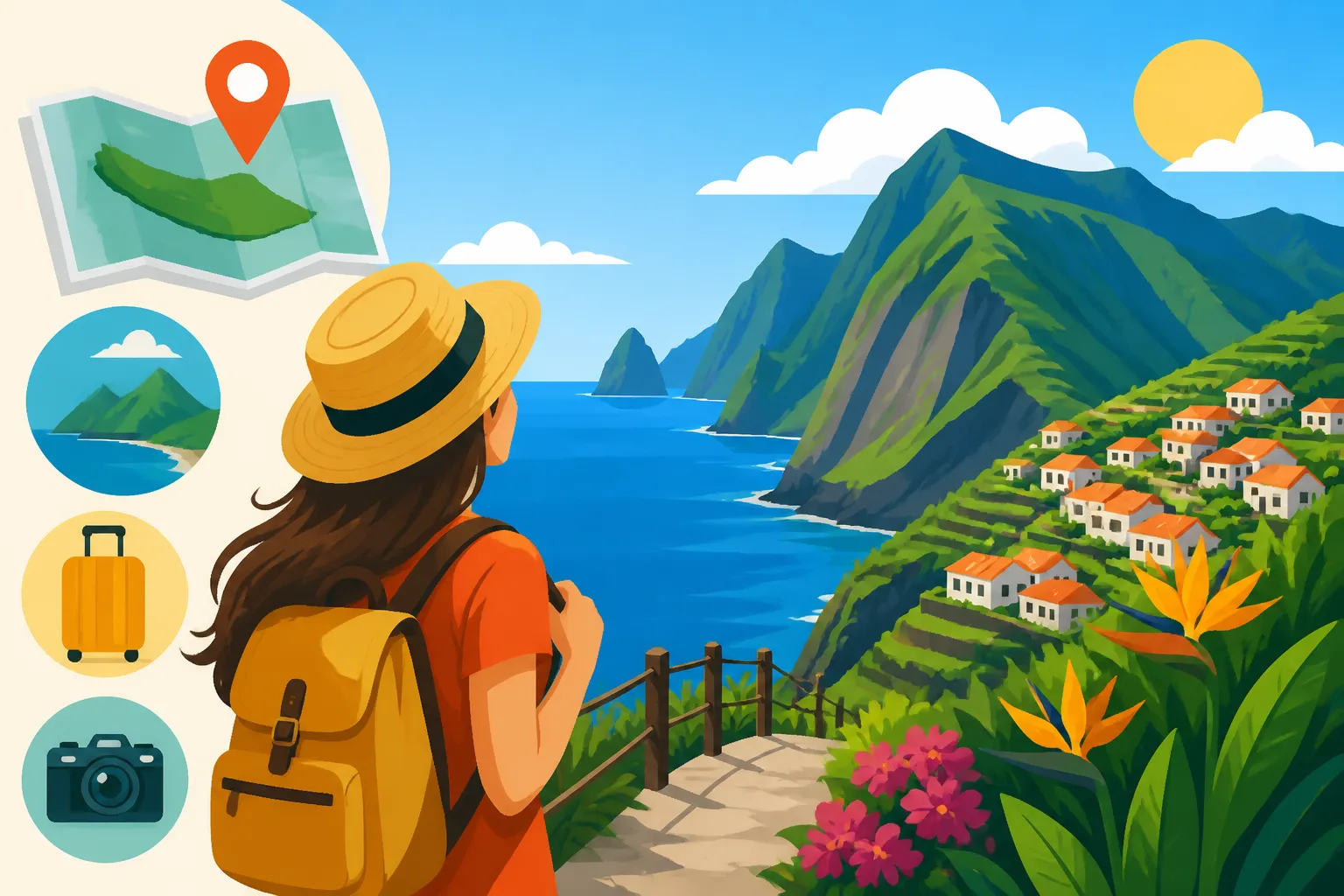
Madeira Island itself is a microcosm of diverse landscapes, from the lush, verdant north to the sunnier, more developed south. You've got towering, ancient laurel forests – a UNESCO World Heritage site – that feel like stepping back in time, sharp volcanic peaks that pierce the clouds, and breathtaking coastal trails carved into the cliffs. The island’s unique levada walking trails, historical irrigation channels, wind through some of the most spectacular scenery you'll ever encounter. These are not just paths; they're an integral part of Madeiran life, a testament to human ingenuity in harmony with nature.
The north coast, think places like São Vicente and Santana, is often greener, with dramatic cliffs meeting the wild Atlantic. Here, you'll find natural volcanic swimming pools and a more rugged, untamed beauty. The south, particularly around Funchal, Câmara de Lobos, and Ponta do Sol, is generally sunnier and warmer, with more infrastructure, vineyards, and banana plantations clinging to the hillsides. For a first-timer, basing yourself centrally allows for easy day trips in all directions, but don't limit yourself to just the south. The contrast between these regions is part of Madeira's magic. Getting a rental car is almost a must to fully explore these varied terrains, giving you the freedom to chase the sun or discover a secluded village tucked away in a valley.
Porto Santo: Madeira's Golden Neighbor
While the main island of Madeira is famous for its dramatic cliffs and green mountains, just a short ferry ride away lies Porto Santo, a completely different beast. This smaller island is known primarily for its spectacular 9-kilometer stretch of golden sandy beach, the only one of its kind in the archipelago. It’s a stark contrast to Madeira’s pebble beaches and rocky shores, offering a quintessential beach holiday experience. If your first trip to Madeira is more than a week, consider dedicating a couple of days to Porto Santo for some pure relaxation.
The ferry from Funchal to Porto Santo takes about 2.5 hours, offering incredible views of the Madeiran coast as you depart. You can check schedules and book your tickets on the Porto Santo Line website, or look for combined travel options through platforms like Omio if you’re planning your entire journey. Beyond the beach, Porto Santo also has unique geological formations, a charming main town of Vila Baleira, and even claims to have hosted Christopher Columbus. It’s the perfect antidote to the more active, hiking-focused vibe of the main island, allowing you to truly unwind and soak up some vitamin D on therapeutic sands, which are said to have healing properties. It’s a wonderful way to experience another facet of the Madeiran archipelago, proving there's more to discover than just the main island's dramatic beauty.
Getting There and Getting Around
One of the biggest anxieties for any first-time visitor is figuring out the logistics of arrival and transportation. Madeira, despite its isolated location, is surprisingly accessible, but navigating the local transport system requires a bit of foresight. Let's break down how to get your feet on Madeiran soil and then how to explore every nook and cranny.
Flights to Funchal (FNC) and Airport Transfers
Madeira's main airport, Cristiano Ronaldo International Airport (FNC), is just outside Funchal. It's an experience in itself, famous for its unique runway extension built over the ocean! Direct flights are available from many European cities, including Lisbon and Porto, making it easy to connect from mainland Portugal. Major airlines and low-cost carriers all serve Funchal, so you usually have a good range of options. It is generally advisable to book flights well in advance, especially if you're traveling during peak season, to get the best prices.
Once you land, getting to your accommodation is straightforward. There's an Aerobus service that runs regularly between the airport and various stops in Funchal, which is a very cost-effective option. Taxis are readily available right outside the arrivals hall, and ride-hailing apps like Bolt and Uber also operate on the island, though sometimes with slightly fewer drivers than in mainland cities like Lisbon. If you've pre-booked a rental car, the car hire desks are located within the terminal or a short shuttle ride away, making the pickup process quite seamless. For those staying further afield, a pre-booked private transfer can save you a lot of hassle after a long flight, especially if you have a lot of luggage.
Navigating the Island: Rental Cars, Buses, and Taxis
To truly experience Madeira's magic, you absolutely need to explore beyond Funchal. While the public bus system (Horários do Funchal for Funchal and surrounding areas, and other operators for longer distances) is extensive and can get you to many towns, it can be slow and doesn't always reach the more remote hiking trailheads or viewpoints. For maximum flexibility and to truly make the most of your first trip, I almost always recommend renting a car. The roads can be winding and steep, with plenty of tunnels, so be prepared for some adventurous driving! However, the sheer freedom to stop at any miradouro (viewpoint) or charming village makes it worth it. You can find good deals on car rentals by booking in advance through major international providers or local Madeiran agencies. Remember to check if your chosen company has offices directly at the airport for easy pickup and drop-off. For those who prefer not to drive, guided tours are an excellent alternative to see the highlights. You can find a huge variety of options, from jeep safaris to levada walks, on platforms like GetYourGuide.
Taxis are plentiful in Funchal and are a good option for shorter distances or if you're heading out for an evening meal. Agree on the price beforehand or ensure the meter is running. For exploring further afield without a car, consider a combination of buses and taxis, or hiring a taxi for a full day – many drivers offer fixed-price tours to popular spots. For an even more relaxed experience, ride-hailing services like Uber and Bolt are viable alternatives, offering a convenient way to get around Funchal, though pricing can sometimes fluctuate, especially during peak demand. For those interested in deeper insights into the intricacies of driving and public transport in the wider country, reading up on Public Transport and Driving in Portugal: Trains, Tolls, and Licenses might provide some helpful context, even if some specifics differ for the islands.
Crafting Your Itinerary: Must-Sees and Hidden Gems
Planning what to do in Madeira can feel like trying to drink from a firehose – there's just so much natural beauty and culture packed onto one island. For a first trip, the key is to strike a balance between the iconic sights and those quieter, more authentic experiences that truly capture the island's soul. You don't want to overschedule, but you also don't want to miss the essentials.
Iconic Landmarks and Breathtaking Viewpoints
Let's start with the non-negotiables. No first trip to Madeira is complete without experiencing the capital, Funchal. Wander through the charming Old Town, explore the Mercado dos Lavradores (Farmer's Market) with its vibrant array of exotic fruits and flowers, and take the cable car up to Monte. While in Monte, visit the Monte Palace Tropical Garden, a truly spectacular botanical wonderland, and then, if you're feeling adventurous, brave a ride down the hill in a traditional wicker toboggan, a truly unique Madeiran experience!
Beyond Funchal, Pico do Areeiro is a must-see. It's one of Madeira's highest peaks, and the views at sunrise or sunset are simply out of this world, with clouds rolling through the valleys below you. Another stunning viewpoint is Cabo Girão, one of the highest sea cliffs in Europe, offering panoramic views from its glass skywalk. For something a little less strenuous but equally picturesque, head to Ponta de São Lourenço, the easternmost tip of the island, for dramatic, windswept landscapes that feel completely different from the lush interior. These spots are popular for a reason, and you'll quickly understand why when you see them with your own eyes.
Levada Walks and Outdoor Adventures
Madeira is a hiker's paradise, and its levada walks are legendary. These are ancient irrigation channels, often with relatively flat paths alongside them, making them accessible to many fitness levels. For a first trip, consider the Levada das 25 Fontes (25 Fountains) and Risco Waterfall walk. It’s incredibly popular, so go early, but the reward of reaching a natural amphitheater of waterfalls is worth it. Another fantastic option is the Vereda do Fanal, especially if you can catch it on a foggy day, as the ancient laurel trees create an ethereal, fairytale-like atmosphere.
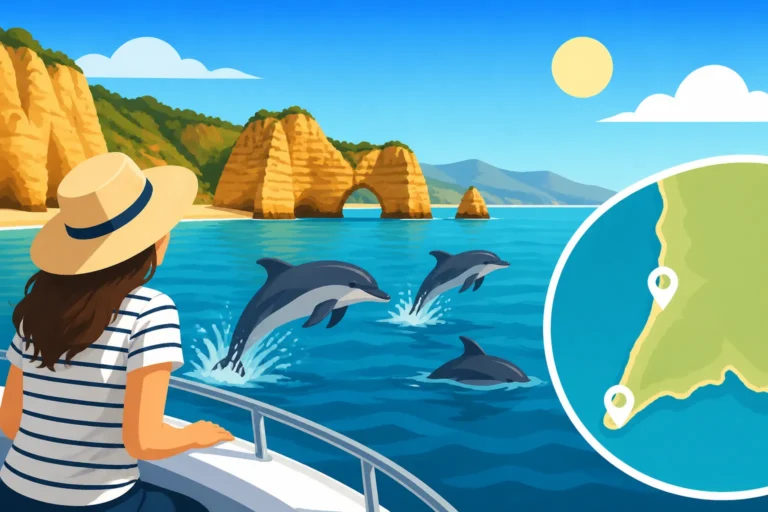
If hiking isn't your only passion, Madeira offers plenty of other outdoor thrills. Canyoning through its lush ravines is an exhilarating experience, or you can try paragliding for a bird's-eye view of the coastline. For those who prefer being on the water, dolphin and whale watching tours depart regularly from Funchal, offering a chance to see these magnificent creatures in their natural habitat. Many local operators, often found through Booking.com or GetYourGuide, offer these experiences, providing all necessary equipment and experienced guides. Remember that proper footwear is essential for most outdoor activities, and always check weather conditions before heading out, especially for mountain hikes. If you're pondering living on the island for longer, you might want to look into Madeira and Azores: Island Living, Costs, and Expat Communities for a deeper dive into island life.
Accommodation and Practical Tips for a Smooth Trip
After all the excitement of planning adventures, don't forget the practicalities! Where you lay your head at night, what you pack, and how you manage your budget can significantly impact your overall experience. Experience shows that a little preparation goes a long way in Portugal, and Madeira is no exception.
Choosing Your Base: Funchal or Beyond?
For a first trip, Funchal is often the most convenient and popular base. It offers the widest range of accommodation options, from luxury hotels to charming guesthouses, and has the most restaurants, shops, and nightlife. Staying in Funchal also means easy access to tour operators and the bus network. Look for hotels in the Lido area for resort-style amenities and ocean views, or in the Old Town for historic charm and proximity to attractions. Booking.com is an excellent platform for finding a wide array of choices, allowing you to filter by budget, amenities, and location.
However, if you're looking for a quieter, more immersed experience, consider staying in one of the smaller towns. Calheta and Ponta do Sol on the sunny south-west coast are popular for their relaxed vibes and beautiful beaches. The north coast, with towns like São Vicente, offers a more rugged, natural setting. While not as bustling as Funchal, these areas often provide a more authentic glimpse into Madeiran life. Just be aware that if you opt for a smaller town, a rental car becomes even more essential. Think about what kind of atmosphere you want for your evenings – bustling city life or tranquil village charm – before making your decision.
Essential Packing, Budgeting, and Local Etiquette
Madeira's weather is often described as "four seasons in one day." Because of the varied altitudes and microclimates, it's crucial to pack layers, even in summer. Bring comfortable walking shoes for levada hikes, a light waterproof jacket, and swimwear. Sun protection is a must year-round. While Portugal is generally affordable, Madeira can be slightly pricier than some mainland regions, especially for accommodation and specific tours. Have a look at Cost of Living in Portugal 2026: Detailed Budgets for Singles and Families for some broader context, but factor in a bit extra for island logistics. Budget for a rental car, activities, and plenty of delicious food.
Speaking of food, Madeiran cuisine is a treat! Don't miss trying espetada (skewered beef), bolo do caco (garlic bread), and the famous Madeira wine. When eating out, tipping is appreciated but not strictly mandatory; rounding up the bill or leaving a few euros for good service is common. If you’re a coffee lover, learning how to order a Portuguese Coffee Culture and Restaurant Etiquette: Ordering Like a Local will make you feel like a local in no time. While many people in the tourism industry speak English, a few basic Portuguese phrases will always be appreciated. Remember to carry some cash for smaller purchases, especially in local markets or smaller cafes, as not everywhere accepts cards. Always keep a copy of your passport and visa (if applicable) handy, and familiarize yourself with emergency numbers – 112 is the universal European emergency number. For general health and safety, knowing about Emergency Medical Care in Portugal: Calling 112 and Going to the Hospital can offer peace of mind. And for connectivity, consider an eSIM; you can find options for Best unlimited data eSIMs for digital nomads arriving in Portugal which are great for travelers too.
Making the Most of Your Trip with Tours and Bookings
While independent exploration is fantastic, organized tours can really enhance a first-time trip to Madeira, especially if you want to tackle more challenging activities like canyoning or explore remote areas without the stress of driving. Platforms like GetYourGuide offer a vast selection of tours, from guided levada walks and island excursions to specialized adventure sports. These often include transportation, which is a huge bonus.
For seamless travel within Portugal and potentially including your flight to Madeira, Omio can be a useful tool for comparing and booking various transport options. For accommodation, as mentioned, Booking.com is a reliable choice with extensive filters and reviews. My advice is to pre-book popular tours and accommodation, especially during high season, as spots fill up quickly. However, leave some flexibility in your itinerary for spontaneous discoveries – that’s often where the real magic of Madeira lies! Don't be afraid to ask locals for recommendations; they often know the best spots that aren't in every guidebook.
| Aspect | Funchal (City Base) | Other Towns (e.g., Calheta, São Vicente) |
|---|---|---|
| Accommodation | Widest range: hotels, resorts, guesthouses. | Boutique hotels, villas, rural tourism (quintas). |
| Dining/Nightlife | Abundant options, lively evenings. | Quieter, more local restaurants, fewer late-night spots. |
| Accessibility | Excellent bus network, easy for tours, airport shuttle. | Car almost essential, limited public transport to some spots. |
| Atmosphere | Bustling, urban, tourist-friendly. | Relaxed, authentic, closer to nature. |
| Activities | Access to cable car, museums, gardens, boat trips. | Closer to specific hiking trails, natural pools, quiet beaches. |
| Cost | Can be higher for central options. | Often more budget-friendly for similar quality. |
Disclaimer
The information provided in this guide is intended for general informational purposes only and does not constitute professional advice. While we strive to keep the information accurate and up-to-date, rules, regulations, and availability of services in Portugal and Madeira can change rapidly. Always consult official sources, local authorities, or professionals for the most current and specific information regarding your personal situation.