How to Find Free Festival Events in Portuguese Cities
Disclosure: This article contains affiliate links. If you buy through them, we may earn a commission at no extra cost to you. Read our full disclosure.
Moving to a new country like Portugal, or even just visiting for an extended period, can often feel like you're caught in a tourist bubble, seeing the sights but missing the genuine pulse of local life. The biggest frustration for many expats and long-term visitors is figuring out how to tap into the authentic cultural experiences that don't cost an arm and a leg, especially when it comes to festivals. You hear whispers of incredible local festas and vibrant street parties, but finding concrete information that isn't just for a fleeting tourist trap can be surprisingly difficult. This guide is here to cut through that noise, helping you discover the myriad of incredible, free festival events happening in Portuguese cities and towns, ensuring you truly live like a local and soak up the culture without breaking the bank.
The Heartbeat of Portugal: Why Free Festivals Matter Here
When you first arrive in Portugal, you might think "festival" means a big-ticket music concert or a major international event. But here, the word festa (festival or party) has a much deeper, more communal meaning. These aren't just entertainment; they're expressions of history, faith, community, and pure, unadulterated joy. Attending a local festa is like unlocking a secret level of understanding Portugal. It's where the shy, reserved Portuguese come alive, where generations dance together, and where the air crackles with an energy you won't find anywhere else. The best part? So many of these authentic experiences are completely free to attend.
More Than Just Parties: A Glimpse into Portuguese Soul
Portuguese festivals are deeply ingrained in the country's social fabric. They’re a living testament to traditions that have been passed down for centuries, often blending Catholic devotion with pagan roots, local legends, and a profound sense of community. When you stumble upon a small festa in a village square, you're not just watching a performance; you're participating in a ritual that defines that place and its people.
Think about the sheer dedication that goes into decorating a street for the Festas de Lisboa in June, or the intricate floral carpets painstakingly laid out for Corpus Christi. This isn't just for show; it's a collective effort, a point of pride, and a way of preserving identity. The food stalls, the traditional music, the dancing – it all contributes to an atmosphere of shared heritage. It's a fantastic way to observe the Daily Life in Portugal: Supermarkets, Language, and Cultural Etiquette, giving you context for the everyday interactions you’ll have here. You'll see families, from grandmothers to toddlers, all out enjoying the evening, often until the wee hours. This collective spirit is truly what makes these free events so special and so much more than just a fleeting party.
The Seasonal Rhythm of Festas
Portugal's festival calendar follows a distinct rhythm, largely dictated by religious holidays, harvest seasons, and local patron saints. Unlike some places where festivals are sporadic, here, you can almost set your watch by them. Summer, in particular, is a crescendo of festivities. From June to September, it feels like every town and village has its moment in the sun, celebrating something with gusto.
The Festas dos Santos Populares (Popular Saints' Festivals) in June are perhaps the most famous, turning cities like Lisbon and Porto into giant street parties for Santo António, São João, and São Pedro. But even outside these major hubs, you'll find countless smaller events. During grape harvests, many wine regions host their own celebrations, often with free tastings and traditional music. Christmas and Easter bring religious processions and local customs that are incredibly moving and insightful. Knowing this seasonality helps you anticipate and seek out events. If you're planning a trip around a specific time, you can often align your visit with one of these vibrant cultural displays, potentially even saving on some costs by pre-booking accommodation through sites like Booking.com well in advance.
Your Treasure Map: Where to Unearth Free Festival Information
Finding out about these free festivals can feel like a quest, especially if you're not plugged into local networks. It's not always as simple as a quick Google search for "free events near me," though that's a good starting point. You need to know where to dig, and often, you need to think like a local. It takes a bit of proactive searching and a willingness to explore, but the rewards are absolutely worth it.
Online Resources and Social Media Buzz
In the digital age, a lot of information still starts online, but it’s about knowing which online sources to trust. Major cities like Lisbon and Porto usually have dedicated cultural agendas published by their city councils (e.g., Câmara Municipal de Lisboa or Câmara Municipal do Porto). These often list free concerts, street performances, and public celebrations. Look for sections like "Agenda Cultural" or "Eventos Gratuitos."
Social media, particularly Facebook groups for expats in your area, can be an absolute goldmine. Search for groups like "Lisbon Expats" or "Algarve Expats" – people constantly share details about upcoming local events they've heard about. Local Facebook event listings, especially those created by smaller cultural associations or local businesses, are also fantastic. Sometimes, even national news outlets or cultural websites like Agenda Cultural de Lisboa, Time Out Lisboa/Porto, or NIT.pt will highlight bigger free events, though their focus might lean towards the more widely recognized rather than the truly local festa. For broader travel planning that might coincide with events, you can sometimes find information on major booking platforms like GetYourGuide, which, while primarily for paid tours, occasionally highlights significant cultural happenings in their destination guides.
Local Knowledge and Community Boards
This is where the magic truly happens. Once you're on the ground, nothing beats asking a local. Pop into a small cafe, strike up a conversation with the owner, or chat with a vendor at the local mercado. Portuguese people are generally very proud of their local traditions and happy to share information, even if it's in a mix of Portuguese and gestures. You'd be surprised how often a casual chat can lead you to an incredible, authentic experience.
Keep an eye out for posters and flyers! In Portugal, information often still travels by word of mouth and physical notices. Local Juntas de Freguesia (parish councils) often have notice boards outside their offices, listing upcoming events in the neighborhood. Small shops, cafes, and community centers also frequently display flyers for local festas, concerts, or religious processions. While you might initially struggle with the language, recognizing keywords like "Festa," "Grátis" (free), "Concerto," or a saint's name will get you a long way. This is also where knowing a little Learning European Portuguese: Top Apps, Tutors, and Free Government Classes can really help you decipher what's happening.
Official Tourism and Municipal Channels
While the truly hidden gems might require local snooping, official tourism websites are excellent for major, well-established free festivals. The national tourism board, Turismo de Portugal, often has a calendar of events. More importantly, specific municipal tourism offices (e.g., VisitLisboa, VisitPorto, or local Câmara Municipal sites) are a treasure trove. These are usually professionally run, offer information in English, and clearly list the dates, locations, and often, the program details for larger public events.
For example, if you're exploring the capital, the Lisbon Neighborhood Guide: Best Areas for Expats and Digital Nomads can help you pinpoint areas that frequently host these kinds of events. Similarly, if you're up north, checking out the Porto Neighborhood Guide: Where to Live for Culture, Tech, and Family can give you a head start. These official channels are typically where you'll find the most reliable information for bigger city-wide festivals that draw crowds but are still free to attend. They'll also often provide details on any associated public transport changes or special services, which is crucial for planning your visit.
Deciphering the Free Event Landscape: Types of Portuguese Festivities
Portugal offers a diverse array of free festivals, each with its unique flavor and purpose. Understanding the different categories can help you narrow down your search and know what to expect. From solemn religious processions to lively street parties, there's always something happening that reflects the local culture.
Religious Festas and Romarias: Ancient Traditions Alive
Portugal is a deeply Catholic country, and many of its most beautiful and free festivals have a religious core. Romarias are pilgrimages, often leading to a local chapel or sanctuary, and they are beautiful to witness. Participants often walk long distances, sometimes barefoot, demonstrating their devotion. These events are usually accompanied by traditional music, food stalls, and a joyous, communal atmosphere once the religious duties are fulfilled. The processions, especially during Easter or for patron saints, are solemn yet captivating, with elaborately decorated floats, statues of saints, and participants in traditional garb.
One famous example is the Romaria de São Bartolomeu in Ponte da Barca, where people take a ritual bath in the river, believed to cure ailments. These events are not just for the devout; they are cultural spectacles that offer a profound insight into Portuguese rural life and faith. They truly bring communities together, making them a fantastic way to experience local life.
Cultural Celebrations and Town Festas: Music, Food, and Merriment
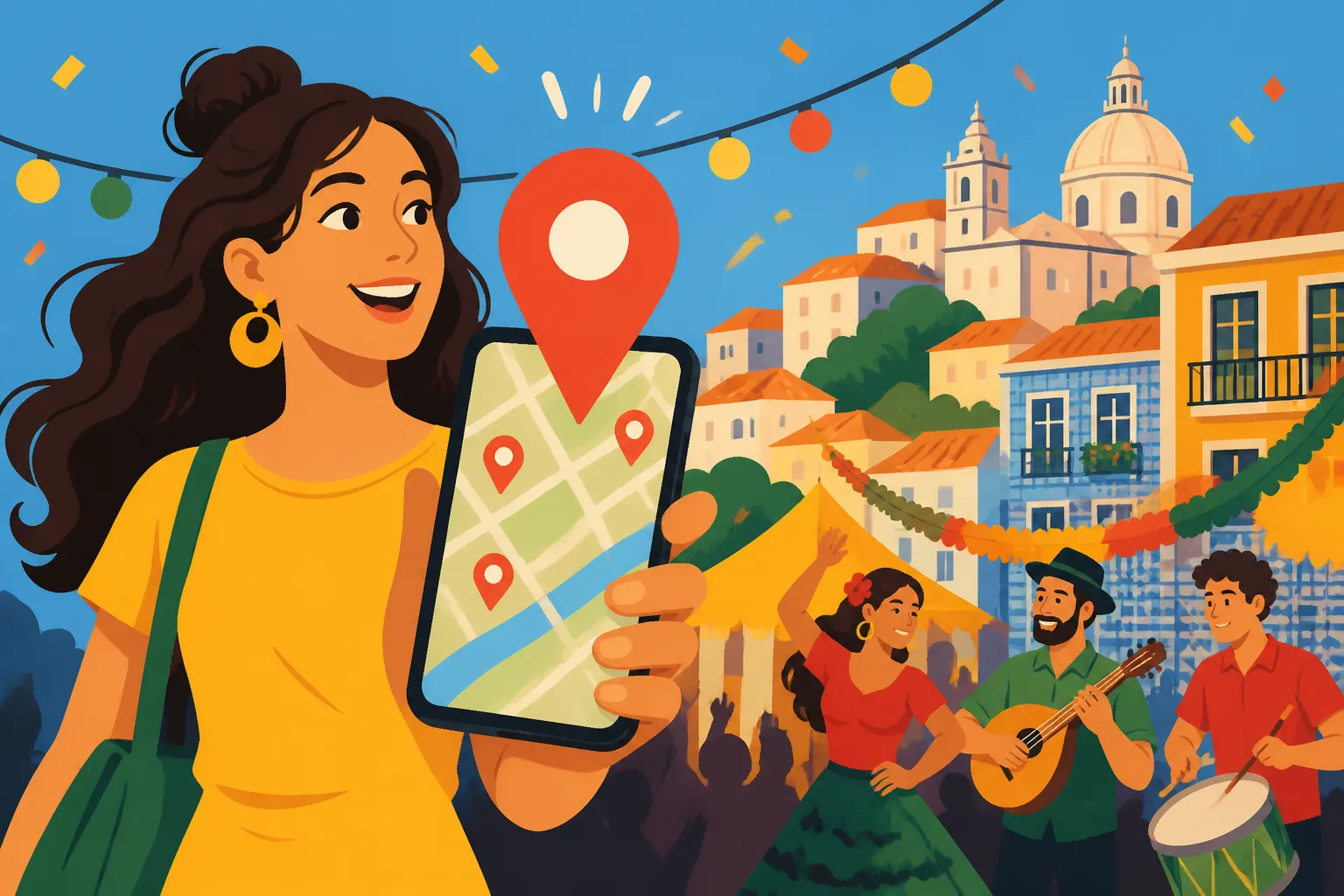
Beyond the religious, there are countless civic and cultural festas that are purely about community celebration. These are often the ones you hear about with grilled sardines, caldo verde (kale soup), and broa de milho (cornbread). The Festas dos Santos Populares in June are the prime example. In Lisbon, Santo António sees the Alfama district transformed, with communal tables, manjericos (basil plants with poems), and live music filling the streets. You can wander freely, soak in the atmosphere, and perhaps even join in a dance.
Porto’s São João is famous for its plastic hammers, leeks, and launching hot air balloons (balões de São João) into the night sky, culminating in fireworks over the Douro River. These aren't just free to watch; they're free to participate in. Many towns will have their own version, often celebrating a local product like cherries (Festa da Cereja) or bread (Feira do Pão). These are incredible opportunities to try local delicacies, listen to live fado or folk music, and simply immerse yourself in the joyful chaos.
Seasonal and Thematic Events: From Sardines to Saints
Throughout the year, smaller, thematic free events pop up. In spring, you might find flower festivals or events celebrating the arrival of fresh produce. Autumn brings harvest festivals, particularly in wine regions, where the atmosphere is electric. Then there are specific themed events like medieval fairs (Feira Medieval), which recreate historical scenes with artisans, performers, and often free entry to the main grounds (though specific activities might cost money). These are particularly popular in towns with rich historical backgrounds, like Óbidos or Santa Maria da Feira.
During December, many cities and towns create beautiful Christmas markets and light displays. While vendors might sell crafts and food, the festive atmosphere, carol singers, and light shows are usually free for everyone to enjoy. These diverse events ensure that no matter when you visit, or where you base yourself in Portugal, there’s likely a free cultural experience just waiting to be discovered.
Here's a quick overview of some common free festival types and when you might find them:
| Festival Type | Typical Time of Year | Common Occurrences | What to Expect (Free Aspects) |
|---|---|---|---|
| Santos Populares | June | Lisbon (Santo António), Porto (São João), etc. | Street parties, decorations, music, dancing, parades |
| Religious Processions | Easter, October | Braga (Holy Week), Fátima (Pilgrimages) | Solemn parades, street altars, candlelit vigils |
| Romarias / Pilgrimages | Summer, Autumn | Various rural towns/villages | Processions, outdoor masses, folk music, communal meals |
| Medieval Fairs | Summer, Early Autumn | Óbidos, Santa Maria da Feira, Viana do Castelo | Street performers, historical reenactments, artisan markets |
| Harvest Festivals | September-October | Douro Valley (wine), Alentejo (olives) | Grape stomping, live music, local crafts, food sampling |
| Carnival (Carnaval) | February-March | Loulé, Torres Vedras, Ovar | Elaborate parades, street dances, costumes |
| Christmas Markets/Lights | December | Lisbon, Porto, smaller city centers | Festive atmosphere, light shows, carol singers, window displays |
| Local Town Festas | Throughout year | Any town/village with a patron saint or specialty | Live music, traditional dancing, food stalls, community vibe |
Navigating the Festivities Like a Pro: Tips for an Unforgettable Experience
Once you've found a free festival that sparks your interest, a little planning can go a long way in ensuring you have an incredible, stress-free experience. These events, while joyous, can also be crowded and overwhelming if you’re not prepared.
Transportation and Logistics: Getting There and Back
This is crucial. During major festivals, especially in cities like Lisbon or Porto, public transport schedules often change, and certain streets may be closed to traffic. Always check the local municipal website or public transport operator (e.g., Carris/Metro in Lisbon, STCP/Metro in Porto) for specific festival-related information. Public transport is usually the best option, as parking can be a nightmare.
For those late-night festivities, be aware that metro services might extend slightly, but buses might have reduced routes or stop earlier than you'd expect. Taxis or ride-hailing services like Bolt or Uber are options, but surge pricing can be brutal, and finding an available car in a crowded festival area can be a challenge. If you're staying further out, it's worth planning your return journey beforehand, especially if you're relying on apps like Omio to check inter-city train or bus schedules, as those services won't be impacted by local street closures. Getting to know Public Transport and Driving in Portugal: Trains, Tolls, and Licenses will serve you well beyond just festival outings.
Food, Drink, and Amenities: Sustaining Your Merriment
One of the best parts of Portuguese festivals is the food! While the entry is free, the food and drink stalls are where locals typically spend their money, and it’s a delightful way to support the community and try authentic treats. Expect grilled sardines, bifanas (pork sandwiches), chouriço assado (flame-grilled sausage), and plenty of cold beer or local wine. Cash is king at these small stalls, so make sure you have some euros on hand, although increasingly, many vendors are now accepting card payments or even MB Way, Portugal's ubiquitous payment app. Remember, you might want to review The Multibanco System and MB Way: Portugal's Unique Payment Network before you go.
Restrooms can be scarce or have long lines, so plan accordingly. It’s always a good idea to carry a small bottle of water, especially in the summer heat, and maybe some hand sanitizer. While you’re likely to find wonderful local food, if you have specific dietary needs, it’s best to eat something substantial beforehand. Also, be mindful of Tipping culture in Portugal: Do you leave 10% or just round up the bill? if you visit a seated restaurant near the festival.
Embracing the Local Vibe and Staying Safe
Portuguese festivals are generally very safe and family-friendly, but like any crowded event, it's wise to stay vigilant. Pickpocketing can be an issue in extremely dense crowds, so keep your valuables secure and out of sight. It's always a good idea to have a plan for meeting up with friends if you get separated. Refer to general Safety and Emergency Preparedness in Portugal for Foreign Residents tips, such as knowing emergency numbers (112) and having a charged phone.
Beyond safety, truly embrace the atmosphere! Don't be afraid to try some local food, tap your foot to the music, or even attempt a few dance steps if invited. A simple "Olá!" and "Obrigado/Obrigada" (hello and thank you) go a long way. Learning a few basic phrases can truly enhance your experience, especially when interacting with vendors or dancers. The Portuguese are generally warm and welcoming, and your effort to engage will be appreciated. Remember the Portuguese greeting etiquette: When to use Beijinhos vs Handshakes so you know how to politely interact. These free festivals are not just about watching; they're about experiencing, connecting, and becoming a temporary part of the local fabric. So go on, dive in, and let Portugal show you its true, vibrant colors!
Disclaimer
The information provided in this guide is for general informational purposes only and is subject to change. While we strive to provide accurate and up-to-date content, festival schedules, availability, and specific event details can vary. Always confirm dates, times, and locations with official sources before making plans. We are not responsible for any changes, cancellations, or inaccuracies.